Source Eco Friendly Polished Crystal Fish for decor, gifts, and collections
Compare 30 listings of Eco Friendly Polished Crystal Fish from suppliers in China. Buyers can evaluate options for decoration, gifts, and collections based on material, size, and shipping details.
Key considerations
Products List
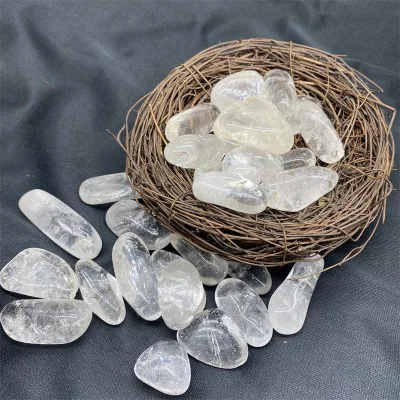
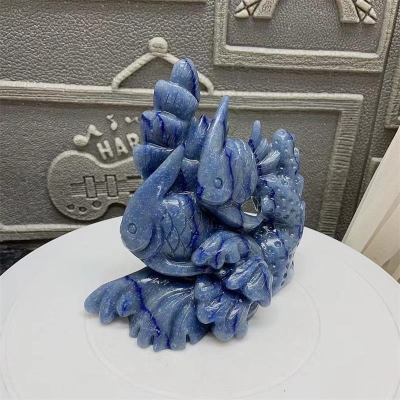
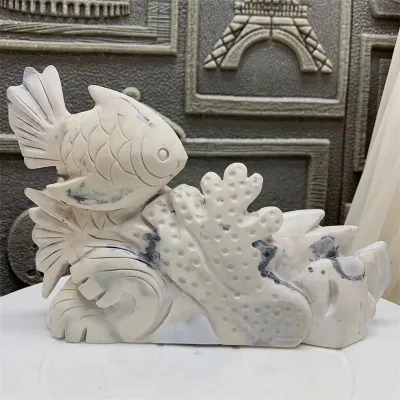
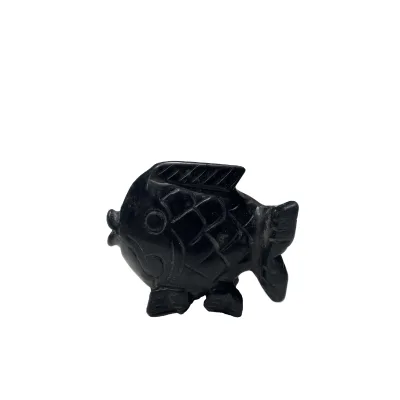

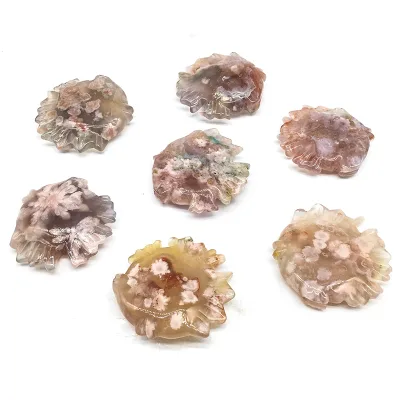
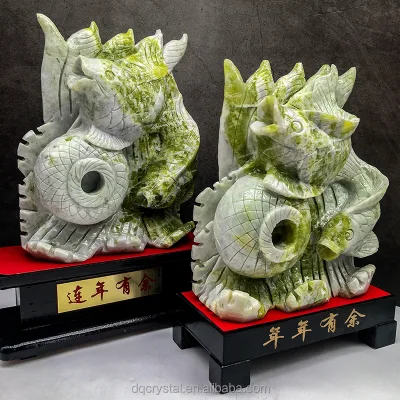
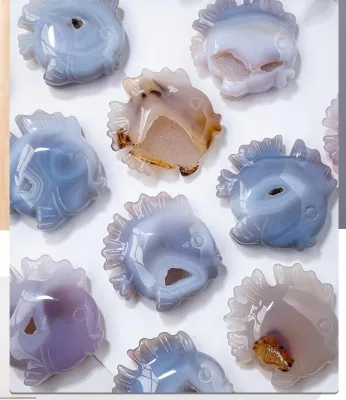
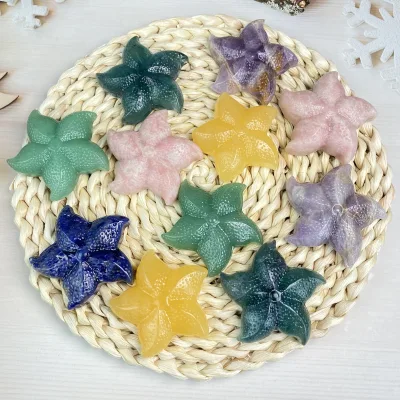



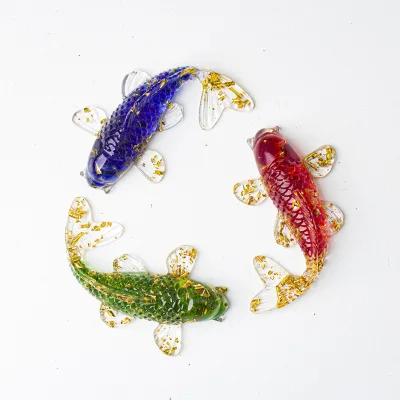
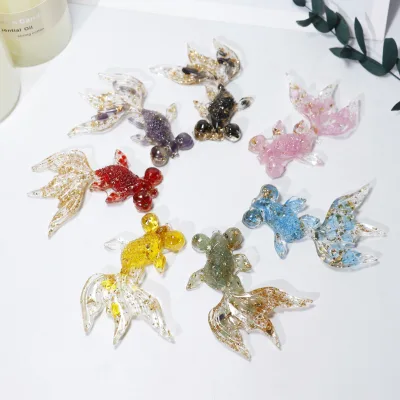


Premium Oceanic Stripe Bonito Fish
$900.00 - $1200.00
MOQ: 18 Tons
Shishi Zhengyuan Aquatic Product Science&Technology Development Co., Ltd.
Comprehensive Sourcing Guide
Strategic Sourcing Guide for Eco-Friendly Polished Crystal Fish
The global market for decorative crystal items has seen a significant shift toward sustainable sourcing and artisanal craftsmanship, with the "eco-friendly polished crystal fish" emerging as a distinct category within the broader art and collectible sector. Buyers entering this space must navigate a complex landscape where aesthetic appeal, material integrity, and ethical production practices intersect. This guide provides a disciplined framework for evaluating suppliers, understanding technical specifications, and ensuring procurement alignment with sustainability goals, drawing exclusively from verified product attributes and industry standards.
Understanding Material Composition and Technical Specifications
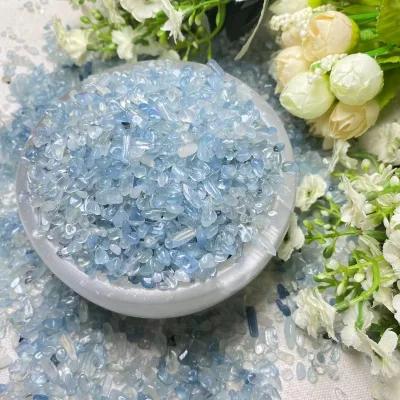
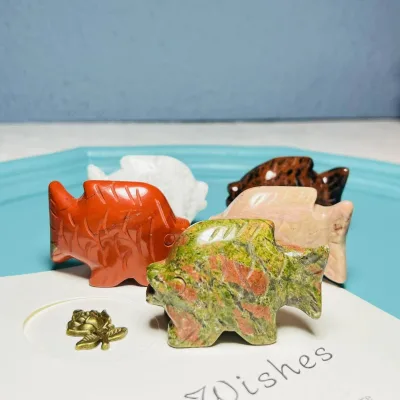
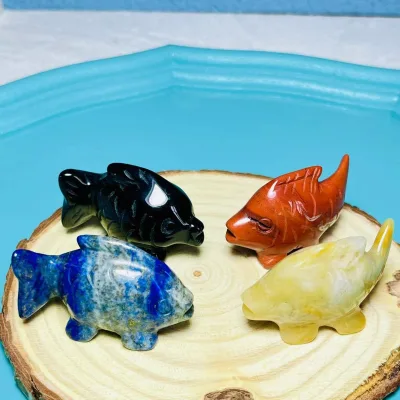
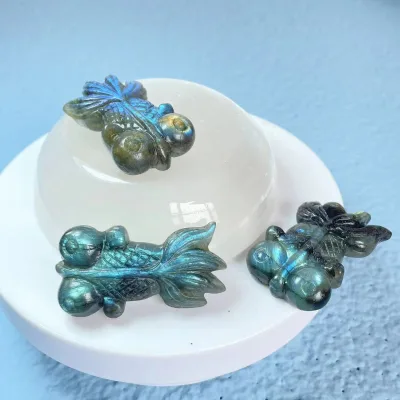
The foundation of any successful procurement strategy for crystal fish lies in a precise understanding of the raw materials and the technical processes used to transform them. In the observed market data, the primary material identified is "Crystal," often specified as natural gemstone or synthetic varieties depending on the supplier's capabilities. A critical observation from the available product listings is the prevalence of specific mineral types, such as "blue aventurine" and "jade," which are frequently carved into fish shapes. These materials are not merely decorative; they possess distinct physical properties that influence the final product's durability and visual depth.
The manufacturing technique is equally vital. The data indicates a strong preference for "Carved" and "Engraving" methods, with specific references to "MOSAIC" techniques in certain contexts. This suggests that the "polished" aspect of the keyword is achieved through a multi-stage process involving rough cutting, detailed carving, and final polishing to enhance the stone's natural luster. The "Print Method" of "1 color" and "engraved" printing suggests that while some items may feature surface markings, the primary value proposition remains the three-dimensional form of the crystal itself.
Buyers must verify the specific model numbers and size specifications, as the market offers a wide range from "One Size" to "Customize Sizes." The single package size for standard items often ranges around 20x19x18 cm, with a single gross weight of approximately 1.5 kg. These dimensions are crucial for logistics planning and inventory management. Furthermore, the "Regional Feature" and "Place of Origin" data points heavily to Jiangsu, China, a hub known for its stone carving industry. Understanding that the supply chain is concentrated in this region helps buyers anticipate specific logistical patterns and potential lead times associated with regional production cycles.
Compliance, Certification, and Ethical Sourcing Verification
When sourcing "eco-friendly" products, the definition of sustainability extends beyond the material itself to include the entire lifecycle of the product, from extraction to packaging. The term "eco-friendly" in the context of crystal fish often implies the use of natural, non-toxic materials and responsible mining practices. However, buyers must exercise caution, as the provided data includes attributes related to "Chemical Synthetic Drugs" and "Growth Promoting Medicine," which are entirely irrelevant to the crystal fish category. This discrepancy highlights the necessity of rigorous supplier vetting to ensure that product descriptions are accurate and not conflated with unrelated agricultural or pharmaceutical listings.
For genuine eco-friendly certification, buyers should look for verifiable documentation regarding the source of the crystal. While the provided text mentions "Safe International packing" and "Bubble paper Outside packing," it does not explicitly list third-party environmental certifications. Therefore, the procurement process must include a direct inquiry into whether the supplier adheres to specific environmental standards for stone mining and processing. Buyers should verify if the "Crystal" used is ethically sourced, free from harmful chemicals used in dyeing or polishing, and if the manufacturing facility employs waste reduction strategies.
The "Style" attributes, such as "Feng Shui" and "Folk Art," indicate that these products often carry cultural significance. Ensuring that the cultural representation is authentic and respectful is part of the ethical sourcing equation. Suppliers should be able to demonstrate that their artisans are treated fairly and that the production methods do not rely on exploitative labor practices. The "Customization: Available" attribute suggests that buyers can work with suppliers to tailor products, which is an opportunity to enforce specific sustainability requirements, such as using biodegradable packaging materials instead of standard plastic bubbles, provided the supplier has the capacity to adapt.
Cost Drivers and Pricing Dynamics in the Crystal Market
The pricing of polished crystal fish is influenced by a complex interplay of material rarity, craftsmanship complexity, and logistical factors. The observed price range in the market spans from $0.45 to $1200, a vast disparity that reflects the difference between mass-produced synthetic items and high-end, hand-carved natural stone sculptures. The "MOQ" (Minimum Order Quantity) also plays a significant role in cost structure, with observed ranges from 1 piece to 10,000 pieces. For smaller buyers, the "MOQ: 1 Pc" for jade fish models allows for low-risk sampling, whereas larger orders may benefit from the "MOQ: 2kg" structure seen in other listings, which can lower the per-unit cost through economies of scale.
Material type is the primary cost driver. Natural stones like blue aventurine and jade command higher prices due to their scarcity and the labor-intensive nature of carving them. The "Supply Ability" of 1000 kilograms per month indicates that while production is robust, it is not infinite, and high-demand periods may lead to price fluctuations. Buyers should also consider the "Product Type" classification; "SCULPTURE" items generally carry a higher price point than generic "Crystal Image" items due to the artistic value and labor involved.
Logistics and packaging add another layer of cost. The "Single gross weight" of 1.5 kg per item, combined with the need for "Hard corrugated carton or wooden box" to ensure "Safe Packing," significantly impacts shipping costs, especially for air freight as noted in the "Shipping" attribute. Buyers must calculate the total landed cost, including duties and insurance, rather than focusing solely on the unit price. The "Selling Units" being listed as "Single item" suggests that the market is flexible, but bulk purchasing agreements should be negotiated to secure better rates on shipping and packaging materials.
Typical Applications and Market Segmentation
The versatility of polished crystal fish allows them to serve multiple market segments, from interior design to spiritual practices. The "Usage" attributes clearly identify "Decoration" and "Art & Collectible" as primary applications. In the context of home and office decor, these items function as focal points in living rooms, entryways, or corporate lobbies, where their "Feng Shui" style appeals to buyers seeking to enhance energy flow and aesthetic harmony. The "Shape: angel" and "carvings jade fish" variations indicate that the product line extends beyond fish to include other symbolic figures, broadening the potential customer base.
The "Usage: gifts, collection" attribute highlights the strong gifting market. Crystal fish are popular for housewarming presents, corporate gifts, and cultural exchanges due to their symbolic association with abundance and prosperity in many cultures. The "Style: Folk Art" designation suggests that these items are also sought after by collectors of traditional craftsmanship. For retailers, the ability to offer "Customize Sizes" and specific "Color" options like "White" or "Black" allows for targeted marketing to niche audiences.
Furthermore, the "Product Type: Crystal Image" and "SCULPTURE" classifications indicate that these items can be integrated into various retail environments, from high-end boutiques to general gift shops. The "Regional Feature: China" and "Place of Origin: Jiangsu" suggest that these products are well-suited for markets that appreciate Asian craftsmanship. Buyers should consider the cultural context of their target audience when selecting specific styles, as the "Feng Shui" and "Folk Art" elements may resonate more strongly in certain regions than others.
Supplier Evaluation and Quality Control Protocols
Selecting the right supplier is critical for maintaining product integrity and meeting sustainability goals. The observed data points to a concentration of suppliers in Jiangsu, China, which offers a rich ecosystem of stone carvers but requires careful vetting. Buyers should evaluate suppliers based on their "Supply Ability" and their capacity to meet specific "MOQ" requirements without compromising quality. The "Packaging Details" indicating "Bubble paper Outside packing: Hard corrugated carton or wooden box" suggest that the suppliers have established logistics protocols, but buyers should verify the consistency of these practices across different orders.
Quality control should focus on the "Technique" and "Carving Type" attributes. Since the primary method is "Carved" and "Engraving," buyers must inspect samples for precision, smoothness of the polished surface, and the absence of cracks or imperfections. The "Color" attributes, such as "blue" and "black," should be consistent with the natural stone's characteristics, avoiding artificial dyes that might compromise the "eco-friendly" claim. The "Single gross weight" of 1.5 kg should be verified to ensure that the density and material quality are consistent with the price point.
Buyers should also assess the supplier's responsiveness to customization requests. The "Customization: Available" attribute is a positive indicator, but it requires clear communication regarding design specifications, lead times, and additional costs. The "Brand Name" variations, such as "Vardy" and "fortune," suggest that some suppliers offer private labeling, which can be beneficial for retailers looking to build their own brand identity. However, buyers must ensure that the branding does not mislead customers regarding the product's origin or material composition.
Long-Term Procurement Considerations and Supply Chain Resilience
Sourcing crystal fish is not a one-time transaction but a long-term partnership that requires strategic planning. The "Lead Time" and "Supply Ability" of 1000 kilograms per month are key factors in maintaining a steady inventory. Buyers should establish a buffer stock to account for potential disruptions in the supply chain, such as seasonal variations in stone availability or logistical delays. The "Shipping: Air" attribute indicates a preference for faster delivery, but buyers should also consider sea freight for larger, non-urgent orders to reduce costs and carbon footprint, aligning with "eco-friendly" objectives.
Sustainability should be a core component of the long-term strategy. Buyers should work with suppliers to minimize packaging waste and explore options for reusable or recyclable materials. The "Storage Method: Prevent High or Low Temperature" attribute highlights the need for proper storage conditions to maintain the integrity of the crystal. Buyers should ensure that their own warehousing facilities meet these requirements to prevent damage and maintain product quality over time.
Finally, the market for "eco-friendly polished crystal fish" is dynamic, with trends shifting toward more transparent and ethical sourcing. Buyers should stay informed about changes in environmental regulations and consumer preferences. By maintaining a flexible procurement strategy and fostering strong relationships with suppliers, buyers can ensure a steady supply of high-quality, sustainable crystal fish that meet the evolving demands of the global market. The ability to adapt to "Customize Sizes" and specific "Color" requests will be a key differentiator in a competitive landscape.
FAQs
What materials are used for Eco Friendly Polished Crystal Fish?
The primary materials identified are natural crystal varieties such as blue aventurine and jade. These stones are carved into fish shapes and polished to enhance their natural luster without artificial dyes.
Which packaging methods ensure safe shipping for these items?
Items are typically packed with bubble paper inside hard corrugated cartons or wooden boxes. This safe international packing method protects the fragile crystal sculptures during transit via air freight.
How can buyers customize the size of crystal fish sculptures?
Customization is available for specific model numbers like jade fish crystal fish. Buyers can request customize sizes rather than standard one size options to meet unique display requirements.
What is the minimum order quantity for purchasing these products?
Minimum order quantities vary by product, ranging from one piece for jade fish models to two kilograms for blue aventurine crystal fish. This flexibility allows for both small sampling and bulk procurement.
Where are the manufacturers of these crystal fish located?
The majority of suppliers are located in Jiangsu, China, which is a known hub for stone carving. This regional feature indicates a concentrated supply chain for art and collectible crystal items.
Can these crystal fish be used for Feng Shui decoration?
Yes, many items are explicitly designed with a Feng Shui style for decoration purposes. They serve as art and collectible pieces that enhance energy flow in homes and offices.