Source Eco Friendly Plated Metal Buttons for jackets, trousers, and bags
Compare 30 listings of Eco Friendly Plated Metal Buttons suitable for jackets, trousers, and bags. Buyers can review specifications like hole count, material type, and customization options from suppliers in China.
Key considerations
Products List


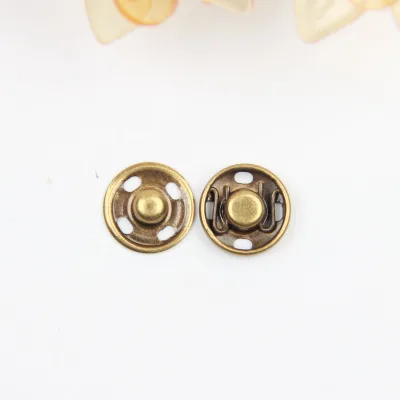
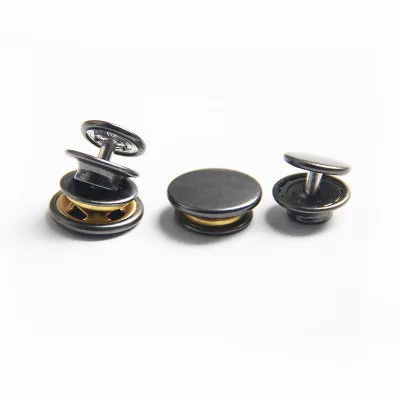


Eco-Friendly Competitive Price Dark Color Embossed Letters Logo Snap Button
$0.03 - $0.13
MOQ: 5000 Pieces

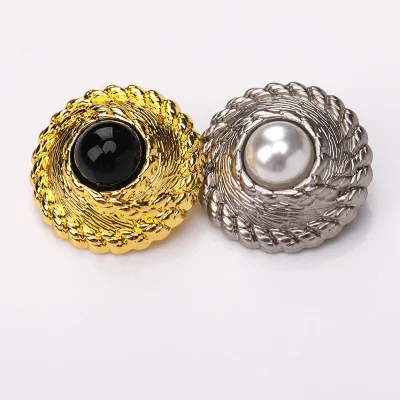


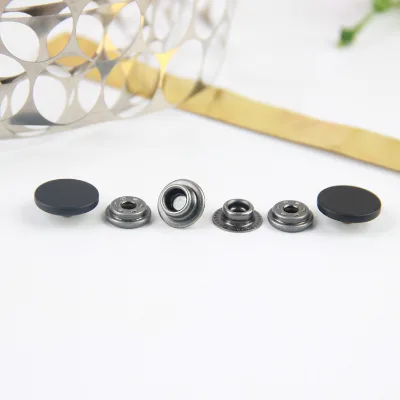
Comprehensive Sourcing Guide
Strategic Sourcing Guide for Eco-Friendly Plated Metal Buttons
Understanding Material Composition and Plating Variations
When sourcing eco-friendly plated metal buttons, the primary distinction lies in the base material and the plating process used to achieve the desired aesthetic and durability. The product data indicates a diverse market where buttons are constructed from both plastic and metal. For buyers specifically targeting "plated metal," it is essential to verify that the core material is indeed metal, as some listings may conflate plastic components with metal finishes. The observed data confirms the existence of metal-based options alongside plastic alternatives, requiring precise filtering during the supplier selection phase.
The plating process is critical for the "eco-friendly" claim. While specific certification standards like OEKO-TEX or REACH are mentioned in background contexts, they should not be assumed as present without direct verification from the supplier. Buyers must request detailed technical sheets that specify the plating metal (e.g., nickel, zinc, copper) and the thickness of the coating. The absence of explicit test results in the provided data means that the buyer cannot rely on general market assumptions. Instead, the procurement strategy must focus on asking suppliers for their specific plating composition and waste management protocols. The "Eco-Friendly" attribute observed in the product list suggests that some manufacturers are adopting greener processes, but this is an observation rather than a universal guarantee. Therefore, the first step in sourcing is to define the exact plating requirements that align with the buyer's sustainability goals, ensuring the supplier can provide evidence of low-impact manufacturing.
Technical Specifications and Design Customization
Technical specifications for metal buttons vary significantly based on the intended application, ranging from heavy-duty outerwear to delicate accessories. The data reveals a wide array of product models, such as NCH0060, NCH0138, and the 6113 series, each potentially offering different structural characteristics. A key technical variable is the button type. The observed market includes "4-Hole Buttons," "Prong Buttons," and "2-Hole Buttons," as well as "Snap Buttons." Each type serves a distinct functional purpose; for instance, prong buttons are often preferred for denim and heavy jackets, while snap buttons offer a quick-release mechanism for bags and toys.
Customization is a significant factor in the sourcing process. The product attributes indicate that "Customization" is available, allowing buyers to tailor the button's appearance to their brand identity. This includes options for shape, with "Round" being a primary observation, though "Round/Other" shapes are also noted. The "Element" attribute highlights "Fashion" as a driving force, suggesting that aesthetic trends heavily influence design choices. Furthermore, the "Adjustable" attribute shows a split between "Adjustable" and "Non Adjustable" options, which is crucial for functional garments like trousers or jackets where fit is paramount.
Buyers should also pay close attention to the "Decoration" and "Color" attributes. The data lists "Monocolor" and "Color Matching" options, alongside specific decorative patterns like "Stripes" for resin buttons. While the focus is on metal, the presence of resin and other materials in the dataset underscores the need to verify the exact material composition of the final product. The "Size" specifications vary from "Many" to specific measurements like "15mm, 20mm, 21mm." When sourcing, buyers must establish a clear size matrix to ensure compatibility with their garment patterns. The "Standard" dimensions, such as "252524," provide a reference point, but buyers should verify if these are universal or specific to certain models.
Compliance, Certification, and Environmental Verification
The "eco-friendly" designation in the B2B market is often a subject of scrutiny. While the product list mentions "Eco-Friendly" as a feature and references standards like "SGS," the specific environmental certifications such as OEKO-TEX or REACH are listed as low-confidence background information. This distinction is vital for procurement professionals. It means that while a supplier may claim their products are eco-friendly, the buyer cannot assume they hold specific third-party certifications without direct proof.
To mitigate risk, buyers must implement a rigorous verification process. The presence of the "SGS" standard in the data suggests that some suppliers utilize third-party testing for quality and potentially safety. However, for environmental compliance, the buyer should explicitly request certificates of analysis (CoA) and test reports that confirm the absence of hazardous substances like lead, cadmium, or phthalates in the plating and base metal. The "7_days_sample_order_lead_time" attribute indicates that suppliers are generally responsive to sample requests, which is an opportunity to test the physical product for compliance before committing to a large order.
Buyers should also inquire about the supplier's manufacturing location and origin. The data points to origins in "Ningbo," "China," and "Zhejiang, China." While these are major manufacturing hubs, the specific environmental regulations and enforcement in these regions can vary. The procurement strategy should include a clause in the contract that mandates adherence to the buyer's specific environmental standards, regardless of the supplier's location. This ensures that the "eco-friendly" claim is backed by contractual obligation rather than marketing language.
Cost Drivers and Pricing Dynamics
Understanding the cost structure of plated metal buttons is essential for budgeting and negotiation. The observed price range in the data is 0-4.12 USD, which represents a broad spectrum likely influenced by factors such as material quality, plating thickness, and order volume. The "MOQ" (Minimum Order Quantity) ranges from 1 to 72,000 units, indicating a highly flexible market that accommodates both small startups and large-scale manufacturers.
Several factors drive the cost of these buttons. First, the raw material cost of the metal and the plating agent fluctuates with global commodity markets. Second, the complexity of the plating process and the "Eco-Friendly" nature of the production can add to the unit cost if the supplier is using more expensive, non-toxic chemicals. Third, customization costs, such as specific shapes, colors, or packaging requirements, will increase the price. The "prod_packing" attributes, ranging from "PP Bag & Carton" to "2000PCS/Polybag" and "International Express," also impact the final landed cost.
Buyers should be aware that the lowest price point in the observed range may not reflect the quality or compliance standards required for high-end fashion or eco-conscious brands. The "Stock" attribute indicates that some items are "Not Stock," meaning they are made-to-order, which can affect lead times and pricing. Negotiation strategies should focus on volume discounts, as the high-end MOQ of 72,000 suggests significant economies of scale. However, for buyers with lower volume needs, the ability to order as few as 1 unit allows for prototyping without excessive financial commitment.
Typical Applications and Usage Scenarios
The versatility of metal buttons is evident in the diverse usage scenarios listed in the product data. The "Usage" attribute includes "Jacket," "Trousers," "Sweater," "Bags," "Shoes," "Toys," and "Hat." This wide range indicates that plated metal buttons are not limited to a single garment type but are integral to various apparel and accessory categories.
For outerwear like jackets and trousers, durability is paramount. The "4-Hole Button" and "Prong Button" types are particularly suitable for these applications due to their secure attachment methods. The "Adjustable" feature is also relevant here, allowing for fit customization in trousers or jackets. In the case of bags and hats, the aesthetic appeal of the "Fashion" element and the "Monocolor" or "Color Matching" options become more critical. The "Stripes" decoration mentioned for resin buttons suggests that decorative elements are highly valued in these categories.
The inclusion of "Shoes" and "Toys" in the usage list highlights the need for safety and durability. For toys, the buttons must be securely attached to prevent choking hazards, and the materials must be non-toxic. The "Eco-Friendly" attribute is particularly important in this sector, as parents and regulators demand safe, sustainable materials. The "Snap Button" type is also noted, which is commonly used in children's clothing and bags for ease of use. Buyers should match the button type and material properties to the specific demands of the application, ensuring that the button can withstand the wear and tear associated with the product's lifecycle.
Supplier Evaluation and Quality Control Protocols
Selecting the right supplier requires a multi-faceted evaluation process that goes beyond price and lead time. The data shows that suppliers offer various packing options, including "Normal Packing or as Customer's Request," which indicates a willingness to collaborate on logistics. However, the "Stock: Not Stock" attribute suggests that many suppliers operate on a make-to-order basis, which requires careful planning to avoid delays.
Quality control is a critical component of the sourcing strategy. Buyers should verify the supplier's adherence to the "SGS" standard mentioned in the data, as this indicates a commitment to third-party testing. Additionally, the "7_days_sample_order_lead_time" is a positive indicator of supplier responsiveness and flexibility. Buyers should utilize this lead time to request samples that match their specific requirements for plating, color, and durability.
When evaluating suppliers, buyers should also consider the "prod_origin" and "prod_standard" attributes. While "China" and "Zhejiang" are common origins, the specific factory's quality management systems should be assessed. The "Standard" attribute listing "many" implies that suppliers may have varying internal standards, so buyers must define their own quality benchmarks. A robust quality control protocol should include pre-production samples, in-line inspections, and final random inspections (AQL) before shipment. The "Customization" availability also means that the supplier must have the technical capability to meet specific design requirements without compromising quality.
Long-Term Procurement and Supply Chain Resilience
Sourcing eco-friendly plated metal buttons is not just a one-time transaction but a long-term partnership that requires strategic planning. The "Adjustable" and "Non Adjustable" options, along with the variety of "Type" and "Shape," suggest that buyers need a flexible supply chain that can adapt to changing fashion trends and product lines. The "Element: Fashion" attribute reinforces the need for suppliers who can keep up with seasonal changes and design innovations.
Long-term considerations also include the stability of the supply chain. The "prod_packing" options, such as "International Express, Airfreight, by Sea," offer different shipping speeds and costs. Buyers should develop a logistics strategy that balances cost efficiency with the need for timely delivery, especially for seasonal collections. The "MOQ" range of 1 to 72,000 allows for a phased approach to procurement, starting with small orders for new designs and scaling up as demand grows.
Furthermore, the "Eco-Friendly" aspect requires ongoing communication with suppliers to ensure that their practices remain aligned with evolving environmental regulations. As sustainability standards tighten, buyers should maintain a dialogue with their suppliers to understand any changes in their manufacturing processes or material sourcing. The "feature: Eco-Friendly" observation suggests that this is a growing trend, and suppliers who invest in sustainable practices will likely become preferred partners in the long run. By building a relationship based on transparency, quality, and shared values, buyers can secure a reliable supply of high-quality, eco-friendly metal buttons that meet their brand's standards and customer expectations.
FAQs
What materials are used for Eco Friendly Plated Metal Buttons?
The buttons are constructed from metal or plastic, with metal options available for plating. Buyers must verify the specific material composition as listings may include plastic components alongside metal finishes.
Which button types are available for jackets and trousers?
Available types include 4-hole buttons, prong buttons, 2-hole buttons, and snap buttons. Prong and 4-hole types are often preferred for heavy outerwear like jackets and trousers due to their secure attachment.
Can I customize the shape and size of these buttons?
Customization is available for shape, with round being a primary option and other shapes possible. Sizes vary from many options to specific measurements like 15mm, 20mm, and 21mm depending on the model.
What is the minimum order quantity for these products?
The minimum order quantity ranges from 1 to 72,000 units depending on the supplier and product model. This flexibility allows both small startups and large manufacturers to source without excessive financial commitment.
How long does it take to receive samples for these buttons?
Suppliers support sample orders with a lead time of 7 days for sample requests. This allows buyers to test physical products for plating, color, and durability before committing to a large production order.
Where are these Eco Friendly Plated Metal Buttons manufactured?
Products originate from locations including Ningbo, China, and Zhejiang, China. Buyers should verify specific factory standards as environmental regulations and enforcement can vary across these major manufacturing hubs.
What packaging options are available for these metal buttons?
Packaging options include PP bags and cartons, polybags with 2000 pieces per bag, or international express shipping. Some suppliers offer normal packing or can accommodate customer-specific packaging requests.