Source eco-friendly play market stand for Kindergarten, Amusement Park, and School
Find 30 verified options for an eco-friendly play market stand designed for kindergarten, amusement parks, and schools. Buyers can compare materials, certifications, and customization features to select the right pretend role play equipment for their needs.
Key considerations
Products List


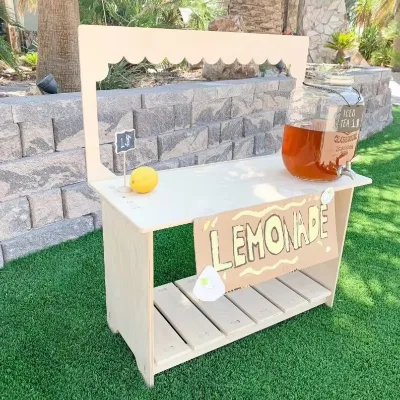
Wooden Kids Pretend Play Market Stand Role Play Grocery Shop Toy Preschool
$45.00 - $69.00
MOQ: 1 Pieces






Comprehensive Sourcing Guide
Eco-Friendly Play Market Stand Sourcing Guide
Sourcing eco-friendly play market stands requires a strategic balance between aesthetic appeal, structural integrity, and rigorous safety compliance. These units serve as interactive hubs in commercial play areas, kindergartens, and outdoor parks, designed to engage children through pretend role-play scenarios such as shopping or community interaction. The procurement process must prioritize materials that are not only visually attractive but also non-toxic and durable enough to withstand high-traffic usage. Buyers must navigate a landscape where "eco-friendly" is a marketing term that requires verification through specific material certifications and manufacturing practices.
The market offers a diverse range of configurations, from small indoor wooden structures to large-scale outdoor play equipment sets. Observations indicate that suppliers often provide customization options for logos, colors, and dimensions, allowing brands to align the stands with their specific thematic requirements. However, this flexibility introduces complexity in quality control, as each customized order may have unique structural and finish requirements. Procurement teams must establish clear specifications early in the sourcing process to ensure that the final product meets both functional needs and regulatory standards across different target markets.
Product Scope and Observed Listing Signals
The observed product landscape for eco-friendly play market stands includes a variety of wooden structures, ranging from small-scale pretend play houses to large outdoor play equipment sets. Materials commonly cited include pine, beech, plywood, solid wood, and MDF, with many suppliers emphasizing the use of natural wood to support their eco-friendly claims. The product scope extends to various styles, including European & American designs and modern aesthetics, catering to different interior and exterior design themes. Buyers should note that while some products are labeled as "pure wooden toys," others may incorporate composite materials like MDF, which requires careful evaluation of adhesive safety and environmental impact.
Listing signals reveal significant variability in product specifications, including size, model numbers, and packaging methods. For instance, some units are specified with precise dimensions such as 59 x 31.5 x 90 cm, while others offer fully customized sizing to fit specific spatial constraints. Packaging ranges from simple paper cartons to export-standard cartons, indicating different levels of protection during transit. Additionally, features such as eco-friendliness, non-toxicity, and durability are frequently highlighted, but these attributes must be validated through documentation rather than accepted at face value. The presence of OEM/ODM services suggests that many suppliers are equipped to handle custom branding and design modifications, which is crucial for businesses seeking unique market differentiation.
Technical Specifications to Verify
Verifying technical specifications is critical to ensuring the longevity and safety of play market stands. Buyers must confirm the exact material composition, distinguishing between solid wood, engineered wood products like MDF, and composite materials. The choice of material directly impacts the unit's durability, weight, and resistance to environmental factors, especially for outdoor installations. For example, pine and beech are known for their strength and natural aesthetic, while MDF offers smooth surfaces for painting but may require additional sealing to prevent moisture damage. Suppliers should provide detailed material breakdowns to allow for accurate assessment of structural integrity and environmental compliance.
Dimensional accuracy and assembly requirements are another key area of verification. Some products are designed as undisassembly units, which simplifies installation but complicates shipping and storage, while others may require assembly on-site. Buyers should request detailed assembly instructions and verify that all necessary hardware and tools are included. Additionally, the finish and coating materials must be examined to ensure they are non-toxic and resistant to wear and tear. Features such as easy assembly and durability are often claimed, but these should be supported by technical data sheets or third-party testing results to confirm their validity.
Compliance and Safety Documentation
Compliance with international safety standards is non-negotiable for play market stands, particularly those intended for children under three years of age or older. Key certifications to verify include ASTM F963-96a, EN71, and CE, which indicate adherence to specific safety requirements for toys and play equipment. These standards cover aspects such as mechanical and physical properties, flammability, and chemical composition, ensuring that the products are safe for their intended use. Buyers must request valid certification documents from suppliers and verify their authenticity through recognized testing laboratories.
In addition to product-specific certifications, buyers should inquire about the manufacturing standards and quality control processes employed by the supplier. Documentation should include test reports for heavy metals, formaldehyde emissions, and other potentially harmful substances, especially for products using engineered wood or adhesives. For outdoor units, additional considerations may include UV resistance and weatherproofing, which should be documented in the product specifications. Ensuring that all compliance documentation is up-to-date and applicable to the target market is essential to avoid legal liabilities and ensure the safety of end-users.
Cost Drivers and Commercial Terms
Cost drivers for eco-friendly play market stands include material selection, customization level, and order volume. Solid wood and premium finishes typically command higher prices due to their superior quality and environmental credentials, while MDF and composite materials may offer cost savings but require careful evaluation of safety and durability. Customization options, such as logo printing, color matching, and dimensional adjustments, can significantly impact the final cost, as they often involve additional setup fees and longer lead times. Buyers should negotiate clear pricing structures that account for these variables to avoid unexpected expenses.
Commercial terms, including MOQ (Minimum Order Quantity) and payment terms, vary widely among suppliers. Observed MOQ ranges from 1 to 1000 units, allowing for flexibility in order sizes, but higher volumes may yield better unit prices. Payment terms should be structured to protect the buyer's interests, with options such as partial upfront payment and balance upon shipment or inspection. Lead times are another critical factor, as customized orders may require longer production periods. Buyers should establish clear timelines and penalties for delays to ensure timely delivery and project completion.
Supplier Qualification and Quality Control
Supplier qualification is a foundational step in the sourcing process, requiring a thorough assessment of the manufacturer's capabilities and reputation. Buyers should verify the supplier's experience in producing wooden play equipment and their adherence to quality management systems. Requesting references from previous clients and conducting site visits, if possible, can provide valuable insights into the supplier's production processes and quality control measures. Additionally, suppliers should demonstrate a commitment to sustainable practices, such as responsible sourcing of wood and efficient waste management, to align with the eco-friendly positioning of the products.
Quality control procedures must be clearly defined and enforced throughout the production process. Buyers should establish a comprehensive inspection plan that includes pre-production, during-production, and pre-shipment inspections. Key checkpoints should include material verification, dimensional accuracy, finish quality, and safety feature functionality. For customized orders, approval of prototypes or samples is essential to ensure that the final product meets the specified requirements. Establishing a clear communication channel with the supplier for addressing any quality issues promptly is crucial to maintaining product integrity and customer satisfaction.
Long-Term Procurement Checks
Long-term procurement success depends on continuous monitoring of supplier performance and product quality. Buyers should implement a regular review process to assess supplier reliability, including on-time delivery rates, defect rates, and responsiveness to issues. Feedback from end-users and field performance data can provide valuable insights into the durability and safety of the play market stands in real-world conditions. This information should be used to refine specifications and negotiate improvements with suppliers, ensuring that the products remain competitive and compliant with evolving standards.
Additionally, buyers should stay informed about changes in regulatory requirements and market trends related to eco-friendly play equipment. This includes updates to safety standards, new material innovations, and shifting consumer preferences for sustainable products. Maintaining a diversified supplier base can mitigate risks associated with single-source dependencies and provide flexibility in responding to market changes. By fostering strong, collaborative relationships with suppliers and prioritizing quality and compliance, buyers can ensure the long-term success and sustainability of their eco-friendly play market stand offerings.
FAQs
What certifications do eco-friendly play market stands have?
These products typically hold ASTM F963-96a, EN71, and CE certifications to ensure safety. The materials used are often pine, beech, or plywood, which are non-toxic and eco-friendly for children under three years old.
Can I customize the logo and size of the wooden stand?
Yes, customization is available for logos, sizes, and styles to meet specific needs. Manufacturers offer OEM and ODM services, allowing buyers to request specific dimensions like 59 x 31.5 x 90 cm or unique house shapes.
Which materials are used for these educational wooden toys?
The main materials include pine, beech, plywood, solid wood, and MDF. These natural materials ensure the products are durable, safe, and suitable for pretend role play in kindergarten or pre-school settings.
How are these play equipment sets packaged for shipping?
Products are packed in export standard cartons, outer cartons, or color boxes depending on the model. This packaging ensures safety during transit while maintaining the condition of the new, undisassembly wooden structures.
What is the minimum order quantity for these wooden toys?
The minimum order quantity ranges from 1 to 1000 units based on the specific supplier and product model. Buyers can find options with flexible MOQs to suit different business scales and budget requirements.
Where are these eco-friendly play stands manufactured?
Most products originate from China, specifically from regions like Zhejiang. Suppliers in these locations specialize in producing modern outdoor kids play area equipment sets with European and American styles.