Source eco-friendly poplar plywood for Hotel, Villa, and Office
Compare 30 listings of eco-friendly poplar plywood with varying thicknesses and formaldehyde emission standards. Buyers can evaluate options for hotel, villa, and office building applications based on grade and surface finishing; compare the available evidence and request quotations based on your requirements.
Updated
Key considerations
Products List
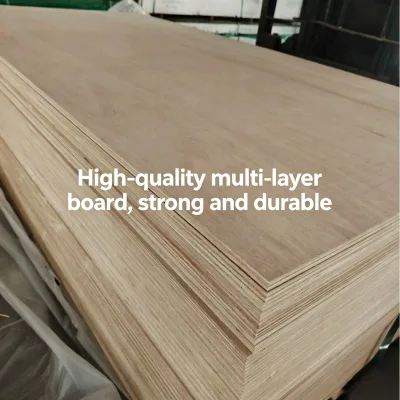
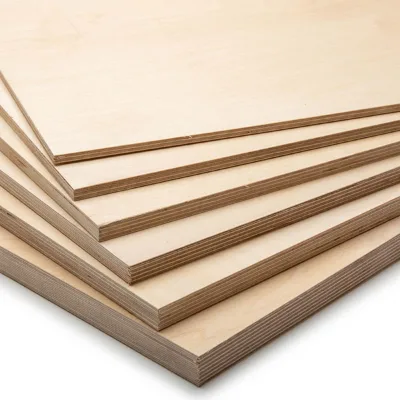
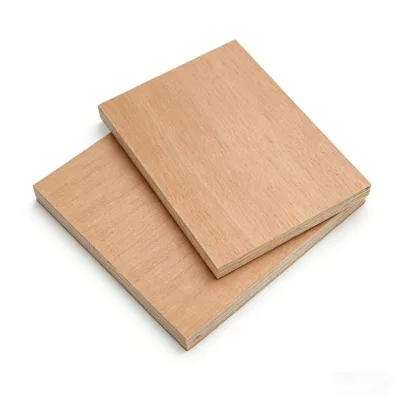
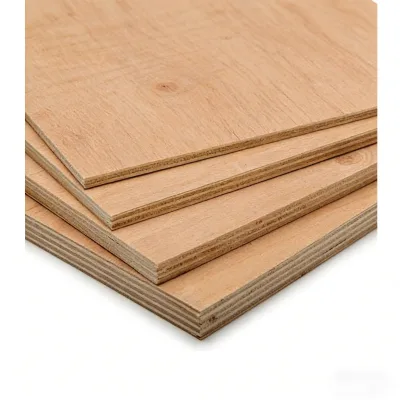
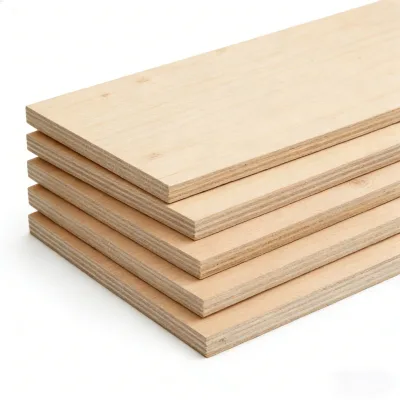
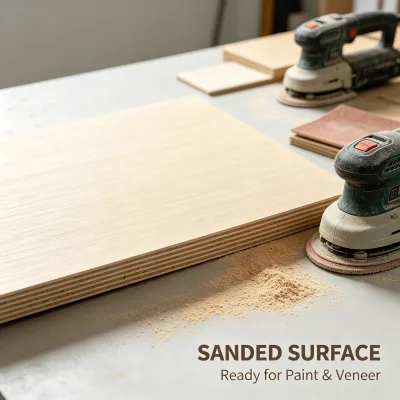


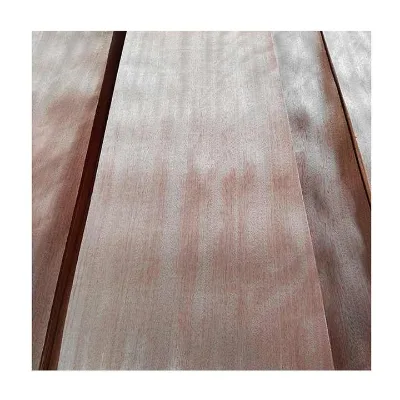
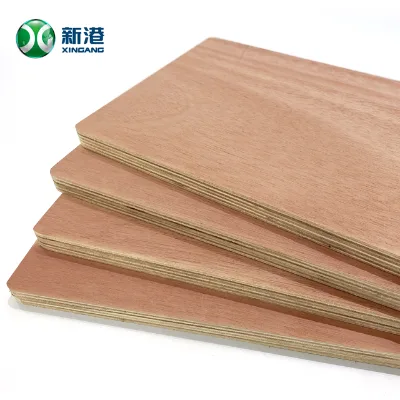
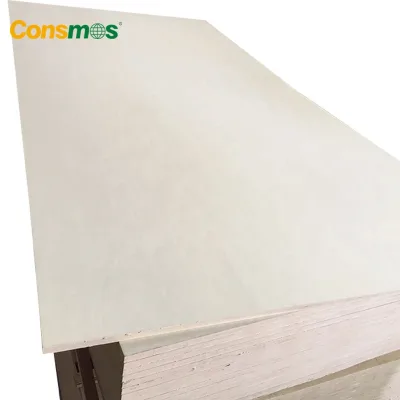
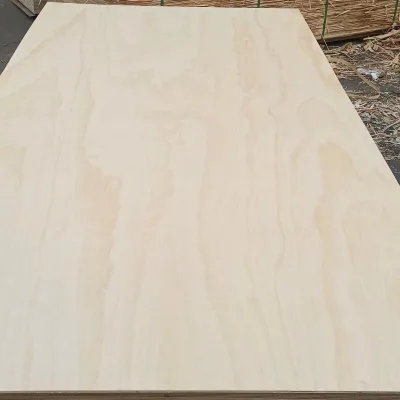
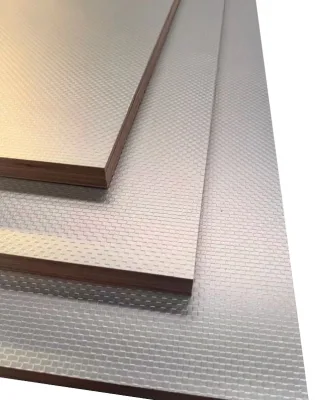
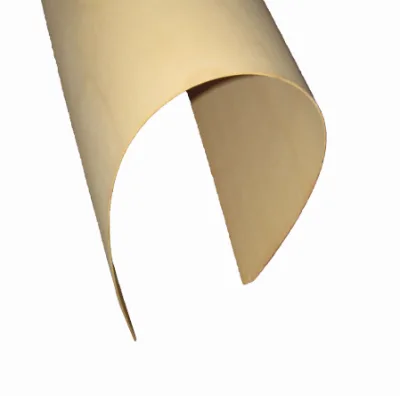
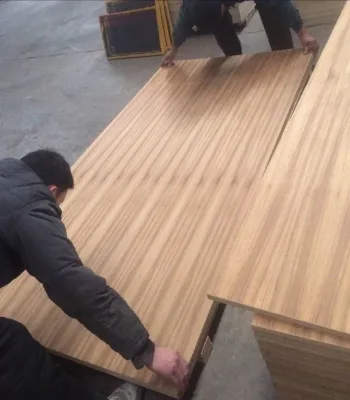

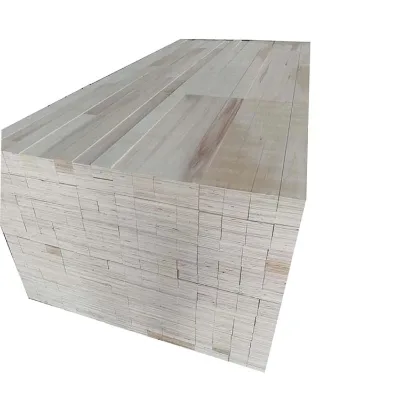
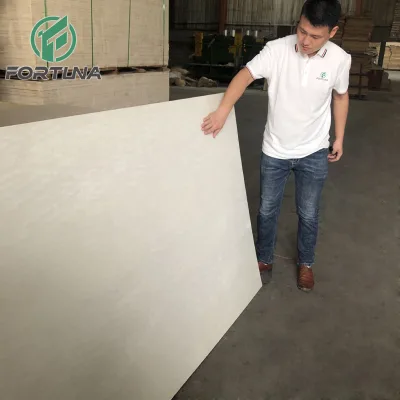
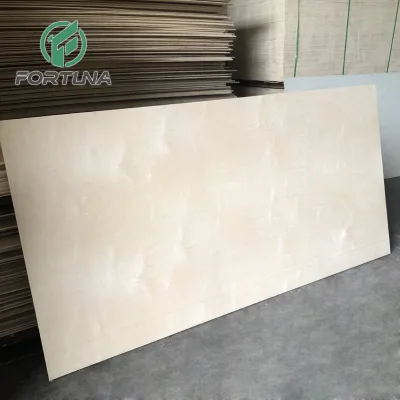
1220*2440mm Bleached Poplar Plywood for Furniture Manufacturer Plywood Sheet
$3.6787 - $11.8767
MOQ: 20 pieces
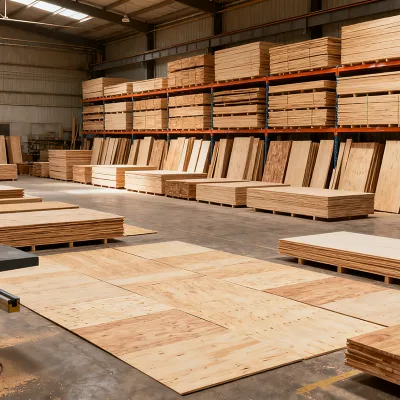
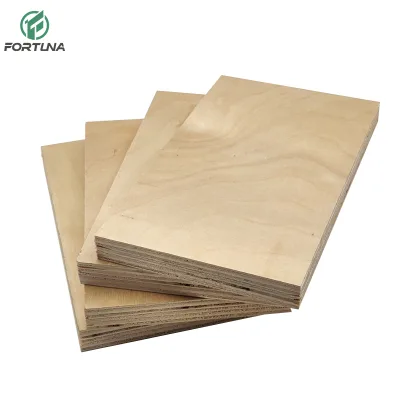

Eco-Friendly Commercial Plywood with Thickness Tolerance of +/-0.2mm
$4.14 - $41.40
MOQ: 50 Single sheet

Eco-Friendly Commercial Plywood with Precision Thickness and Moisture Management
$4.14 - $41.40
MOQ: 50 Single sheet

Eco-Friendly Commercial Plywood with Moisture Control and Thickness Precision
$4.14 - $41.40
MOQ: 50 Single sheet
Comprehensive Sourcing Guide
Eco-Friendly Poplar Plywood Sourcing Guide
Sourcing eco-friendly poplar plywood requires a disciplined approach to verifying material composition and environmental claims. Buyers must distinguish between marketing terminology and verifiable product attributes, particularly when evaluating core materials and veneer types. The observed market data indicates a strong presence of products originating from Henan and Linyi in China, with suppliers frequently highlighting birch and poplar as primary components. This geographic concentration suggests a mature supply chain, yet it also necessitates rigorous due diligence to ensure that the "eco-friendly" designation aligns with actual formaldehyde emission standards and sustainable forestry practices. Procurement teams should prioritize suppliers who provide transparent documentation regarding their core material sources and bonding agents.
Commercial listings reveal a wide variance in product specifications, ranging from 4mm to 21mm thicknesses, which directly impacts application suitability and cost efficiency. Buyers often encounter conflicting information regarding ply counts, with some items listed as 3-ply boards while others specify 13-ply constructions. This discrepancy highlights the importance of verifying the exact structural integrity required for the intended project, whether it involves furniture manufacturing, formwork, or interior decoration. Understanding these technical nuances prevents costly mismatches between ordered specifications and delivered goods, ensuring that the purchased plywood meets the mechanical and aesthetic demands of the final application.
Product Scope and Observed Listing Signals
The current market landscape for eco-friendly poplar plywood features a diverse array of product types, including decorative boards, formwork panels, and general-purpose construction materials. Listings frequently emphasize attributes such as water resistance, fire resistance, and modern design aesthetics, catering to sectors like hotel, villa, and office building construction. Buyers should note that while many products claim high-quality finishes, the surface treatment varies significantly, with some items described as having one-sided decoration and others listed as unfinished. This variation requires careful alignment with the end-use requirements, as decorative veneers may not be suitable for structural formwork applications that demand durability over appearance.
Observed listing signals also highlight the availability of customization options, allowing buyers to tailor dimensions and specifications to specific project needs. The presence of project solution capabilities, such as graphic design and 3D model design, suggests that some suppliers offer value-added services beyond simple material supply. However, buyers must verify whether these services are included in the base price or constitute additional charges. Additionally, the mention of various veneer materials, including hardwood and poplar, indicates that the visual and structural properties of the final product can differ substantially. Procurement teams should request physical samples to assess the quality of the veneer and the consistency of the core material before committing to large orders.
Technical Specifications to Verify
Verifying technical specifications is critical to ensuring that the purchased plywood meets the required performance standards. Buyers must confirm the exact thickness, with observed ranges spanning from 4mm to 21mm, and ensure that the tolerance levels are clearly defined in the purchase agreement. The number of plies is another crucial factor, as products are listed with varying ply counts, such as 3-ply or 13-ply configurations. These structural differences directly influence the panel's strength, stability, and suitability for specific applications. Procurement teams should request detailed technical datasheets that specify the core material composition, veneer grade, and bonding strength to avoid discrepancies between ordered and delivered goods.
Formaldehyde emission standards are a key technical parameter, with observed listings citing E0 and ENF grade classifications. Buyers must verify which standard applies to the specific product batch, as these designations indicate different levels of environmental safety. Additionally, the type of glue used, such as WBP (Water Boil Proof), affects the panel's durability and resistance to moisture. It is essential to confirm whether the product is suitable for indoor or outdoor use, as some listings specify outdoor applications while others focus on interior decoration. Buyers should also check the panel grade, such as A2, to ensure that the surface quality meets the aesthetic requirements of the project.
Compliance and Safety Documentation
Compliance with environmental and safety standards is paramount when sourcing eco-friendly poplar plywood. Buyers must request documentation that verifies the formaldehyde emission levels, ensuring that the product meets the required E0 or ENF standards for indoor use. This documentation should include test reports from accredited laboratories, providing objective evidence of the product's environmental performance. Additionally, buyers should inquire about any relevant certifications, such as FSC, which indicate sustainable forestry practices. While some listings mention FSC, buyers must verify the validity and scope of these certifications to ensure they apply to the specific product being purchased.
Safety documentation also includes information on the product's fire resistance and water resistance properties. Buyers should request test results that demonstrate the panel's performance under standard fire safety conditions, particularly for applications in hotels, offices, and other public buildings. Water resistance is another critical factor, especially for products used in formwork or outdoor applications. Procurement teams should ensure that the supplier provides clear guidelines on the product's limitations and recommended usage conditions. This proactive approach helps mitigate risks associated with product failure and ensures that the purchased plywood meets all regulatory and safety requirements.
Cost Drivers and Commercial Terms
Cost drivers for eco-friendly poplar plywood include the core material quality, veneer type, thickness, and the complexity of the manufacturing process. Buyers should expect price variations based on these factors, with observed ranges spanning from $2.1 to $450 per unit. The minimum order quantity (MOQ) also plays a significant role in pricing, with observed ranges from 1 to 5000 units. Larger orders typically benefit from economies of scale, but buyers must balance cost savings with inventory holding costs and project timelines. Understanding these cost drivers allows procurement teams to negotiate more effectively and secure favorable commercial terms.
Commercial terms such as payment methods, delivery schedules, and warranty conditions are essential components of the procurement process. Buyers should clarify the warranty period, with observed listings offering a 1-year warranty, and understand the scope of coverage for defects or damages. After-sale services, including online technical support and return and replacement policies, provide additional protection for the buyer. It is also important to confirm the packaging method, with standard export pallet packages being common, to ensure that the product arrives in good condition. Clear communication of these terms helps prevent disputes and ensures a smooth transaction process.
Supplier Qualification and Quality Control
Supplier qualification is a critical step in the sourcing process, requiring a thorough assessment of the supplier's capabilities and reputation. Buyers should verify the supplier's place of origin, with many listings indicating Henan or Linyi in China, and assess their production capacity and quality control systems. Requesting references from previous clients and conducting site visits, if possible, can provide valuable insights into the supplier's operational standards. Additionally, buyers should evaluate the supplier's ability to provide customization services, such as specific dimensions or veneer types, to meet unique project requirements.
Quality control measures should be clearly defined in the purchase agreement, including inspection protocols and acceptance criteria. Buyers should specify the required panel grade, such as A2, and the acceptable tolerance levels for thickness and dimensions. It is also important to establish a process for handling non-conforming goods, including return and replacement procedures. Regular communication with the supplier during the production process can help identify and address potential issues early. By implementing robust quality control measures, buyers can ensure that the delivered plywood meets the specified standards and performs as expected in the final application.
Long-Term Procurement Checks
Long-term procurement checks involve continuous monitoring of supplier performance and product quality to ensure sustained compliance and value. Buyers should establish key performance indicators (KPIs) to track metrics such as on-time delivery, defect rates, and responsiveness to issues. Regular audits of the supplier's quality control systems and production processes can help identify areas for improvement and ensure ongoing compliance with environmental and safety standards. Additionally, buyers should stay informed about changes in regulations and market trends that may impact the sourcing strategy for eco-friendly poplar plywood.
Building a strong relationship with the supplier is essential for long-term success, fostering collaboration and mutual trust. Buyers should engage in regular reviews of the procurement process, identifying opportunities for optimization and cost reduction. Providing feedback to the supplier on product performance and quality can help drive continuous improvement. Furthermore, buyers should diversify their supplier base to mitigate risks associated with supply chain disruptions. By maintaining a proactive and strategic approach to procurement, buyers can secure a reliable supply of high-quality eco-friendly poplar plywood for their projects.
FAQs
What is the formaldehyde emission standard for this plywood?
The product meets the E0 formaldehyde emission standard, ensuring low toxicity and safety for indoor applications. This grade is suitable for home decoration boards and furniture manufacturing. The material is classified as eco-friendly and features water-resistant properties, making it a reliable choice for modern design projects requiring strict environmental compliance.
Can I customize the thickness and dimensions of the boards?
Yes, customization is available for various thicknesses including 4mm, 12mm, 15mm, 18mm, and 21mm. The standard model number is 2440*1220*4, but specific requirements can be adjusted. This flexibility supports diverse applications such as hotel interiors, villas, and office buildings, allowing buyers to select the exact specifications needed for their construction or furniture projects.
What is the minimum order quantity for these plywood boards?
The minimum order quantity ranges from 1 to 5000 units depending on the specific product variant and supplier terms. Buyers can purchase single items or bulk quantities for large-scale projects. This flexible MOQ structure accommodates both small renovation needs and large commercial construction requirements, ensuring accessibility for various business sizes and project scales.
What after-sale services are provided for this plywood product?
The supplier offers online technical support along with return and replacement services. This ensures that buyers receive assistance with installation or usage issues. The warranty period is one year, providing additional security for the purchase. These services are designed to support customers throughout the product lifecycle, ensuring satisfaction and resolving any potential concerns efficiently.
Which applications are suitable for this eco-friendly plywood?
This plywood is suitable for furniture, formwork, hotels, villas, apartments, and office buildings. It features a modern design style and is made from birch or poplar veneer. The material is both eco-friendly and fire-resistant, making it ideal for interior decoration and structural applications where safety and aesthetic appeal are prioritized in commercial and residential settings.
What is the origin and brand of this plywood?
The product originates from Henan, China, and is branded as HUAYI. It is classified as a first-class grade product with high-quality attributes. The place of origin indicates the manufacturing region, while the brand name ensures traceability and quality assurance. This information helps buyers verify the source and reliability of the supplied materials for their projects.