Source eco-friendly puff printing skirt set for fashion, business, and daily wear
Find 30 options for the eco-friendly puff printing skirt set, featuring regular fit designs in blue with long sleeves. Compare specifications including polyester materials, full-length cuts, and various model numbers to identify suitable suppliers for seasonal apparel needs.
Key considerations
Products List
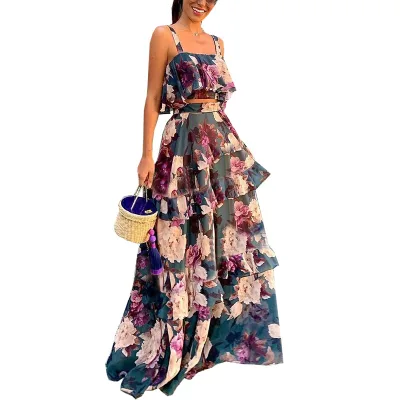


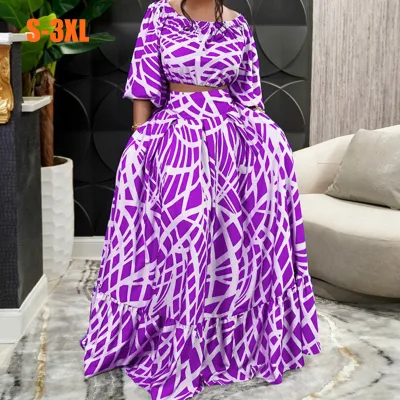
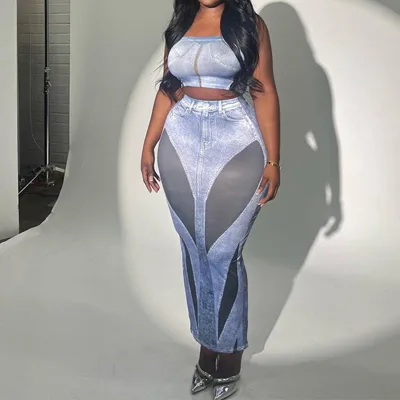


Stylish Yellow and White Contrast Color Crochet Knit Cardigan and Skirt Set
$11.95 - $12.45
MOQ: 200 Sets


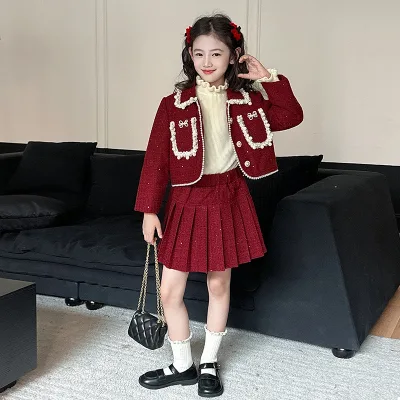


Comprehensive Sourcing Guide
Eco-Friendly Puff Printing Skirt Set Sourcing Guide
Sourcing a coordinated two-piece outfit that combines aesthetic appeal with sustainable manufacturing practices requires a disciplined approach to supplier verification and material specification. The term "eco-friendly puff printing skirt set" suggests a garment constructed from a matching top and skirt, likely featuring raised, textured graphic applications known as puff printing, while adhering to environmental standards. Buyers must navigate the distinction between marketing terminology and verifiable supply chain data, ensuring that the "eco-friendly" designation is backed by tangible certifications rather than vague claims. This guide provides a structured framework for evaluating potential suppliers, verifying technical attributes, and establishing commercial terms that protect your brand’s integrity and bottom line.
The procurement process for such specialized apparel hinges on the ability to distinguish between generic fast-fashion listings and suppliers capable of delivering consistent quality and ethical production. While the market offers a wide array of matching sets, the specific combination of puff printing techniques and eco-conscious materials narrows the field to manufacturers with specialized capabilities. This guide focuses on the critical decision points for buyers, including the verification of fabric composition, the assessment of printing durability, and the validation of supply chain transparency. By adhering to the evidence-based criteria outlined below, buyers can mitigate risks associated with quality inconsistencies and ensure that the final product aligns with both consumer expectations and corporate sustainability goals.
Product Scope and Observed Listing Signals
The observed market data indicates a diverse range of two-piece women’s sets, with product attributes varying significantly across different supplier listings. Common observations include the use of polyester and spandex blends, which offer stretch and durability, though the specific proportion of these materials can impact the garment’s breathability and environmental footprint. Listings frequently highlight features such as floral patterns, regular fit types, and full-length designs, catering to a broad demographic of female consumers. Buyers should note that while some suppliers claim "eco-friendly" attributes, the actual material composition often relies on synthetic fibers, necessitating a closer look at the specific fabric treatments and certifications to validate sustainability claims.
Supply type and minimum order quantities (MOQ) present another critical layer of complexity in the sourcing landscape. Data shows that some suppliers offer in-stock items with low MOQs, such as two pieces, facilitating rapid prototyping or small-batch testing. Conversely, other listings specify higher MOQs, such as 100 pieces, which may be necessary for securing better unit pricing or accessing specialized production lines. The presence of sample availability and short lead times, such as seven days for sample orders, suggests a responsive supply chain, but buyers must verify whether these terms apply to customized puff printing designs or only to standard stock items. Understanding these variations is essential for aligning procurement strategies with inventory management and cash flow requirements.
Technical Specifications to Verify
Verifying the technical specifications of the skirt set is paramount to ensuring product quality and consumer satisfaction. The fabric type, often listed as woven polyester or worsted blends, must be evaluated for its weight, drape, and resistance to pilling, especially given the "eco-friendly" positioning which often implies higher durability. Buyers should request detailed fabric swatches to assess the hand feel and visual appeal, paying close attention to the colorfastness and the integrity of the puff printing application. The printing technique itself requires scrutiny, as puff printing involves chemical agents that expand upon heating, and the quality of this effect can vary significantly based on the supplier’s expertise and the compatibility of the ink with the base fabric.
Size consistency and packaging details are equally critical technical aspects that impact logistics and customer experience. Standard size ranges, such as S to 2XL, should be cross-referenced with specific US size equivalents to ensure accurate sizing charts for end consumers. Additionally, the packaging method, whether individual OPP bags or bulk cartons, affects the product’s presentation and protection during transit. Buyers must confirm the single package dimensions and gross weight to calculate accurate shipping costs and storage requirements. It is also advisable to verify the care instructions, such as machine washability, to ensure that the puff printing and fabric maintain their integrity after repeated laundering, which is a key selling point for daily casual wear.
Compliance and Safety Documentation
The claim of "eco-friendly" production must be substantiated by recognized certifications and compliance documentation to avoid greenwashing allegations. While some background data mentions standards like GOTS or OEKO-TEX, buyers must independently verify the current status of these certifications for the specific supplier and product line. These certifications provide assurance that the materials are sourced responsibly and that the manufacturing process adheres to strict environmental and social criteria. Without verifiable documentation, the "eco-friendly" label remains a marketing assertion rather than a proven attribute, potentially exposing the buyer to reputational risk and regulatory scrutiny in markets with stringent sustainability regulations.
Safety and chemical compliance are equally important, particularly when dealing with printed garments that involve chemical inks and treatments. Buyers should request test reports from accredited laboratories to confirm that the products meet relevant safety standards for harmful substances, such as heavy metals or formaldehyde. The presence of SGS certification, as noted in some listings, is a positive indicator, but it is essential to ensure that the tests cover the specific components of the garment, including the fabric, dyes, and puff printing materials. Establishing a clear requirement for comprehensive safety documentation in the purchase agreement ensures that the supplier is accountable for the product’s compliance throughout the production process.
Cost Drivers and Commercial Terms
Understanding the cost drivers behind eco-friendly puff printing skirt sets is crucial for accurate budgeting and margin analysis. The primary cost factors include the raw material prices, which fluctuate based on the type and quality of polyester or spandex used, as well as the complexity of the puff printing process, which requires specialized equipment and skilled labor. Additional costs may arise from the need for eco-certified materials, which often carry a premium, and the logistical expenses associated with smaller batch sizes or expedited production runs. Buyers should request detailed cost breakdowns to identify where value is added and to negotiate effectively on price without compromising on quality or ethical standards.
Commercial terms, including payment methods and lead times, play a significant role in the overall procurement strategy. Common payment options such as PayPal, T/T, Western Union, and Escrow offer varying levels of security and convenience, with Escrow providing an additional layer of protection for both parties. Lead times can vary widely, from seven days for samples to longer periods for bulk production, depending on the supplier’s capacity and the complexity of the order. Buyers should establish clear agreements on delivery schedules, penalty clauses for delays, and return policies for defective goods to mitigate financial risks and ensure a smooth transaction process.
Supplier Qualification and Quality Control
Supplier qualification is the foundation of a successful sourcing relationship, requiring a thorough assessment of the manufacturer’s capabilities and ethical practices. Buyers should conduct on-site or virtual audits to verify the supplier’s production facilities, quality control processes, and workforce conditions. The location of the supplier, often in regions like Zhejiang or Guangzhou in China, can provide insights into the local supply chain ecosystem and logistical advantages. However, geographic location alone is not a guarantee of quality, and buyers must rely on direct evidence of the supplier’s commitment to excellence and compliance with international standards.
Quality control measures must be integrated into every stage of the production process, from raw material inspection to final product packaging. Buyers should establish clear quality standards and inspection protocols, including the use of third-party inspection services for pre-shipment checks. These inspections should focus on critical aspects such as stitching quality, print alignment, fabric defects, and packaging accuracy. By implementing a robust quality control framework, buyers can minimize the risk of receiving substandard products and ensure that the final goods meet the expected specifications and customer expectations.
Long-Term Procurement Checks
Long-term procurement success depends on continuous monitoring and evaluation of supplier performance and market trends. Buyers should establish key performance indicators (KPIs) to track metrics such as on-time delivery rates, defect rates, and responsiveness to issues. Regular performance reviews with suppliers can help identify areas for improvement and foster a collaborative relationship focused on mutual growth. Additionally, staying informed about changes in sustainability regulations and consumer preferences is essential for adapting procurement strategies and maintaining a competitive edge in the market.
Building a resilient supply chain also involves diversifying suppliers and developing contingency plans for potential disruptions. Buyers should consider working with multiple suppliers to mitigate risks associated with single-source dependencies, such as production delays or quality inconsistencies. Furthermore, investing in long-term partnerships with suppliers who share a commitment to sustainability and quality can lead to better pricing, priority production slots, and innovative product development. By prioritizing these long-term checks, buyers can ensure the stability and scalability of their procurement operations, supporting sustained business growth and customer satisfaction.
FAQs
What material is used for the eco-friendly puff printing skirt set?
The set is made from Spandex and Polyester fabric. This woven material offers a regular fit and includes features like anti-pilling and eco-friendly properties suitable for daily casual wear.
Can I order a sample before placing a bulk order?
Yes, samples are available with a support lead time of 7 days. Each sample is packaged individually in an OPP bag, allowing you to verify the quality and printed design before committing to larger quantities.
What is the minimum order quantity for this women's set?
The minimum order quantity is 2 pieces for some listings, while others require 100 pieces. Buyers should verify the specific MOQ based on the selected model number and supplier capacity before proceeding.
Which sizes are available for the women's matching skirt and top set?
Sizes range from S to 2XL, covering US sizes 2 through 10. The full-length design fits a regular body type and is suitable for spring, summer, autumn, and winter seasons.
How is the product packaged for shipment?
Each item is packed in an OPP bag, with bulk cartons containing 50 pieces per box. The single package size is 10x9x10 cm, and the gross weight is 0.46 kg per unit.
Where is the place of origin for these fashion sets?
The products originate from Zhejiang, China, with some models listed from Guangzhou. These locations supply the woven fabric and printed designs for the women's two-piece sets.
What payment methods are accepted for this order?
Accepted payment methods include PayPal, T/T, Western Union, Escrow, and Moneygram. These options provide secure payment channels for international buyers sourcing the eco-friendly puff printing skirt sets.