Source eco-friendly purple clay bonsai pot for Home Gardening
Compare 30 listings of eco-friendly purple clay bonsai pot options from Chinese manufacturers. Buyers can review specifications, prices, and customization features for home gardening and decoration needs.
Key considerations
Products List


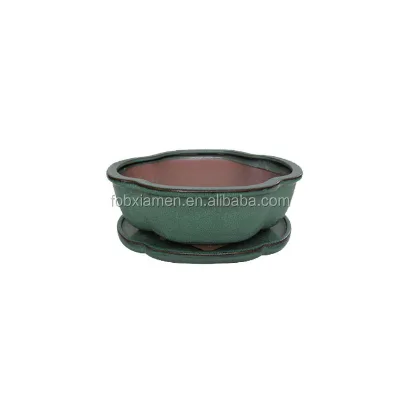
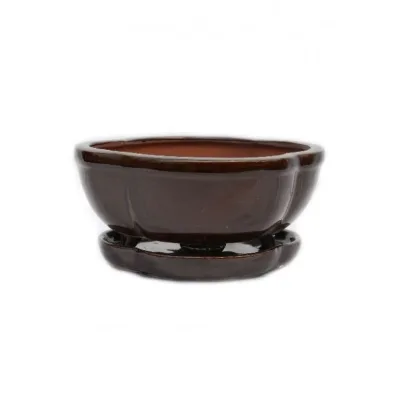


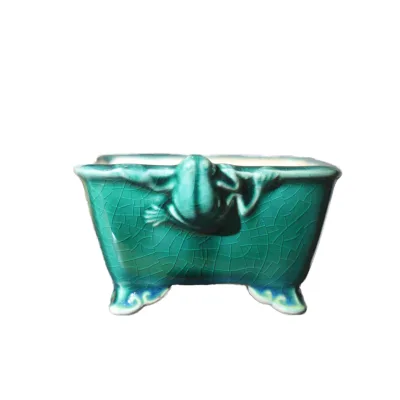
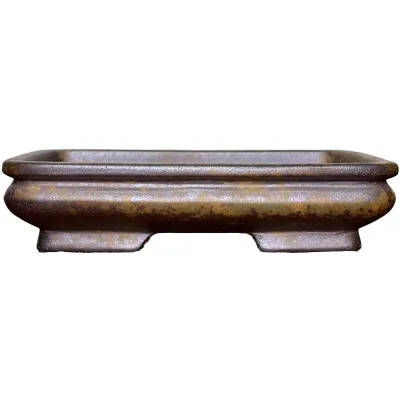
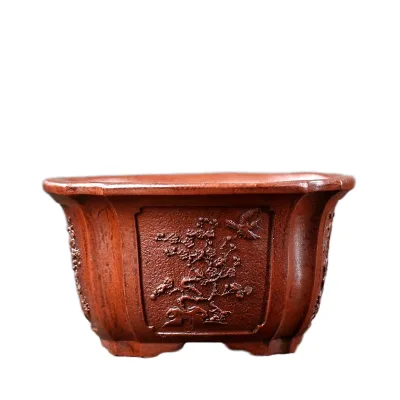


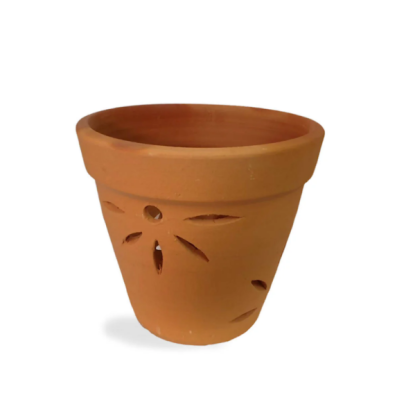
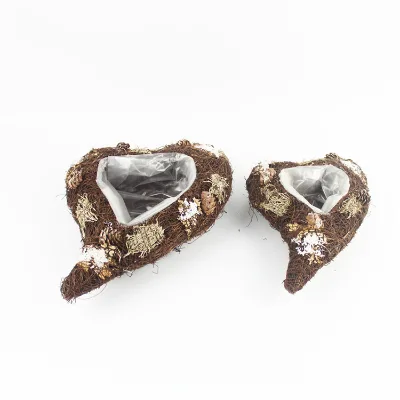


Comprehensive Sourcing Guide
Sourcing Guide for Eco-Friendly Purple Clay Bonsai Pots
When sourcing eco-friendly purple clay bonsai pots, buyers must navigate a landscape where material authenticity, manufacturing standards, and logistical feasibility intersect. The term "purple clay" often refers to Zisha or similar unglazed ceramic materials prized for their porosity and ability to regulate soil moisture. However, the available product data reveals a diverse inventory that includes terracotta, ceramic, and various color options such as yellow and red, alongside specific model numbers like 200733 and 210305. This guide synthesizes the observed product attributes with general procurement principles to help buyers identify suitable suppliers and products that align with the "eco-friendly" and "purple clay" intent, while acknowledging the reality of the current market data which includes a wide range of ceramic flowerpots.
Understanding Material Composition and Product Variations
The foundation of sourcing a high-quality bonsai pot lies in verifying the material composition. While the core keyword specifies "purple clay," the observed product data indicates a broader category of ceramic and terracotta flowerpots. For instance, specific entries list the material as "Terracotta" or "Ceramic," with colors ranging from yellow to red. True purple clay, often associated with Zisha, is a specific type of ceramic known for its unique mineral content. Buyers should treat the "Ceramic" and "Terracotta" labels in the data as observations of available stock rather than a guarantee of purple clay composition.
When evaluating potential suppliers, it is critical to distinguish between glazed and unglazed finishes. The data notes a "Matt" finish and explicitly states "Not Coated" for certain models. For bonsai cultivation, an unglazed, matte surface is often preferred as it allows for better root aeration and moisture evaporation, which is a key characteristic of eco-friendly clay pots. Buyers must verify if the "Ceramic" listed in the specifications refers to the specific purple clay variety or a standard ceramic body. The presence of models with dimensions such as 232323cm and 362513cm suggests a variety of sizes suitable for different bonsai stages, but the material consistency must be confirmed before purchase.
Technical Specifications and Dimensional Standards
Precision in sizing is vital for bonsai health, as the pot volume directly impacts root growth and water retention. The provided data lists specific standard dimensions for various models, such as 322213 and 251710 for one set, and 17.517.523 for another. Other models offer a range of sizes, including 444422 down to 252511. These measurements indicate that suppliers may offer multiple size tiers within a single product line.
Buyers should pay close attention to the "Bottom Hole" attribute, which is listed as "Yes" in the data. This is a non-negotiable technical requirement for bonsai pots to prevent waterlogging. The data also mentions "tray height: 4cm" for specific models, indicating that some units come with integrated drainage trays. When sourcing, verify if the tray is included in the standard packing or if it is an optional accessory. Furthermore, the "Shape" attribute varies between Rectangular, Square, and Round. For traditional bonsai aesthetics, round or square shapes are common, but rectangular pots are also available. The "Size" attribute is listed as both "Medium" and "Customized," suggesting that while standard sizes exist, custom dimensions may be an option for specific projects.
Compliance, Certification, and Eco-Friendly Verification
The term "eco-friendly" implies adherence to environmental standards regarding material sourcing and manufacturing processes. However, the supplied data does not list specific certifications, such as ISO 14001 or specific lead-free glaze certifications. Instead, it mentions a "prod_standard" which appears to be dimensional rather than a regulatory standard. Buyers must not assume that the "Not Coated" finish automatically equates to an eco-friendly certification without further verification.
To ensure compliance, buyers should request documentation regarding the clay source and the firing process. The data indicates the origin is "China," with a specific mention of "Fujian, China" for some models. Fujian is a known hub for ceramic production, but the specific eco-credentials of the clay used must be confirmed. Since the data does not provide test results or certification status, the buyer's responsibility is to ask for third-party lab reports confirming that the clay is free from heavy metals and that the manufacturing process minimizes carbon emissions. The "Supply Ability" of 500,000 pieces per month suggests a large-scale operation, which may or may not align with the "eco-friendly" ethos depending on their specific waste management and energy policies.
Cost Drivers and Pricing Structures
Pricing in the ceramic bonsai pot market is influenced by material quality, finishing techniques, and order volume. The observed price range in the data spans from 0.3 to 169 USD, a significant variance that likely reflects differences in size, complexity, and customization. The "MOQ" (Minimum Order Quantity) is listed as 1000pcs for some entries, while other data points suggest a range of 2 to 1000. This discrepancy highlights the importance of clarifying the MOQ with the supplier before negotiating.
The "Customization" attribute is marked as "Available," which is a key cost driver. Custom colors, such as the "Customized Color" noted in the data, or specific dimensions like the "Customized" size option, will likely increase the unit price and potentially the MOQ. The "Packing Details" vary from "safe packing" to "bulk packing," and the choice of packaging (e.g., polyfoam, bubble bag, carton) will impact the final landed cost. Buyers should note that "Carton or Without Packing" is an option, which could reduce costs but increases the risk of damage during transit. The "Transportation" method is listed as "by Sea," which is standard for bulk orders but requires careful calculation of freight costs and lead times.
Supplier Evaluation and Commercial Viability
Evaluating a supplier for bonsai pots requires looking beyond the basic product listing. The data mentions "Amoycrafts" as a brand name and "Fujian, China" as the place of origin. While this provides a geographical anchor, buyers should not rely solely on the brand name without verifying the supplier's capacity and reputation. The "Commercial Buyer" attribute lists "Gifts Stores," suggesting that the products are marketed towards retail and gifting markets, which may influence the design aesthetic towards "Folk Art" or "Modern" styles.
The "Style" attributes include "Chinese Style," "Modern," and "Folk Art." For a buyer seeking traditional purple clay pots, the "Chinese Style" and "Folk Art" options are most relevant. However, the presence of "Modern" styles indicates a broader product range. The "Holiday Selection" is listed as "Not Support," which simplifies the procurement timeline by removing seasonal production constraints. The "Port" is identified as "Xiamen," a major shipping hub in Fujian, which is advantageous for logistics. Buyers should verify the supplier's ability to handle the "All-Season" nature of the product, ensuring consistent supply regardless of seasonal demand fluctuations.
Quality Control and Inspection Protocols
Given the fragility of ceramic and terracotta products, quality control (QC) is paramount. The data indicates a "Matt" finish and "Not Coated" status, which are visual and tactile attributes that must be inspected. Buyers should establish a QC protocol that includes checking for cracks, chips, and consistency in the "Bottom Hole" diameter. The "Shape" variations (Round, Square, Rectangular) require dimensional checks to ensure they meet the specified standards, such as the 232323cm or 17.517.523cm dimensions.
Since the data does not provide specific test results, buyers should implement a pre-shipment inspection. This should include a random sampling of units to verify the "Material" claim (e.g., ensuring the clay feels like true ceramic or terracotta) and to check for any glaze inconsistencies if the product is not fully unglazed. The "Packing Details" mention "safe packing" and "gift packing," which implies that the supplier has some internal standards. However, the buyer should confirm that the packing is sufficient to prevent breakage during the "by Sea" transportation. The "prod_model" numbers (e.g., 200733, 210305) serve as unique identifiers for these inspections, ensuring that the correct specifications are being delivered.
Long-Term Procurement and Strategic Considerations
For long-term procurement, buyers must consider the scalability and adaptability of the supplier. The "Supply Ability" of 500,000 pieces per month suggests that the supplier can handle large volume orders, which is beneficial for expanding businesses. However, the "MOQ" of 1000pcs may be a barrier for smaller buyers or those testing new product lines. The "Customization" availability offers a strategic advantage, allowing buyers to differentiate their product offerings with unique colors or sizes.
The "Application Scene" is listed as "Home Gardening" and "Garden," indicating a broad market appeal. The "Applicable" attribute specifies "Flowers/Plants," confirming the pot's utility. For a sustainable business model, buyers should consider the "Season" attribute, which is "All-Season," allowing for year-round sales without seasonal inventory lulls. The "Transportation" by sea is cost-effective for large orders but requires planning for lead times. Buyers should also consider the "Brand Name" aspect; if the supplier offers private labeling or if the "Amoycrafts" brand is recognized in the target market, this could add value to the final product.
In conclusion, sourcing eco-friendly purple clay bonsai pots requires a meticulous approach that balances the observed product data with rigorous verification of material and process standards. By focusing on the technical specifications, verifying the eco-friendly claims through documentation, and establishing robust quality control measures, buyers can navigate the complexities of the ceramic pot market effectively. The availability of various shapes, sizes, and customization options provides flexibility, but the buyer must remain vigilant to ensure that the final product meets the high standards expected for bonsai cultivation.
Comparison of Product Attributes
| Attribute | Observed Value | Procurement Implication |
|---|---|---|
| Material | Terracotta, Ceramic | Verify if "Ceramic" refers to purple clay (Zisha) or standard ceramic. |
| Finish | Matt, Not Coated | Preferred for bonsai; confirms unglazed nature for root aeration. |
| Shape | Round, Square, Rectangular | Choose based on aesthetic preference; Round/Square common for bonsai. |
| Bottom Hole | Yes | Essential for drainage; verify diameter consistency. |
| Origin | China (Fujian) | Fujian is a ceramic hub; verify specific factory standards. |
| MOQ | 2 - 1000 pcs | Clarify exact MOQ for negotiation; 1000pcs noted for some models. |
| Transport | By Sea | Standard for bulk; calculate freight and lead time. |
| Customization | Available | Offers flexibility for color and size; may increase cost/MOQ. |
| Style | Chinese, Modern, Folk Art | Align style with target market; "Chinese Style" fits traditional bonsai. |
| Packing | Carton, Bulk, Gift | "Safe packing" mentioned; verify protection against breakage. |
Final Procurement Checklist
Before finalizing an order, buyers should ensure the following steps are completed:
- Material Verification: Confirm the clay type is suitable for bonsai and meets "eco-friendly" criteria.
- Dimensional Check: Validate that the pot dimensions match the required bonsai size and that the bottom hole is present.
- Sample Inspection: Request a physical sample to check the matte finish, color accuracy, and structural integrity.
- Packing Confirmation: Ensure the packing method (carton, bubble bag, etc.) is sufficient for sea transport.
- MOQ and Price: Clarify the minimum order quantity and the price per unit for the desired customization level.
- Lead Time: Confirm the production and shipping timeline, considering the "All-Season" availability.
- Documentation: Request any available test reports or certifications regarding the material safety and environmental impact.
By adhering to these guidelines and leveraging the detailed product attributes provided, buyers can make informed decisions that align with their specific sourcing needs for high-quality bonsai pots.
FAQs
What materials are used for these bonsai pots?
The pots are made from terracotta or ceramic materials. Some listings specify a matte finish and note that the surface is not coated, which supports root aeration.
Which shapes are available for these flowerpots?
Available shapes include round, square, and rectangular forms. Buyers can select from various dimensions such as 23x23x23cm or 17.5x17.5x23cm depending on the model.
Can I customize the color and size of the pots?
Yes, customization is available for both color and size. Options include customized colors like yellow or red, and specific dimensions can be arranged for bulk orders.
How is the bottom drainage handled in these pots?
The pots feature a bottom hole to ensure proper drainage. This design prevents waterlogging, which is essential for healthy plant growth in home gardening applications.
What is the minimum order quantity for these items?
The minimum order quantity ranges from 2 to 1000 pieces depending on the supplier. Some specific entries list a fixed MOQ of 1000 pieces for standard orders.
Where are these ceramic pots manufactured and shipped from?
The products originate from China, specifically Fujian province. They are typically shipped by sea from the Xiamen port to international destinations.