Source Eco Friendly Rayon Hawaiian Shirt for resorts, events, and retail
Find 25 Eco Friendly Rayon Hawaiian Shirt options for resorts, events, and retail. Compare woven poplin styles, custom logo capabilities, and 130-140 GSM fabric weights from verified suppliers.
Key considerations
Products List


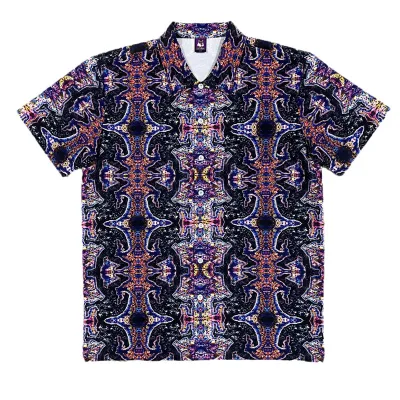


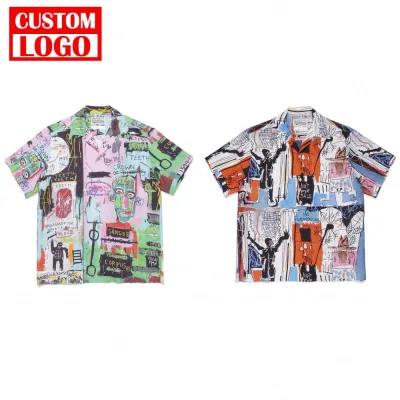
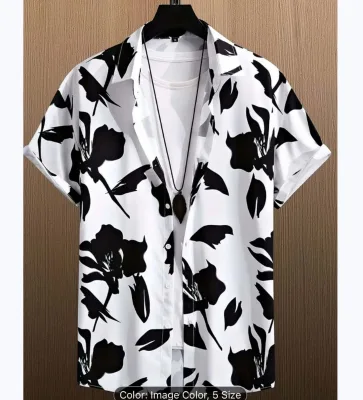
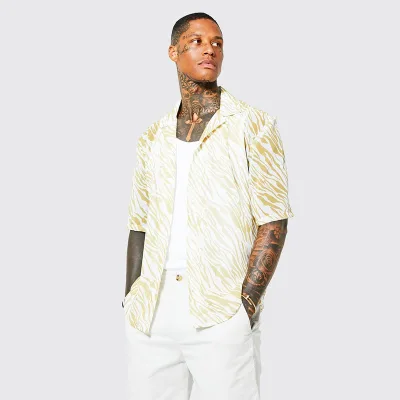
Comprehensive Sourcing Guide
Eco Friendly Rayon Hawaiian Shirt Sourcing Guide
Sourcing eco-friendly rayon Hawaiian shirts requires a nuanced understanding of material certifications, supply chain transparency, and the specific technical demands of woven apparel production. While the term "eco-friendly" is widely used in marketing, buyers must distinguish between certified sustainable fibers and generic rayon or viscose, which can have significant environmental impacts if not produced under strict regulatory frameworks. This guide provides a structured approach to evaluating suppliers, verifying material claims, and ensuring that the final product meets both aesthetic expectations and compliance standards for the global market.
The following sections outline the critical steps for procurement professionals, from initial product scope analysis to long-term supplier relationship management. By focusing on verifiable data points such as GSM, weaving methods, and packing specifications, buyers can mitigate risks associated with greenwashing and ensure that their orders align with corporate sustainability goals and customer expectations.
Product Scope and Observed Listing Signals
The current market landscape for Hawaiian shirts reveals a diverse range of product configurations, with suppliers offering various styles, fabrics, and customization options. Observed listings indicate a strong presence of loose-fit models designed for leisure and holiday wear, catering to both men and unisex demographics. These garments are typically characterized by stand collars or button-up collars, with a wide array of color options exceeding two hundred choices, allowing for extensive brand customization. The emphasis on "High Street Loose Wear" suggests a trend toward comfort-driven designs that balance traditional Hawaiian aesthetics with modern, relaxed silhouettes.
Material composition varies significantly across suppliers, with some listings explicitly stating 100% cotton at 140 GSM, while others highlight poplin fabrics at 130 GSM. Although the core keyword focuses on rayon, the observed data shows that many suppliers offer cotton or blended options, necessitating careful verification of fiber content. The presence of keywords such as "Custom Rayon Hawaiian Shirt" alongside "Custom Logo Hawaiian Shirt" indicates that suppliers are prepared to handle bespoke orders, including logo printing and custom labeling. Buyers must clearly specify their material requirements during the inquiry phase to avoid receiving cotton-based alternatives when rayon is intended.
Technical Specifications to Verify
Verifying technical specifications is paramount to ensuring the quality and durability of the final product. Buyers should request detailed fabric specifications, including the exact fiber content, weave type, and weight. For instance, while some suppliers list poplin weaving methods, others may use different techniques that affect the drape and breathability of the shirt. The GSM (grams per square meter) is a critical metric; observed listings show weights around 130-140 GSM, which is suitable for summer wear but may vary based on the desired heaviness and texture. Confirming these details prevents discrepancies between the sample and the bulk production.
Packing and labeling requirements also play a crucial role in the logistical efficiency of the order. Standard packing methods observed include individual polybag packaging, often fitted into boxes, with carton dimensions specified for shipping optimization. Buyers should verify if the supplier supports custom packing solutions, as this can impact retail presentation and storage efficiency. Additionally, the availability of custom labels and tags is a common feature, allowing brands to maintain their identity. It is essential to confirm the accuracy of these specifications in the contract to avoid additional costs or delays during the shipping process.
Compliance and Safety Documentation
Compliance with international safety and environmental standards is non-negotiable for eco-friendly apparel. Buyers must request relevant certifications to validate the "eco-friendly" claims made by suppliers. While some background information mentions GOTS (Global Organic Textile Standard) and Oeko-Tex, these should be treated as potential certifications rather than guaranteed attributes. Buyers should explicitly ask for valid certificates for the specific batch of rayon or cotton used, ensuring that the fiber sourcing and processing meet recognized environmental and social criteria.
Chemical safety is another critical area of compliance. Rayon production involves chemical processes, and the final product must be free from harmful substances such as azo dyes, formaldehyde, and heavy metals. Buyers should require test reports from accredited laboratories to verify that the shirts meet the safety standards of their target markets, such as REACH in Europe or CPSIA in the United States. This due diligence protects the brand from legal liabilities and ensures that the product is safe for consumers, particularly in the context of children's or sensitive skin wear.
Cost Drivers and Commercial Terms
Understanding the cost drivers associated with eco-friendly rayon Hawaiian shirts helps buyers budget effectively and negotiate favorable terms. The primary cost factors include the raw material price, which fluctuates based on global fiber markets, and the complexity of the customization process. Custom designs, such as unique prints or specific color matches, can increase production costs due to setup fees and lower economies of scale. Additionally, the choice of fabric weight and weave method can influence the material cost, with higher GSM fabrics generally being more expensive.
Commercial terms such as MOQ (Minimum Order Quantity) and lead times are also significant considerations. Observed listings show MOQs ranging from 1 to 200 pieces, with some suppliers requiring a minimum of 100 pieces for custom orders. Buyers should clarify these thresholds early in the negotiation process to ensure they align with their inventory needs. Lead times can vary based on the complexity of the design and the supplier's production capacity, so it is advisable to confirm estimated production and shipping times in the contract to avoid delays in meeting market demand.
Supplier Qualification and Quality Control
Supplier qualification involves a thorough assessment of the manufacturer's capabilities, reputation, and quality control processes. Buyers should verify the supplier's production facilities, including their weaving, dyeing, and sewing capabilities, to ensure they can meet the specified technical requirements. Requesting references or case studies from previous clients can provide insights into the supplier's reliability and consistency. Additionally, checking for any past compliance issues or negative feedback can help mitigate risks associated with poor quality or unethical practices.
Quality control measures should be established before production begins. Buyers should define clear quality standards, including acceptable tolerances for dimensions, color fastness, and stitching quality. Implementing a pre-production sample approval process is crucial to ensure that the final product matches the agreed-upon specifications. During production, regular inspections or third-party quality audits can help identify and address issues early, reducing the risk of receiving defective goods. Establishing a robust quality control framework ensures that the brand maintains its reputation for high-quality, eco-friendly apparel.
Long-Term Procurement Checks
Long-term procurement success depends on continuous monitoring and relationship management with suppliers. Buyers should establish regular communication channels to discuss performance, feedback, and potential improvements. This ongoing dialogue can help identify opportunities for cost savings, process optimization, and innovation in sustainable materials. Additionally, reviewing supplier performance metrics, such as on-time delivery rates and defect rates, can provide valuable insights for future sourcing decisions.
Sustainability efforts should be an ongoing priority, with buyers regularly updating their requirements to reflect evolving environmental standards and consumer preferences. This may involve exploring new fiber sources, improving recycling initiatives, or enhancing supply chain transparency. By staying informed about industry trends and regulatory changes, buyers can ensure that their sourcing strategies remain competitive and aligned with their corporate sustainability goals. Building a resilient and adaptable supply chain is essential for long-term success in the dynamic apparel market.
FAQs
Can I get a custom sample for Eco Friendly Rayon Hawaiian Shirt?
Yes, custom samples are available for these shirts. Suppliers support customization and offer fast proofing within 7 days. This allows buyers to verify fabric quality, fit, and design details before committing to bulk orders. The sample process ensures the final product matches your specific requirements for style and material.
What fabric weight options are available for these shirts?
Fabric weights typically range from 130 GSM to 140 GSM. Some products use 100% cotton at 140 GSM, while others utilize poplin woven fabric at 130 GSM. These weights provide a balance of durability and breathability suitable for summer wear. Buyers can select the weight that best fits their desired garment structure and comfort level.
What is the minimum order quantity for custom orders?
The minimum order quantity varies by supplier, ranging from 1 piece to 200 pieces. Some vendors require a minimum of 100 pieces for custom labeling and packaging. Others offer lower MOQs to accommodate smaller trial orders. Buyers should check specific supplier requirements to determine the feasible order size for their business needs.
Are these shirts suitable for unisex or men's wear?
Yes, these shirts are available in both unisex and men's specific designs. Unisex options often feature loose fits and stand collars, while men's styles may include button-up collars and holiday themes. The variety ensures that buyers can source garments that align with their target demographic and specific fashion requirements for leisure or casual wear.
What customization options are available for branding and packaging?
Customization includes custom logos, labels, and packaging designs. Suppliers offer services like OEM production and support for custom packing such as polybags or boxes. Buyers can choose from over 200 color options and various printing techniques. This flexibility allows for complete brand alignment and tailored presentation for retail or promotional purposes.
Where are these shirts manufactured and what are the origin details?
These shirts are manufactured in China. Suppliers provide detailed origin information to ensure transparency in the supply chain. The production facilities are equipped to handle various weaving methods and fabric types, including cotton and rayon. Buyers can rely on established manufacturing hubs for consistent quality and efficient logistics for international shipping.