Source Eco-Friendly Recyclable Airless Bottle for Cosmetics
Find 30 Eco-Friendly Recyclable Airless Bottle options for personal care, chemical, and beverage packaging. Compare materials like PET, sealing methods such as pump sprayers and screw caps, and customization services including OEM and ODM from Ningbo suppliers; compare the available evidence and request quotations based on your requirements.
Key considerations
Products List

Eco-Friendly PCR Plastic Airless Empty Plastic Cosmetic Bottle Airless Bottle
$0.72 - $0.80
MOQ: 12000 Pieces

5ml*2 Spray and Pump Function Eco-Friendly Double-Headed Airless Bottle
$0.47 - $0.52
MOQ: 10000 Pieces

Stylish Design and Eco-Friendly Materials Airless Bottle Versatile Deostick Bottle
$0.17 - $0.18
MOQ: 10000 Pieces


Hot Sale High Quality White Plastic Empty Airless Bottles with Plastic Cap
$0.53 - $0.80
MOQ: 3000 Pieces


Eco-Friendly Airless Bottle for Sustainable Beauty Care Packaging Solutions
$0.20 - $1.00
MOQ: 10000 Pieces


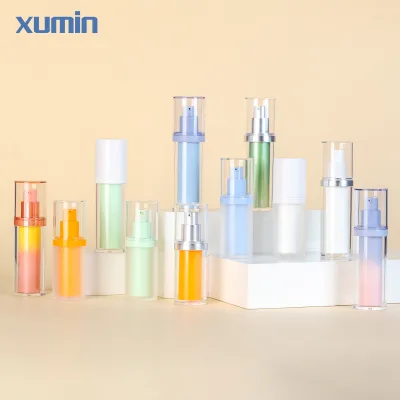

Plastic Airless Bottle Airless Pump Bottle for Eco-Friendly Skin Care Use
$0.11 - $0.65
MOQ: 10000 Pieces


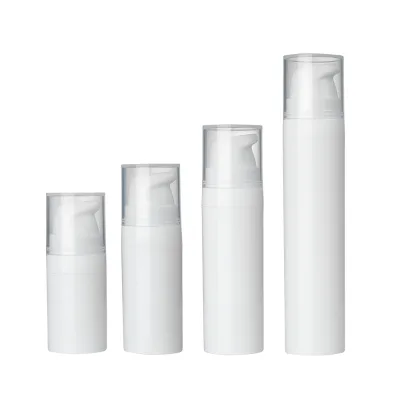


Comprehensive Sourcing Guide
Eco-Friendly Recyclable Airless Bottle Sourcing Guide
Procuring eco-friendly recyclable airless bottles requires a strategic approach to balancing sustainability with functional performance in the cosmetic and chemical sectors. Buyers must prioritize suppliers who explicitly confirm the use of recyclable substrates like PET while maintaining the integrity of the airless mechanism. The observed market data indicates that while customization is widely acceptable, specific material constraints often dictate the feasibility of recycling claims.
Sourcing decisions should focus on verifying the actual composition of the bottle and pump assembly, as the sealing method and shape significantly impact end-of-life processing. Although the product origin is frequently listed as Ningbo, the global marketplace nature of these listings demands rigorous due diligence on the specific factory's environmental protocols. Buyers should not assume all listed airless bottles meet high sustainability standards without explicit confirmation of the recyclable nature of every component.
Product Scope and Observed Listing Signals
The product scope for airless bottles in this category spans various shapes, including round and shaped configurations, with capacities ranging from 10ml to 200ml. Listings indicate a strong focus on applications for medicine, cosmetics, personal care, and chemical storage, where preservation of product integrity is critical. The observed data highlights that while some models are standard airless bottles, others include specialized forms like deodorant sticks, requiring distinct verification of the intended usage context.
Buyers must carefully distinguish between general plastic packaging and specific eco-friendly variants, as the term "recyclable" is often applied broadly. The listings show that color customization is available, yet color-specific minimum order quantities can be significantly higher than standard options. This distinction is vital for procurement planning, as the desire for specific branding colors may inadvertently increase the environmental footprint or cost if the supplier cannot guarantee the recyclability of colored plastics.
Technical Specifications to Verify
Technical verification must begin with the sealing method, as the market shows a mix of press caps, screw caps, and pump sprayers that affect the recyclability of the final assembly. The airless mechanism is a defining feature, but the compatibility of the pump with the bottle body determines whether the unit can be effectively separated for recycling. Buyers should demand detailed diagrams showing the disassembly process to ensure that the plastic components can be sorted from the metal springs or other non-recyclable parts.
Capacity and standardization are equally critical, with observed standards ranging from 15g to 200ml depending on the specific product model. The shape of the bottle, whether round or custom, influences the molding process and the potential for material waste during production. Procurement teams must verify that the chosen specifications align with the supplier's capability to produce the required volume without compromising the structural integrity needed for airless dispensing.
Compliance and Safety Documentation
Compliance documentation for eco-friendly packaging must address the specific chemical and physical safety requirements of the intended application, such as cosmetics or beverages. While general certifications like ISO 14021 are mentioned in background contexts, buyers should not assume these apply to every listed product without requesting specific test reports. The focus should be on verifying that the plastic materials used do not leach harmful substances into the contents, particularly for food and beverage applications.
Safety data sheets and material composition reports are essential to confirm that the recyclable claims are backed by scientific evidence. Buyers need to ensure that the supplier can provide documentation proving the material meets local and international safety standards for the specific region of sale. Without these documents, the risk of non-compliance with environmental regulations or product safety laws remains high, potentially leading to costly recalls or market access issues.
Cost Drivers and Commercial Terms
Cost drivers in this sector are heavily influenced by the minimum order quantities and the complexity of customization, with observed MOQs ranging from 5 to 30,000 units. The price range of 0.02 to 1 USD per unit suggests that volume is a primary determinant of cost, but the specific color and shape requirements can drastically alter the final price. Buyers must account for the fact that color-specific orders often carry a higher MOQ, which can impact the overall unit economics for smaller procurement batches.
Commercial terms regarding delivery time and sample availability are also significant factors in the total cost of ownership. The observed delivery time of 25 days is a standard benchmark, but this can vary based on the complexity of the mold and the current production load. Sample costs, which may be free for one to two pieces or charged for larger quantities, should be factored into the initial budget to ensure that the final product meets all technical and aesthetic requirements before full-scale production begins.
Supplier Qualification and Quality Control
Supplier qualification should prioritize manufacturers with a proven track record in producing airless bottles for the global market, particularly those originating from established industrial hubs like Ningbo. The ability to offer OEM and ODM services, including new mold creation, is a strong indicator of a supplier's technical capability and flexibility. Buyers must verify that the supplier has the infrastructure to handle the specific customization requests, such as silk screen printing or hot stamping, without compromising the structural integrity of the bottle.
Quality control processes must be robust enough to ensure that every batch meets the specified standards for sealing and material consistency. The observed data indicates that suppliers offer various packing methods, from shrink bags to cartons and pallets, which must be evaluated for their ability to protect the product during transit. A rigorous inspection protocol should be established to check for defects in the sealing mechanism and to ensure that the recyclable materials are free from contaminants that could hinder the recycling process.
Long-Term Procurement Checks
Long-term procurement strategies should include regular audits of the supplier's environmental practices to ensure that the "recyclable" claims remain valid over time. As regulations evolve, the definition of recyclable materials may change, requiring suppliers to adapt their production processes accordingly. Buyers should establish a continuous feedback loop to monitor the performance of the bottles in the field and to gather data on their end-of-life disposal and recycling rates.
Building a resilient supply chain involves diversifying suppliers and maintaining a clear understanding of the lead times and capacity constraints of each partner. The observed lead time of 25 days provides a baseline, but buyers should plan for potential delays due to material shortages or production bottlenecks. Regular reviews of the supplier's ability to meet the evolving demands of the market, including changes in color preferences or capacity requirements, will ensure a stable and sustainable supply of eco-friendly airless bottles.
FAQs
What materials are used for eco friendly recyclable airless bottles?
These bottles are typically made from plastic substrates such as PET, which supports recyclability. The design ensures that the airless mechanism preserves product integrity while allowing the container to be processed through standard recycling streams after use.
Can I customize the color of these airless bottles?
Yes, customization is acceptable for most orders. While standard options exist, you can request any color or customized shades to match your brand identity, subject to meeting the specific color minimum order quantity requirements set by the manufacturer.
What is the typical lead time for production?
The standard delivery time is approximately 25 days from order confirmation. This timeline applies to most standard specifications, though expedited options may vary based on current factory capacity and the complexity of any custom mold or printing requirements.
What sealing methods are available for these containers?
Various sealing types are available, including press caps, pump sprayers, screw caps, and twist caps. The choice depends on the product viscosity and application, ensuring secure containment for cosmetics, chemicals, or personal care items while maintaining an airless environment.
Are samples available for quality verification?
Samples are available for evaluation before bulk production. Some suppliers offer free samples consisting of one to two pieces, allowing you to verify the material quality, sealing integrity, and printing finish before committing to a larger order volume.
What are the common specifications for these bottles?
Common specifications include volumes such as 10ml, 30ml, 60ml, 80ml, 100ml, 150ml, and 200ml. Custom sizes are also acceptable, allowing you to tailor the container to your specific product volume needs while maintaining the airless dispensing functionality.