Source knit sweater and wide-leg trouser suit for retail, wholesale, and custom orders
Explore 30 listings for a knit sweater and wide-leg trouser suit featuring varied styles like crew neck, V-neck, and patchwork designs. Buyers can compare seasonal options for winter, summer, and autumn, along with different fabric weights and customization availability.
Key considerations
Products List


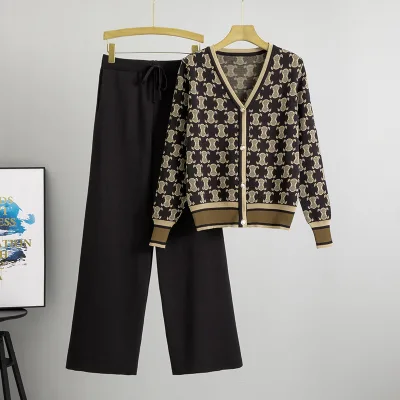

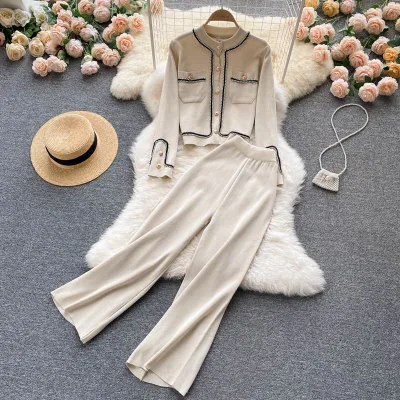
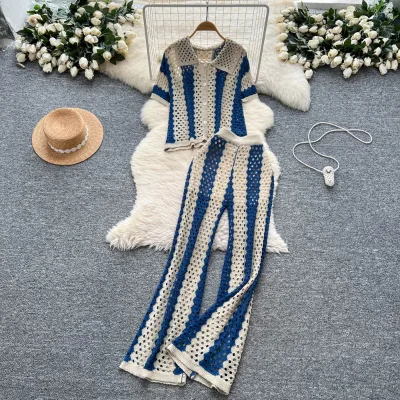


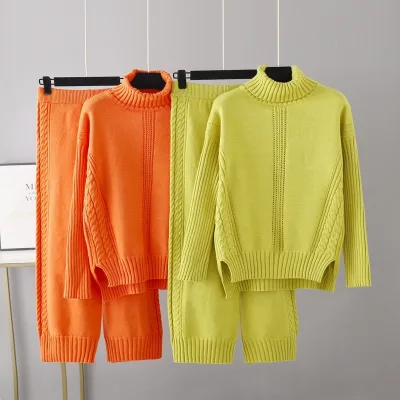
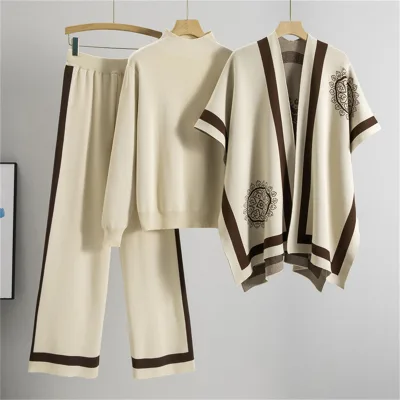

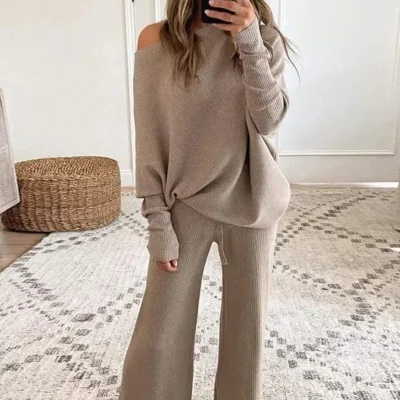
Comprehensive Sourcing Guide
Strategic Sourcing Guide for Knit Sweater and Wide-Leg Trouser Suits
Understanding Product Composition and Technical Specifications
When sourcing a knit sweater and wide-leg trouser suit, buyers must first distinguish between the specific technical attributes of the garments. The knit sweater component often features specific construction methods that define its durability and aesthetic. Based on available market data, common technical specifications for these items include a "Knitted" technics, which distinguishes them from woven alternatives. The collar styles observed in this category vary, with "Round Neck," "Crew Neck," and "V-neck" options frequently appearing in supplier catalogs. Sleeve lengths are equally diverse, ranging from "Long Sleeve" to "Short Sleeve," though the "Full" sleeve length is a prevalent specification for winter-oriented collections.
The fabric composition is a critical technical parameter. While some listings indicate a blend of "Polyester / Cotton," others specify "Knitting" as the fabric type, suggesting a focus on the manufacturing process rather than a specific fiber blend. The fabric weight can vary significantly, with some heavy-duty winter options reaching up to 860 grams, indicating a substantial, warm garment suitable for colder climates. In contrast, lighter variants may be designed for summer or autumn wear. The fit type is another essential specification; "Loose" fits are common for both the sweater and the wide-leg trousers, aligning with current fashion trends that prioritize comfort and drape.
For the wide-leg trouser component, the length specification is often "Full Length," ensuring a complete silhouette. The overall style of the suit is frequently categorized as "Casual" or "Daily wear," though some variations are marketed as "Fashion Knitwear" or "2 piece long set." The pattern types also play a role in product differentiation, with "Pure Colour" and "Patchwork" being the most frequently observed design approaches. Buyers should verify the specific model numbers associated with these attributes, as variations such as "31047," "P-43," or "3206" often denote distinct cuts or fabric weights within the same product line.
Seasonal Adaptability and Design Variations
The seasonal suitability of a knit sweater and wide-leg trouser suit is a primary driver for procurement decisions. The market data reveals a clear segmentation based on weather conditions. "Winter" collections typically feature heavier fabrics, long sleeves, and higher fabric weights, such as the 860-gram variants mentioned in technical specifications. These items are often designed with "Simple Sweaters" or "Production Simple Sweaters" in mind, focusing on warmth and layering capabilities. Conversely, "Summer" and "Autumn" variants may utilize lighter materials and shorter sleeves, such as "Short Sleeve" options, to accommodate warmer temperatures.
Design variations extend beyond seasonality to include specific style features. The "Patchwork" pattern type suggests a more complex design process, potentially involving the assembly of different fabric pieces, which may impact lead times and quality control requirements. In contrast, "Pure Colour" items offer a more streamlined production path. The "Crew Neck" and "V-neck" collar styles offer different aesthetic profiles, with the V-neck often providing a more elongated look suitable for pairing with wide-leg trousers. The "Breathable" feature is a key attribute for summer and autumn collections, ensuring comfort during warmer months, while winter collections may prioritize insulation over breathability.
Buyers must also consider the "Supply Type" when planning their inventory. "In-Stock Items" offer immediate availability, which is crucial for retailers needing to replenish fast-moving SKUs quickly. However, "Customization" is available for many suppliers, allowing for tailored designs that align with specific brand identities. This customization can include changes to the "Pattern," "Color," or even the "Size" specifications, which range from "M" to "One Size." Understanding these seasonal and design nuances is essential for building a cohesive product line that meets diverse consumer needs throughout the year.
Cost Drivers and Minimum Order Quantity Considerations
The cost structure of knit sweater and wide-leg trouser suits is influenced by several factors, including material composition, production complexity, and order volume. The "Polyester / Cotton" blend represents a common cost-effective material choice, balancing durability with comfort. However, heavier fabrics, such as those weighing 860 grams, naturally incur higher material costs. The "Knitted" technics, while standard, can vary in complexity; intricate "Patchwork" designs or specific "Wrinkled" finishes may require additional labor, thereby increasing the unit price.
Minimum Order Quantity (MOQ) is a significant financial consideration for buyers. Market observations indicate a wide range of MOQs, from as low as 1 unit for sample orders to 300 units for bulk production. A specific, high-confidence fact notes an MOQ of "100 PCS Per Color" for certain product lines. This per-color requirement can significantly impact the total order volume and cost efficiency. Buyers sourcing "Pure Colour" items may find it easier to meet these thresholds compared to those seeking "Patchwork" designs, which might require larger quantities to justify the setup costs.
Packaging and logistics also contribute to the overall cost. The standard packaging for these items is often "Polybags," which is cost-effective but may require additional protection for high-value items. The single package size can vary, with dimensions such as "31X26X8 cm" or "20cm x 20cm x 5cm" observed in different listings. These dimensions directly affect shipping costs, particularly for air freight. Additionally, the "Single gross weight" of 1.110 kg for certain items must be factored into freight calculations. Buyers should carefully evaluate the trade-off between lower MOQs and higher unit prices versus higher MOQs with reduced per-unit costs, ensuring the total landed cost aligns with their retail pricing strategy.
Compliance, Certification, and Quality Assurance Protocols
Ensuring compliance and maintaining quality are paramount when sourcing knitwear and trouser suits. While specific certification statuses like "OEKO-TEX" are mentioned in background contexts, buyers must verify the actual certification status of their chosen supplier rather than assuming compliance based on general market knowledge. The "Needle detection" attribute is a critical quality control measure, with "Yes" being a standard requirement for many suppliers to ensure product safety, particularly for items intended for children or sensitive skin. This process involves passing the finished garments through metal detectors to remove any potential metal contaminants introduced during the knitting or assembly process.
Quality assurance should also extend to the physical integrity of the garment. The "Wrinkled" technics, while a stylistic choice, must be consistent across the production run. Buyers should request pre-production samples to verify that the "Knitted" fabric does not pilling excessively or losing its shape after washing. The "Fabric Weight" of 860 grams, for instance, must be consistent to ensure the garment meets the intended warmth and drape specifications. Furthermore, the "Single package size" and "Single gross weight" should be accurate to prevent discrepancies in shipping and inventory management.
Buyers should also verify the "Production" capabilities of the supplier. The ability to produce "Simple Sweaters" or "Fashion Knitwear" with high consistency is essential. If customization is required, the supplier must demonstrate the ability to maintain quality standards across different "Pattern" types and "Color" variations. The "Needle detection" process should be documented, and suppliers should be willing to provide test reports or certificates of compliance upon request. This due diligence helps mitigate the risk of receiving substandard products that could lead to returns, reputational damage, or safety liabilities.
Supplier Evaluation and Production Lead Times
Evaluating suppliers requires a comprehensive assessment of their capabilities, location, and reliability. The "Place of Origin" for many of these products is "Guangdong, China," a region known for its extensive textile manufacturing infrastructure. Suppliers in this region often have access to a wide range of materials and skilled labor, which can be advantageous for sourcing complex knitwear. However, buyers should verify the specific factory location and capacity to ensure they can meet demand without delays.
Lead times are a critical factor in supply chain planning. Some suppliers offer a "7 days sample order lead time," which is beneficial for rapid prototyping and design validation. However, bulk production lead times can vary significantly depending on the complexity of the design and the current order volume. The "In-Stock Items" category offers the advantage of immediate shipment, but buyers must verify the actual stock levels to avoid backorders. For custom orders, the lead time will depend on the time required for fabric sourcing, knitting, assembly, and quality control.
When evaluating suppliers, buyers should look for evidence of consistent production quality and adherence to delivery schedules. The "Brand Name" associated with the product, such as "XuanMengDie," may indicate a specific manufacturer or private label provider. Buyers should investigate the reputation of these brands and their track record in the market. Additionally, the "Selling Units" being "Single item" suggests flexibility in ordering, but buyers should confirm if this applies to bulk orders or only to samples. A reliable supplier will provide clear communication regarding production status, potential delays, and quality assurance measures.
Long-Term Procurement and Market Alignment
Sourcing a knit sweater and wide-leg trouser suit is not just a one-time transaction but a strategic decision that impacts long-term business growth. The "Style" of the product, categorized as "Casual" or "Daily wear," aligns with current consumer preferences for comfortable, versatile clothing. However, fashion trends are dynamic, and buyers must remain agile to adapt to changing styles. The availability of "Customization" allows brands to differentiate their offerings and respond quickly to market shifts.
Buyers should consider the scalability of their supply chain. As demand grows, the ability to increase order volumes while maintaining quality and cost efficiency becomes crucial. The "MOQ" of 100 PCS Per Color may need to be renegotiated or adjusted as the business expands. Additionally, the "Season" of the product must be aligned with the target market's climate and fashion calendar. Winter collections require different planning than summer or autumn lines, and buyers should ensure their inventory mix reflects these seasonal variations.
Finally, long-term procurement involves building strong relationships with suppliers. Trust and communication are key to navigating challenges such as material shortages, production delays, or quality issues. Buyers should prioritize suppliers who demonstrate transparency, reliability, and a commitment to continuous improvement. By focusing on these strategic elements, buyers can build a resilient supply chain that supports their brand's growth and meets the evolving needs of their customers.
FAQs
Can I customize the pattern and color for this knit sweater and wide-leg trouser suit?
Yes, customization is available for both pattern and color options. Buyers can request specific designs such as pure colour or patchwork styles to match their brand identity, provided they meet the minimum order quantity requirements per color.
What is the minimum order quantity for ordering this knit sweater and wide-leg trouser suit?
The minimum order quantity is 100 pieces per color for standard production runs. Some suppliers may accept lower quantities for sample orders, but bulk orders typically require meeting this threshold to ensure cost efficiency and production feasibility.
Which fabric weight options are available for winter collections of this knit sweater and wide-leg trouser suit?
Winter collections often feature heavier fabrics with a weight of up to 860 grams. This substantial weight ensures warmth and durability, making these items suitable for colder climates while maintaining a loose fit for comfort.
How long is the sample order lead time for this knit sweater and wide-leg trouser suit?
Sample orders can be produced within 7 days for many suppliers. This rapid turnaround allows buyers to verify quality and design details before committing to larger bulk production orders, ensuring the final product meets expectations.
What are the standard packaging dimensions for this knit sweater and wide-leg trouser suit?
Standard packaging typically uses polybags with single package sizes around 31x26x8 cm or 20x20x5 cm depending on the model. These dimensions help optimize shipping costs and protect the garments during transit from the Guangdong origin.
Can I find this knit sweater and wide-leg trouser suit in stock for immediate delivery?
Yes, in-stock items are available for immediate shipment without waiting for production. These items allow retailers to replenish fast-moving SKUs quickly, though buyers should verify actual stock levels to avoid potential backorders.