Source Eco-Friendly Stainless Steel French Press for Cafes, Hotels, and Homes
Explore 30 listings of eco-friendly stainless steel french press options featuring insulated designs and LFGB certifications. Buyers can compare models ranging from 350ml to 1000ml with varying MOQs and packaging types to suit kitchen or commercial needs.
Key considerations
Products List


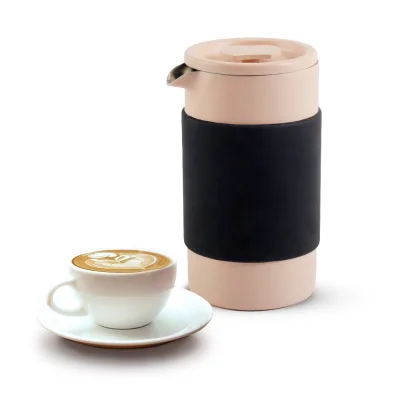
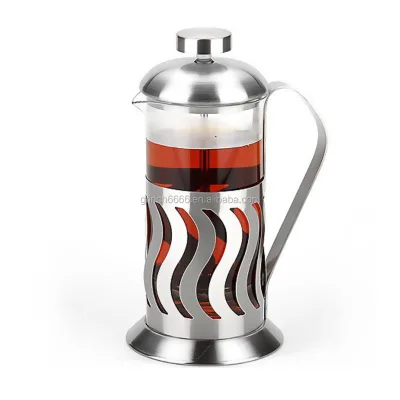
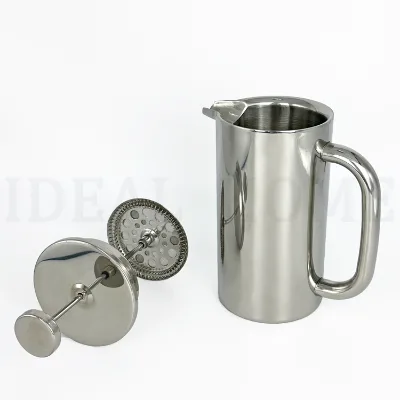
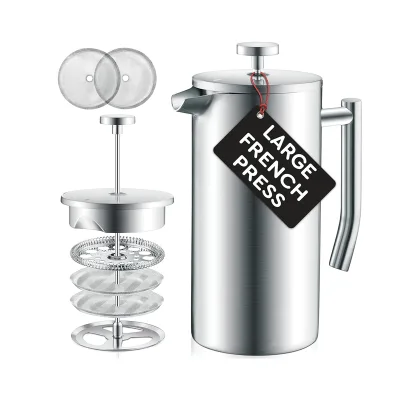
OEM High quality Stainless Steel French Press, french press, microwavable french press
$1.00 - $5.00
MOQ: 1000 Minimum
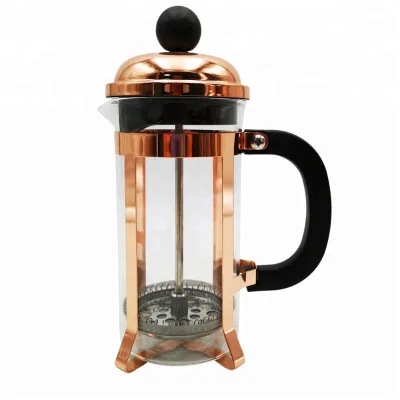
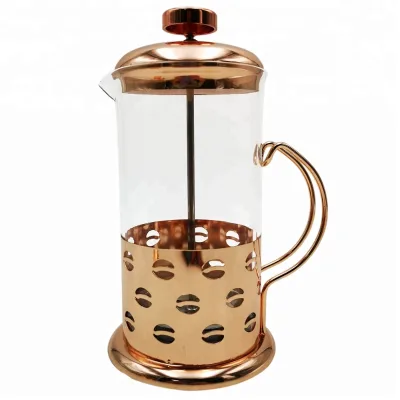


Comprehensive Sourcing Guide
Strategic Sourcing Guide for Eco-Friendly Stainless Steel French Presses
Understanding the Product Landscape and Core Specifications
The global market for coffee brewing equipment has seen a significant shift toward durable, sustainable, and versatile options, with the stainless steel French press emerging as a dominant category. For procurement professionals, distinguishing between generic glass models and the specific stainless steel variants is the first critical step. The core product under consideration is defined by its construction from stainless steel, a material choice that directly influences durability, thermal performance, and environmental impact. Unlike glass alternatives, stainless steel variants offer superior resistance to breakage, making them ideal for high-volume environments such as hotels, restaurants, and institutional kitchens.
When evaluating the technical specifications of these units, buyers must look beyond the basic function of "making coffee." The specific models available in the current supply chain often come with distinct volume capacities. Observed standard configurations include models designated with model numbers such as CF-1019N-G, CF-1019N, CF-1421X-A, and CF-1019EM/S, which typically correspond to 1000ml capacities. Other variations, such as the CF-1019C, are noted for 800ml volumes. This variance in capacity is not merely cosmetic; it dictates the unit's suitability for different service scenarios. A 1000ml unit is generally preferred for family or office settings, while smaller capacities might be targeted for individual service or specific hotel room amenities.
The physical dimensions and structural integrity are equally important. The product profile indicates a height of approximately 21 units (likely centimeters), which is a standard dimension for countertop appliances. The inclusion of a lid is a consistent feature across the observed product range, serving a dual purpose of heat retention and spill prevention. Furthermore, the thermal insulation performance is a key differentiator. While some glass presses rely on double-walled glass for insulation, stainless steel models often leverage the material's inherent properties. The observed data suggests an insulation performance range of 0 to 6 hours, a metric that buyers should verify against their specific operational needs. If the procurement goal involves keeping coffee hot for extended periods during a shift, this 6-hour window represents a significant operational advantage over non-insulated alternatives.
Compliance, Certification, and Material Safety Standards
In the B2B sector, particularly for products entering the food and beverage industry, compliance is not optional; it is a prerequisite for market entry. The sourcing of eco-friendly stainless steel French presses requires a rigorous verification of certifications that validate both the material safety and the environmental claims of the manufacturer. The supply chain data highlights specific certifications that are critical for procurement decisions: LFGB (German Food and Feed Code) and FDA (U.S. Food and Drug Administration). These certifications confirm that the stainless steel and any associated components, such as the plastic parts, are safe for contact with food and beverages.
The term "eco-friendly" in this context is multifaceted. It often refers to the longevity of the product, reducing waste associated with disposable cups or breakable glass, and the recyclability of the stainless steel material itself. However, buyers must be cautious not to accept "eco-friendly" as a marketing buzzword without evidence. The presence of FDA and LFGB certifications provides a baseline assurance that the materials used do not leach harmful substances. Additionally, the product attributes mention "Eco-friendly Natural Healthy" as an advantage, which suggests a focus on non-toxic materials.
When evaluating the plastic components, specifically the type of plastic used, the data points to PP (Polypropylene). PP is a widely recognized plastic for food contact due to its high heat resistance and chemical stability. Procurement teams should verify that the PP components are food-grade and free from BPA (Bisphenol A), although the specific absence of BPA should be confirmed through the supplier's test reports rather than assumed. The "anti-corrosion coating" attribute is noted as "Not Equipped" in some specifications, which implies that the stainless steel itself provides the necessary corrosion resistance. This is a positive indicator, as it suggests the use of high-grade stainless steel (likely 304 or 316 grade, though the specific grade should be verified) rather than relying on a coating that could degrade over time.
Cost Drivers and Pricing Dynamics
Understanding the cost structure of stainless steel French presses is essential for developing a competitive procurement strategy. The observed price range in the market spans from $0.48 to $40 USD per unit. This wide variance is not indicative of a single product line but rather reflects differences in material quality, manufacturing complexity, branding, and order volume. The lower end of the spectrum ($0.48) likely represents bulk raw material costs or very basic models intended for high-volume, low-margin distribution. Conversely, the upper end ($40) may include premium features such as advanced insulation, custom branding, or specialized packaging.
The Minimum Order Quantity (MOQ) is a significant factor influencing the unit cost. The data indicates an MOQ range of 100 to 3000 units. For buyers seeking to minimize upfront capital expenditure, suppliers offering an MOQ of 100 units provide a lower barrier to entry, allowing for smaller initial inventory tests. However, suppliers with higher MOQs, such as 2000 sets, often offer more competitive per-unit pricing due to economies of scale. The "Small Orders: Accepted" attribute suggests flexibility in the supply chain, which is beneficial for startups or companies testing new product lines.
Packaging costs also play a role in the total landed cost. The standard packaging observed includes "Color Box" and "Bubble Bag" combinations. This dual-layer approach ensures product protection during transit, which is crucial for maintaining the aesthetic quality of the stainless steel finish. Some suppliers offer "Free Packing" in the form of a color box, which can reduce the overall cost if the buyer intends to rebrand or use custom packaging. Buyers should calculate the total cost of ownership, including packaging, rather than focusing solely on the unit price, as high-quality packaging can reduce damage rates and returns.
Typical Applications and Usage Scenarios
The versatility of the stainless steel French press makes it suitable for a diverse range of applications. The primary usage categories identified include Kitchen, Home, Hotel, and Restaurant environments. In a residential setting, the durability of stainless steel is a major selling point, as it withstands the rigors of daily use without the risk of shattering like glass. For hotels and restaurants, the "Stocked" attribute indicates that these products are readily available for immediate deployment, which is critical for supply chain continuity.
The "Coffee & Tea Tools Type" classification confirms that these units are designed for both coffee and tea brewing. The "Make Coffee" function is the primary application, but the design often accommodates loose-leaf tea as well. The "Applicable" status for boiling water indicates that the product can handle high temperatures without deformation, a necessary feature for proper brewing. The "Thermal Insulation Performance" of up to 6 hours is particularly valuable in hotel settings where coffee pots need to remain hot throughout a breakfast service without constant reheating.
Furthermore, the "Customization: Available" attribute opens up opportunities for branding. Businesses can leverage this feature to create white-label products or add their corporate logo to the French press, turning a functional item into a marketing tool. This is particularly relevant for promotional campaigns or as a premium amenity in hospitality settings. The "Pieces: Single" and "Packaging: Set" options allow buyers to choose between individual units or pre-packaged sets, depending on their distribution strategy.
Supplier Evaluation and Sourcing Strategy
When selecting a supplier for eco-friendly stainless steel French presses, buyers must adopt a multi-faceted evaluation approach. The geographic origin of the products is predominantly China, with specific mentions of Hebei and Guangdong provinces. These regions are known for their robust manufacturing capabilities in metal and glass products. However, the presence of multiple origin points suggests a competitive market with varying levels of quality control.
Buyers should prioritize suppliers who demonstrate transparency in their production processes. The availability of samples ("Sample Avaliable") is a critical tool for evaluation. Before committing to a large order, procurement teams should request samples to verify the build quality, the effectiveness of the insulation, and the accuracy of the certification claims. The "Customized" and "Customization: Available" attributes indicate that suppliers are willing to engage in collaborative development, which is a positive sign of a responsive supply chain.
The "Brand Name" field shows entries like "Ubonds" and "ODM," suggesting a mix of branded and original design manufacturing options. For buyers seeking private label solutions, ODM suppliers are often the most suitable partners. However, buyers must ensure that the ODM supplier has a proven track record of meeting quality standards. The "MOQ: 100" and "MOQ: 2000 set" variations highlight the need to align order volume with the supplier's capacity. A supplier with a high MOQ might offer better pricing but could be less flexible for smaller buyers.
Quality Control and Long-Term Procurement Considerations
Quality control (QC) is paramount when sourcing stainless steel products. The "Anti-corrosion" feature is a key performance indicator, and buyers should verify that the stainless steel used is of a grade that resists rust and staining. The absence of an "anti-corrosion coating" in some specifications implies that the material itself must be of high quality. Buyers should request mill test reports or material certificates to confirm the grade of stainless steel.
Long-term procurement considerations extend beyond the initial purchase. The "Eco-friendly" nature of the product suggests a focus on sustainability, which aligns with corporate social responsibility (CSR) goals. However, buyers should also consider the lifecycle of the product. Stainless steel French presses are designed for longevity, but the quality of the mesh filter and the lid mechanism can affect the product's lifespan. Regular inspection of the "With Lid" accessories is necessary to ensure they remain secure and functional.
The "Standard" specifications listed, such as 350ml, 600ml, 800ml, and 1000ml, provide a framework for product diversification. Buyers should consider offering a range of sizes to cater to different customer segments. The "Quantity: 1" attribute suggests that these products are often sold individually, but the "Set" packaging option allows for bundling. This flexibility can be leveraged to create value-added packages, such as a French press with a matching grinder or a set of travel mugs.
Comparative Analysis of Product Variants
To facilitate decision-making, the following table summarizes the key attributes of the observed product variants:
| Attribute | Variant A (CF-1019N-G) | Variant B (CF-1019N) | Variant C (CF-1421X-A) | Variant D (CF-1019EM/S) |
|---|---|---|---|---|
| Capacity | 1000ml | 800ml | 1000ml | 1000ml |
| Material | Stainless Steel | Stainless Steel | Stainless Steel | Stainless Steel |
| Features | Anti-corrosion, Eco-friendly, Stocked | Insulated, Stocked | Stocked | Stocked |
| Packaging | Color Box, Bubble Bag | Color Box | Color Box | Color Box |
| Certification | LFGB, FDA | LFGB, FDA | LFGB, FDA | LFGB, FDA |
| Customization | Available | Available | Available | Available |
| MOQ | 100 | 100 | 2000 sets | 100 |
This comparison highlights that while the core material and certifications remain consistent, the capacity and MOQ requirements vary. Buyers should select the variant that best aligns with their specific volume needs and budget constraints. The consistent presence of LFGB and FDA certifications across all variants ensures a baseline of safety and compliance, allowing buyers to focus on the functional differences such as capacity and insulation.
In conclusion, sourcing eco-friendly stainless steel French presses requires a balanced approach that considers technical specifications, regulatory compliance, cost dynamics, and supplier reliability. By leveraging the available data and maintaining a rigorous quality control process, procurement professionals can secure a supply chain that delivers high-quality, sustainable products to their end customers. The flexibility in MOQ and customization options further enhances the strategic value of these products, making them a viable choice for a wide range of B2B applications.
FAQs
What certifications do eco-friendly stainless steel french presses have?
These products typically hold LFGB and FDA certifications to ensure food safety. Buyers should verify these documents confirm the stainless steel and plastic components meet strict safety standards for direct food contact without harmful leaching.
Which capacity models are available for stainless steel french presses?
Standard capacities include 350ml, 600ml, 800ml, and 1000ml options. Specific model numbers like CF-1019N and FP33 correspond to these volumes, allowing buyers to select sizes suitable for individual or family use.
Can buyers order small quantities of these stainless steel coffee pots?
Yes, small orders are accepted with Minimum Order Quantities starting at 100 units. Some suppliers may require higher volumes like 2000 sets for specific customizations, but flexibility exists for initial inventory testing.
How long does thermal insulation last for these insulated carafes?
Thermal insulation performance ranges from 0 to 6 hours depending on the specific model. This duration helps maintain coffee temperature during service, making them suitable for hotel breakfasts or extended office use.
What packaging options are available for bulk orders of these presses?
Standard packaging includes a color box combined with a bubble bag for protection. Some suppliers offer free color box packing, while others provide set packaging, ensuring the product arrives without damage during transit.
Which supplier locations are common for these stainless steel products?
Manufacturing origins are primarily in China, specifically Hebei and Guangdong provinces. Buyers should expect supply chains rooted in these regions known for metal and glass product manufacturing capabilities.
Can these french presses be customized with a buyer's brand name?
Customization is available for branding and design modifications. Buyers can request private label solutions or specific model adjustments, though this may require meeting higher Minimum Order Quantity thresholds.