Source Eco-Friendly Stainless Steel Garlic Press for Home, Restaurant, and Buffet
Find and compare 30 Eco-Friendly Stainless Steel Garlic Press options from Guangdong suppliers. Evaluate models like RH-A0039 and KU6651 for home kitchen, restaurant, and buffet equipment needs with customizable packaging and OEM services.
Key considerations
Products List
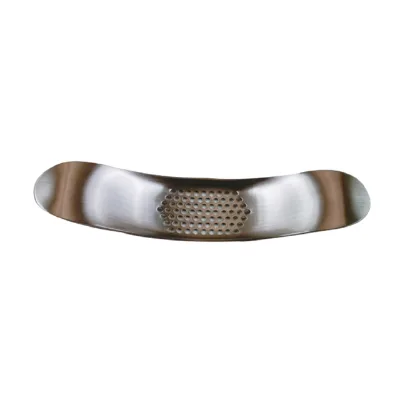
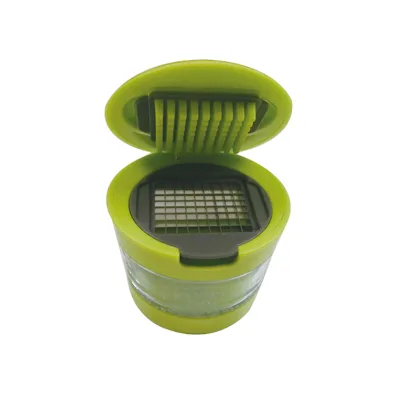


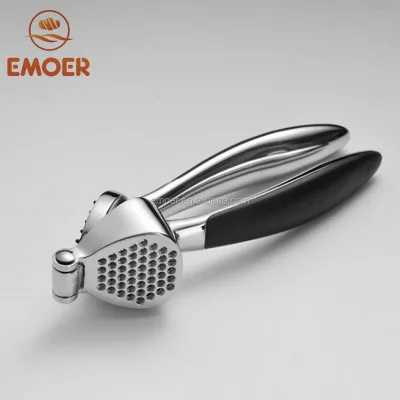
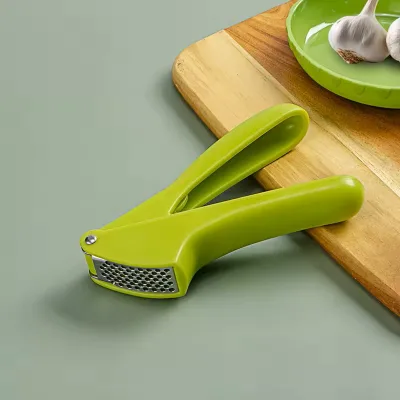
Hot Selling Stainless Steel Garlic Presser Manual Garlic Press Kitchen Tools
$0.70 - $0.90
MOQ: 100 Pieces


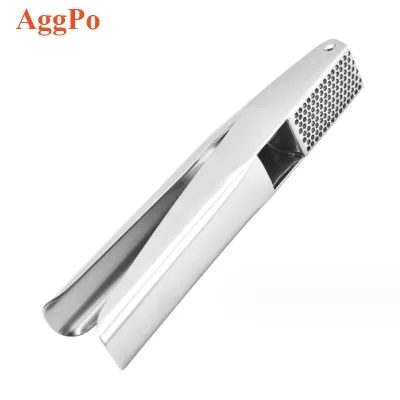
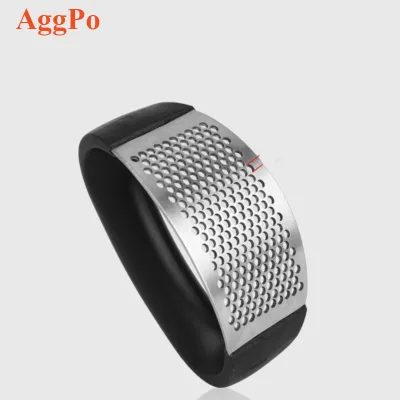
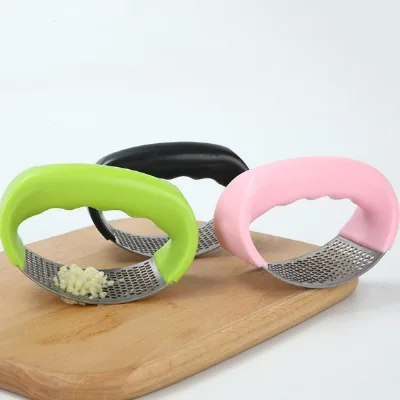


Reusable Stainless Steel Ginger Garlic Crusher Garlic Press with Wide Handle
$0.28 - $0.42
MOQ: 200 Pieces



Comprehensive Sourcing Guide
Eco-Friendly Stainless Steel Garlic Press Sourcing Guide
Sourcing eco-friendly stainless steel garlic presses requires a disciplined approach that balances material integrity with sustainable manufacturing practices. Buyers must recognize that "eco-friendly" in this category typically refers to the durability and recyclability of stainless steel rather than biodegradable components. The core value proposition lies in replacing single-use plastic tools with long-lasting metal alternatives that reduce waste over time. This guide outlines the critical verification steps for procurement teams seeking to align their kitchen equipment purchases with environmental goals while maintaining operational efficiency.
The market for these tools is dominated by manufacturers in Guangdong, China, who offer extensive customization options for commercial and institutional buyers. Listings indicate a wide range of models, from basic silver finishes to color-coded variants like silver and green, catering to diverse branding needs. Procurement specialists must navigate this variety by focusing on verifiable attributes such as material grade, surface finish, and structural robustness. Understanding the distinction between consumer-grade and commercial-grade presses is essential for ensuring that the selected product meets the rigorous demands of high-volume kitchen environments.
Product Scope and Observed Listing Signals
The observed product landscape reveals a strong emphasis on stainless steel construction, with listings explicitly identifying materials as stainless steel or metal. These tools are categorized under fruit and vegetable preparation equipment, specifically designed for garlic processing. The presence of OEM branding and customizable logos suggests that these products are primarily intended for private labeling or institutional procurement rather than direct-to-consumer retail. Buyers should note that while the term "eco-friendly" is frequently used, it is often paired with standard commercial features such as non-disposable construction and durable metal handles.
Visual and descriptive signals indicate a preference for simple, functional designs with European design influences. Common color options include silver, which aligns with standard commercial kitchen aesthetics, and specific combinations like silver and green, which may appeal to eco-conscious branding strategies. The packaging details vary from individual polybags to export cartons, indicating flexibility in logistics planning. Procurement teams should verify whether the "eco-friendly" claim is supported by specific manufacturing processes or if it primarily refers to the product's lifecycle and material recyclability.
Technical Specifications to Verify
Material composition is the most critical technical specification for this product category. Buyers must confirm that the stainless steel used is food-grade and resistant to corrosion, particularly given the acidic nature of garlic. Listings mention handle materials made from stainless steel, which enhances durability and hygiene compared to plastic or wooden alternatives. The structural integrity of the press mechanism, including the perforations and the plunger, must be verified to ensure efficient crushing without excessive force or residue buildup.
Dimensional specifications vary significantly across different models, with observed standards ranging from compact sizes like 107x51x69mm to larger units measuring 188x50x27mm. These dimensions impact storage efficiency and ergonomic handling in professional kitchens. Buyers should request detailed technical drawings or physical samples to verify that the internal chamber size matches their specific garlic volume requirements. Additionally, the weight of the unit, often listed as minimal in some contexts, should be cross-referenced with material density to ensure substantial, high-quality construction rather than lightweight, flimsy alternatives.
Compliance and Safety Documentation
Food safety compliance is non-negotiable for kitchen equipment procurement. Buyers must ensure that the stainless steel garlic presses meet relevant international food contact material standards. While some listings mention CE or EU certifications, these often relate to general product safety rather than specific food-grade material compliance. Procurement teams should request material safety data sheets (MSDS) or certificates of conformity that explicitly state compliance with regulations such as FDA or EU 10/2011 for food contact materials.
Hygiene and cleanability are paramount for maintaining food safety standards in commercial settings. The design of the garlic press should facilitate easy disassembly and thorough cleaning to prevent bacterial growth in residual garlic particles. Buyers should verify that the product does not have hard-to-reach crevices or non-stainless steel components that could harbor contaminants. Additionally, checking for any sharp edges or burrs on the metal surface is essential to prevent injury during use and to ensure a smooth, professional user experience in the kitchen.
Cost Drivers and Commercial Terms
Pricing for stainless steel garlic presses is influenced by material costs, manufacturing complexity, and customization requirements. Observed price ranges are relatively low, indicating that these are high-volume, low-margin items. However, buyers should be cautious of prices that seem unusually low, as they may indicate inferior steel grades or thin wall thicknesses that compromise durability. The cost structure typically includes the base unit price, packaging costs, and any fees for custom logo printing or specialized packaging designs.
Commercial terms often involve a deposit structure, such as a 30% deposit with the 70% balance paid before shipment. Minimum order quantities (MOQs) can vary widely, from small batches for testing to large volumes for full container loads. Buyers should negotiate clear terms regarding payment schedules, shipping responsibilities, and return policies for defective units. Understanding the total landed cost, including freight and customs duties, is essential for accurate budgeting, especially when sourcing from international suppliers in China.
Supplier Qualification and Quality Control
Supplier qualification begins with verifying the manufacturer's production capabilities and quality management systems. Buyers should request evidence of consistent production quality, such as past order records or client references, particularly from institutional buyers. The ability to provide samples is a critical step in the qualification process, allowing procurement teams to physically inspect the material quality, finish, and functionality of the garlic press before committing to a large order.
Quality control measures should include pre-shipment inspections to verify that the products meet the agreed-upon specifications. Buyers should define clear acceptance criteria for defects, such as surface scratches, misaligned perforations, or loose components. Implementing a robust inspection protocol, whether through third-party agencies or internal teams, helps mitigate the risk of receiving substandard products. Additionally, establishing a clear communication channel with the supplier for addressing any quality issues post-delivery is essential for maintaining long-term supply chain reliability.
Long-Term Procurement Checks
Sustainability verification is an ongoing process that requires regular audits of the supplier's environmental practices. Buyers should inquire about the sourcing of raw materials, ensuring that the stainless steel is obtained from responsible suppliers with minimal environmental impact. The recyclability of the product at the end of its lifecycle should also be considered, as stainless steel is highly recyclable, contributing to a circular economy. Procurement teams should document these sustainability metrics to support corporate social responsibility reporting and eco-friendly branding initiatives.
Performance monitoring over time is crucial for assessing the long-term value of the garlic presses. Buyers should track metrics such as product lifespan, frequency of replacement, and user feedback from kitchen staff. This data can inform future purchasing decisions and help identify any recurring quality issues. Establishing a feedback loop with end-users ensures that the products continue to meet operational needs and that any necessary adjustments to specifications or suppliers can be made promptly. Regular review of supplier performance against these long-term metrics helps maintain a high standard of quality and sustainability in the supply chain.
FAQs
What materials are used for the garlic press handles?
The handles are constructed from stainless steel to ensure durability and hygiene. This material choice supports the eco-friendly design while providing a robust grip for home kitchen and commercial applications.
Can I request a customized logo on the product?
Yes, customized logos are available for this stainless steel garlic press. Buyers can request specific branding details, and the supplier accepts OEM and ODM orders to meet unique commercial requirements.
What is the minimum order quantity for this item?
The minimum order quantity is 3600 pieces for this specific model. Buyers should note that observed MOQ ranges vary from 2 to 5000 across different listings, so confirm the exact requirement before ordering.
How is the product packaged for shipment?
Each piece is packed in a polybag, often inside a color box for retail readiness. Customized packing options are also available to suit specific export carton requirements or institutional buyer needs.
Where is the product manufactured and shipped from?
The product originates from Guangdong, China, and is dispatched from the Shenzhen Port. This location ensures efficient logistics for international buyers seeking stainless steel kitchen tools with high-grade quality.
What payment terms are accepted for this order?
The standard payment term requires a 30% deposit followed by a 70% balance payment via T/T. This arrangement is typical for institutional buyers and ensures secure transaction processing for the supply chain.
Is this garlic press suitable for commercial kitchens?
Yes, the product is designed for use in commercial kitchens, restaurants, and buffet equipment. Its high-grade stainless steel construction meets the durability demands of professional food preparation environments.