Source eco-friendly stainless steel heart necklace for Gifts, Fashion, and Religious Use
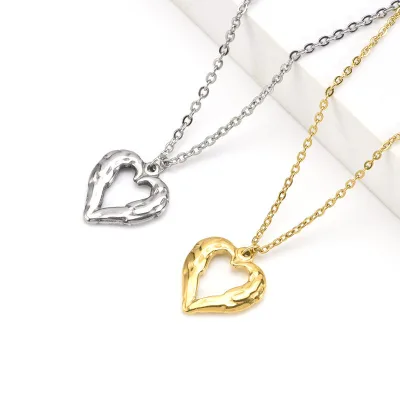
Find 30 eco-friendly stainless steel heart necklace options from China. Compare models like NL503 and MIC-JWL-030, noting gold or silver plating, OEM customization, and heart-shaped pendants for fashion and religious decoration.
Key considerations
Products List




Comprehensive Sourcing Guide
Eco-Friendly Stainless Steel Heart Necklace Sourcing Guide
Sourcing eco-friendly stainless steel heart necklaces requires a nuanced understanding of material sustainability, manufacturing precision, and commercial flexibility. The core keyword highlights a specific intersection of aesthetic preference and ethical procurement, where the heart shape serves as a universal symbol of affection, and stainless steel provides a durable, hypoallergenic, and recyclable base material. Buyers must navigate a market where "eco-friendly" is often a marketing term rather than a certified standard, necessitating rigorous verification of supply chain practices. This guide provides evidence-based procurement strategies to help buyers identify genuine sustainable options, verify technical specifications, and manage commercial risks effectively.
The procurement landscape for these items is characterized by a high degree of customization and a wide range of price points, reflecting the diverse capabilities of suppliers in China. Observed data indicates a significant variation in product models, plating options, and packaging methods, which directly impacts the final cost and environmental footprint of the order. Buyers should approach this category with a clear definition of their sustainability criteria, distinguishing between recycled content claims, lead-free plating processes, and ethical labor practices. By focusing on verifiable attributes rather than vague marketing language, buyers can build a supplier base that aligns with both their brand values and their quality expectations.
Product Scope and Observed Listing Signals
The product scope for stainless steel heart necklaces encompasses a variety of styles, from simple pendants to more intricate designs with additional embellishments. Observed listings reveal a strong emphasis on customization, with many suppliers offering OEM services, engraving options, and flexible packaging solutions such as OPP bags or gift boxes. The heart shape is a dominant design feature, often paired with round pendants or simple chains, catering to a broad demographic that includes females, males, and even children. This versatility allows buyers to target multiple market segments with a single product category, but it also requires careful selection of design elements to ensure brand consistency.
Listing signals indicate that suppliers frequently highlight advantages such as competitive factory prices and high-quality standards, which are critical for buyers seeking value without compromising on durability. The presence of multiple product models, such as NL503, MIC-JWL-030, and ZB051807, suggests a mature supply chain with established production lines. Buyers should pay attention to the specific plating options available, including gold and silver finishes, as these can significantly affect the perceived value and longevity of the product. Additionally, the availability of sample times, ranging from three days for stock items to fifteen days for customized orders, provides insight into the supplier's operational efficiency and readiness to support rapid prototyping.
Technical Specifications to Verify
Verifying technical specifications is paramount to ensuring that the stainless steel heart necklaces meet the desired quality and durability standards. Buyers should confirm the base material composition, ensuring that the stainless steel is of a grade that resists corrosion and tarnishing, which is essential for maintaining the product's appearance over time. The plating process, whether gold or silver, should be evaluated for thickness and adhesion, as thin or poorly applied plating can wear off quickly, leading to customer dissatisfaction. Specifications such as the 1mm standard mentioned in some listings should be cross-referenced with the actual product dimensions to ensure consistency across batches.
Packaging and labeling are also critical technical aspects that impact the product's presentation and environmental impact. Buyers should verify the type of packaging used, such as individual protective bags or OPP bags, and assess whether these materials are recyclable or biodegradable. The inclusion of optional gift boxes can enhance the product's appeal for retail markets but may increase the overall carbon footprint. Additionally, buyers should confirm the length of the chains, with 45cm being a common standard, to ensure that the necklaces fit the target demographic appropriately. Clear communication of these specifications with suppliers is essential to avoid discrepancies between samples and bulk production.
Compliance and Safety Documentation
Compliance and safety documentation are non-negotiable for buyers importing jewelry, particularly when targeting markets with strict regulatory requirements. Buyers must ensure that suppliers provide relevant test reports for heavy metals, such as lead, cadmium, and nickel, to verify that the products are safe for skin contact. While the supplied facts do not specify exact certification statuses, buyers should proactively request documentation that demonstrates compliance with international standards, such as REACH in Europe or CPSIA in the United States. This due diligence is crucial for mitigating legal risks and protecting brand reputation.
In addition to material safety, buyers should inquire about the ethical sourcing of raw materials and the labor practices of the manufacturing facilities. Although specific certifications are not listed in the observed data, buyers can ask suppliers about their adherence to social responsibility standards, such as ISO 26000 or industry-specific codes of conduct. This information can often be obtained through supplier audits or third-party verification services. By prioritizing compliance and safety, buyers can ensure that their eco-friendly stainless steel heart necklaces not only meet regulatory requirements but also align with the ethical expectations of their consumers.
Cost Drivers and Commercial Terms
Cost drivers for stainless steel heart necklaces include the price of raw materials, the complexity of the design, and the level of customization required. Buyers should analyze the observed price range of 0.85 to 13.7 USD to understand the value proposition of different suppliers. Lower prices may indicate simpler designs or thinner plating, while higher prices could reflect more intricate craftsmanship or premium materials. Understanding these cost drivers allows buyers to negotiate effectively and allocate their budget wisely, ensuring that they get the best value for their investment.
Commercial terms, such as MOQs and payment methods, also play a significant role in the procurement process. Observed MOQs ranging from 1 to 100 units suggest that many suppliers are flexible and willing to accommodate small orders, which is beneficial for buyers testing the market or launching new product lines. Payment terms, including T/T and PayPal, offer varying levels of security and convenience, and buyers should choose the option that best suits their risk tolerance and cash flow needs. Clear agreement on these terms before placing orders can prevent misunderstandings and ensure a smooth transaction process.
Supplier Qualification and Quality Control
Supplier qualification is a critical step in building a reliable supply chain for stainless steel heart necklaces. Buyers should conduct thorough due diligence on potential suppliers, assessing their production capabilities, quality control processes, and customer service responsiveness. The availability of OEM services and engraving options indicates that many suppliers are equipped to handle custom orders, but buyers should verify their ability to maintain consistent quality across different batches. Requesting samples and conducting physical inspections can provide valuable insights into the supplier's attention to detail and commitment to quality.
Quality control measures should be integrated into the procurement process to minimize the risk of defects and returns. Buyers should establish clear quality standards and communicate them effectively to suppliers, including specifications for plating thickness, chain length, and packaging integrity. Implementing a robust inspection regime, such as pre-shipment inspections or third-party quality audits, can help identify and address issues before the products reach the market. By prioritizing supplier qualification and quality control, buyers can ensure that their eco-friendly stainless steel heart necklaces meet the highest standards of excellence.
Long-Term Procurement Checks
Long-term procurement checks involve continuous monitoring and evaluation of supplier performance to ensure sustained quality and reliability. Buyers should establish key performance indicators (KPIs) to track metrics such as on-time delivery, defect rates, and customer satisfaction. Regular communication with suppliers, including periodic reviews and feedback sessions, can help identify areas for improvement and strengthen the partnership. By maintaining a proactive approach to supplier management, buyers can mitigate risks and capitalize on opportunities for growth and innovation.
Additionally, buyers should stay informed about industry trends and regulatory changes that may impact the procurement of stainless steel heart necklaces. This includes monitoring developments in sustainable materials, manufacturing technologies, and consumer preferences. By adapting to these changes and continuously refining their procurement strategies, buyers can remain competitive and responsive to market demands. Long-term success in this category requires a commitment to excellence, ethical practices, and strategic agility, ensuring that the products delivered to consumers are not only beautiful but also responsible and reliable.
FAQs
What materials are used for the heart necklace?
The heart necklace is primarily made of stainless steel, ensuring durability and resistance to tarnish. Some variations feature copper with rhodium plating, while others offer gold or silver plating options to suit different style preferences and budget requirements.
Can I customize the pendant shape and plating?
Yes, customization is available for both pendant shapes and plating finishes. Buyers can select heart or round shapes with gold, silver, or rhodium plating, and OEM services including engraving are offered to meet specific design requirements for bulk orders.
What is the minimum order quantity for this product?
The minimum order quantity ranges from 1 to 100 pieces depending on the specific model and customization needs. Stock items like model NL503 may have lower thresholds, while customized orders with specific plating or engraving might require higher volumes.
How long does it take to receive samples?
Sample time is typically 3 days for stock items and 15 days for customized orders. This timeline allows for the production of standard models like MIC-JWL-030 or the creation of bespoke designs with specific plating and packaging requirements.
Which payment methods are accepted for orders?
Accepted payment methods include T/T and Paypal for secure transactions. These options facilitate smooth processing for both small sample orders and larger bulk purchases of stainless steel heart necklaces from verified suppliers in China.
What packaging options are available for the necklaces?
Packaging options include individual protective bags, gift boxes, or OPP bags packed into cartons. The specific packaging depends on the product model, such as MIC-JWL-250 which offers optional gift boxes, or standard models shipped in OPP bags.