Source Eco Friendly Unbreakable Piggy Bank for gifts, savings, decor
Compare 30 listings for Eco Friendly Unbreakable Piggy Bank options made from wood, stainless steel, and PU. Buyers can evaluate specifications, pricing, and customization features to find the right supplier for their needs; compare the available evidence and request quotations based on your requirements.
Key considerations
Products List
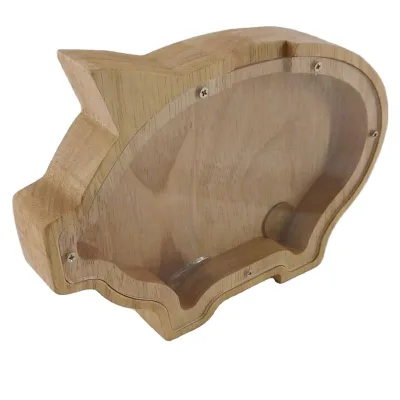
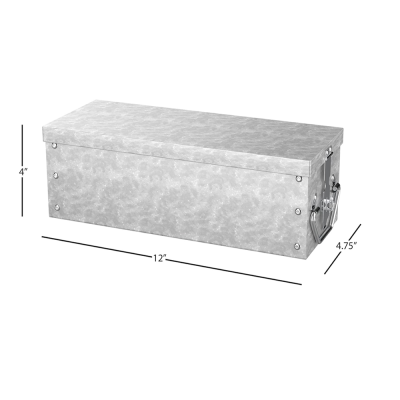
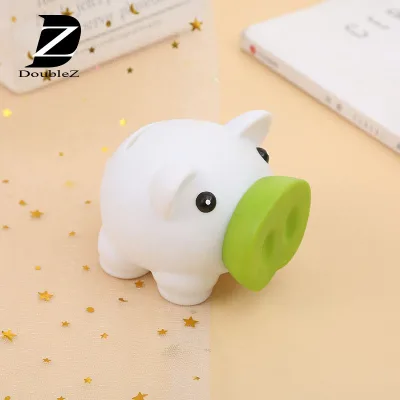
$0.40 - $0.50
MOQ: 1000

Wholesale PVC Pig Shaped Storage Money Box Unbreakable Plastic Piggy Bank
$0.58 - $0.82
MOQ: 1000 Pieces


White Piggy Bank Custom Logo Cute Pig Coin Bank 3D Animal Bank Piggy Bank
$1.00 - $3.00
MOQ: 5000 Pieces


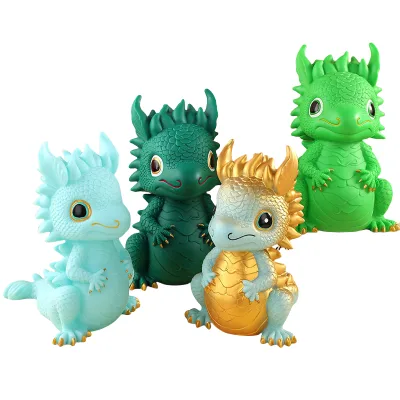


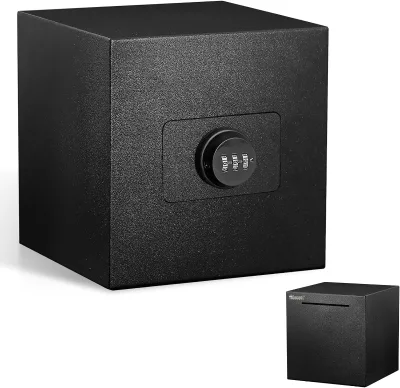
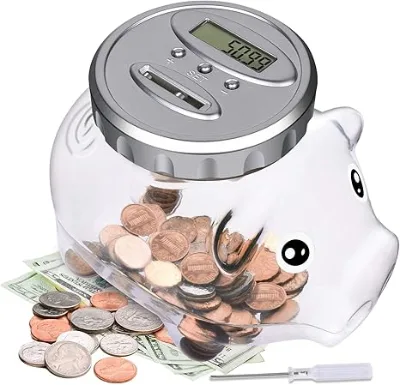

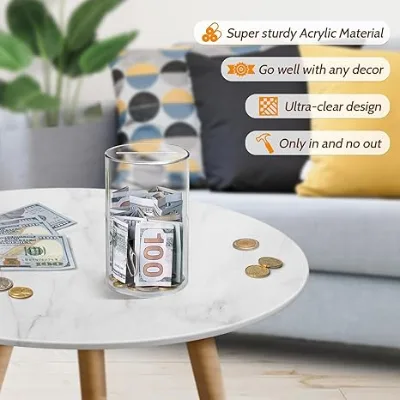


$6.01 - $6.10
MOQ: 60 Pieces
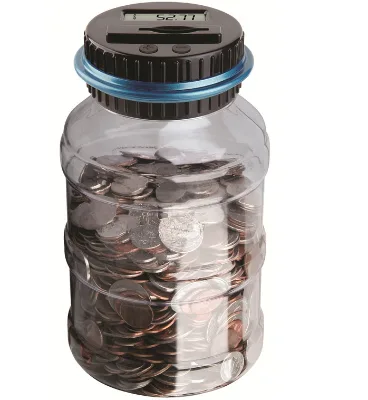
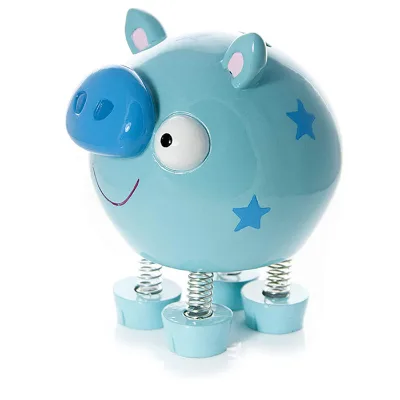
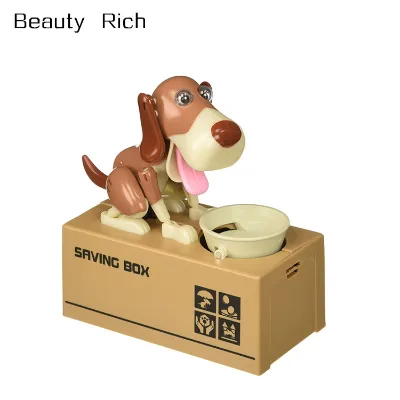
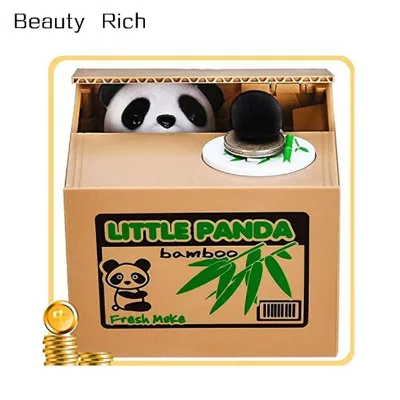


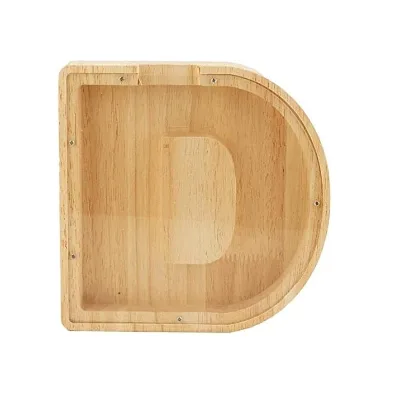
Comprehensive Sourcing Guide
Eco Friendly Unbreakable Piggy Bank Sourcing Guide
Procurement teams must first distinguish between traditional wooden models and modern unbreakable alternatives when sourcing eco-friendly piggy banks. The available market data reveals a significant divergence in material composition, with some listings specifying solid wood or PU leather while others indicate stainless steel construction. Buyers seeking truly unbreakable units should prioritize metal or high-density polymer options over natural wood, which remains susceptible to impact damage despite its environmental appeal.
Verification of the "unbreakable" claim requires direct inquiry into the specific material grade and structural reinforcement methods used by the manufacturer. While some suppliers list "Environment-Friendly" as a primary advantage, this attribute often applies to the wood source or the absence of toxic coatings rather than the physical durability of the final product. Sourcing strategies must therefore align the durability requirement with the material specification to avoid receiving fragile wooden units that fail to meet the functional definition of an unbreakable bank.
Product Scope and Observed Listing Signals
The current product landscape for this category includes diverse configurations ranging from creative animal shapes to simple rectangular storage units. Listings indicate that manufacturers offer customization options such as laser engraving for logos and various surface treatments including painting, powder coating, and plating. These signals suggest that buyers can source units tailored for specific branding needs, whether for corporate souvenirs or retail gift items, provided the material choice supports the desired aesthetic finish.
Observed listing signals also highlight significant variability in packaging dimensions and single unit weights, which directly impacts logistics planning. Some products are packaged individually in OPP bags with minimal dimensions, while others require larger boxes measuring up to 29x24x13 cm. Buyers must carefully review the single gross weight and package size for each specific model to accurately calculate freight costs and warehouse storage requirements before finalizing any purchase order.
Technical Specifications to Verify
Technical due diligence must focus on the precise material composition and dimensional tolerances to ensure the product meets durability expectations. Buyers should verify whether the unit is constructed from solid wood, stainless steel, or PU, as these materials offer vastly different resistance to impact and environmental wear. The presence of a "No Lock" feature on some models indicates a design focused on simplicity, while others may require specific verification of the coin slot mechanism to ensure it does not compromise the structural integrity of the bank.
Dimensional consistency is another critical technical parameter that requires strict verification against the provided specifications. Listings show size variations ranging from compact 8x8x8 cm units to larger 19x14x2.8 cm models, with thickness specifications potentially ranging from 0.1mm to 10mm depending on the material. Procurement teams must confirm that the selected model's thickness and overall dimensions align with the intended usage scenario, ensuring the bank is neither too fragile for heavy use nor too bulky for its intended display location.
Compliance and Safety Documentation
Safety compliance is paramount when sourcing products intended for children or general household use, particularly regarding the materials used in construction. While some listings mention ISO9001:2015 and IATF16949 certifications, these primarily address quality management systems rather than specific product safety standards like EN71. Buyers must explicitly request test reports confirming that the paint, coating, or wood treatment used on the piggy bank is free from harmful substances and meets the safety regulations of the target export market.
Documentation regarding the environmental claims made by suppliers also requires rigorous scrutiny to ensure they are substantiated by credible evidence. The "Environment-Friendly" advantage listed on some products should be backed by specific details on the wood sourcing or the recyclability of the metal components. Procurement teams should demand certificates of origin and material safety data sheets to verify that the eco-friendly assertions are not merely marketing terms but reflect genuine sustainable manufacturing practices.
Cost Drivers and Commercial Terms
Commercial terms for this category are heavily influenced by the chosen material and the level of customization required for the order. Stainless steel and PU models often command different price points compared to solid wood units, and the inclusion of services like laser engraving or custom color matching will further impact the final unit cost. Buyers must analyze the factory direct pricing structure to understand how these variables affect the total landed cost, ensuring that the budget accommodates both the base material and the value-added processing steps.
Minimum Order Quantities (MOQ) and lead times present another significant variable that affects procurement planning and cash flow management. The observed market data shows a wide range of MOQs, from as low as 100 pieces to as high as 5000 boxes, with delivery times typically spanning 7 to 30 days after sample confirmation. Sourcing strategies must account for these thresholds to avoid excessive inventory costs while ensuring the order volume is sufficient to secure favorable pricing and production slots with the supplier.
Supplier Qualification and Quality Control
Supplier qualification should extend beyond basic business registration to include a thorough assessment of their manufacturing capabilities and quality control protocols. Buyers must verify the supplier's ability to maintain consistent product quality across large batches, particularly when dealing with materials like wood that can exhibit natural variations. The presence of OEM and ODM capabilities indicates a supplier's flexibility, but this must be balanced with their track record for adhering to strict dimensional and finish specifications.
Quality control measures must be established early in the procurement process to mitigate the risk of receiving substandard units. Given the variability in single gross weights and package sizes observed in the market, it is essential to implement pre-shipment inspections that verify the physical integrity of the unbreakable claim. Buyers should request sample approvals for both the material texture and the surface treatment to ensure the final product matches the agreed-upon specifications before authorizing full-scale production.
Long-Term Procurement Checks
Establishing a long-term partnership requires regular audits of the supplier's ability to maintain consistent quality and supply chain stability. Buyers should schedule periodic reviews of the production process to ensure that the "Environment-Friendly" attributes and durability claims remain consistent over time. This proactive approach helps identify any potential drift in material quality or manufacturing standards that could compromise the product's performance in the market.
Continuous monitoring of market trends and regulatory changes is also essential for maintaining a competitive edge in the eco-friendly piggy bank sector. As consumer preferences shift towards more sustainable and durable options, procurement teams must stay informed about new material technologies and safety standards that may emerge. Regularly updating the supplier qualification criteria ensures that the supply chain remains resilient and capable of meeting evolving customer expectations for high-quality, unbreakable, and eco-conscious products.
FAQs
What materials are used for eco friendly unbreakable piggy banks?
Manufacturers typically use solid wood or stainless steel to create durable and eco-friendly piggy banks. Solid wood options often feature natural colors and laser engraving for branding. Stainless steel variants offer high strength with surface treatments like painting or polishing. These materials ensure the product is robust, safe for storage, and suitable for various applications including home use and souvenirs.
Can I customize the logo on these piggy banks?
Yes, OEM customization is widely accepted for these products. Buyers can request laser engraving on wooden models or custom logos on metal variants. The design process allows for specific branding needs, ensuring the final product aligns with your marketing goals. This service is available across different material choices, providing flexibility for corporate gifts or retail souvenirs.
What is the typical MOQ for ordering these banks?
The minimum order quantity varies by supplier and material type. Some wooden models require an MOQ of 1000 boxes, while other options may start at 100 pieces. Buyers should verify the specific MOQ with the manufacturer before placing an order. This range allows flexibility for both small souvenir orders and larger bulk purchases for retail distribution.
How long does production take after sample confirmation?
Production typically begins within 15 days after the sample is confirmed. The total delivery time ranges from 7 to 30 days depending on the order volume and shipping method. This timeline ensures quality control while meeting standard B2B sourcing expectations. Buyers should plan their inventory needs accordingly to avoid delays in receiving their customized piggy banks.
Are these piggy banks suitable for home storage use?
Yes, these products are explicitly designed for home application and coin saving. They function as portable storage units with features like anti-theft designs. The sturdy construction from wood or stainless steel ensures longevity. Their compact sizes make them ideal for desktop use, allowing users to save money securely while adding a decorative element to their living spaces.