Source eco-friendly unbreakable stemless wine glasses for bars, weddings, and parties
Compare 30 listings of eco-friendly unbreakable stemless wine glasses from verified Chinese manufacturers. Buyers can evaluate customization options, material types like PET and PS, and pricing for restaurant, bar, and festival applications.
Key considerations
Products List


Silicone Stemless Wine Glasses New Colorful Unbreakable Clear Rubber Wine Cup
$1.90 - $2.30
MOQ: 100 Pieces


Rosed Gold Color 12oz Stainless Steel Stemless Wine Glasses, Insulated Wine Tumbler
$2.50 - $3.50
MOQ: 1000 Pieces

Silicone Wine Glasses with Stem Unbreakable Rubber Wine Glasses Various Options Wbb17710
$5.10 - $6.12
MOQ: 100 Pieces


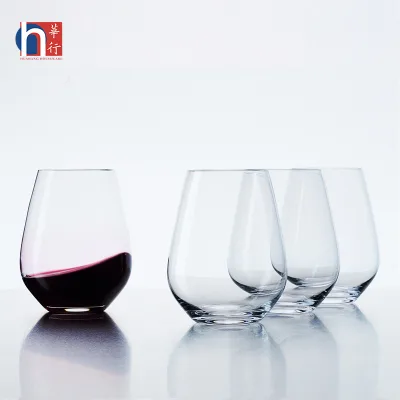
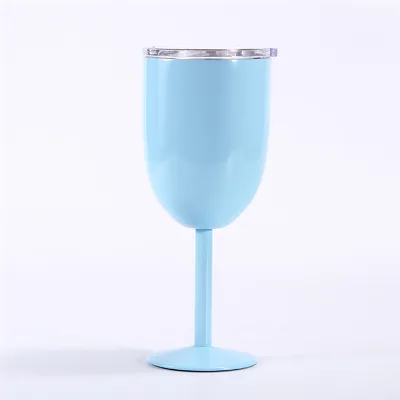
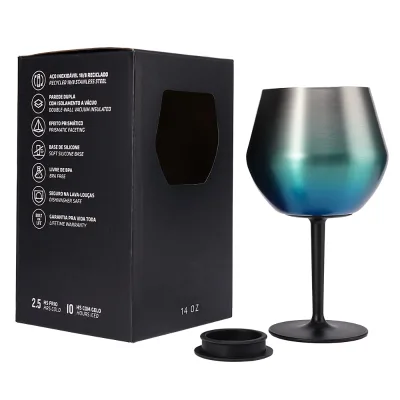
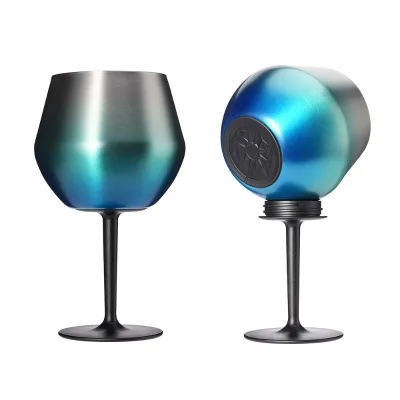
Comprehensive Sourcing Guide
Strategic Sourcing Guide for Eco-Friendly Unbreakable Stemless Wine Glasses
Understanding Material Composition and Environmental Attributes
The core keyword "eco-friendly unbreakable stemless wine glasses" directs procurement professionals toward a specific intersection of durability and material sustainability. In the current B2B landscape, the term "eco-friendly" often correlates with the use of specific plastic polymers that offer a balance between longevity and reduced environmental impact compared to single-use alternatives. Based on the observed product data, the primary materials identified for these items include PET (Polyethylene Terephthalate) and PS (Polystyrene), with some listings specifying a blend of PET and Tritan.
PET is frequently cited as a preferred material for high-clarity, reusable drinking vessels due to its strength and recyclability. The data indicates that products labeled as "Plastic Stemless Wine Glass" are available in clear finishes, which aligns with the aesthetic expectations for wine service. However, buyers must exercise caution when equating "eco-friendly" solely with the material type. While PET and Tritan are durable and reduce waste by replacing fragile glass, the environmental profile depends heavily on the product's lifecycle, including end-of-life recycling infrastructure in the destination market. The presence of PS in the supply chain suggests that not all "unbreakable" options are created equal; PS is generally less impact-resistant than PET or Tritan and may have different recycling streams.
When evaluating suppliers, procurement teams should verify the specific plastic type listed in the product specifications. The observed data shows variations such as "Plastic Type: PET" and "Material: Pet/ Tritan." Tritan, a copolyester, is often marketed as a premium, BPA-free alternative that offers superior clarity and impact resistance, making it a strong candidate for the "unbreakable" claim. Buyers should request material safety data sheets (MSDS) to confirm the absence of harmful additives like BPA, which is a standard expectation for modern food-contact plastics. The distinction between these materials is critical for compliance with regional regulations and for meeting corporate sustainability goals.
Technical Specifications and Design Parameters
The technical architecture of stemless wine glasses is defined by specific dimensions, weight, and structural integrity. The observed product data reveals a range of models, such as "Swg-5," "TM-10009B," "TM-2151," and "TM-3001," each with distinct standard dimensions. For instance, one model is specified with a capacity of 150ml (approximately 5oz), while others have physical dimensions listed as 4557145mm or 7.74.510.0cm. These variations indicate that the market offers glasses tailored for different serving sizes, from small tasting portions to standard wine pours.
Weight is a significant indicator of material density and perceived quality. The data lists weights ranging from 40g to 95g. A heavier glass, such as the 95g model, typically suggests a thicker wall construction, which contributes to the "unbreakable" attribute and provides a more substantial feel in the hand. Conversely, lighter models at 40g may be designed for high-volume events where weight reduction is a logistical priority. The "Impact Resistance: Not Easily Damaged" attribute observed in the listings confirms that these products are engineered to withstand drops and handling stress that would shatter traditional glass.
Design customization is a key feature of this category. The data highlights "Customization: Available" and "Product Color: Clear/Shiny Confetti/Silver Inquiries Then Custom." This allows buyers to tailor the aesthetic to specific brand identities or event themes. Furthermore, the "Rim Color" can be customized to Gold, Silver, or Rose Gold, adding a touch of elegance suitable for high-end applications. The "Style: Elegant" classification suggests that these products are not merely utilitarian but are designed to mimic the sophistication of traditional stemware. Buyers should verify that the customization options, such as UV printing, do not compromise the food safety of the rim or the clarity of the cup.
Compliance, Certification, and Food Safety Standards
Ensuring that stemless wine glasses meet international food safety standards is paramount for B2B procurement. The observed product data lists several certifications, including LFGB, GMP, ISO, EU, QS, and FDA. These acronyms represent rigorous testing protocols for food contact materials. LFGB (German Food and Feed Code) is particularly stringent and is often required for sales within the European Union. FDA (U.S. Food and Drug Administration) compliance is essential for the North American market, ensuring the plastic does not leach harmful chemicals into beverages.
The presence of "Certificate: LFGB, GMP, ISO, EU" in the data suggests that some suppliers have achieved multiple levels of certification. However, buyers must verify that these certifications are current and applicable to the specific product model being ordered. The data also mentions "Standard: 150ml" and "Standard: 4557145mm," which serve as dimensional baselines but do not replace the need for material safety testing. The "Disposable: Non-Disposable" attribute reinforces that these are reusable items, which necessitates compliance with standards regarding repeated washing and sanitization.
For buyers targeting the European market, the "EU" certification is a critical checkpoint. In the United States, FDA compliance is non-negotiable. The "QS" certification is relevant for the Chinese domestic market and may indicate compliance with local quality standards. When evaluating suppliers, procurement teams should request valid certification documents for the specific batch or model. It is important to note that while the data lists these certifications, the actual validity depends on the supplier's current status and the scope of their certification. Buyers should not assume that a supplier's general certification covers all their product lines without specific verification.
Cost Drivers, Pricing, and Minimum Order Quantities
The economics of sourcing unbreakable stemless wine glasses are influenced by material costs, customization complexity, and order volume. The observed price range in the data is $0.18 to $6.12 USD. This wide variance suggests that pricing is heavily dependent on the specific model, material grade (e.g., standard PET vs. premium Tritan), and the extent of customization. The lower end of the range likely corresponds to basic, clear, non-customized models with standard dimensions, while the higher end may reflect premium materials, intricate UV printing, or specialized rim colors.
Minimum Order Quantities (MOQ) are a significant factor in the procurement strategy. The data indicates an MOQ range of 48 to 50,000 pieces, with a specific high-confidence fact noting an MOQ of 50,000 pieces for certain models. This high MOQ requirement is typical for plastic injection molding, where the cost of tooling and setup is amortized over large production runs. Buyers with smaller volume needs may need to negotiate with suppliers who offer lower MOQs, potentially at a higher unit cost, or look for suppliers with existing molds to avoid tooling fees.
Lead times and payment terms also impact the total cost of ownership. The observed delivery time is 35 days after all confirmations, which is a standard timeframe for manufacturing and shipping from China. Payment terms are typically structured as a 30% deposit and a 70% balance after copy documents. This structure protects both parties but requires buyers to manage cash flow effectively. The "Packing: 8PCS/Bag 8bags/CTN" and "Packing: 1PC/ Plastic Bag, 315 Bags/ CTN" variations affect shipping efficiency and logistics costs. Bulkier packing configurations may increase freight charges, so optimizing the carton size (e.g., 492516cm) is crucial for cost control.
Typical Applications and Market Segmentation
The versatility of unbreakable stemless wine glasses makes them suitable for a diverse range of applications. The data explicitly lists "Application: Restaurant/Bar" and "Suitable Festival: for Wedding/Party/Festival/Birthday." These products are ideal for outdoor events, poolside bars, and venues where the risk of breakage is high. The "Impact Resistance: Not Easily Damaged" attribute makes them particularly valuable for large gatherings where glassware replacement costs can be prohibitive.
The "Applicable People: Children Kids Students Baby Man Woman" specification indicates a broad demographic appeal. While the primary use case is adult beverage service, the durability and safety features make them suitable for family-friendly environments. The "Usage: Drinking Cup, Food Packaging" suggests that these glasses can also serve as versatile containers for other food and beverage items, increasing their utility for catering services and event planners.
In the hospitality sector, the "Style: Elegant" and customizable rim colors allow restaurants to maintain a high-end aesthetic without the fragility of glass. For event organizers, the ability to customize colors and logos via UV printing provides a unique branding opportunity. The "Free Sample: Support Free Samples" attribute is particularly useful for buyers in the event planning sector who need to assess the quality and feel of the product before committing to a large order.
Supplier Evaluation and Quality Control Protocols
Selecting the right supplier requires a rigorous evaluation process that goes beyond the initial product listing. Buyers should prioritize suppliers who demonstrate transparency in their manufacturing processes and provide clear documentation for their certifications. The "Location: China" and "Location: Jiangsu, China" data points indicate that the majority of these products originate from established manufacturing hubs in China. While this offers access to competitive pricing, it necessitates a thorough vetting of the supplier's reputation and operational capacity.
Quality control should be a central component of the procurement strategy. Buyers should verify that the "Impact Resistance" claims are backed by actual testing data. The "Weight" variations observed in the data (40g to 95g) suggest that consistency in manufacturing is a potential challenge. Implementing a quality control plan that includes random sampling and weight verification can help ensure that the delivered products meet the specified standards. The "Customization: Customized" attribute requires careful oversight to ensure that printing quality and color accuracy match the buyer's expectations.
When evaluating suppliers, buyers should request samples to test the "Rim Color" and "Product Color" in person. The "Clear/Shiny Confetti/Silver" options should be inspected for clarity and finish. Additionally, the "Packing" specifications should be reviewed to ensure that the packaging protects the glasses during transit. The "CTN Size" and "Packing" details provided in the data are essential for logistics planning. Buyers should also confirm the "Delivery Time" of 35 days to ensure it aligns with their project timelines.
Long-Term Procurement Considerations and Sustainability
Sourcing eco-friendly unbreakable stemless wine glasses is not just a one-time purchase but a long-term strategy that impacts a company's sustainability goals. The "Non-Disposable" attribute is a key indicator of the product's potential to reduce waste over time. However, the true environmental benefit depends on the product's lifespan and the recycling infrastructure available in the buyer's region. Buyers should consider the end-of-life options for the plastic materials used, such as PET and Tritan, and ensure that their supply chain partners are committed to sustainable practices.
The "Customization" capabilities allow for long-term branding consistency, which can enhance the value of the product over multiple seasons. However, buyers should be mindful of the "MOQ" requirements, as high order volumes may lead to inventory challenges if demand fluctuates. Developing a flexible procurement strategy that balances volume discounts with inventory management is essential.
Finally, buyers should stay informed about evolving regulations regarding plastic use and recycling. The "ISO" certifications mentioned in the data, such as ISO 14001 (environmental management) and ISO 50001 (energy management), are background standards that may indicate a supplier's commitment to sustainability. While these are not concrete claims for every product, they suggest that the supplier operates with a focus on environmental responsibility. Procurement teams should regularly review their supplier base to ensure continued compliance with these standards and to adapt to any changes in the regulatory landscape. By focusing on material quality, certification validity, and long-term sustainability, buyers can successfully source high-quality, eco-friendly stemless wine glasses that meet both functional and ethical requirements.
FAQs
What materials are used for eco-friendly unbreakable stemless wine glasses?
These glasses are primarily made from PET, PS, or a blend of PET and Tritan. PET offers high clarity and strength, while Tritan provides a premium BPA-free alternative. Buyers should verify the specific plastic type to ensure compliance with regional safety standards.
Which certifications ensure food safety for these plastic wine glasses?
Common certifications include LFGB, FDA, GMP, ISO, EU, and QS. These standards verify that the materials are safe for food contact and do not leach harmful chemicals. Buyers must request valid documents for the specific product model to ensure compliance with their target market regulations.
Can buyers customize the color and rim details of these glasses?
Yes, customization is available for product colors like clear, confetti, or silver, and rim colors such as gold or rose gold. UV printing is also supported for branding. Buyers should inquire about specific design requirements as options may vary by supplier and model.
What is the typical minimum order quantity for these stemless wine glasses?
The minimum order quantity ranges from 48 to 50,000 pieces depending on the supplier and model. Some standard models require a high MOQ of 50,000 pieces, while others may accept smaller orders. Buyers should check specific model requirements to align with their volume needs.
How long is the delivery time after order confirmation?
The standard delivery time is 35 days after all confirmations are received. This timeline covers manufacturing and preparation for shipment from the origin in China. Buyers should account for this lead time when planning their inventory or event schedules.
Are these plastic wine glasses suitable for outdoor events and bars?
Yes, they are designed for applications in restaurants, bars, weddings, and parties due to their impact resistance. The unbreakable nature makes them ideal for outdoor venues where glass breakage is a risk. They are suitable for all ages and can withstand repeated use.