Source Eco-Friendly Woven Square Door Mat for Home Hotel Office
Compare 30 listings for eco-friendly woven square door mat options suitable for home, hotel, and office use. Buyers can evaluate features like anti-slip properties, material composition, and customization capabilities across multiple suppliers.
Key considerations
Products List
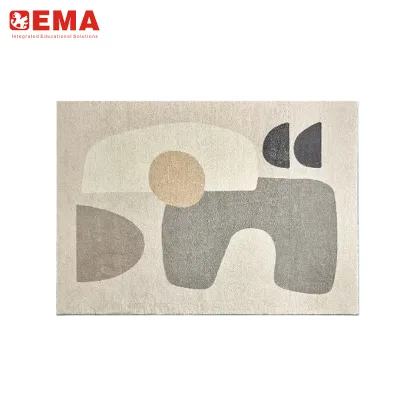


Eco-Friendly Anti-Slip Striped Door Mat for Stylish Indoor and Outdoor Use
$2.20 - $2.50
MOQ: 1000 Square Meters


Comprehensive Sourcing Guide
Eco-Friendly Woven Square Door Mat Sourcing Guide
Sourcing eco-friendly woven square door mats requires a nuanced understanding of material composition, manufacturing standards, and commercial terms that define value in the B2B sector. Buyers must navigate a market where "eco-friendly" is often a marketing term rather than a verified specification, necessitating rigorous due diligence to ensure that sustainability claims align with actual product attributes and supplier certifications. This guide provides a structured approach to evaluating suppliers, verifying technical specifications, and managing commercial risks associated with importing floor coverings from major manufacturing hubs.
The following sections detail the critical decision points for procurement professionals, focusing on evidence-based verification rather than generic advice. By adhering to the observed data and trusted category knowledge, buyers can construct a robust sourcing strategy that minimizes risk while maximizing product quality and compliance. The guidance below is designed to help buyers move beyond superficial product listings and engage with suppliers on a technical and commercial level that ensures long-term supply chain stability.
Product Scope and Observed Listing Signals
The observed market data indicates a wide variance in product attributes, with prices ranging from $0.60 to $39.59 USD and minimum order quantities (MOQs) spanning from 1 to 2,000 pieces. This broad range suggests that the category encompasses everything from low-cost promotional items to high-end, custom-designed floor coverings. Buyers should recognize that a low price point often correlates with simpler materials, such as basic rubber or synthetic blends, while higher price points may reflect complex weaving techniques, premium natural materials, or extensive customization options. Understanding this spectrum is crucial for aligning procurement goals with budget constraints and quality expectations.
Listing signals reveal that suppliers frequently offer OEM/ODM services, with model numbers such as "pvc14," "pvc13," and "doormat06" indicating a high degree of product variability. The presence of "Custom Design" and "Customized Color" attributes suggests that many suppliers are equipped to handle branded orders, which is essential for businesses seeking to incorporate their logo or specific color schemes into their floor mat inventory. However, buyers must verify whether these customization options are available at the desired MOQ, as some suppliers may restrict design changes to larger order volumes. The availability of samples is another positive signal, allowing buyers to physically assess material quality, texture, and durability before committing to a bulk purchase.
Technical Specifications to Verify
Material composition is the most critical technical specification to verify, as the term "woven" can apply to a variety of substrates including textile blends, natural rubber, and synthetic fibers. Observed data lists materials such as "Textile," "Blended," "Rubber," "Natural Rubber," and "Nappa Fiber + Diatom," highlighting the diversity within the category. Buyers must explicitly confirm the primary material and surface composition to ensure the product meets their specific performance requirements, such as slip resistance, water absorption, or durability. For instance, natural rubber offers superior grip and eco-friendly credentials, while blended textiles may provide better aesthetic versatility but different maintenance needs.
Dimensional and physical specifications also require careful verification, as observed data includes single package sizes of 120x60x50 cm and product standards like 500x800mm. Buyers should confirm the exact dimensions, thickness (observed at 5mm), and weight (observed at 100.0 kg gross weight for single packages) to ensure compatibility with their logistics and storage capabilities. Additionally, the product form, whether classified as a "Carpet," "Rugs," or "Doormat," impacts how the item is perceived and used. Verifying the shape, such as "Rectangular" or "Square," and the design style, such as "Modern" or "Classical," ensures that the product aligns with the intended application environment, whether it be a hotel lobby, a home entrance, or a commercial office space.
Compliance and Safety Documentation
Certification verification is paramount when sourcing eco-friendly products, as observed data lists a comprehensive set of certificates including BSCI, Sedex, Reach, Ca65, PAHs, RoHS, ISO9001, and Pfas. Buyers must request valid, up-to-date copies of these certificates and verify their authenticity with the issuing bodies. BSCI and Sedex certifications indicate adherence to social compliance standards, which is increasingly important for brands with strong corporate social responsibility (CSR) commitments. Meanwhile, chemical safety certifications like Reach, Ca65, and PAHs ensure that the product does not contain harmful substances, which is critical for indoor use in residential and commercial settings.
The presence of ISO9001 certification suggests that the supplier has a established quality management system, which can be a strong indicator of consistent product quality and reliable manufacturing processes. However, buyers should not assume that all listed certifications apply to every product variant. It is essential to confirm which specific models or material types are covered by each certificate. For example, a rubber-based mat may have different chemical compliance requirements than a textile-based one. Buyers should also inquire about OEKO-TEX certification, which is a trusted standard for textile safety, even if it is not explicitly listed in the observed data, to further validate the eco-friendly claims of woven textile products.
Cost Drivers and Commercial Terms
Pricing in this category is influenced by multiple factors, including material costs, customization complexity, and order volume. The observed price range of $0.60 to $39.59 USD reflects these variables, with higher prices likely associated with premium materials like natural rubber or Nappa fiber, as well as custom designs and packaging. Buyers should request detailed quotations that break down costs by material, labor, and packaging to understand the true cost drivers. It is also important to clarify whether the quoted price includes shipping, taxes, and duties, as these can significantly impact the total landed cost.
Commercial terms such as MOQ, payment methods, and lead times are critical for supply chain planning. The observed MOQ range of 1 to 2,000 pieces offers flexibility, but buyers should negotiate for lower MOQs if they are testing the market or require frequent replenishment. Payment terms, such as Money Gram, should be evaluated for security and convenience, with buyers considering the use of secure payment platforms for larger transactions. Additionally, lead times can vary based on customization requirements and production capacity, so buyers should establish clear timelines and penalties for delays to mitigate supply chain disruptions.
Supplier Qualification and Quality Control
Supplier qualification involves assessing the manufacturer's production capabilities, quality control processes, and track record. Buyers should verify the supplier's place of origin, with Jiangsu, China being a common hub for textile and rubber product manufacturing, known for its robust supply chain and manufacturing expertise. It is advisable to request factory audits or third-party inspection reports to evaluate the supplier's adherence to quality standards and ethical labor practices. Suppliers that accept OEM/ODM services should also demonstrate a clear process for design approval and sample production to ensure that the final product meets the buyer's specifications.
Quality control measures should be integrated into the procurement process, starting with sample approval and extending to pre-shipment inspections. Buyers should define clear quality criteria, including material consistency, stitching quality, and color accuracy, and communicate these to the supplier before production begins. Utilizing third-party inspection services can provide an objective assessment of the product quality and compliance with agreed-upon standards. Additionally, buyers should establish a clear process for handling defects or non-conforming products, including return policies and compensation mechanisms, to protect their interests and maintain supply chain integrity.
Long-Term Procurement Checks
Long-term procurement success depends on continuous monitoring of supplier performance and market trends. Buyers should establish key performance indicators (KPIs) such as on-time delivery rate, product quality consistency, and responsiveness to issues, and review these metrics regularly. Building a strong relationship with the supplier can lead to better pricing, priority production, and collaborative problem-solving. It is also important to stay informed about changes in material costs, regulatory requirements, and sustainability standards that may impact the sourcing strategy.
Sustainability should be a core component of the long-term procurement strategy, with buyers actively seeking suppliers that demonstrate a commitment to environmental responsibility. This includes verifying the use of recycled materials, energy-efficient manufacturing processes, and responsible waste management practices. Buyers should also consider the end-of-life disposal of the product, favoring materials that are biodegradable or recyclable. By prioritizing sustainability and continuous improvement, buyers can build a resilient and ethical supply chain that aligns with their brand values and meets the evolving expectations of their customers.
FAQs
What certifications do the eco-friendly woven square door mats have?
The mats hold multiple certifications including BSCI, Sedex, Reach, Ca65, PAHs, RoHS, ISO9001, and Pfas. These documents verify compliance with safety and environmental standards for international trade and ensure the products meet rigorous quality requirements for various commercial applications.
Can I request a custom design for the square rug?
Yes, custom designs are available for the square rug products. The manufacturer accepts OEM and ODM requests, allowing buyers to specify unique patterns, colors, and dimensions to match specific interior design needs or branding requirements for hotels and offices.
How thick are the eco-friendly woven square door mats?
The mats have a thickness of 5mm, providing a balance between comfort and durability. This specific dimension ensures the product remains stable on floors while offering sufficient cushioning for high-traffic areas like entrances, bathrooms, and commercial lobbies.
What is the minimum order quantity for these textile mats?
The minimum order quantity is 10 pieces for this specific product line. This low MOQ allows buyers to test the market or fulfill small project needs without committing to large inventory volumes, making it suitable for startups and boutique retailers.
Which materials are used to make the surface of the mat?
The surface material consists of Nappa Fiber combined with Diatom, offering a unique texture and absorbency. This blended composition ensures the mat is effective for indoor use while maintaining the eco-friendly attributes required for modern sustainable interior design projects.
Are samples available for the square rug before bulk ordering?
Samples are available for buyers to evaluate the product quality before placing a large order. This option allows clients to verify the texture, color accuracy, and anti-slip features, ensuring the final bulk shipment meets their specific expectations and standards.
Where are these woven square door mats manufactured?
These mats are manufactured in Jiangsu, China, a region known for its textile production capabilities. The origin ensures access to established supply chains and manufacturing expertise, facilitating efficient production and shipping for international buyers seeking reliable sourcing partners.