Source Eco Friendly Woven Pleated Skirt for casual wear, vintage events, and spring occasions
Compare 30 listings for Eco Friendly Woven Pleated Skirt options featuring materials like corduroy and polyester. Buyers can evaluate prices, MOQs, and customization services from suppliers in Guangdong, China.
Key considerations
Products List
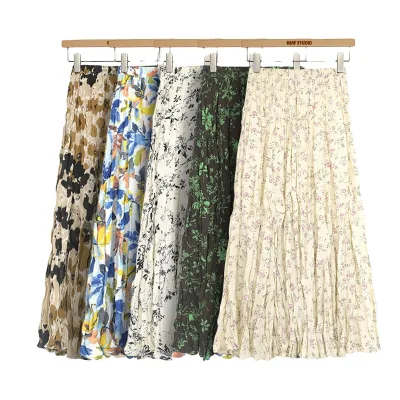
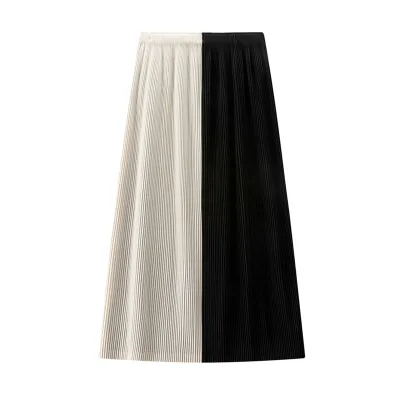

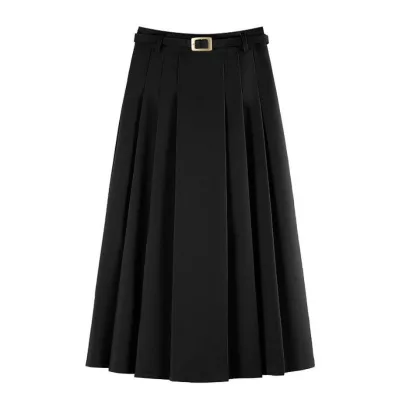


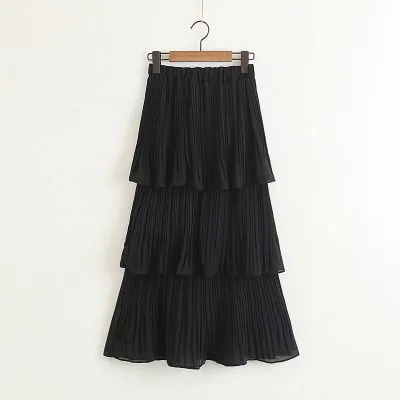

Women Tulle Skirt Elegant Pleated Skirts for Women MIDI Length Elastic Waist
$3.00 - $5.00
MOQ: 100 Pieces


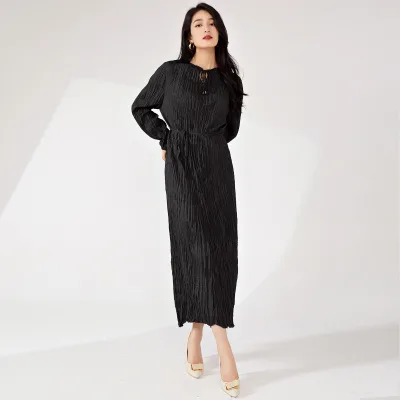
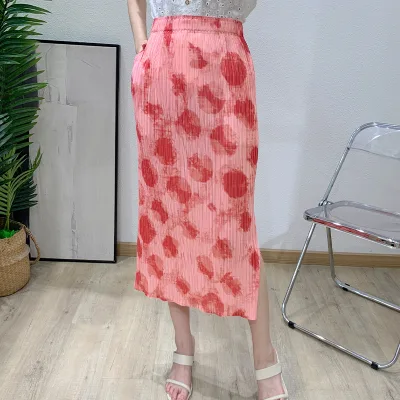
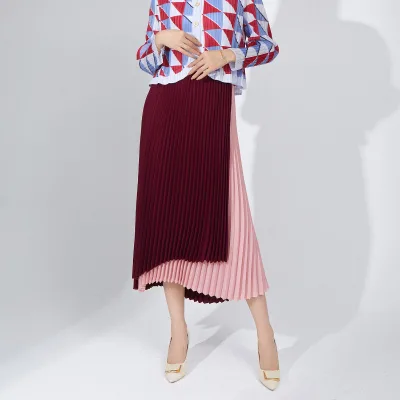
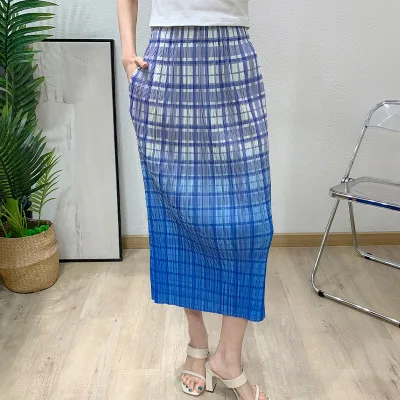
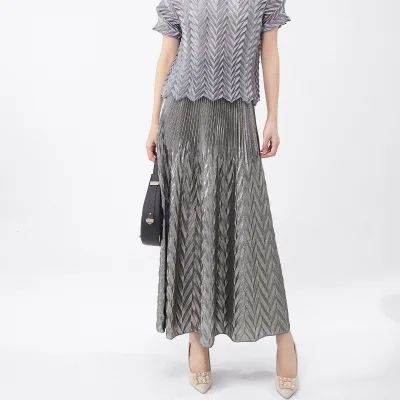
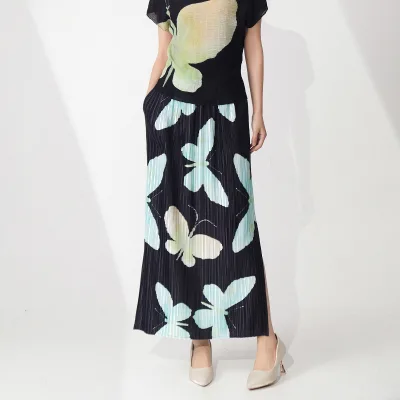
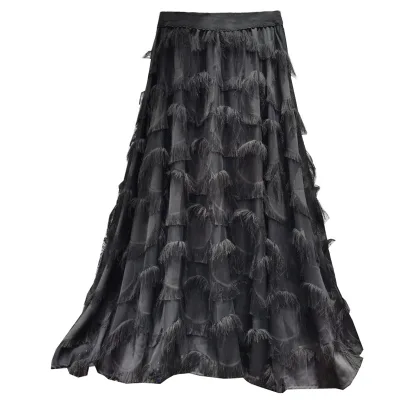
Comprehensive Sourcing Guide
Strategic Sourcing Guide for Eco-Friendly Woven Pleated Skirts
Understanding the Product Category and Technical Specifications
When sourcing an eco-friendly woven pleated skirt, buyers must first navigate a complex landscape of material definitions and construction techniques. The core keyword implies a garment that combines sustainability with specific structural aesthetics. In the context of available market data, the term "woven" refers to a fabric type created by interlacing two distinct sets of yarns, a method distinct from knitting or nonwoven processes. While some product listings in the broader market may cite "nonwoven" or "chiffon" as fabric types, a true woven pleated skirt typically relies on a stable fabric structure that holds a permanent press or heat-set pleat.
The technical specifications for this category often vary significantly between suppliers. Observed data indicates that skirt lengths can range from floor-length to midi, and waistlines may be natural or elasticated. The pleating technique itself is a critical differentiator; "pleated" is listed as a specific technical attribute, suggesting that the fabric undergoes a thermal or mechanical process to create permanent folds. This process requires a fabric with sufficient memory and weight to maintain the shape over time.
Material composition is the primary driver of the "eco-friendly" claim. While some listings mention "100% polyester" or "corduroy," the sustainability of these materials depends heavily on their source. Recycled polyester (rPET) is a common alternative to virgin synthetic fibers, offering a path to eco-friendliness without sacrificing the durability required for woven structures. Buyers should verify if the "100% polyester" listed in specifications is virgin or recycled. Additionally, the fabric weight, observed in some contexts as 80 grams, influences the drape and the feasibility of the pleating process. Heavier fabrics may require more robust pleating techniques, while lighter fabrics might need a specific lining to maintain the skirt's silhouette.
Compliance and Certification Verification
In the B2B sector, the term "eco-friendly" is often subject to greenwashing unless backed by third-party verification. Buyers must approach certification claims with a rigorous verification framework. The supplied data references specific standards such as SGS, BV, and ISO9001. These are critical benchmarks for quality management and supply chain auditing. ISO9001, for instance, indicates that the supplier has a certified quality management system, which is a prerequisite for consistent production of complex items like pleated skirts.
However, ISO9001 and SGS/BV audits do not automatically certify the environmental sustainability of the raw materials. To substantiate the "eco-friendly" claim, buyers should look for specific textile certifications. While the provided text mentions GOTS and OEKO-TEX as background concepts, these are the industry gold standards for organic fibers and chemical safety, respectively. A buyer should explicitly request proof of GOTS (Global Organic Textile Standard) certification if the skirt is marketed as organic cotton or organic blend. Similarly, OEKO-TEX Standard 100 ensures that the final product is free from harmful substances, which is a crucial component of a responsible supply chain.
The data also notes "Ertification" (likely a typo for Certification) as a category, but it does not list specific environmental badges like FSC or specific recycled content percentages. Therefore, the procurement strategy must include a direct inquiry into the material origin. Buyers should ask for a Material Safety Data Sheet (MSDS) and a certificate of origin that details the fiber composition. If the supplier claims the product is made from recycled materials, they must provide a chain-of-custody document or a recycled content certificate from a recognized body. Without these documents, the "eco-friendly" label remains an unverified marketing assertion rather than a compliant product attribute.
Cost Drivers and Pricing Structures
The cost of sourcing a woven pleated skirt is influenced by a confluence of factors, including material sourcing, labor intensity, and order volume. The observed price range in the market spans from $1.76 to $24.00 USD. This wide variance is not merely a reflection of brand premium but is heavily dictated by the technical complexity of the pleating and the quality of the fabric.
The Minimum Order Quantity (MOQ) is a significant cost driver. Data indicates MOQs can range from as low as 2 pieces to as high as 500 pieces. For a buyer seeking to test the market or launch a small collection, a low MOQ supplier is essential, though the unit cost will likely be higher. Conversely, high-volume orders allow for better economies of scale, particularly in the pleating process, which is often a specialized, labor-intensive step. The "200PCS" MOQ mentioned in some contexts suggests a threshold where the cost per unit begins to stabilize.
Labor costs also play a pivotal role. The "150 People" workforce mentioned in supplier profiles suggests a medium-to-large scale operation, which can impact pricing based on regional labor rates. The "Custom Made Designs" attribute implies that any deviation from standard patterns will incur additional setup costs. Furthermore, the "Heat-transfer printing" and "Logo position" on the waist are value-added services that increase the final price. Buyers must also consider the "Sample Time" of 5-7 working days and the "7 days sample order lead time." Rushing these processes or requiring expedited shipping via "Sea, Air, or Express" will directly inflate the landed cost.
| Cost Factor | Low-Volume Scenario | High-Volume Scenario | Impact on Unit Price |
|---|---|---|---|
| MOQ | 2-20 pieces | 200-500+ pieces | Higher unit cost at low volumes |
| Material | Virgin Polyester | Recycled Polyester (rPET) | rPET may have a premium or discount depending on market |
| Pleating | Standard Pleats | Custom/Complex Pleats | Custom pleats increase labor cost significantly |
| Logistics | Express Air | Sea Freight | Air freight can double the logistics cost |
| Customization | Standard Logo | Custom Heat-transfer/Print | Custom graphics add setup and per-unit fees |
Typical Applications and Market Segmentation
The versatility of the woven pleated skirt allows it to serve multiple market segments, from casual wear to more formal occasions. The observed "Occasion: Casual Life" and "Style: Vintage" attributes indicate a strong presence in the everyday fashion market. The "Spring" seasonality suggests that these skirts are often designed for transitional weather, utilizing fabrics that are breathable yet structured.
The "Women Comfortable skirt" designation highlights a focus on consumer comfort, which is a key selling point in the current market. The "One Size" or "One size fits all" specifications cater to a broad demographic, reducing the complexity of inventory management for retailers. However, the "Age Group: Children" attribute in the data suggests that similar designs may be adapted for younger demographics, though the primary focus for "Women" remains the core adult market.
Applications extend beyond simple casual wear. The "Vintage" style and "Floor-Length" or "Midi" options make these skirts suitable for semi-formal events, bohemian-themed gatherings, or even specific cultural celebrations. The "Bud" design and "White" or "Black and white" color options offer a neutral palette that can be easily accessorized, making them a staple for wardrobe building. For B2B buyers, understanding these applications helps in positioning the product correctly. A skirt marketed as "Casual Wear" will have different sales channels than one positioned as "Vintage" or "Eco-Friendly" luxury.
Supplier Evaluation and Operational Capabilities
Selecting the right supplier requires a deep dive into their operational capabilities and reliability. The data points to suppliers with "Supply Type: In-Stock Items" and "OEM Service," indicating flexibility in both immediate fulfillment and custom manufacturing. A supplier offering "OEM Service" is essential for buyers looking to brand the product, as they can handle the "Heat-transfer printing" and "Logo position" requirements.
The "Place of Origin: Guangdong, China" is a significant indicator of the supply chain's maturity. Guangdong is a major hub for textile manufacturing, offering access to a robust ecosystem of fabric mills, dye houses, and garment factories. This concentration of resources often leads to shorter lead times and better quality control. However, buyers must verify the specific factory's capacity. The mention of "150 People" suggests a mid-sized operation, which may offer a balance between the flexibility of a small workshop and the capacity of a large factory.
Payment terms are another critical evaluation metric. The "Payment Way: Tt/Paypal/Cash" options provide flexibility, but buyers should prioritize secure payment methods like Telegraphic Transfer (TT) for larger orders to ensure financial protection. The "Port: Guangzhou, Shenzhen, Shanghai" locations confirm that the supplier has established logistics channels, which is vital for international shipping. Buyers should also assess the "Transportation" options; a supplier offering multiple modes (Sea, Air, Express) demonstrates logistical agility, which is crucial for managing inventory levels and responding to market demand.
Quality Control and Long-Term Procurement Considerations
Quality control for woven pleated skirts is paramount, as the pleating process is irreversible. Once a fabric is pleated, it cannot be easily un-pleated or re-pleated without damaging the material. Therefore, the initial quality inspection must be rigorous. Buyers should verify the "Fabric Weight" consistency, as variations can lead to uneven pleats. The "Single gross weight" of 0.35 kg per unit is a specific data point that can be used to verify shipping accuracy and ensure that the product matches the description.
Long-term procurement considerations involve building a sustainable relationship with the supplier. The "7 days sample order lead time" and "5-7 Working Days" sample time indicate a responsive supply chain. However, buyers must plan for the full production lead time, which may extend beyond the sample phase. The "Custom Made Designs" attribute implies that any design changes will require a new sample cycle, so finalizing the design before mass production is essential to avoid delays.
Sustainability is a long-term consideration that goes beyond the initial purchase. Buyers should establish a protocol for regular audits of the supplier's environmental practices. While the data mentions "SGS, BV, ISO9001," these are general standards. For a true eco-friendly partnership, buyers should request updates on the supplier's progress toward specific environmental goals, such as water reduction in dyeing or energy efficiency in the pleating process. The "Available Colors: Refer to Tpx" note suggests a standardized color system, which aids in consistency but requires verification that the dyes used meet eco-friendly criteria.
In conclusion, sourcing an eco-friendly woven pleated skirt requires a meticulous approach that balances technical specifications, compliance verification, and supplier reliability. By focusing on the interplay between material quality, pleating technology, and supply chain transparency, buyers can secure products that meet both aesthetic and ethical standards. The wide range of observed prices and MOQs offers opportunities for buyers at various stages of growth, provided they conduct thorough due diligence on the supplier's capabilities and certifications.
FAQs
What certifications verify eco-friendly claims for these skirts?
The provided data lists SGS, BV, and ISO9001 as available certifications. Buyers must explicitly request GOTS or OEKO-TEX documentation to substantiate environmental sustainability claims, as general quality audits do not confirm organic fiber content or chemical safety.
How does the MOQ affect the unit price for these skirts?
Minimum Order Quantities range from 2 pieces to 500 pieces, directly influencing the final cost per unit. Lower volumes like 2 pieces typically incur higher prices, while orders meeting thresholds like 200 pieces often stabilize costs through better economies of scale.
Which fabric materials are available for woven pleated skirts?
Available materials include 100% polyester and corduroy, with some listings specifying chiffon or nonwoven types. Buyers should verify if the polyester is recycled to meet eco-friendly standards, as virgin synthetic fibers do not automatically qualify as sustainable.
Can suppliers provide custom designs with specific lead times?
Yes, suppliers offer custom-made designs with a sample lead time of 5 to 7 working days. Full production lead times vary, but the capability to handle heat-transfer printing and logo placement on the waist is confirmed for OEM services.
Where are these skirts manufactured and what are the shipping options?
Products originate from Guangdong, China, with ports available in Guangzhou, Shenzhen, and Shanghai. Shipping can be arranged via sea, air, or express transport, allowing flexibility based on urgency and budget requirements for international delivery.
What are the typical size and length specifications for these skirts?
Skirts are available in one-size-fits-all options or specific sizes, with lengths ranging from midi to floor-length. The waistline is typically natural, and the fabric weight is observed at 80 grams, influencing the drape and pleat retention.