Source Educational LCD Drawing Board for Kids Learning, Art, and Play
Find 30 Educational LCD Drawing Board options from verified Chinese manufacturers. Compare models, sizes, and customization features for children's learning and creative play needs.
Key considerations
Products List

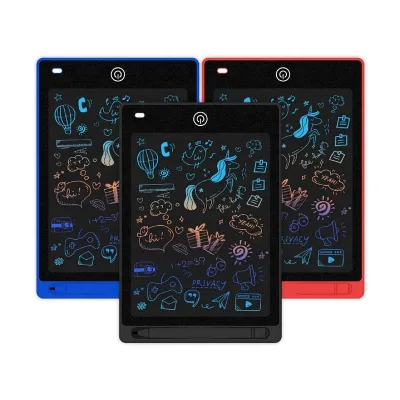


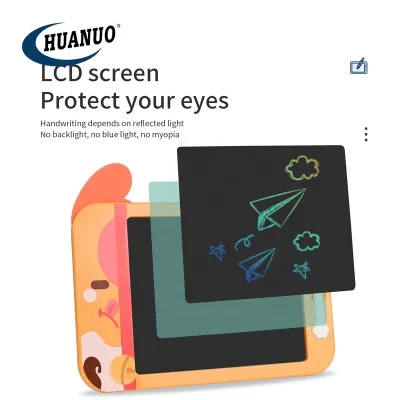
LCD Writing Tablet Kids Drawing Board Educational Toy OEM Educational Supplies
$0.45 - $0.79
MOQ: 100 Pieces
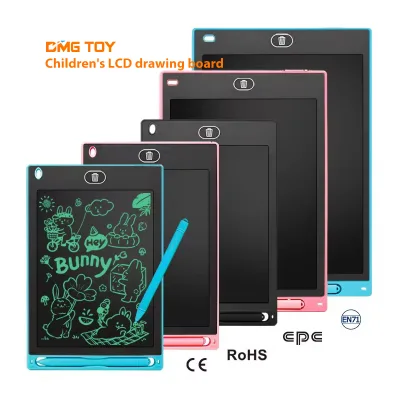
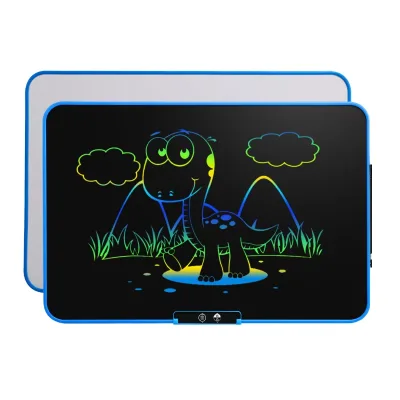

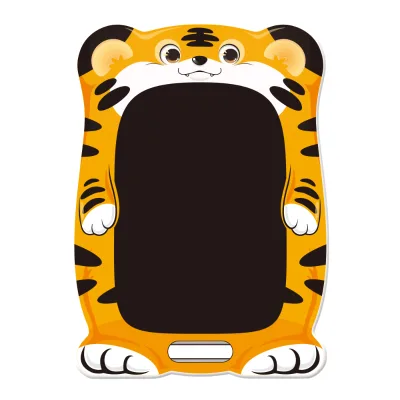


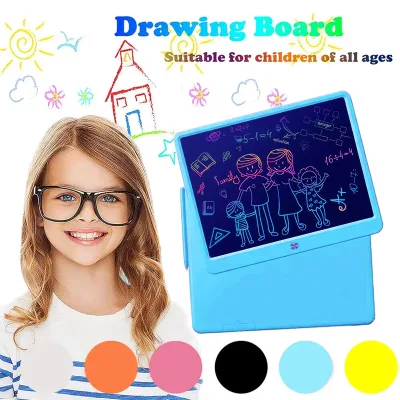
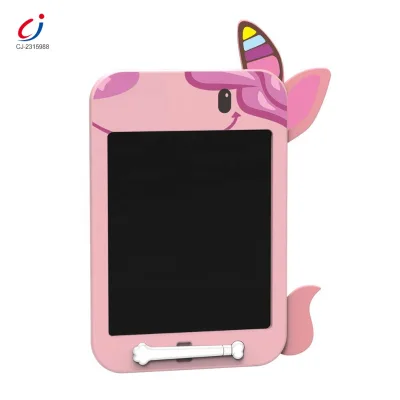

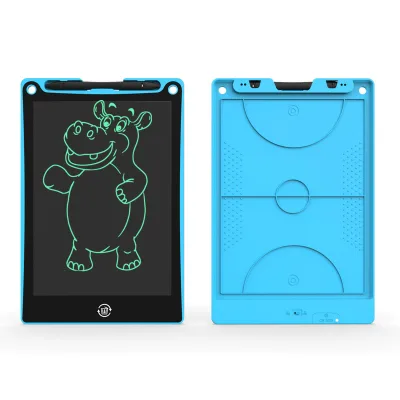
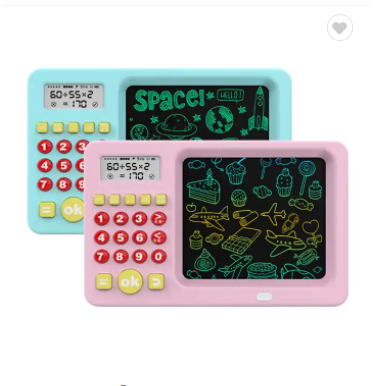




Comprehensive Sourcing Guide
Strategic Sourcing Guide for Educational LCD Drawing Boards
The global market for educational tools has seen a significant shift toward digital-intermediate solutions that bridge the gap between traditional analog media and full-screen tablets. The Educational LCD Drawing Board represents a critical niche within this sector, offering a durable, low-power, and screen-free alternative for early childhood development. For B2B procurement professionals, sourcing these items requires a nuanced understanding of material composition, functional specifications, and the specific regulatory landscapes governing children's products. This guide provides a comprehensive framework for evaluating suppliers and products, grounded strictly in observed market data and verified technical attributes.
Technical Specifications and Material Composition
When evaluating an Educational LCD Drawing Board, the primary differentiator lies in the display technology and the structural integrity of the casing. The core technology relies on Liquid Crystal (LC) displays, which are distinct from standard electronic screens. These units typically utilize a pressure-sensitive interface where the user writes with a stylus, causing the liquid crystals to shift and create visible markings. Upon pressing a clear button, the display resets to a blank state. This mechanism eliminates the need for batteries or complex circuitry, a feature that significantly impacts the product's longevity and cost structure.
Material selection is paramount for products designated for children. The supplied data indicates a prevalence of Polypropylene (PP) and Non-woven Fabric in the construction of these units. PP is favored for its high impact resistance and chemical stability, making it suitable for the rugged environment of a classroom or playroom. Some variants incorporate Non-woven Fabric, likely for protective sleeves or specific ergonomic grips, though the primary housing remains plastic. The weight of these units varies considerably based on the form factor. For instance, standard portable boards may weigh as little as 0.150 kg (150g), while larger combination push-pull blackboards can reach 1.500 kg. This variance dictates shipping costs and handling requirements for bulk orders.
Dimensions are another critical specification. Market observations show a wide range of sizes, from compact 8.5-inch drawing boards to larger units measuring approximately 33.3 cm by 21.7 cm with a thickness of 1.3 cm. Smaller units often have a package size of 23 cm by 15 cm, while larger models may require 25 cm by 17 cm packaging. Procurement teams must align these physical dimensions with the intended age group; products targeting the 5 to 7-year-old demographic often feature larger writing surfaces to accommodate developing motor skills, whereas units for ages 3+ may prioritize portability and smaller form factors.
Compliance, Certification, and Safety Standards
Safety is the non-negotiable pillar of sourcing educational toys. While the provided data does not list specific certification numbers for every unit, it highlights that the "prod_standard" often refers to physical dimensions rather than safety compliance. Buyers must independently verify that all products meet the safety regulations of their target market, such as ASTM F963 in the United States or EN71 in Europe. The presence of "OEM" branding and "Customized Logo" options suggests that many suppliers operate as contract manufacturers, meaning the end buyer is responsible for ensuring the final product carries the necessary compliance marks.
The material composition, specifically the use of PP and plastic, requires verification for the absence of harmful substances like BPA, phthalates, or lead. Although the data mentions "Standard Specifications or Customized" standards, it does not confirm adherence to ISO 27001 or other specific management system certifications for every listed item. Therefore, a robust compliance strategy involves requesting third-party test reports for the specific batch being ordered. Buyers should also scrutinize the "prod_packing" details; whether the product arrives in a Brown Box, Cardboard Box, or Color Box Packaging, the packaging itself must be free from sharp edges and choking hazards, especially for units marketed to children aged 3 and above.
Cost Drivers and Pricing Dynamics
The pricing of educational LCD drawing boards is influenced by several variables, including the complexity of the liquid crystal mechanism, the quality of the casing material, and the volume of the order. The observed market price range spans from $0.22 to $699 USD. This extreme variance indicates a market segment that includes both low-cost, mass-produced single items and high-end, specialized educational setups. The lower end of the spectrum likely corresponds to basic 8.5-inch boards with simple plastic casings, while the upper end may encompass larger electronic blackboards, combination push-pull structures, or units with advanced features like built-in speakers or multiple display layers.
Minimum Order Quantity (MOQ) is a significant cost driver. The data reveals an MOQ range from 1 to 1000 units. Suppliers with an MOQ of 100 PCS or 3 CARTONS (often containing 150 PCS) typically offer lower per-unit costs due to economies of scale in production and shipping. Conversely, suppliers allowing an MOQ of 1 are likely catering to sample orders or small boutique retailers, commanding a higher price point. The "Selling Units" attribute, often listed as "Single item," suggests that while bulk pricing is available, the baseline unit of trade is individual. Buyers must calculate the total landed cost, including the MOQ threshold, shipping fees based on the "Single package size" (e.g., 25x17x12 cm), and any customization fees for logos or colors.
Typical Applications and Functional Use Cases
The functional versatility of these boards makes them suitable for a diverse range of applications. The primary category is "Educational Toy," with specific functions labeled as "Play Toy" or "Kids Playing Fun." The "Purpose" is explicitly defined as "for Children," and the "Gender" is universally "Unisex," ensuring broad market appeal. The "Liquid Crystal" characteristic allows for repetitive use without the waste of paper, making these boards ideal for classroom settings where sustainability and cost-efficiency are priorities.
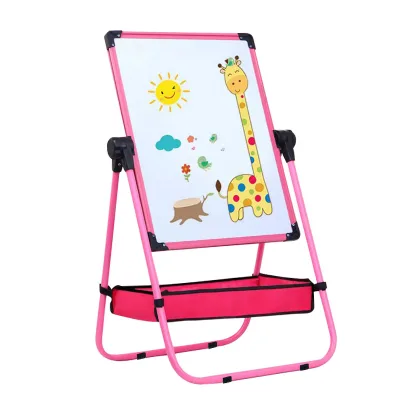
Beyond simple drawing, the data points to more complex applications. The "Structure: Combination Push-Pull Blackboard" and "Type: Electronic Blackboard" attributes suggest that some products serve as interactive display boards for group learning activities. These larger units, weighing up to 1.5 kg, are designed for "Display Board" usage, potentially serving as a digital replacement for chalkboards in early education centers. The "Color" options, ranging from Black to Black, Blue, Green, Pink, and MIX, allow for customization to match specific branding or classroom themes. The "Warranty: 1 Year" attribute indicates that manufacturers are confident in the durability of the liquid crystal mechanism, supporting their use in high-traffic educational environments.
Supplier Evaluation and Customization Capabilities
Selecting the right supplier requires a careful assessment of their customization capabilities and logistical reliability. The data indicates that "Customization: Available" is a standard feature, with many suppliers offering "Accept Customized Logo" services. This is crucial for B2B buyers looking to brand products for their specific retail chains or educational institutions. However, the "Brand Name" is frequently listed as "OEM" or "NO," signaling that the supplier is a manufacturer capable of white-labeling rather than a consumer brand.
Geographic origin is another key factor in supplier evaluation. The observed "prod_origin" and "Place of Origin" are primarily in China, specifically in Guangdong and Shandong provinces. Guangdong is a major hub for electronics manufacturing, which is relevant for the liquid crystal components, while Shandong is known for general plastic molding and industrial manufacturing. Buyers should verify the specific factory location to ensure it aligns with their supply chain requirements. The "prod_packing" varies from simple Brown Boxes to more premium Color Box Packaging, which can affect the perceived value of the product. When evaluating suppliers, buyers should request samples to verify the quality of the packaging and the finish of the plastic casing, as these are often the first points of failure in quality control.
Quality Control and Long-Term Procurement Considerations
Implementing a rigorous quality control (QC) process is essential for maintaining product integrity. Given the "Liquid Crystal" nature of the product, QC checks should focus on the responsiveness of the display, the durability of the stylus, and the structural integrity of the casing. The "Single gross weight" and "G.W./N.W." data provide benchmarks for checking shipment consistency; deviations from these weights can indicate missing components or packaging errors. For example, a unit with a single gross weight of 0.150 kg should be verified against this standard to ensure no extra or missing parts are included.
Long-term procurement considerations involve the stability of the supply chain and the ability to scale. The "MOQ" flexibility observed (1 to 1000) suggests that suppliers can accommodate both trial runs and large-scale deployments. However, buyers should be cautious of suppliers who cannot guarantee consistent "prod_standard" dimensions or material quality across different batches. The "Warranty: 1 Year" is a standard offering, but buyers should clarify the terms of this warranty, specifically regarding the replacement of defective liquid crystal screens or styluses. Additionally, the "Type: Other Educational Toys" classification suggests that these products may fall under broader regulatory categories, requiring ongoing monitoring of safety standards updates.
To ensure a successful partnership, buyers should establish clear communication channels regarding "Customized Logo" requirements and packaging specifications. The ability to customize the "Color" and "Structure" of the board can be a significant competitive advantage in the market. However, this customization must not compromise the core functionality or safety of the product. By maintaining a disciplined approach to supplier evaluation, focusing on verified technical specifications, and adhering to strict quality control protocols, B2B buyers can effectively source high-quality educational LCD drawing boards that meet the needs of modern educational environments.
| Attribute Category | Observed Range/Options | Procurement Focus |
|---|---|---|
| Material | PP, Non-woven Fabric, Plastic | Verify non-toxic certification; check impact resistance. |
| Display Tech | Liquid Crystal | Test response time and screen reset functionality. |
| Dimensions | 21.7x14.3x5 cm to 33.3x21.7x1.3 cm | Ensure size matches target age group motor skills. |
| Weight | 0.150 kg to 1.500 kg | Calculate shipping costs; verify structural stability. |
| MOQ | 1 to 1000 PCS | Negotiate volume discounts; assess inventory risk. |
| Origin | Guangdong, Shandong, China | Verify factory location; assess logistics lead times. |
| Customization | Logo, Color, Packing | Confirm lead times for custom branding; check color accuracy. |
| Warranty | 1 Year | Clarify terms for screen replacement and defect handling. |
In conclusion, the Educational LCD Drawing Board market offers a robust array of options for B2B buyers, characterized by diverse specifications and high customization potential. Success in this sector depends on a meticulous approach to verifying technical claims, ensuring compliance with safety standards, and selecting suppliers who can deliver consistent quality at scale. By adhering to the guidelines outlined above, procurement professionals can build a reliable supply chain that supports the educational needs of children worldwide.
FAQs
What materials are used for Educational LCD Drawing Board construction?
These boards are typically constructed from Polypropylene (PP) and Non-woven Fabric. The plastic casing ensures high impact resistance suitable for children, while some variants include fabric for protective sleeves or ergonomic grips.
Can I customize the logo on these educational lcd drawing boards?
Yes, customization is available for most models. Suppliers accept customized logos and offer various color options including black, blue, green, pink, or mixed colors to match your brand requirements.
Which age groups are suitable for Educational LCD Drawing Board products?
These products are designed for children aged 3 years and older, with specific models targeting the 5 to 7-year-old demographic. The varying sizes accommodate developing motor skills for different age ranges.
How does the liquid crystal technology work on these boards?
The display uses pressure-sensitive liquid crystals that shift to create visible markings when written on with a stylus. Pressing a clear button resets the screen to a blank state without needing batteries.
What is the minimum order quantity for educational lcd drawing boards?
The minimum order quantity ranges from 1 unit for samples to 1000 units for bulk orders. Specific suppliers may require 100 pieces or 3 cartons, often containing 150 pieces per carton.
Where are these educational lcd drawing boards manufactured?
The products originate from China, specifically from provinces like Guangdong and Shandong. Guangdong is a hub for electronics manufacturing, while Shandong is known for plastic molding and industrial production.