Source Educational Multifunction Building Block Toy for Kids, Schools, and Homes
Find 30 verified options for the Educational Multifunction Building Block Toy designed for creativity and hand training. Compare specifications, certifications, and prices from suppliers in China to select the best fit for children's education needs.
Key considerations
Products List




Comprehensive Sourcing Guide
Educational Multifunction Building Block Toy Sourcing Guide
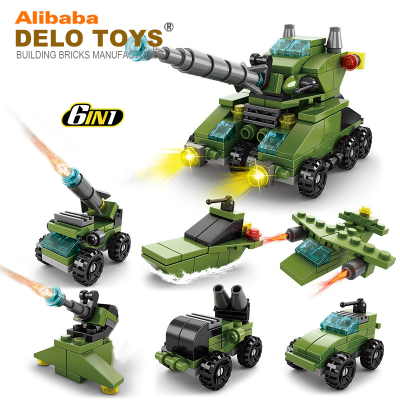
The Educational Multifunction Building Block Toy market offers a diverse range of products designed to foster creativity and hand training while adhering to strict safety protocols for children aged three and above. These toys are primarily constructed from durable materials such as ABS plastic, PVC, and wood, catering to both indoor and table-top play environments. The core value proposition for buyers lies in the system's ability to provide a completely structured guide for children, ensuring that the play experience is not only entertaining but also serves a distinct educational purpose.
When sourcing these items, procurement teams must navigate a landscape where customization is available and sole agency arrangements are welcome, indicating a market that supports both standard inventory and tailored product lines. The observed product range includes specific models like THY-C6403-1 and RFD313626, which vary in dimensions and packaging, from color boxes to standard cartons. Buyers should recognize that while the general category is defined by colorful, unisex building blocks, the specific material composition and origin, whether from Lishui, Zhejiang, or Shantou, will dictate the final product characteristics and supply chain logistics.
Product Scope and Observed Listing Signals
Buyers must first distinguish between the various material compositions available in the current market, as the choice between ABS, PVC, and wood significantly impacts the toy's durability, texture, and end-user experience. The data indicates a strong presence of ABS plastic products, which are often associated with high precision and interlocking strength, alongside PVC and wood options that may offer different tactile feedback or aesthetic qualities. Understanding these material distinctions is critical for aligning product selection with specific brand positioning, whether the goal is to offer a premium, high-durability set or a cost-effective, lightweight alternative.
The scope of these products extends beyond simple construction to include multifunctional capabilities that support creativity and hand training, making them suitable for a wide range of educational applications. Listings frequently highlight attributes such as "Supper Building Block" and "Educational Toy" styles, suggesting that the functional design is intended to engage children in complex assembly tasks that develop fine motor skills. Procurement teams should verify that the specific models they select, such as those with model numbers like KT-372305 or RFD341411, explicitly support the intended educational outcomes and are packaged appropriately, whether in color boxes for retail display or standard cartons for bulk distribution.
Technical Specifications to Verify
Verification of physical dimensions and packaging standards is essential to ensure that the selected building block sets fit within the intended retail or distribution channels without incurring unexpected logistics costs. The observed specifications reveal a wide variance in product sizes, ranging from compact units measuring 2828cm to larger sets with carton dimensions reaching 7038.554.5cm. Buyers must carefully cross-reference the listed standard dimensions, such as 38258.5cm or 5549*81cm, against their own storage and shipping constraints to prevent overage charges or inefficient palletization during the supply chain process.
In addition to external dimensions, the internal specifications regarding the product model and material type must be rigorously checked to ensure consistency across the order. The supply data points to specific model identifiers like THY-R6101-3 and RFD331192, which correspond to distinct material and functional profiles. It is imperative to confirm that the "Plastic Type" listed as ABS or the alternative materials match the design requirements, as discrepancies in material specifications can lead to variations in color vibrancy, structural integrity, and overall product performance that may not be immediately apparent from the initial listing.
Compliance and Safety Documentation
Safety compliance is the non-negotiable foundation of sourcing educational toys for children, requiring verification that products meet rigorous international standards such as CE, EN71, and ASTM F963-96A. The available data confirms that many products in this category carry certifications including CE, EN71-3, and ASTM F963-96a, which are critical for market access in Europe and North America. Buyers must ensure that the specific units they procure are accompanied by valid test reports that explicitly validate these standards, as the absence of such documentation can result in customs delays, product recalls, or legal liabilities in the destination market.
Beyond the primary safety certifications, procurement teams should also look for additional regulatory marks such as CPC and CCC, which may be required depending on the specific target market and the material composition of the toy. The presence of a "100% Safe for Children" attribute in listings is a strong indicator of intent, but it must be substantiated by third-party testing data that covers mechanical safety, flammability, and chemical migration limits. Buyers should request a comprehensive compliance dossier for each model, ensuring that the testing covers the specific age group of 3+ and that the safety claims are backed by the relevant certification bodies listed in the product specifications.
Cost Drivers and Commercial Terms
The commercial landscape for these toys is influenced by a wide range of factors, including the Minimum Order Quantity (MOQ) which can vary from 1 to 500 units, and the specific customization requirements that may be available. Buyers should anticipate that orders requiring sole agency status or specific customization features may command different pricing structures compared to standard off-the-shelf inventory. The observed price range of 1 to 99,999 USD suggests a significant disparity in value propositions, likely driven by the complexity of the set, the volume of pieces, and the specific material costs associated with ABS, PVC, or wood construction.
Negotiating effective commercial terms requires a clear understanding of the packaging and origin logistics, as these elements directly impact the landed cost of the goods. Products originating from locations like Lishui, Zhejiang, or Shantou may have different freight profiles, and the choice between color box packaging and standard cartons will affect the cubic meter (CBM) calculations, such as the noted 0.402/cbm for certain models. Procurement teams must analyze the total cost of ownership, including the potential for volume discounts on larger orders and the impact of packaging efficiency on shipping expenses, to ensure that the final cost aligns with the target retail price point.
Supplier Qualification and Quality Control
Establishing a robust supplier qualification process is vital when dealing with manufacturers that offer a "Completely System" guide and welcome sole agent relationships, as these terms imply a high level of partnership and exclusivity. Buyers should verify the supplier's capacity to maintain consistent quality across different product lines, particularly when dealing with multiple origins such as Guangdong, China, or specific cities like Lishui and Shantou. The ability to provide a "Guide" for the product suggests that the supplier may also offer technical support or assembly instructions, which should be evaluated as part of the overall service level agreement.
Quality control measures must be implemented to ensure that the "100% Safe for Children" claim is consistently met across all production batches. This involves conducting pre-shipment inspections that focus on the integrity of the interlocking mechanisms, the accuracy of the color application, and the absence of any sharp edges or small parts that could pose a choking hazard. Given the diverse range of models and materials, a standardized inspection protocol is necessary to validate that every unit, from the THY series to the RFD series, meets the agreed-upon specifications and safety standards before leaving the factory.
Long-Term Procurement Checks
Sustaining a successful procurement relationship requires ongoing monitoring of product performance and market feedback to ensure that the educational value and safety standards remain consistent over time. Buyers should establish a feedback loop with end-users to identify any recurring issues with the building blocks, such as wear and tear on the ABS plastic or difficulties in assembly that might indicate a design flaw. Regular audits of the supplier's quality control processes and certification renewals are necessary to maintain compliance with evolving international safety regulations and to protect the brand's reputation.
Long-term planning also involves assessing the supplier's ability to adapt to changing market demands, such as the introduction of new materials or the expansion of the product line to include more complex multifunctional sets. The availability of customization and the welcome nature of sole agent arrangements suggest that the supply chain is flexible, but buyers must ensure that these capabilities are maintained as the business scales. Continuous engagement with the supplier to review production lead times, inventory levels, and potential supply chain disruptions will help mitigate risks and ensure a steady flow of high-quality educational toys for the market.
FAQs
What certifications do these educational multifunction building block toys have?
These toys hold CE, EN71, ASTM F963-96A, CPC, and CCC certifications. These standards ensure compliance with international safety requirements for children's products. The materials used, including ABS plastic and wood, are tested to meet rigorous safety benchmarks. This documentation supports import compliance and retailer trust in the product's safety profile for global markets.
Can these building blocks be customized for specific branding needs?
Yes, customization is available for these educational multifunction building block toys. Buyers can explore options for tailored designs or packaging solutions to meet specific market requirements. The supplier welcomes sole agency arrangements and provides comprehensive system guidance. This flexibility allows businesses to align the product with their unique brand identity and distribution strategies effectively.
What materials are used in these multifunctional building block sets?
The sets utilize high-quality ABS plastic, PVC, and wood materials. ABS plastic is noted for its durability and safety, while wood offers a natural alternative. These materials are selected to ensure the toys are 100% safe for children aged three and above. The choice of material supports the educational function and creativity training aspects of the product design.
Where are these educational toys manufactured and shipped from?
These toys originate from manufacturing hubs in Lishui, Zhejiang, and Shantou, Guangdong, China. The products are packed in color boxes or standard cartons for efficient logistics. The origin locations are known for their robust toy manufacturing infrastructure. This ensures consistent quality control and reliable supply chain management for international buyers seeking these educational products.
What age group is suitable for these multifunctional building block toys?
These toys are designed for children aged three and above. The design focuses on creativity and hand training, making them ideal for early childhood education. The unisex nature of the product ensures broad appeal across different demographics. The sturdy construction and safe materials are specifically tailored to meet the developmental needs and safety standards for this age group.
What are the standard packaging dimensions for these building block sets?
Packaging varies by model, with some items measuring 28x28cm or 38x25x8.5cm. Larger carton sizes include dimensions like 70x38.5x54.5cm for bulk shipping. Individual units are packed in color boxes or standard cartons. These specifications help buyers calculate shipping volumes and storage requirements accurately. The packaging is designed to protect the toys while optimizing logistics efficiency.