Source Educational Magic Balloon Inflator for Parties, Events, and Displays
Compare 30 Educational Magic Balloon Inflator options from verified suppliers. These units support creative play and advertising with features like built-in fans and durable materials for diverse event needs.
Key considerations
Products List
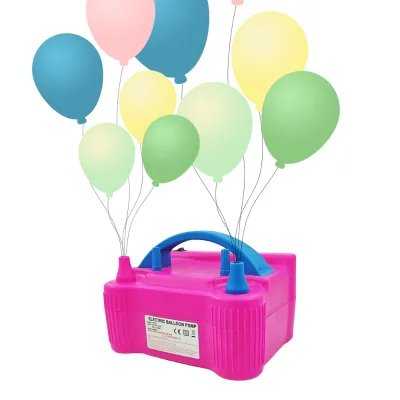
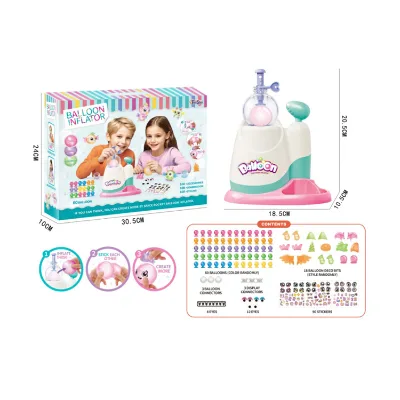
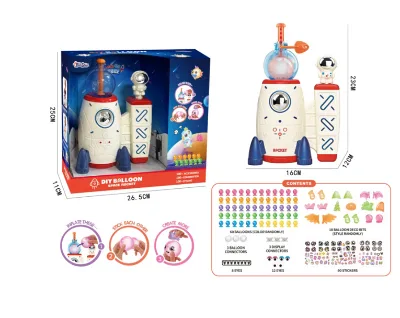
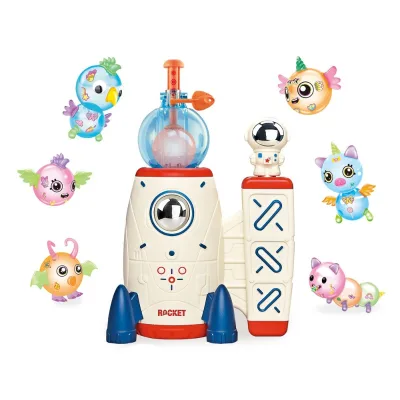

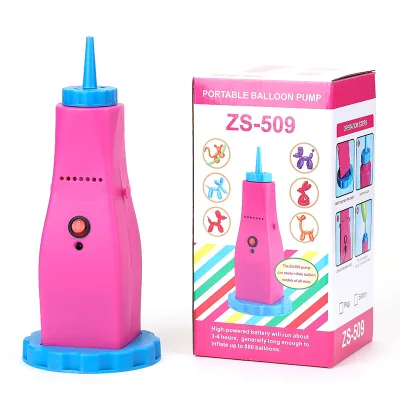
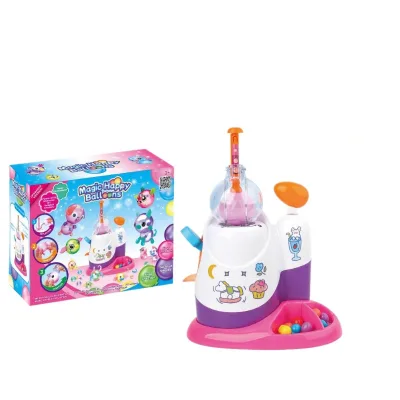


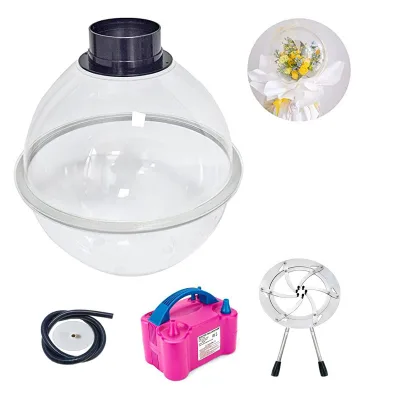
Comprehensive Sourcing Guide
Sourcing Guide for Educational Magic Balloon Inflators
Understanding Product Variants and Core Specifications
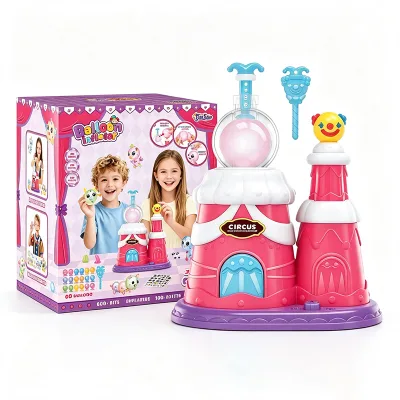
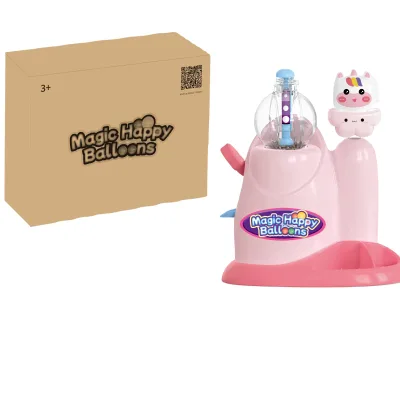
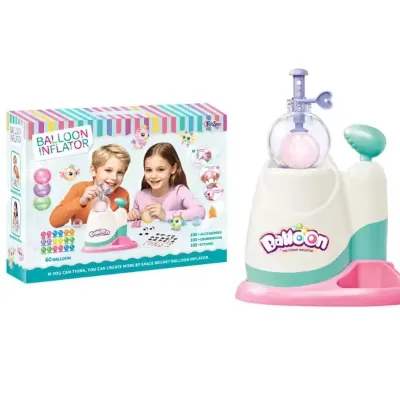
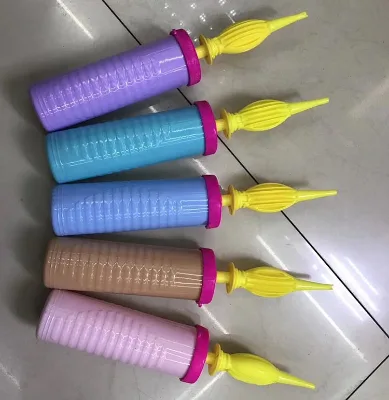
When sourcing educational magic balloon inflators, buyers must first navigate the significant diversity in product definitions found within the current market. The term "balloon inflator" often encompasses two distinct categories: manual handheld devices designed for party entertainment and large-scale automated systems for event decoration. Based on available product data, the market includes manual units such as the "Circus Castle Manual Balloon Inflator," which is constructed from plastic and features a specific model number T355. These manual units typically have a single package size of 21.3x16.5x23.5 cm and a gross weight of 0.7 kg, making them suitable for individual use or small classroom settings.
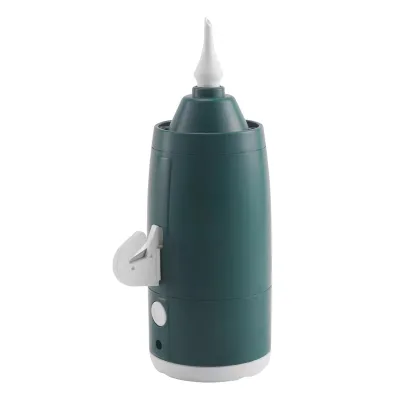
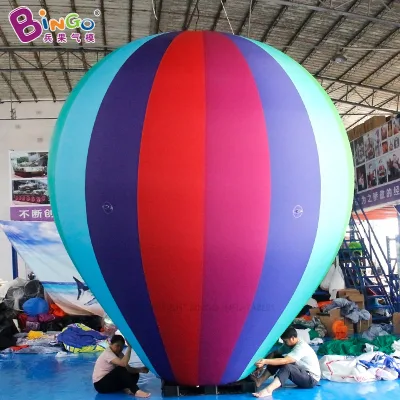
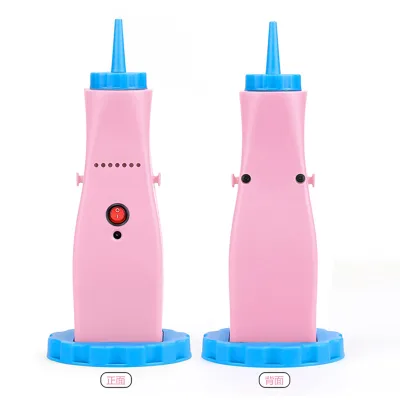
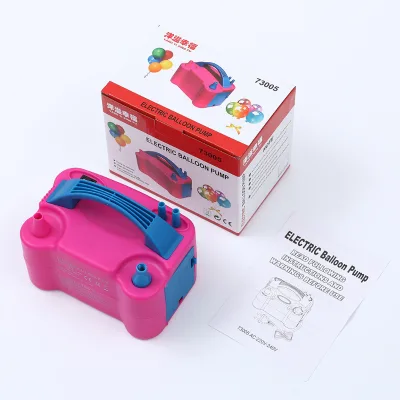
In contrast, the market also offers large inflatable structures that rely on built-in fans and power supplies. These items, often categorized under "fantasy" themes or "advertising toys," can reach inflated heights greater than 12 feet, with widths ranging from 8 to 10 feet and lengths between 4 to 6 feet. These larger units are constructed from materials such as PVC, Oxford Cloth, or a combination of Foil and Nylon. The power requirements for these automated inflators vary by region, with options for 110V/220V plugs compatible with European, US, British, and Australian standards. The inflated dimensions and material composition are critical differentiators; a manual plastic inflator cannot fulfill the requirements of a large-scale event display, just as a heavy-duty PVC inflatable is impractical for a small educational toy.
Buyers must verify the specific "type" and "usage" attributes before proceeding. While some products are labeled strictly as "balloons" or "advertising toys," others are explicitly designed for "event, party, display, decoration, advertising, promotion, and parade" usage. The "magic" aspect often implies a thematic design, such as a "Circus Castle" or "Fantasy" theme, which appeals to specific age ranges including 2 to 4 years, 5 to 7 years, and up to 14 years and older. Understanding whether the procurement need is for a handheld tool or a structural inflatable is the first step in defining the technical specification sheet.
Compliance and Certification Verification
Safety and regulatory compliance are paramount when sourcing products intended for children or public events. The supplied data indicates a robust array of certifications associated with these products, which buyers should treat as evidence of quality control rather than a universal guarantee for every listing. High-confidence certifications observed in the market include EN71, ASTM, HR4040, CE, CPC, CD, PAHS, and 10P. These standards generally relate to toy safety, chemical restrictions, and mechanical integrity.
For educational contexts, the EN71 standard is particularly relevant as it covers safety requirements for toys. Similarly, the ASTM standard (specifically F963 in the US context) and the HR4040 standard (related to lead content) are critical for ensuring the product does not pose a chemical or physical hazard to children in the 2 to 13-year age range. The presence of a CPC (Children's Product Certificate) suggests that the product has undergone specific testing for the US market. Buyers must verify that the specific supplier can provide valid, up-to-date test reports for these certifications, as the mere listing of a certification name does not confirm the current batch's compliance.
Additionally, for large inflatable structures, the electrical safety of the blower is a key compliance area. The data notes that air blowers often carry CE/UL certifications and operate at 110V or 220V. Buyers must ensure that the plug configuration matches the local electrical standards of the destination country to prevent safety hazards. The "Waterproof" attribute is also a significant safety and durability feature, particularly for outdoor educational events. While the data confirms this feature exists, buyers should request specific IP ratings or waterproofing test results to validate the claim, especially if the event involves rain or wet environments.
Cost Drivers and Pricing Structures
The pricing for educational magic balloon inflators is highly variable, driven by material composition, inflation method, and order volume. The observed market price range spans from $0.08 to $507.88 USD, reflecting the vast difference between a simple manual plastic inflator and a large, custom-sized PVC inflatable structure. The lower end of the price spectrum typically corresponds to manual units made of plastic with digital printing, while the higher end includes custom-sized inflatables with blower systems, repair kits, and carry bags.
Material costs are a primary driver of price variance. Products made from PVC or Oxford Cloth generally command higher prices than those made from standard plastic or foil. The complexity of the design, such as the "Glossy Version" or custom themes like "Fantasy," also adds to the manufacturing cost. Furthermore, the inclusion of accessories such as blowers, repair kits, and carry bags significantly impacts the final unit price. Buyers should note that the "Selling Units" are often listed as "Single item," which can affect the perceived unit cost if the buyer is purchasing in bulk for multiple classrooms or events.
Minimum Order Quantity (MOQ) is another critical cost factor. The market data shows an MOQ range from 1 piece to 5000 pieces. Suppliers with an MOQ of 1pc offer flexibility for small educational institutions or trial orders, but the unit price may be higher due to the lack of economies of scale. Conversely, suppliers requiring an MOQ of 5000 pieces may offer lower per-unit costs but require significant capital investment and storage capacity. The "Carton size" of 48x34.2x57.5cm for bulk shipments versus the "Single package size" of 20x30x30 cm for individual units also influences shipping costs. Buyers must calculate the total landed cost, including freight, by considering the volume and weight of the shipment, as the "Single gross weight" of 0.7 kg for manual units differs vastly from the weight of large inflatables.
Typical Applications and Usage Scenarios
Educational magic balloon inflators serve diverse applications ranging from classroom engagement to large-scale community events. The "Usage" attributes listed in the market data include "Event, party, display, decoration, advertising, promotion, and parade." In an educational setting, these products can be utilized to teach concepts of physics, such as air pressure and volume, or to create immersive learning environments. The "Sport Type" is categorized as "Outdoor Lifestyle," suggesting suitability for field days, outdoor science fairs, or recess activities.
For younger children, specifically the 2 to 4-year and 5 to 7-year age groups, manual inflators like the "Circus Castle" model provide a tactile, hands-on experience that develops fine motor skills. The "Creative balloon inflator" keyword suggests that these products are designed to spark imagination, making them ideal for storytelling sessions or role-playing activities. For older students, aged 8 to 13 years and up, the focus may shift to the technical aspects of the larger inflatables. These students can engage with the mechanics of the "Built-In Fan" and the "Plug Powered" systems, learning about electrical circuits and air dynamics.
The "Theme" of "Fantasy" and the "Color" options, which can be customized or follow European/US standards, allow educators to tailor the environment to specific curriculum topics. For instance, a "Circus Castle" theme can support a unit on cultural studies or history, while a "Glossy Version" with digital printing can be used for branding school events or promoting educational programs. The "Video Format" capability, noted as "Up To 5 Minutes," indicates that some inflatables may be part of a multimedia presentation, enhancing the educational value by combining physical interaction with visual storytelling.
Supplier Evaluation and Sourcing Channels
Evaluating suppliers requires a careful review of their product attributes and business practices. The data indicates that the "Place of Origin" for many of these products is Guangdong, China, a major manufacturing hub known for toy and inflatable production. Buyers should verify the supplier's ability to handle "OEM/ODM" requests, as the data notes that these services are "Warmly Welcomed." This capability is essential for schools or organizations that wish to customize the "Logo Printing" or "Color" to match their branding.
When assessing suppliers, buyers should look for transparency in the "Payment term" options, which include T/T, Western Union, and Alipay. A supplier offering multiple payment methods may indicate a more established business infrastructure. The "Shipping" options, including Sea, Air, and Express, provide flexibility depending on the urgency of the order. However, buyers must consider the lead time implications of each shipping method, especially for large inflatables that may require specialized freight arrangements.
The "Brand Name" is another factor to consider. While some products are listed under brands like "BRTOYS" or "BINGO," others may be unbranded or generic. For educational procurement, established brands may offer better after-sales support and warranty coverage. Buyers should also verify the "Closure type," such as "Zipper" or "Hook And Loop," as this affects the ease of setup and storage, which is crucial for school staff who may not have specialized technical training.
Quality Control and Long-Term Procurement Considerations
Ensuring long-term value requires a rigorous quality control (QC) process. Buyers should inspect the "Material" integrity, particularly for PVC and Oxford Cloth inflatables, to ensure they are durable and resistant to tearing. The "Special Feature" of "Durable" is a common claim, but it must be validated through physical inspection or third-party testing. For manual inflators, the "Plastic" construction should be checked for sharp edges or brittle points that could pose a safety risk.
The "Inflation method" is another critical QC point. For automated inflators, the "Built-In Fan" must operate quietly and efficiently to avoid disrupting educational activities. The "Power Supply" compatibility must be verified to ensure the product functions correctly in the target region. Buyers should also check the "Accessories" included, such as repair kits and carry bags, to ensure they are of sufficient quality to extend the product's lifespan.
Long-term procurement considerations include the availability of replacement parts and the ease of maintenance. The "Video Format" and "Digital Printing" capabilities suggest that these products may require updates or rebranding over time. Suppliers who offer "Customized" options for size and color provide greater flexibility for future needs. Additionally, the "Waterproof" attribute should be re-verified periodically, as wear and tear can compromise this feature. By establishing a relationship with a supplier who supports OEM/ODM and offers comprehensive after-sales service, buyers can ensure a sustainable supply chain for their educational magic balloon inflators.
Summary of Key Technical Attributes
To assist in the final selection process, the following table summarizes the key technical attributes observed in the market data. This comparison highlights the distinct differences between manual and automated inflators, aiding buyers in making informed decisions based on their specific educational needs.
| Attribute | Manual Inflator (e.g., T355) | Automated Inflatable (e.g., BG-M0306) |
|---|---|---|
| Primary Material | Plastic | PVC, Oxford Cloth, Foil, Nylon |
| Inflation Method | Manual Hand Pump | Built-In Fan (Plug Powered) |
| Power Requirement | None | 110V/220V (CE/UL Certified Blower) |
| Typical Dimensions | 16.3x11.5x18.5 cm (Product) | >12 ft Height, 8-10 ft Width |
| Packaging | Sealed Box (21.3x16.5x23.5 cm) | Carry Bag with Blower & Repair Kit |
| Certifications | EN71, ASTM, HR4040, CE, CPC | EN71, ASTM, HR4040, CE, CPC |
| Target Age Range | 2-4, 5-7, 8-13, 14+ | 2-4, 5-7, 8-13, 14+ |
| MOQ Range | 1pc - 5000pcs | 1pc - 5000pcs |
| Special Features | Creative, Durable | Waterproof, Custom Size, Glossy |
This guide provides a structured approach to sourcing educational magic balloon inflators, emphasizing the importance of verifying specifications, certifications, and supplier capabilities to ensure safety and educational value.
FAQs
What certifications do educational magic balloon inflators typically hold?
Products often carry EN71, ASTM, HR4040, CE, and CPC certifications to ensure safety for children. These standards verify compliance with toy safety and chemical restrictions, though buyers must request valid test reports for specific batches to confirm current compliance.
Which materials are used for manual versus large inflatable units?
Manual inflators are commonly made of plastic, while large structures use PVC, Oxford Cloth, or Foil and Nylon. The material choice depends on the application, with plastic units suited for handheld use and heavy-duty fabrics required for large event displays.
How does the price range vary for these products?
Prices range from 0.08 to 507.88 USD based on complexity and size. Simple manual plastic units cost less, whereas large custom inflatables with blowers and repair kits command higher prices due to material and manufacturing costs.
Can suppliers customize the color and logo for these inflators?
Yes, OEM and ODM services are warmly welcomed with options for customized colors and logo printing. Buyers can request specific designs or follow sample standards, making these products suitable for branded educational events or promotional campaigns.
What is the minimum order quantity for sourcing these items?
The MOQ ranges from 1 piece to 5000 pieces depending on the supplier and product type. Lower MOQs allow for small trial orders, while bulk purchases may offer better per-unit costs but require significant storage and capital investment.
Which age groups are these inflators suitable for?
Products are designed for age ranges including 2 to 4 years, 5 to 7 years, 8 to 13 years, and 14 years and up. The selection depends on the complexity of the unit, with manual tools for younger children and automated systems for older students.