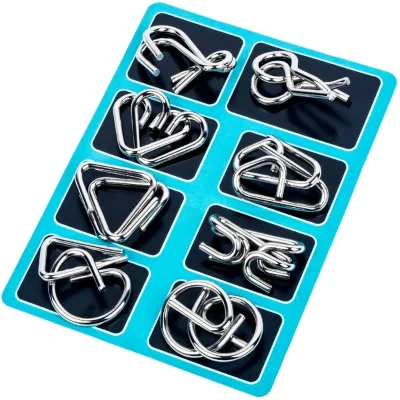
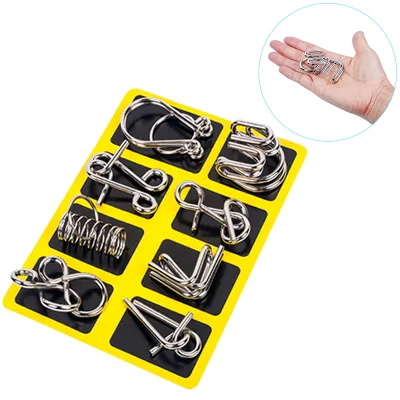
Source Educational Metal Chinese String Puzzle for gifts, training, and promotions
Explore 30 listings for Educational Metal Chinese String Puzzle options suitable for intelligence development, promotional giveaways, and educational activities. Buyers can compare specifications like age range, material, and packaging details across multiple suppliers.
Key considerations
Products List

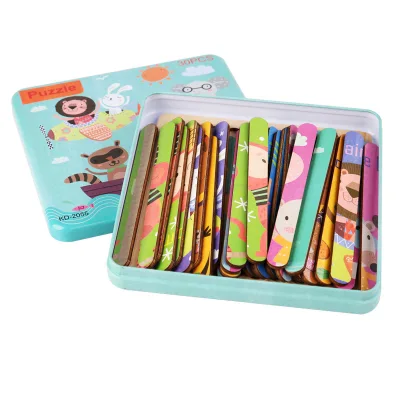
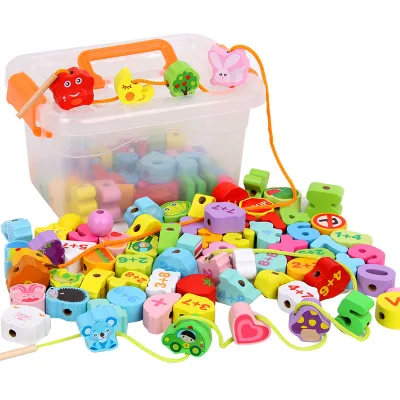
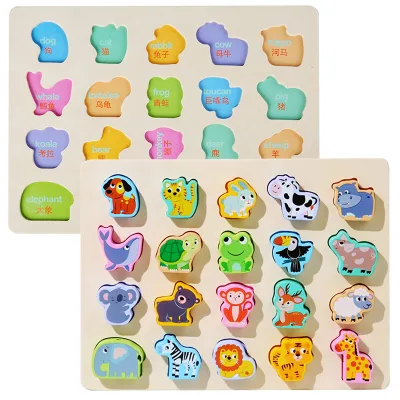
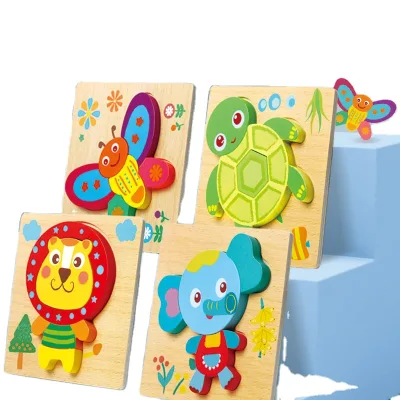
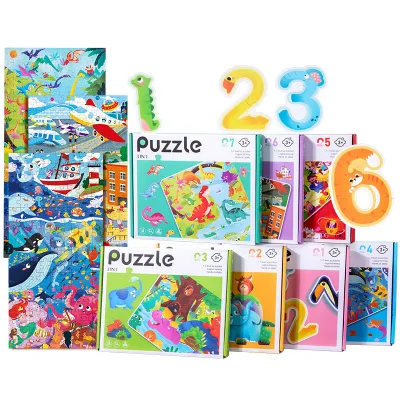
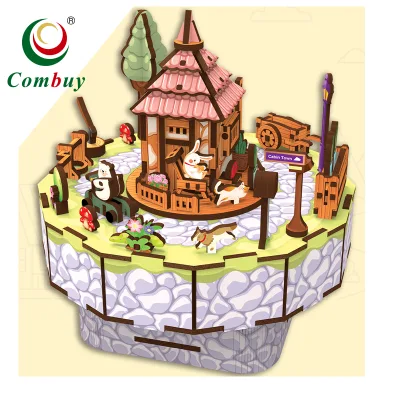


New Design Letters Puzzle Wooden Educational Board Games for Children W14b099
$0.50 - $3.00
MOQ: 100 Pieces


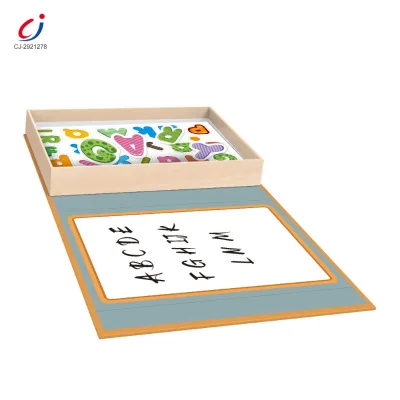
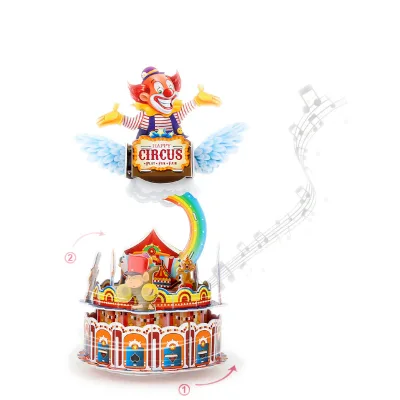
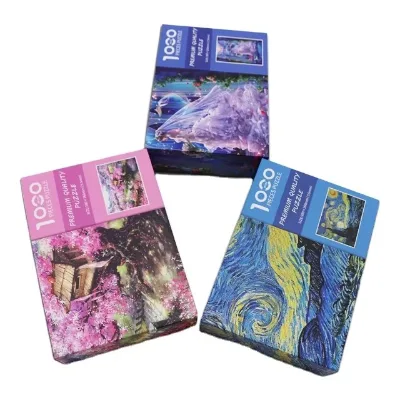
Quality Assurance Funny Educational Toys China Kids Custom Other Puzzles
$0.23 - $0.89
MOQ: 1000 pieces
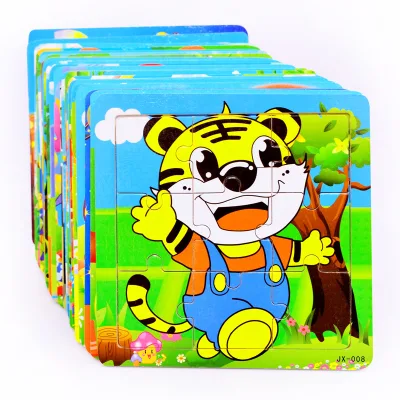
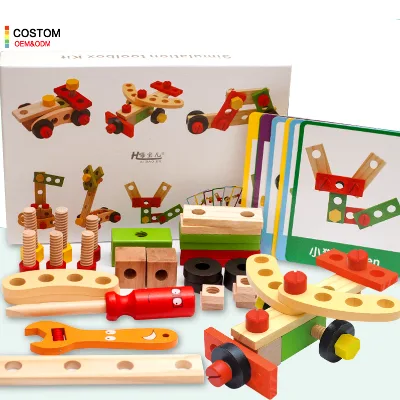
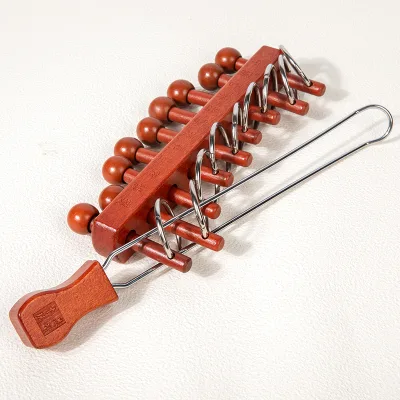
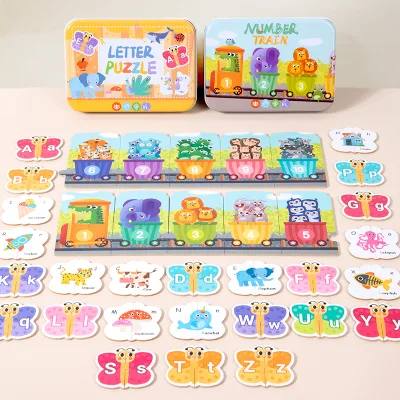
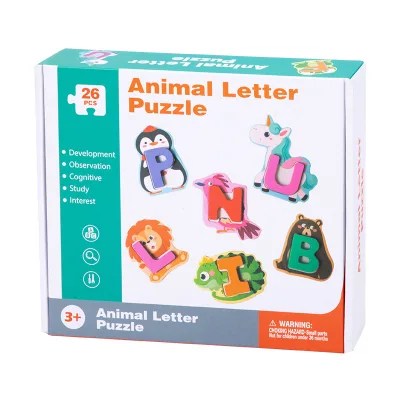
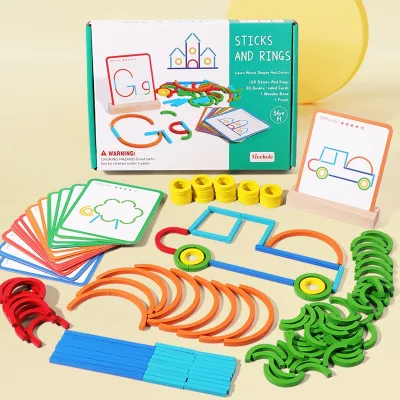

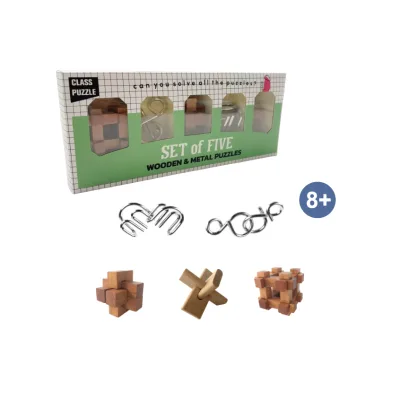
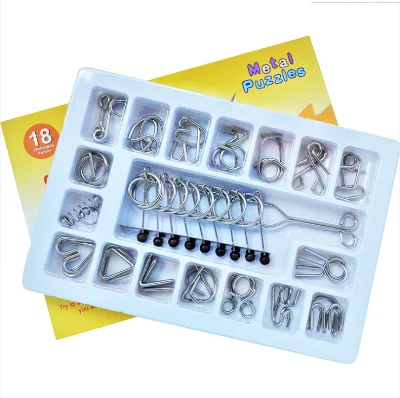
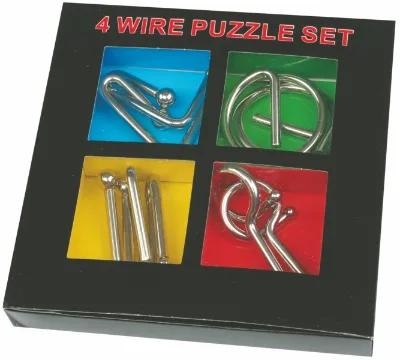
Comprehensive Sourcing Guide
Strategic Sourcing Guide for Educational Metal Chinese String Puzzles
Understanding Product Specifications and Variants
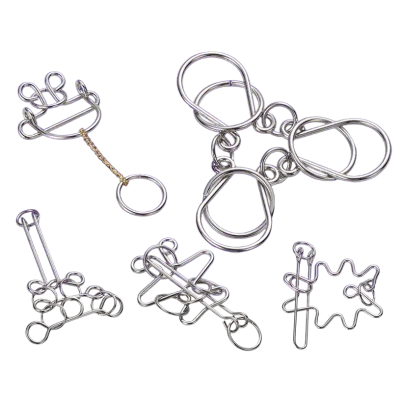
The core keyword "Educational Metal Chinese String Puzzle" refers to a specific category of brain teasers that combine metal construction with intricate string or wire mechanisms designed to challenge cognitive abilities. Based on available market data, these items are frequently categorized as "wire metal puzzles" or "matchbox puzzles" and are often associated with the function of "Developing Intelligence" or "Playing." The physical characteristics of these products vary significantly across different listings, necessitating a careful review of technical specifications before procurement.
A primary observation in the current market is the diversity in packaging dimensions and single package sizes. For instance, specific models such as CBL5165 are listed with a color box size of 6.2x4.4x1.8cm, while other variants like CBL5162 feature a single package size of 15x15x2 cm. This variance suggests that buyers must verify the exact dimensions of the unit they intend to purchase, as the packaging size directly impacts shipping costs and storage efficiency. Furthermore, the material composition is consistently identified as "metal," with specific color options ranging from "Silver" to a wide array of model-specific codes such as CBL5162-1 through CBL5162-22. The "Style" attribute often indicates a variety of designs, with some listings noting "15 different styles" available within a single product line.
The functional classification of these items is critical for B2B buyers targeting the educational sector. The products are explicitly tagged with attributes such as "Educational Toy," "Other Educational Toys," and "Style: Educational Toy." The intended function is often described as "Developing Intelligence," aligning with the goal of using these puzzles for cognitive development. However, some listings also categorize the product type as "promotional" or "Usage: Promotion," indicating a dual market presence where these items serve both as standalone educational tools and as branded marketing giveaways. Buyers must distinguish between these use cases, as the quality expectations and packaging requirements may differ between a premium educational toy and a promotional giveaway.
Compliance and Certification Verification
When sourcing educational products, particularly those intended for children, verifying compliance with safety standards is a non-negotiable step in the procurement process. The provided data indicates that certain models, such as those with model numbers like CBL5189 or those associated with the brand CBL TOYS, list "EN71/ASTM" as their certificate. These standards are widely recognized in the toy industry, with EN71 being the European standard for toy safety and ASTM representing the American Society for Testing and Materials standards.
However, it is crucial to treat these certifications as observations of specific listings rather than universal guarantees for all products under the "Educational Metal Chinese String Puzzle" keyword. The presence of a certification label on a product page does not automatically imply that every unit in a bulk order will be certified, nor does it guarantee that the specific batch meets the latest regulatory requirements. Buyers should not assume that a supplier holds ISO 27001 or FSC certifications based on general market knowledge, as these were listed in the low-confidence background section and should not be used for concrete claims.
Instead, the procurement strategy must involve a direct request for valid, current test reports from the supplier. The buyer should verify that the EN71 and ASTM certificates provided are specific to the exact model number and material composition being ordered. Since the products are made of metal, specific attention must be paid to tests regarding sharp edges, heavy metal content, and mechanical strength. The "Age Range" attribute, which frequently includes "5 to 7 years," "8 to 13 Years," and "14 Years & up," further underscores the need for rigorous safety verification. A product marketed for children aged 5 to 7 requires stricter adherence to small parts and choking hazard regulations compared to those for teenagers. Therefore, the verification process should include checking the specific age grading against the safety test results to ensure the product is legally compliant for its intended demographic in the target market.
Cost Drivers and Pricing Structures
The economic landscape for sourcing educational metal puzzles is influenced by several distinct factors, primarily driven by material costs, packaging complexity, and order volume. The observed price range in the market spans from 0.1 to 10.26 USD, a wide spectrum that reflects the diversity in product quality, branding, and packaging. This variance suggests that the unit price is not solely determined by the raw metal cost but is heavily influenced by the "Selling Units" and "Packing" details.
One significant cost driver is the packaging method. Listings show a clear distinction between "color box" packaging and "plastic bag" or "opp bag" packaging. The "color box" option, often associated with higher-end educational toys, incurs higher material and assembly costs compared to simple plastic bags. For example, a product with a "color box" size of 6.2x4.4x1.8cm will cost more to produce and ship than a similar item in a simple "opp bag." Additionally, the "Single gross weight" varies from 0.020 kg to 0.300 kg, directly affecting freight costs. Heavier items, such as those weighing 0.300 kg, will incur higher shipping fees per unit, which can erode profit margins if not accounted for in the initial pricing strategy.
Minimum Order Quantity (MOQ) is another critical factor influencing the total cost of ownership. The data reveals a wide range of MOQs, from as low as 2 pieces to as high as 1000 pieces. Some listings specify an MOQ of 100, while others allow for a minimum of 2 pcs or 2pcs. This flexibility allows buyers to test the market with small orders, but it may result in a higher unit price due to the lack of economies of scale. Conversely, larger orders typically secure a lower unit price but require a significant upfront capital investment. Buyers must balance the need for inventory flexibility with the desire for cost efficiency. The "Selling Units" attribute, often listed as "Single item," indicates that the base price is for a single unit, and bulk pricing tiers must be negotiated separately. Understanding these cost drivers is essential for accurate budgeting and margin analysis.
Typical Applications and Target Markets
The versatility of educational metal string puzzles allows them to serve multiple applications across different market segments. The primary application is in the educational sector, where these puzzles are utilized as tools for cognitive development. The attribute "Function: Developing Intelligence" and "Style: Educational Toy" confirms their use in classrooms, tutoring centers, and home learning environments. In these settings, the puzzles are used to enhance problem-solving skills, fine motor skills, and spatial reasoning. The age range of "5 to 7 years" and "8 to 13 Years" makes them suitable for elementary and middle school students, while the "14 Years & up" category extends their utility to older students and adults seeking mental challenges.
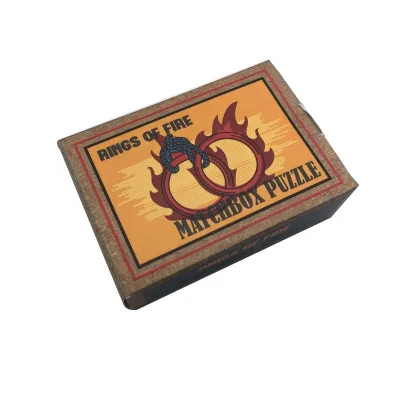
Beyond the educational sector, these products are widely used in promotional campaigns. The attribute "Type: promotional" and "Usage: Promotion" highlights their role as branded merchandise. Companies often order these puzzles as corporate gifts, conference giveaways, or marketing tools to engage customers. The compact size of some models, such as the "matchbox puzzle Rings of Fire" with a small color box, makes them ideal for distribution at events where space is limited. The "Brand Name: CBL TOYS" and the availability of various model numbers suggest that suppliers can offer customization options, allowing companies to add their own logos or branding to the packaging or the puzzle itself.
Furthermore, the "Gender: Unisex" attribute indicates that these products have broad appeal, making them suitable for a wide range of consumers regardless of gender. This universality expands the potential market to include gift shops, toy stores, and online retailers. The "Keywords: brain teaser" further reinforce their position in the puzzle and game market, appealing to hobbyists and enthusiasts who enjoy mechanical challenges. Understanding these diverse applications helps buyers tailor their sourcing strategy to specific customer needs, whether they are targeting schools, corporate clients, or general retail consumers.
Supplier Evaluation and Quality Control
Selecting the right supplier is paramount to ensuring the quality and reliability of the educational metal puzzles. The evaluation process should begin with a thorough review of the supplier's product specifications and consistency. Buyers should look for suppliers who provide detailed model numbers, such as CBL5165 or CBL5189, and who can clearly articulate the differences between their product lines. The presence of specific attributes like "Material: metal" and "Color: Silver" should be verified against physical samples to ensure the product matches the description.
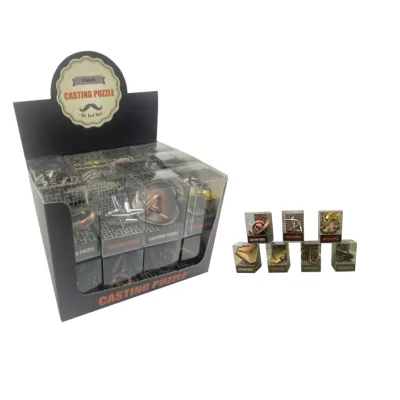
Quality control measures must be rigorous, particularly given the metal construction and the potential for sharp edges. Buyers should request a Quality Control (QC) plan that includes inspections for material integrity, finish quality, and packaging accuracy. The "Single gross weight" and "Single package size" should be measured to ensure they align with the specifications provided. Discrepancies in weight or size can indicate quality issues or inconsistent manufacturing processes. Additionally, the "Packing Details," such as "each pc in color box, 108 pcs in one display," should be verified to ensure that the packaging is robust enough to protect the product during transit.
Supplier reliability is another key factor. The "Delivery time" of 7-10 days mentioned in some listings provides a benchmark for lead times, but buyers should confirm this with the specific supplier. Consistency in meeting delivery deadlines is crucial for maintaining supply chain stability. Furthermore, the supplier's ability to handle the "MOQ" requirements should be assessed. A supplier who can accommodate both small trial orders and large bulk orders offers greater flexibility. Buyers should also evaluate the supplier's responsiveness to inquiries and their willingness to provide samples for testing. A reliable supplier will be transparent about their production capabilities and willing to address any concerns regarding quality or compliance.
Long-Term Procurement Considerations
Sourcing educational metal puzzles is not merely a transactional activity but a strategic decision that impacts long-term business operations. One of the primary considerations is the scalability of the supply chain. As demand grows, the supplier must be capable of increasing production volumes without compromising quality. The "Model Number" consistency is vital here; buyers should ensure that the supplier can maintain the same specifications across different production runs to avoid confusion in the market.
Another long-term consideration is the adaptability of the product line. The market for educational toys is dynamic, with trends shifting towards new themes and designs. Suppliers who offer "15 different styles" or a variety of model numbers provide buyers with the flexibility to refresh their inventory and respond to changing consumer preferences. This variety also helps in mitigating the risk of product obsolescence.
Sustainability is increasingly becoming a factor in procurement decisions. While specific environmental certifications like FSC were not confirmed in the high-confidence data, buyers should inquire about the environmental impact of the materials and packaging used. The use of recyclable materials for the "color box" or "plastic bag" packaging can be a differentiator in the market. Additionally, the durability of the metal puzzles ensures a long product lifecycle, reducing waste and enhancing the value proposition for end-users.
Finally, building a strong relationship with the supplier is essential for long-term success. Open communication, mutual trust, and a shared commitment to quality will facilitate smoother operations and better problem resolution. Buyers should aim to establish a partnership where the supplier acts as a strategic ally, providing insights into market trends and offering support for product development. By focusing on these long-term considerations, buyers can ensure a sustainable and profitable sourcing strategy for educational metal Chinese string puzzles.
FAQs
What certifications do these metal puzzles hold for safety?
Some models carry EN71 and ASTM certificates for toy safety. Buyers must verify that these test reports apply to the specific model number and age range being ordered, as certifications are not universal across all listings.
How does packaging affect the shipping cost of these items?
Packaging significantly impacts cost, with options ranging from simple plastic bags to color boxes. Heavier items and larger boxes like those measuring 15x15x5 cm incur higher freight fees compared to lighter units in smaller packaging.
Which minimum order quantities are available for these puzzles?
Minimum order quantities vary widely from as low as 2 pieces up to 1000 pieces depending on the supplier. Buyers should check specific listings to find options that match their budget and inventory testing needs.
Can these puzzles be used for promotional campaigns?
Yes, many listings explicitly categorize these items as promotional tools with usage designated for promotion. They serve as branded marketing giveaways or corporate gifts, often featuring compact packaging suitable for event distribution.
What age ranges are suitable for these educational metal puzzles?
Products are suitable for a broad age range including 5 to 7 years, 8 to 13 years, and 14 years and up. Buyers must ensure the specific product meets safety standards for the intended demographic, especially for younger children.
What is the typical delivery time for these metal puzzles?
Some suppliers list a delivery time of 7 to 10 days for these items. Buyers should confirm this lead time with the specific manufacturer as it may vary based on order volume and production schedules.