Source Educational Musical Talking Book for Schools, Homes, and Libraries
Compare 20 Educational Musical Talking Book options featuring sound recording, music, and light functions. These products suit children aged 3 to 8 years and include customizable sizes with CE and EN71 certifications for safe learning; compare the available evidence and request quotations based on your requirements.
Key considerations
Products List


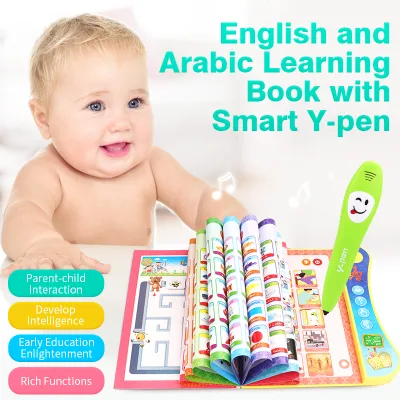
Kids Learning Sound Book: Audiobooks for Kids with Musical Model Buttons
$2.30 - $3.50
MOQ: 1000 Pieces


Comprehensive Sourcing Guide
Educational Musical Talking Book Sourcing Guide
Educational musical talking books represent a specialized segment of interactive learning tools designed to engage young learners through auditory and visual stimulation. These products typically combine traditional book formats with electronic components, allowing children to hear stories, music, and sound effects while turning pages. The observed market data indicates a strong focus on early childhood development, with specific models targeting age groups ranging from under three years up to eight years old. Buyers should recognize that these items are not merely books but complex electronic toys requiring careful integration of hardware and content to ensure a seamless educational experience.
Procurement strategies must account for the dual nature of these products as both reading materials and electronic devices. The observed listings highlight features such as sound recording capabilities, remote control functionality, and light flashes, which are critical for maintaining child engagement. Sourcing teams need to verify that the electronic components are durable enough to withstand rough handling by toddlers while ensuring the content remains age-appropriate. The diversity in product models, from standard flat books to customized hard covers, suggests that buyers must clearly define their target demographic before initiating a supplier search to avoid mismatched specifications.
Product Scope and Observed Listing Signals
The product scope for educational musical talking books varies significantly in physical dimensions and functional complexity. Observed specifications reveal a range of sizes, from compact units measuring approximately 155x48x14.5mm to larger formats suitable for classroom use. Materials are predominantly ABS plastic for the electronic housing, paired with offset paper or cardboard for the book pages. Some models feature hard covers for enhanced durability, while others utilize sewing binding to ensure pages remain intact during frequent use. Buyers must carefully review the "Product Size" attribute, as many listings indicate that dimensions can be customized to meet specific branding or packaging requirements.
Functional signals in the market data point to a high degree of interactivity, with most units offering sound recording, music playback, and light flash effects. The presence of remote control functionality in several models suggests a tiered approach to user interaction, allowing parents or educators to manage playback without direct contact with the device. Packaging standards vary from individual polypropylene bags to bulk export cartons containing 36 pieces, indicating that logistics planning must align with the chosen packaging format. The "Format" attribute, ranging from 16 Mo to 32 Mo, further influences the physical layout and content density, requiring buyers to specify their preferred page count and binding style early in the negotiation process.
Technical Specifications to Verify
Verifying the technical specifications of electronic components is paramount to ensuring product reliability and safety. The core power source for these devices is typically AG10 batteries, with some models requiring three units to operate. Buyers must confirm the battery compartment design to prevent accidental ingestion by young children, a critical safety consideration for the 3-8 year age range. Additionally, the electronic circuitry must support the claimed functions of sound recording and music playback without overheating, especially given the use of ABS plastic which can retain heat. It is essential to request detailed schematics or test reports that validate the electrical safety of the internal wiring and battery connections.
The physical construction of the book must also withstand the rigors of daily use by active children. Specifications indicate that the product type is a "Book," but the integration of electronic modules requires robust binding methods, such as sewing binding, to prevent the device from detaching from the pages. The "Product Number" and "Prod Model" fields often distinguish between different functional tiers, such as the Tw-109 or Tw-110 models, which may have varying levels of complexity. Buyers should verify that the "Printing Type" is offset printing to ensure high-quality, non-toxic graphics that align with the educational content. Confirming the "Plastic Type" as ABS is necessary to guarantee impact resistance and chemical stability over time.
Compliance and Safety Documentation
Compliance with international safety standards is non-negotiable for educational toys intended for young children. The observed product data lists a comprehensive array of certifications, including CE, EN71, ASTM F963-96a, RoHS, and FSC. These certifications cover mechanical safety, chemical restrictions, and environmental sustainability, ensuring the product meets the rigorous requirements of major markets like the European Union and North America. Buyers must request valid, up-to-date test reports from accredited laboratories to verify that the specific batch of products being sourced adheres to these standards. The presence of PAHs and Phthalates testing is particularly critical, as these chemicals are strictly regulated in children's products due to potential health risks.
Beyond physical safety, documentation regarding electromagnetic compatibility (EMC) and radio frequency emissions is essential for electronic toys. The listed certifications include EMC and RoHS, which indicate that the device does not emit harmful interference and complies with restrictions on hazardous substances. Buyers should ensure that the supplier provides a Declaration of Conformity that explicitly references the specific standards applicable to the model being purchased. The "Standard" attribute often lists CCC (China Compulsory Certification) alongside international marks, suggesting that the manufacturer may have domestic compliance as well. It is vital to cross-reference these documents with the target market's regulatory requirements to avoid customs delays or product recalls.
Cost Drivers and Commercial Terms
Cost structures for educational musical talking books are influenced by the complexity of the electronic integration and the customization level of the physical book. The observed price range of 0.01 to 7 USD suggests a wide variance based on features, with basic models costing significantly less than those with remote controls or advanced sound recording capabilities. Customization of the product size, cover type, and printed content adds to the unit cost, as does the requirement for specific packaging formats like individual PP bags or bulk export cartons. Buyers should analyze the trade-off between feature richness and unit price to determine the optimal product mix for their target market segment.
Commercial terms, including Minimum Order Quantity (MOQ) and lead times, vary based on the supplier's capacity and the customization requirements. The observed MOQ range of 100 to 3000 units indicates that smaller buyers may face higher per-unit costs or limited model availability. Packaging efficiency is a key cost driver, as the "Standard Export Cartons" must accommodate the specific dimensions of the book to minimize shipping volume. Buyers should negotiate clear terms regarding the "Set or Not" attribute, as bundled sets may offer better value but require higher upfront investment. Understanding the "Prod Origin" as Shenzhen or China helps in estimating logistics costs and potential tariffs, which should be factored into the total landed cost calculation.
Supplier Qualification and Quality Control
Supplier qualification for electronic educational toys requires a rigorous assessment of manufacturing capabilities and quality assurance protocols. The "Prod Origin" is consistently listed as Shenzhen or China, regions known for strong electronics manufacturing ecosystems. Buyers should verify that the supplier has a dedicated production line for integrating electronic components with book binding, as this hybrid process requires specialized expertise. Requesting a factory audit report is essential to confirm that the production environment maintains the necessary cleanliness and safety standards for children's products. The supplier's ability to handle "Customization" requests effectively is a strong indicator of their operational flexibility and technical competence.
Quality control measures must be embedded throughout the production process to ensure consistency and safety. Given the electronic nature of the product, functional testing of every unit is necessary to verify that sound recording, music playback, and light flash functions operate correctly. The "Certification" list includes multiple international standards, implying that the supplier should have a robust internal QC system to maintain compliance. Buyers should implement a pre-shipment inspection protocol that checks for physical defects, such as loose pages or cracked plastic casings, in addition to functional testing. Establishing a clear communication channel for addressing non-conformities is crucial, especially when dealing with complex products that combine mechanical and electronic elements.
Long-Term Procurement Checks
Long-term procurement success depends on establishing a reliable supply chain that can adapt to changing market demands and regulatory updates. The "Customization" attribute suggests that buyers may need to update product designs or content periodically to stay relevant. Suppliers should demonstrate the ability to scale production up or down without compromising quality, particularly when facing fluctuations in order volume. Maintaining a relationship with a supplier who can provide consistent "Prod Standard" documentation ensures that future batches remain compliant with evolving safety regulations. Regular reviews of the supplier's certification status are necessary to confirm that their compliance documentation remains valid and up-to-date.
Continuous monitoring of product performance and customer feedback is essential for maintaining brand reputation in the educational toy sector. Buyers should track return rates and customer complaints related to battery life, sound quality, or physical durability to identify potential quality issues early. The "Age Range" specifications, such as 3-7 years or under 3 years, require careful alignment with product design to ensure safety and engagement. Establishing a feedback loop with the supplier allows for iterative improvements in the product design, such as enhancing the "Binding" method or upgrading the "Plastic Type" for better durability. This proactive approach ensures that the educational musical talking books continue to meet the high standards expected by parents and educators.
FAQs
What certifications do these educational musical talking books have?
These books hold CE, EN71, ASTM F963-96a, RoHS, and FSC certifications. They also meet PAHs, Phthalates, and EMC standards. This ensures compliance with international safety and environmental regulations for children's products. Buyers can verify these credentials to ensure the items meet specific regional import requirements and quality expectations.
Can the product size be customized for bulk orders?
Yes, the product size is fully customized to meet specific buyer requirements. The standard model offers dimensions like 155x48x14.5mm, but alternative sizes are available. This flexibility allows brands to tailor the physical format to their packaging or retail display needs while maintaining the core educational functionality and sound features.
What materials are used in the construction of these books?
The books are constructed using ABS plastic for the electronic components and offset paper or cardboard for the pages. The cover is a hard cover style. This combination ensures durability for children aged 3-8 years while providing a sturdy structure for the embedded sound recording and music playback mechanisms.
What functions are included in the sound musical books?
The books feature sound recording, music playback, light flashes, and electric operation. Some models include a remote control for added convenience. These interactive elements enhance the educational experience for children, allowing for engaging learning through audio and visual stimuli while supporting early childhood development and entertainment.
What is the typical packaging method for these educational toys?
Individual items are packed in PP bags, while bulk orders use standard export cartons. The carton specifications vary, with some measuring 430x240x320mm. This packaging ensures safe transit and protection of the electronic components. Buyers can request specific carton configurations to optimize shipping volume and reduce logistics costs effectively.
Where are these educational musical talking books manufactured?
These books are manufactured in Shenzhen, China. The production facility adheres to strict quality control measures to ensure consistency. Sourcing from this location offers access to established supply chains for electronic components and printing services. Buyers can leverage this origin for efficient logistics and reliable production capacity for large orders.