Source Elastic Waist Plaid Pajama Pants for lounging, sleep, and home use
Explore 30 listings for Elastic Waist Plaid Pajama Pants featuring polyester and cotton blends with mid-waist designs. Buyers can compare OEM services, seasonal availability, and bulk pricing from Zhejiang suppliers.
Key considerations
Products List
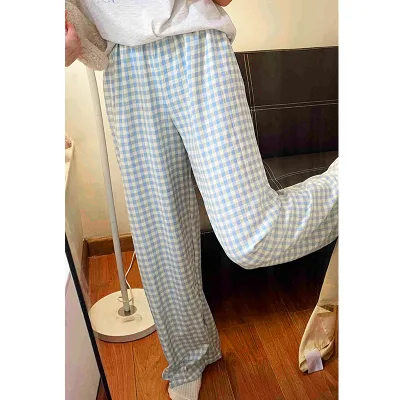
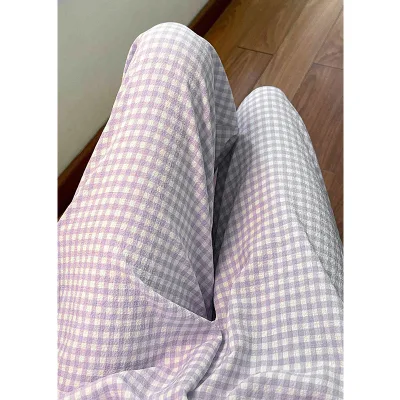
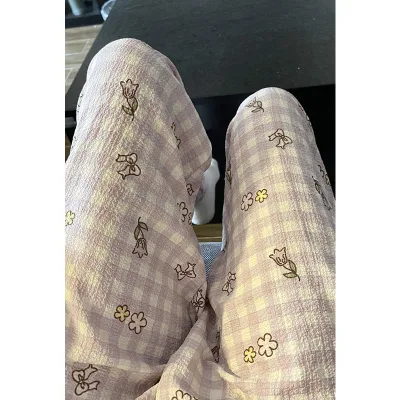
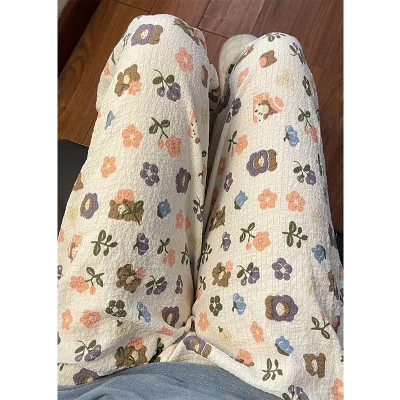
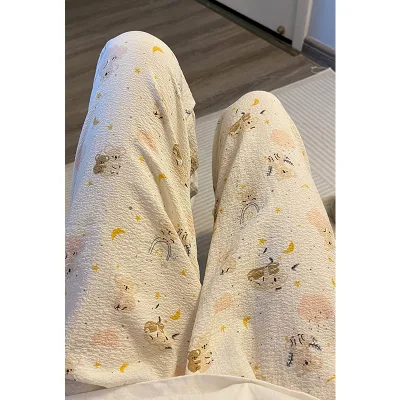
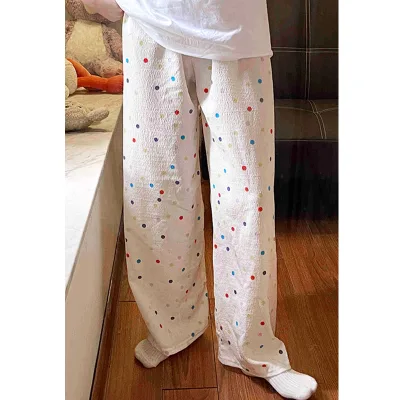
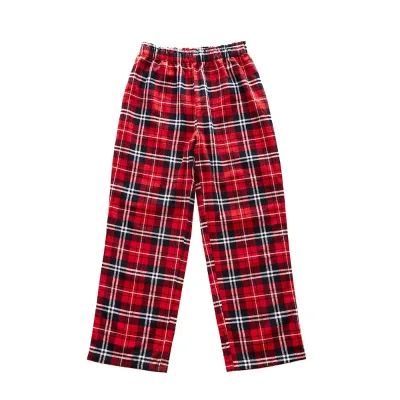


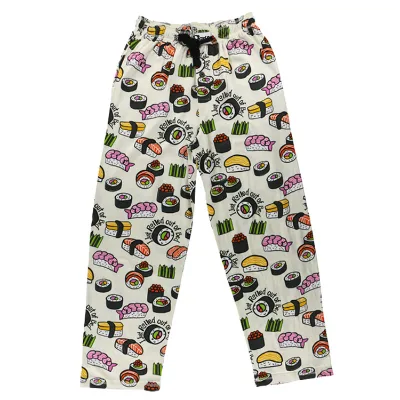
Women Pajama Pant Stretch Bamboo Pajamas Bottoms Lounge Pants with Pockets
$2.99 - $19.99
MOQ: 300 Pieces


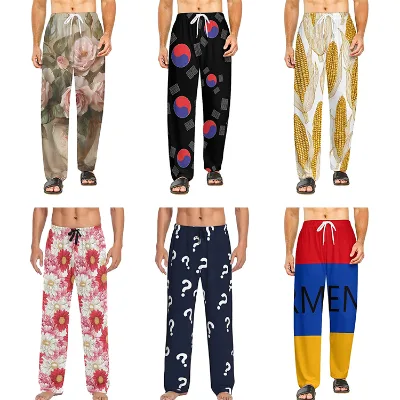
Comprehensive Sourcing Guide
Strategic Sourcing Guide for Elastic Waist Plaid Pajama Pants
Understanding Product Specifications and Variants
The core keyword "Elastic Waist Plaid Pajama Pants" describes a specific category of sleepwear defined by a distinct combination of fabric patterns, closure mechanisms, and fit profiles. Based on the available product data, these garments are primarily constructed from 100% polyester or 100% cotton materials, offering buyers a choice between synthetic durability and natural fiber comfort. The defining visual characteristic is the plaid pattern, which is explicitly listed as the primary pattern type and positioning for this product line. The fabric is described as "plaid fabric" with a worsted fabric type, suggesting a specific weave density that contributes to the garment's structure.
The sizing architecture for these pajama pants is bifurcated between adult and child demographics. Adult sizes typically range from Small (S) through 2XL, adhering to a standard S, M, L, XL, 2XL progression. Conversely, the child size specifications are granular, covering age groups from 2-3T up to 13-14T, ensuring a fit for various developmental stages. The waist type is consistently identified as "Mid," and the closure mechanism is universally an "Elastic Waist," which aligns with the core keyword. This elastic closure is often paired with a "Loose" fit type, designed to maximize comfort during sleep. The length of the garment is specified as "Full Length," distinguishing it from capri or short styles. Additionally, some variants feature a "Pleated" front style, adding a specific aesthetic detail to the harem or loose pant silhouette.
Material Composition and Fabric Technology
The material selection is a critical decision point for procurement teams, as the supplied data indicates two distinct material options: 100% Polyester and 100% Cotton. The polyester variant is often associated with "Garment Dyed" techniques, a process where the fabric is dyed after the garment is constructed, which can result in unique color variations and a softer hand feel. This technique is noted alongside specific color codes (601-625) and descriptive color names such as Pink, Red, Orange, Green, and Tan. The "Eco-Friendly" and "Breathable" features are highlighted as key attributes, though the specific certification or test data supporting these claims must be verified by the buyer.
For buyers prioritizing natural fibers, the 100% Cotton option is available, often linked to "Customized" design requests and specific model numbers like "TIF Sleepwear." The fabric type is further categorized as "Worsted," which generally implies a tighter, smoother weave suitable for structured pajama pants. The "Pattern" decoration is a standard feature, with the plaid design being the dominant motif. Buyers should note that while "Custom color" is listed as acceptable, the standard offering includes a wide array of color codes, and the final color selection may depend on the supplier's current dye lot availability. The "As pics" color description suggests that the visual representation in marketing materials is the primary reference for color accuracy, necessitating the review of physical samples before bulk commitment.
Cost Drivers and Minimum Order Quantities
The economic structure of sourcing Elastic Waist Plaid Pajama Pants involves several variables that influence the final landed cost. The observed price range in the market spans from $0.19 to $26.90 USD, a significant variance that likely reflects differences in material quality, order volume, customization levels, and brand positioning. The "CHICPINKS" brand name appears in the data, indicating that branded inventory may command a premium over generic unbranded stock.
Minimum Order Quantity (MOQ) is a primary cost driver. The data presents two distinct MOQ tiers: 50 pieces per size per color for certain listings, and a flat 500 PCS for others. This discrepancy suggests that smaller, more customized orders may incur higher per-unit costs or require specific production runs. The "Supply Ability" is noted as 100,000 pieces per month for plaid pants women, indicating that suppliers have the capacity to handle large-scale orders, but the actual lead time and pricing will depend on the specific MOQ chosen.
The sample cost is explicitly listed at $30 USD, with a turnaround time of 5 days after payment. This is a standard industry practice to validate quality before bulk production. The "Packaging Details" also impact cost, with options ranging from 1 piece per poly bag to 10 pieces per big OPP bag, and 50 pieces per carton. Buyers must factor in the labor and material costs associated with these packaging configurations, especially if custom branding is required on the packaging itself. The "Oem Service" attribute confirms that suppliers are willing to handle private labeling, which adds complexity and cost to the supply chain but is essential for brand owners.
Compliance, Certification, and Quality Verification
When sourcing sleepwear, particularly items marketed as "Eco-Friendly," compliance verification is paramount. The provided data mentions "Eco-Friendly" as a feature but does not list specific certifications such as OEKO-TEX, GOTS, or ISO standards. Buyers must treat this attribute as an observation rather than a guaranteed certification status. It is the buyer's responsibility to request and verify the specific test reports that substantiate these claims. For children's sleepwear, which is indicated by the "Kid size" range (2-14T), compliance with flammability standards (such as CPSC in the US or similar regulations in the EU) is non-negotiable.
The "Standard" attribute is listed as "As customer request," which implies that the supplier is flexible but does not automatically adhere to a specific global standard unless specified. Buyers should explicitly define the required safety standards in their purchase orders. The "Production Standard" should be detailed in the contract, covering aspects like colorfastness, shrinkage, and seam strength. Since the product is "Garment Dyed," color bleeding and fading are potential quality risks that require specific testing protocols. The "Fabric Type: Worsted" suggests a need for checks on fabric density and weight consistency. Buyers should ensure that the supplier has a robust quality control system in place to test these attributes before shipment, rather than relying solely on the supplier's self-declaration.
Supplier Evaluation and Operational Capabilities
Evaluating a supplier for Elastic Waist Plaid Pajama Pants requires a deep dive into their operational logistics and manufacturing capabilities. The "Place of Origin" is consistently listed as Zhejiang, China, a major hub for textile manufacturing. The "Port of dispatch" is typically Ningbo or Shanghai, which are well-connected logistics centers. The "Delivery time" is specified as 35 days after payment, a critical metric for inventory planning. Buyers must verify if this lead time is consistent across different order sizes and if it includes the time required for sample approval.
The "Supply Type" is listed as "Oem Service," indicating that the supplier is equipped for original equipment manufacturing. This capability is essential for buyers looking to customize the product with their own branding, labels, or packaging. The "Customization" attribute is marked as "Available," and "Design" is listed as "Customized," suggesting flexibility in product development. However, the "Model Number" variations (e.g., MXDSS222, TIF Sleepwear 20250801) indicate that suppliers may have a catalog of existing designs that can be modified. Buyers should assess the supplier's ability to handle design changes without compromising the structural integrity of the plaid pattern or the fit of the elastic waist.
The "Selling Units" are listed as "Single item," which may refer to the sample or retail unit, but the bulk packaging is clearly defined (50 pcs/carton). This distinction is important for logistics planning. The "Feature" list includes "Eco-Friendly" and "Breathable," but the supplier's actual production processes should be audited to ensure these features are achieved through legitimate manufacturing methods rather than marketing claims.
Long-Term Procurement and Relationship Management
Sourcing Elastic Waist Plaid Pajama Pants is not merely a transactional event but a strategic partnership that requires long-term planning. The "Season" is listed as "Spring," which suggests that these products may have seasonal demand peaks. Buyers should plan their orders well in advance to align with the 35-day delivery time and the 5-day sample turnaround. The "Custom color" option allows for differentiation, but buyers must understand that custom dye lots may have longer lead times and higher MOQs than standard colors.
The "Packaging Details" offer flexibility, but consistency is key for brand identity. Buyers should negotiate packaging standards that align with their retail requirements, whether that is simple poly bags for dropshipping or branded cartons for wholesale distribution. The "Model Number" system used by suppliers (e.g., TIF Sleepwear) can be leveraged to track product iterations and maintain a consistent catalog over time.
For long-term success, buyers should establish clear communication channels regarding quality control and compliance. The "Standard" being "As customer request" means that the buyer must be proactive in defining these standards. Regular audits, third-party inspections, and clear documentation of the "Eco-Friendly" and "Breathable" claims will help mitigate risks. The "Supply Ability" of 100,000 pieces per month indicates that the supplier can scale, but buyers should verify this capacity during peak seasons to avoid delays.
Comparative Analysis of Product Attributes
To facilitate decision-making, the following table summarizes the key attributes observed in the product data, highlighting the variations available to buyers.
| Attribute Category | Specific Observation | Implication for Buyer |
|---|---|---|
| Material | 100% Polyester or 100% Cotton | Choose based on comfort preference and care requirements. |
| Pattern | Plaid (Worsted Fabric) | Consistent visual identity; verify colorfastness. |
| Waist Type | Mid / Elastic Waist | Comfort-focused; check elastic durability. |
| Fit | Loose / Harem Pants | Casual style; verify sizing accuracy. |
| Size Range | S-2XL (Adult), 2T-14T (Child) | Ensure inventory covers target demographic. |
| MOQ | 50 pcs/size/color or 500 PCS | Lower MOQ for testing; higher MOQ for cost efficiency. |
| Lead Time | 35 days after payment | Plan inventory 2+ months in advance. |
| Customization | OEM, Custom Color, Custom Design | High flexibility for branding; verify sample costs. |
| Origin | Zhejiang, China | Standard logistics via Ningbo/Shanghai ports. |
| Features | Eco-Friendly, Breathable | Requires verification of specific certifications. |
This comparative analysis underscores the need for buyers to carefully align their specific requirements with the supplier's capabilities. The diversity in material, size, and customization options allows for a tailored approach to procurement, but it also demands rigorous due diligence to ensure that the final product meets all quality and compliance expectations. By focusing on these core attributes and maintaining a strategic approach to supplier evaluation, buyers can successfully source high-quality Elastic Waist Plaid Pajama Pants that meet market demands.
FAQs
What materials are used for Elastic Waist Plaid Pajama Pants?
These pants are made from either 100% polyester or 100% cotton materials. Buyers can choose between synthetic durability or natural fiber comfort depending on their specific preference and care requirements for the sleepwear.
Which sizes are available for adult Elastic Waist Plaid Pajama Pants?
Adult sizes range from Small through 2XL, covering the standard S, M, L, XL, and 2XL progression. This sizing ensures a proper fit for the majority of adult buyers seeking loose or harem style sleepwear.
Can I request custom colors for these plaid pajama pants?
Yes, custom colors are acceptable for these products, allowing for unique branding options. However, final color selection may depend on the supplier's current dye lot availability and the specific production run scheduled.
What is the minimum order quantity for these pajama pants?
Minimum order quantities vary between 50 pieces per size per color and 500 pieces total. Lower MOQs are often available for testing, while higher volumes may be required for specific customized designs or bulk orders.
How long does it take to receive the pajama pants after payment?
The standard delivery time is 35 days after payment is received. Buyers should plan their inventory orders well in advance to accommodate this lead time and ensure timely stock availability.
Where are these pajama pants manufactured and shipped from?
The products originate from Zhejiang, China, with dispatch ports typically located in Ningbo or Shanghai. This location is a major textile hub, facilitating efficient logistics for international buyers.
What is the sample cost and turnaround time for these pants?
Samples cost 30 USD and are ready within 5 days after payment. This standard practice allows buyers to validate quality and design before committing to a larger bulk production order.