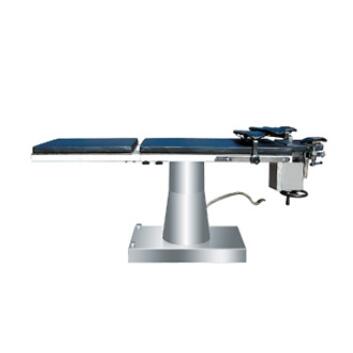
Source Electric Adjustment Ophthalmic Operating Table for clinics
Compare 30 Electric Adjustment Ophthalmic Operating Table options from verified Chinese manufacturers. Evaluate specifications like height range, folding angles, and certifications to find the right surgical table for your facility.
Key considerations
Products List
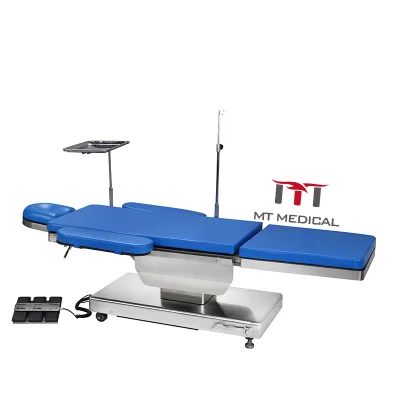
Ophthalmic Operation Table for Eye Surgery Medical Electric Ophthalmology Operating Table
$3686.84 - $3891.66
MOQ: 1 units


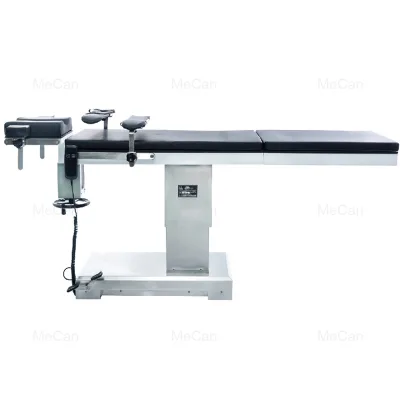


Electric Ophthalmic Operation Bed Surgical Ot Table Ent Operation Table
$1200.00 - $1245.00
MOQ: 1 Sets

Ophthalmology Department Ophthalmic Electric Operating Table with Hand and Foot Controller
$7300.00 - $10600.00
MOQ: 1 Pieces
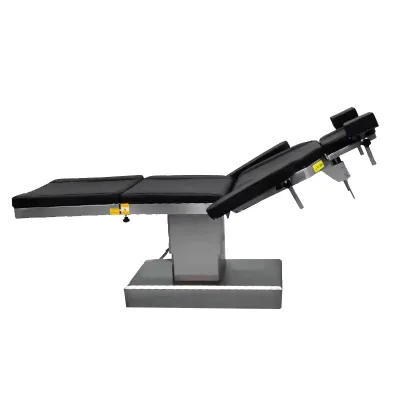

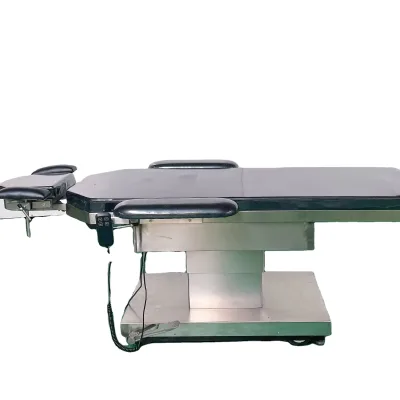
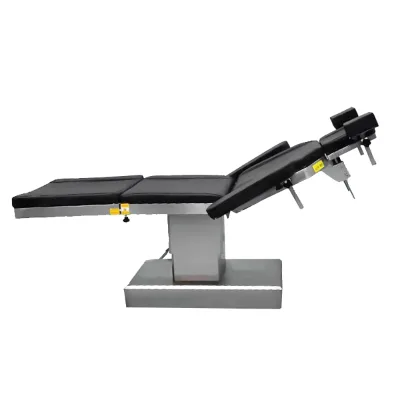
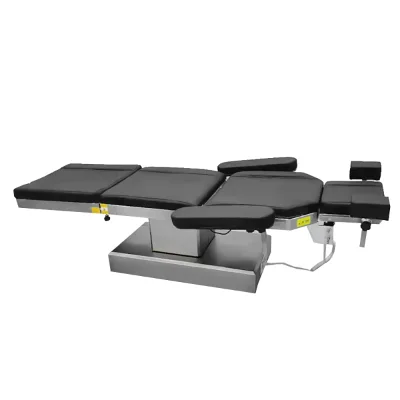


Advanced Ophthalmic Electric Operation Bed Surgical Table with Online Support
$750.00 - $800.00
MOQ: 1 Pieces

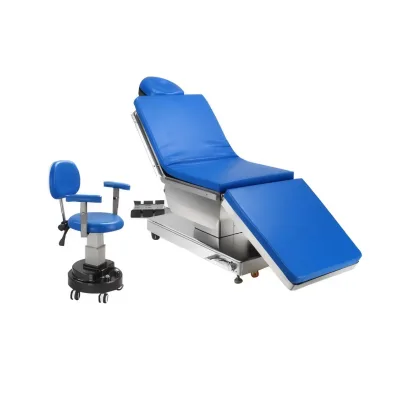


Optical Motorized Table Lifting Table for Ophthalmic Medical Instruments
$500.00 - $2000.00
MOQ: 1 Pieces

Ot-Ksa Electric Ophthalmic Operating Table for Eye Surgery, Ophthalmology Operation Equipment
$3500.00 - $4500.00
MOQ: 1 Pieces


Ot-Ksa Medical Electric Ophthalmic Operating Table for Eye Surgery, Ophthalmology Equipment
$3500.00 - $4500.00
MOQ: 1 Pieces


Comprehensive Sourcing Guide
Strategic Sourcing Guide for Electric Adjustment Ophthalmic Operating Tables
Procuring specialized medical equipment requires a rigorous approach that balances clinical precision with operational reliability. For buyers searching for an Electric Adjustment Ophthalmic Operating Table, the primary objective is to identify a system that offers stability, precise positioning, and compliance with international safety standards. The market presents a variety of options, ranging from general-purpose electric beds to specialized units designed specifically for ophthalmology. This guide outlines the critical factors for evaluating these systems, focusing on technical specifications, regulatory compliance, cost structures, and supplier reliability, ensuring that procurement decisions are grounded in verified data and industry best practices.
Technical Specifications and Functional Requirements
The core functionality of an ophthalmic operating table lies in its ability to provide stable, multi-axis adjustments while maintaining a compact footprint suitable for specialized surgical suites. When evaluating potential units, buyers must scrutinize the mechanical range of motion and the power source. The standard configuration for these tables is electric, allowing for smooth, remote-controlled adjustments that minimize physical strain on surgical staff. A critical observation in the current market is the variation in folding capabilities, which are essential for patient access and positioning during delicate eye procedures.
Specific technical attributes observed in available models include a head plate fold-down capability of at least 45 degrees, with some units offering up to 90 degrees. This range is vital for accessing the patient's head from various angles without compromising the sterile field. Similarly, the back panel and leg plate mechanisms must offer significant articulation; observed specifications indicate a back panel fold-down of at least 45 degrees and a leg plate fold-down of at least 30 degrees in both directions. These mechanical ranges ensure that the table can accommodate diverse surgical positions required in ophthalmic surgery.
Dimensions are equally critical for integration into existing operating rooms. The table length and width must be sufficient to support the patient comfortably while allowing for the placement of surgical equipment. Verified specifications show a table length of at least 2080mm and a width of at least 550mm. However, alternative models may feature a length of 1900mm and a width of 550mm, indicating that buyers should verify the exact dimensions against their room layout constraints. The vertical adjustment range is another key metric; the distance the table can move up and down should be at least 250mm, with an elevation capability of at least 50mm. The lowest height of the table is typically observed to be less than or equal to 500mm, which is crucial for patient transfer and emergency access.
| Feature | Typical Observed Specification | Verification Requirement |
|---|---|---|
| Power Source | Electric | Confirm motor noise levels and backup battery options |
| Head Plate Fold | ≥45° / ≥90° | Verify locking mechanisms at all angles |
| Table Dimensions | ≥2080mm x ≥550mm | Measure against specific OR floor plans |
| Vertical Range | ≥250mm | Test smoothness of elevation and depression |
| Material | Steel / Metal | Check for corrosion resistance and coating quality |
Compliance and Certification Verification
In the medical device sector, regulatory compliance is not merely a formality but a fundamental requirement for patient safety and legal operation. Buyers must prioritize products that hold recognized quality certifications. The most common certifications observed in the market for these operating tables include CE marking and ISO standards. Specifically, the CE certification indicates conformity with health, safety, and environmental protection standards for products sold within the European Economic Area. Furthermore, the ISO 13485 standard is highly relevant as it specifies requirements for a quality management system specific to medical devices.
It is important to note that while some listings mention "Quality Certification: CE" or "Certificate: CE/ISO13485," the presence of these marks must be independently verified. Buyers should request valid, current certificates from the supplier rather than relying solely on product descriptions. The classification of the device is also a critical compliance factor; these tables are generally classified as Class I medical devices, which implies a lower risk profile compared to implantable devices but still requires strict adherence to manufacturing quality standards.
Additionally, the material composition must be verified to ensure it meets hospital hygiene standards. The primary material for the table structure is typically steel or metal, chosen for its durability and ease of cleaning. Buyers should confirm that the surface treatments are resistant to disinfectants commonly used in operating rooms. The "Using Ambient" specification typically lists "Hospital," but buyers should verify that the table's electrical components are rated for the specific environmental conditions of their facility, including humidity and temperature ranges.
Cost Drivers and Pricing Structures
The pricing for electric adjustment ophthalmic operating tables varies significantly based on the complexity of the mechanism, the brand reputation, and the included features. The observed price range in the market spans from approximately $102.70 to $10,641.57. This wide disparity suggests that the market includes both basic models and highly specialized, feature-rich units. The lower end of the spectrum may represent simpler electric tables or older inventory, while the higher end likely includes advanced models with enhanced safety features, superior materials, and comprehensive after-sale support packages.
Several factors drive these costs. First, the customization options available can significantly impact the final price. Many suppliers offer customization for color, specific dimensions, or additional mounting points for surgical lights and monitors. Second, the warranty period is a major cost component; a standard warranty of one year is common, but extended warranties or comprehensive service contracts will increase the initial investment. Third, the packaging and shipping logistics play a role, with single package sizes varying from 120x120x120 cm to 210x72x73 cm, affecting freight costs.
Buyers should also consider the Minimum Order Quantity (MOQ) when budgeting. The observed MOQ range is between 1 and 10 units. For a single hospital procurement, an MOQ of 1 is ideal, but buyers must be aware that some suppliers may require a higher volume to unlock specific pricing tiers. The selling units are typically listed as "Single item," but bulk purchasing agreements may offer better value. It is essential to request a detailed breakdown of costs, including the unit price, shipping, insurance, and any potential customs duties, to avoid hidden expenses that could inflate the total cost of ownership.
Typical Applications and Clinical Utility
The primary application for electric adjustment ophthalmic operating tables is in ophthalmic surgery, where precision and stability are paramount. These tables are designed to facilitate procedures such as cataract removal, corneal transplants, and retinal surgeries. The ability to adjust the table height and tilt the head plate allows surgeons to maintain an ergonomic working position, reducing fatigue and improving the accuracy of delicate microsurgical instruments.
Beyond ophthalmology, the versatility of these electric tables allows them to be used in other specialized surgical departments. The "Multi-Purpose Electric Operating Table" designation indicates that these units can serve general surgery, neurosurgery, and orthopedics, provided the specific positioning requirements are met. The electric power source ensures that adjustments can be made quickly and quietly, which is essential in maintaining a calm environment for the patient and the surgical team.
The table's design also supports patient safety during the procedure. The fold-down mechanisms for the head, back, and leg plates allow for rapid reconfiguration if an emergency arises or if the patient needs to be moved to a different position. The "Folded: Unfolded" attribute highlights the table's ability to transition between a compact storage state and a fully operational state, maximizing space in crowded operating rooms. The color options, typically black or customizable, are chosen to reduce glare and improve visibility of the surgical field under bright operating lights.
Supplier Evaluation and After-Sale Support
Selecting the right supplier is as critical as selecting the right product. Buyers should evaluate suppliers based on their location, production capacity, and after-sale service capabilities. The observed places of origin for these tables include Anhui, China, and Guangdong, China. While these regions are known for medical device manufacturing, buyers should verify the specific factory's quality control processes and production history.
After-sale service is a key differentiator among suppliers. The market offers various levels of support, ranging from "Free Spare Parts" to "Online Technical Support." For a complex piece of equipment like an electric operating table, the availability of spare parts is crucial for maintaining uptime. Buyers should inquire about the lead time for spare parts and the availability of local service technicians. A supplier that offers a comprehensive warranty of one year is standard, but buyers should clarify what is covered under this warranty, such as motor failures, hydraulic issues, or structural defects.
The brand name is another factor to consider, with "HOCHEY MEDICAL" and "MeCan" being observed examples. However, buyers should not rely solely on brand recognition. Instead, they should request references from other healthcare facilities that have purchased the same model. Checking the supplier's response time to inquiries and their willingness to provide detailed technical documentation is also a good indicator of their reliability.
Quality Control and Long-Term Procurement Considerations
Ensuring the long-term reliability of an Electric Adjustment Ophthalmic Operating Table requires a robust quality control strategy. Buyers should verify the shelf life of the product, which is typically listed as one year, although this often refers to the warranty period rather than the product's functional lifespan. The net weight and gross weight of the units, observed at 170kg and 220kg respectively, provide insight into the sturdiness of the construction. Heavier units often indicate a more robust frame, which is desirable for stability during surgery.
When planning for long-term procurement, buyers should consider the maintenance requirements of the electric components. Regular inspections of the motors, control panels, and locking mechanisms are necessary to prevent unexpected failures. The "Product Name" variations, such as "Ophthalmology Eye Surgery Table" or "electric 0peration table," suggest that buyers must ensure they are ordering the correct model for their specific needs. The model numbers, such as "DST-II G type," "LPL-190," or "MCS0644," serve as unique identifiers that should be cross-referenced with the technical specifications provided by the supplier.
Finally, buyers should establish a clear protocol for receiving and inspecting the equipment upon delivery. This includes checking the packing size, verifying the single package dimensions, and ensuring that all components are present and undamaged. The "Standard" specifications, such as 15078103, may refer to packaging or specific operational standards, and these should be confirmed before acceptance. By maintaining a rigorous approach to quality control and supplier evaluation, buyers can ensure that their investment in an Electric Adjustment Ophthalmic Operating Table delivers optimal performance and safety for years to come.
FAQs
What is the minimum fold-down angle for the head plate?
The head plate fold-down capability is at least 45 degrees, with some models offering up to 90 degrees. This range allows surgeons to access the patient's head from various angles while maintaining a sterile field during delicate eye procedures.
Which certifications are typically required for these operating tables?
These tables commonly hold CE certification and ISO 13485 quality certification. Buyers must verify current certificates from suppliers as Class I medical devices require strict adherence to manufacturing quality standards for patient safety.
How does the table height adjust vertically?
The table features an electric power source for smooth vertical adjustments with a range of at least 250mm. The lowest height is typically 500mm or less, ensuring easy patient transfer and emergency access in the operating room.
Can buyers customize the color and dimensions of the table?
Customization is available for color options like black or specific requests, and dimensions may vary. Buyers should verify exact length and width requirements against their operating room layout constraints before placing an order.
What is the standard warranty period for these units?
The standard warranty period is one year, covering defects in materials and workmanship. Some suppliers may offer extended service contracts or free spare parts, which should be confirmed during the procurement negotiation phase.
What are the typical weight and packing dimensions for shipping?
The net weight is around 170kg to 261kg, with a gross weight of approximately 220kg. Single package sizes vary, often measuring around 210x72x73cm or 120x120x120cm, which impacts freight costs and handling requirements.