Source Electric Agricultural Rain Gun Sprinkler for Farms
Find and compare 30 Electric Agricultural Rain Gun Sprinkler models for forestry, agriculture, and drainage applications. Evaluate specifications like flow rate, working pressure, and power source to select the right irrigation system for your operational needs; compare the available evidence and request quotations based on your requirements.
Key considerations
Products List


Hot Sale Garden Hose Spray Gun Big Rain Gun Sprinkler Irrigation System
$100.00 - $110.00
MOQ: 10 Pieces


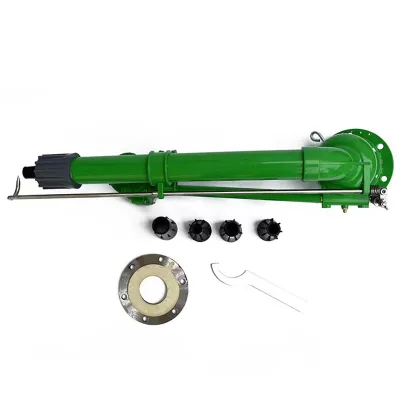
High Pressure Big Rain Gun Sprinkler for Farm Irrigation Irrigation System
$46.42 - $63.30
MOQ: 5 Pieces
Comprehensive Sourcing Guide
Electric Agricultural Rain Gun Sprinkler Sourcing Guide
Sourcing electric agricultural rain gun sprinklers requires a clear understanding of the distinct product categories available in the current market. The observed listings reveal a wide spectrum of equipment, ranging from small, portable irrigation components to larger, vehicle-mounted systems. Buyers must first distinguish between simple nozzle assemblies and complex, powered units. For instance, some products are identified as basic rain gun nozzles with specific thread interfaces, while others are complete electric vehicles equipped with water tanks, pumps, and batteries. This distinction is critical because the procurement strategy, technical verification steps, and total cost of ownership differ significantly between a standalone nozzle and a fully integrated mobile irrigation system.
The second major distinction lies in the power source and operational mode. While the core keyword specifies "electric," the observed data includes products powered by electricity with battery specifications, as well as systems that may rely on different mechanical drives. Some listings highlight electric power sources with specific voltage and amp-hour ratings, indicating self-contained mobile units. Others describe centrifugal or immersible pumps that may be part of a larger irrigation network. Understanding whether the buyer needs a standalone electric unit for remote fields or a component for a centralized system is the first step in narrowing down the supplier pool and ensuring the selected equipment matches the farm’s infrastructure capabilities.
Product Scope and Observed Listing Signals
The product scope for electric agricultural rain gun sprinklers encompasses a variety of configurations, primarily driven by the intended application field. Observed listings indicate usage in both forestry and agriculture, suggesting versatility in terrain and crop type. The scope includes specialized machinery such as pumping irrigation systems and sprinkler irrigation equipment. Some products are designed as complete units with a defined wheelbase and ground clearance, suitable for uneven agricultural land. Others are smaller components, such as rain gun nozzles, which serve as part of a larger distribution network. This broad scope means buyers must carefully define whether they require a mobile, self-propelled unit or a fixed-point high-pressure nozzle system to meet their specific irrigation needs.
Listing signals also reveal significant variation in physical dimensions and packaging, which impacts logistics and storage. Products are observed with standard dimensions ranging from compact export cartons to large palletized wooden cases. For example, some items are packaged in standard carton boxes with specific centimeter measurements, while others are shipped in containers or wooden cases to protect larger mechanical assemblies. The presence of customization options in several listings suggests that suppliers can adapt standard models to specific client requirements. Buyers should pay close attention to these packaging and dimension signals, as they directly influence shipping costs, warehouse space requirements, and the ease of installation on-site.
Technical Specifications to Verify
Verifying technical specifications is paramount when selecting an electric rain gun sprinkler, particularly regarding flow rate and working pressure. The observed data shows a wide range of flow rates, from approximately 14.9 to 81.9 cubic meters per hour, and working pressures varying from 2 to 8 bar. Buyers must match these parameters to their water source capacity and pipe infrastructure. Additionally, the nozzle diameter is a critical specification, with observed ranges from 12mm to 30mm. Selecting the correct nozzle size ensures optimal spray coverage and efficiency. It is essential to confirm that the selected unit’s pressure and flow requirements do not exceed the capabilities of the existing pump system or water supply lines to avoid operational failures.
Another critical area for verification is the power system and mobility features for electric units. Listings indicate battery specifications such as 60V 70Ah, which determine the operational runtime of mobile units. Buyers must verify the battery type, charging time, and overall energy efficiency to ensure it meets the daily workload requirements. Furthermore, specifications like wheelbase, ground clearance, and maximum speed are vital for navigating agricultural terrain. For non-mobile units, the interface mode, such as flange connections or thread interfaces, must be compatible with existing piping. Confirming these technical details prevents mismatches between the sprinkler system and the farm’s existing infrastructure, ensuring seamless integration and reliable performance.
Compliance and Safety Documentation
Compliance and safety documentation form the foundation of a secure procurement process for agricultural machinery. Observed listings frequently mention certifications such as ISO and CE, which are critical indicators of manufacturing quality and safety standards. Buyers should request valid certification documents to verify that the supplier adheres to recognized international standards for electrical safety and mechanical integrity. These certifications not only ensure that the equipment is safe for operators but also facilitate customs clearance in many international markets. Without proper documentation, buyers risk importing non-compliant equipment that may face regulatory hurdles or pose safety risks during operation.
In addition to certifications, buyers must verify the condition and material quality of the equipment. Listings often specify that products are "New" and constructed from materials like stainless steel or anti-corrosion-treated metal. This is particularly important for irrigation equipment exposed to water and chemicals, as corrosion can lead to premature failure. Buyers should request material test reports or warranties that confirm the durability of the water tank and pump components. Ensuring that the equipment meets specific safety and material standards protects the buyer’s investment and reduces the long-term maintenance costs associated with replacing corroded or defective parts.
Cost Drivers and Commercial Terms
Cost drivers for electric agricultural rain gun sprinklers are influenced by the complexity of the unit and the materials used. Simple nozzle assemblies are generally less expensive, while complete electric vehicles with batteries, pumps, and tanks command higher prices. The observed price range is vast, reflecting this diversity in product complexity. Buyers should analyze the cost structure based on the required specifications, such as flow rate, battery capacity, and material quality. Additionally, the cost of customization, if required, can significantly impact the final price. Understanding these drivers helps buyers budget accurately and avoid unexpected expenses during the procurement process.
Commercial terms, including minimum order quantity (MOQ) and payment terms, also play a crucial role in the total cost of ownership. Observed MOQs vary, allowing for both small-scale and bulk purchases. Buyers should negotiate terms that align with their inventory management strategies and cash flow requirements. Shipping and packaging costs are another significant factor, as larger units require specialized packaging and freight arrangements. Buyers should clarify whether these costs are included in the quoted price or billed separately. Clear communication regarding commercial terms ensures transparency and prevents disputes during the fulfillment phase, leading to a smoother procurement experience.
Supplier Qualification and Quality Control
Supplier qualification is essential to ensure the reliability and consistency of the supplied equipment. Buyers should verify the supplier’s manufacturing capabilities, including their production facilities and quality control processes. Observations indicate that suppliers are located in specific regions, such as Shandong and Xuzhou in China, which are known for agricultural machinery production. Buyers should assess the supplier’s experience in exporting similar products and their ability to provide after-sales support. A qualified supplier will have a robust quality control system in place, ensuring that each unit meets the specified technical standards before shipment.
Quality control measures should be explicitly defined in the purchase agreement. Buyers should request pre-shipment inspection reports or third-party verification to confirm that the equipment matches the agreed-upon specifications. This includes verifying the electrical components, pump performance, and structural integrity. For electric units, testing the battery performance and charging system is crucial. Establishing clear quality control checkpoints helps identify and rectify any issues before the goods are shipped, reducing the risk of receiving defective products. A proactive approach to quality control ensures that the buyer receives equipment that performs reliably in the field.
Long-Term Procurement Checks
Long-term procurement checks focus on the sustainability and supportability of the equipment over its lifecycle. Buyers should evaluate the availability of spare parts and the supplier’s commitment to after-sales service. Electric components, such as batteries and controllers, may require replacement or maintenance over time. Ensuring a steady supply of genuine spare parts is critical for minimizing downtime. Buyers should also inquire about the supplier’s warranty policy and technical support channels. A supplier that offers comprehensive support and readily available parts contributes to the long-term viability of the irrigation system.
Furthermore, buyers should monitor the supplier’s ability to adapt to evolving agricultural technologies and regulations. The agricultural sector is increasingly adopting smart irrigation solutions, and suppliers who invest in research and development are better positioned to offer innovative products. Buyers should assess the supplier’s roadmap for product improvements and their responsiveness to market changes. Engaging with a forward-thinking supplier ensures that the procurement strategy remains aligned with future needs. Regularly reviewing the supplier’s performance and market position helps maintain a resilient and efficient supply chain for agricultural irrigation equipment.
FAQs
What is the water tank capacity of the BY-X15 model?
The BY-X15 model features a water tank volume of 1.5 cubic meters. This capacity supports efficient irrigation and drainage operations in forestry and agricultural settings. The tank is constructed from stainless steel with anti-corrosion treatment on both sides, ensuring durability and longevity during extended field use.
How far can the water cannon spray on this equipment?
The water cannon on this equipment has a range of 15 meters. This distance allows for effective coverage of specific areas without requiring excessive repositioning. The system is powered by electricity and includes a 1.5kw sprinkler pump to maintain consistent pressure and flow for reliable performance.
What certifications are required for these irrigation systems?
These irrigation systems hold ISOCE and CE certifications, along with ISO9001 compliance. These standards verify that the manufacturing processes and product quality meet international requirements. The equipment is designed for new condition operation, ensuring reliability and safety for agricultural and forestry applications across different global markets.
Can the product be customized for specific field requirements?
Yes, customization is available for these irrigation systems to meet specific field requirements. Buyers can request modifications to suit particular operational needs. The equipment supports various interface modes and nozzle diameters, allowing for tailored solutions that enhance efficiency in diverse agricultural and drainage scenarios.
What is the maximum speed of the vehicle when unloaded?
The maximum speed of the vehicle when unloaded is 30 kilometers per hour. This speed facilitates quick movement between irrigation zones. Powered by a 60V70ah battery, the system ensures efficient operation while maintaining stability and control during transit across various terrains in agricultural settings.
What is the working pressure range for the sprinkler system?
The working pressure range for the sprinkler system is 2 to 5 bar. This pressure ensures effective water distribution across the designated area. The system includes a centrifugal pump and specific nozzle diameters to optimize flow rates, making it suitable for various irrigation and drainage applications in agriculture.