Source Electric Masking Tape Cutting Machine for Foam, PVC, and Paper
Find and compare 30 Electric Masking Tape Cutting Machine options from Chinese manufacturers. Evaluate models like BC-702 and 705 for cutting precision, voltage, and after-sales support to select the right machinery for your production line.
Key considerations
Products List
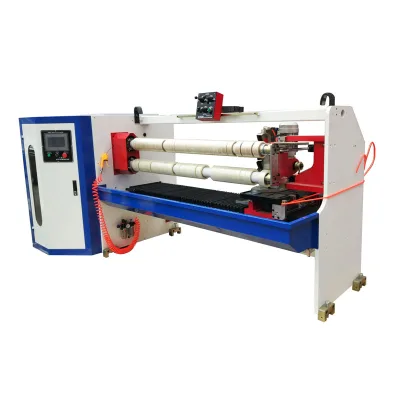
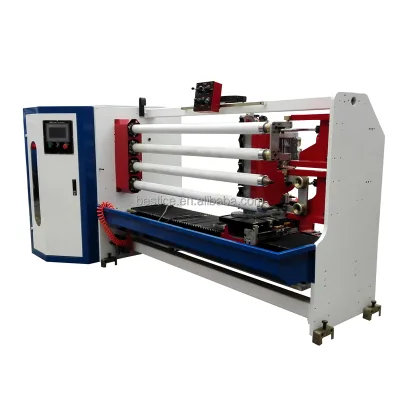
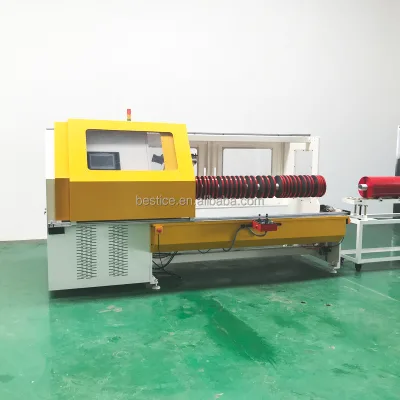


Automatic Adhesive Tape Making Paper Adhesive Masking Tape Cutting Machine
$10000.00 - $20000.00
MOQ: 1 Sets


Automatic Single Shaft Electrical Tape PVC Masking Tape Cutting Machine
$10000.00 - $32000.00
MOQ: 1 Set

10 Shafts High Output Electric Insulating Tape Adhesive Tape Cutting Machine
$20300.00 - $28000.00
MOQ: 1 Sets

Automatic Tape Cutting Machine for PVC Electrical Masking Foam BOPP Tape
$10000.00 - $32000.00
MOQ: 1 Set
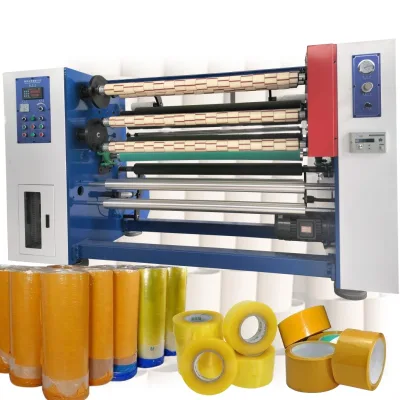
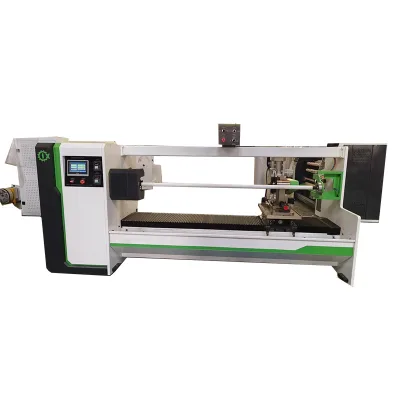
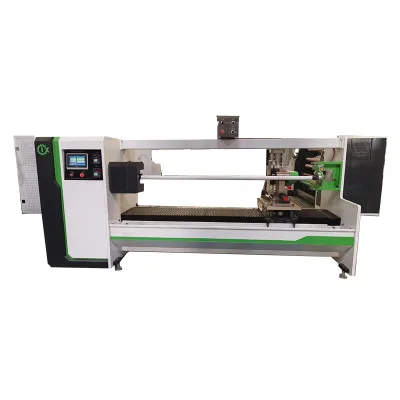
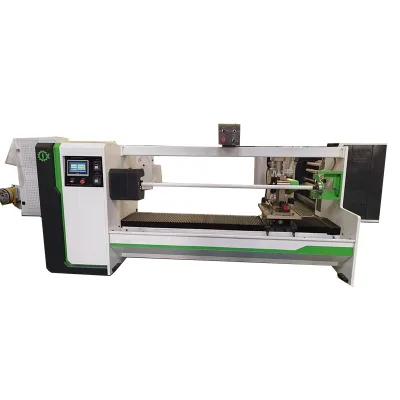
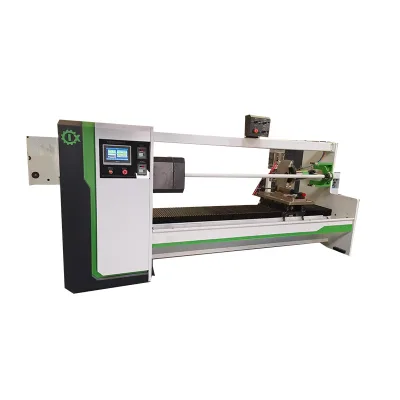


Comprehensive Sourcing Guide
Electric Masking Tape Cutting Machine Sourcing Guide
Sourcing electric masking tape cutting machines requires a disciplined approach to aligning machine capabilities with specific production line requirements. These machines are primarily designed for the precise processing of adhesive tapes, including double-sided tape, masking tape, and PVC insulating tape. The core functionality revolves around automated cutting processes that ensure consistent dimensions and minimal material waste. Buyers must evaluate whether the machine’s cutting mechanism, such as round knife cutting, suits the substrate thickness and width variations inherent in their supply chain. Understanding the operational scope is the first step in preventing costly mismatches between equipment capabilities and production needs.
The market for these machines is dominated by manufacturers in China, with significant production hubs in Jiangsu and Shanghai. This geographic concentration offers buyers access to a wide range of models, from basic units to highly automated systems. However, it also necessitates rigorous verification of supplier credentials and machine specifications. The observed product landscape includes various models, such as the BC-702 and BC-704, each offering different widths and speeds. Buyers should focus on verifying the actual performance metrics rather than relying solely on marketing descriptions, ensuring that the selected machine can handle the required volume and precision for their specific application.
Product Scope and Observed Listing Signals
The product scope for electric masking tape cutting machines encompasses a variety of configurations tailored to different industrial needs. Observed listings indicate that these machines are suitable for processing paper, wood, aluminum foil, plastic, and film packaging materials, in addition to the primary focus on adhesive tapes. The cutting precision is a critical factor, with some models offering a tolerance of ±0.1mm, which is essential for high-quality finishing in electronics or automotive applications. Buyers should note that while many machines are labeled as "automatic," the level of automation can vary, affecting labor requirements and operational efficiency.
Listing signals reveal a wide range of machine widths, typically spanning from 1.1 meters to 1.6 meters, allowing for the processing of wide rolls of tape. The speed of operation is another key indicator, with some machines capable of cutting up to 40 rolls per minute. This high throughput is vital for large-scale manufacturing environments. However, buyers must verify if the advertised speed is sustainable under continuous load and whether it applies to all tape types or only specific substrates. The presence of core components like PLCs suggests a degree of programmability, which allows for customization of cut lengths and patterns, adding flexibility to the production process.
Technical Specifications to Verify
Verifying technical specifications is crucial to ensure the machine meets the operational demands of the facility. The voltage and power requirements are fundamental, with standard configurations often citing 380V 50HZ 3Phase. Buyers must confirm that their facility’s electrical infrastructure can support these requirements, as mismatches can lead to operational failures or safety hazards. Additionally, the power consumption may be customizable, so it is important to clarify the exact power draw for the specific model being considered. This information is essential for calculating total cost of ownership and ensuring compatibility with existing plant utilities.
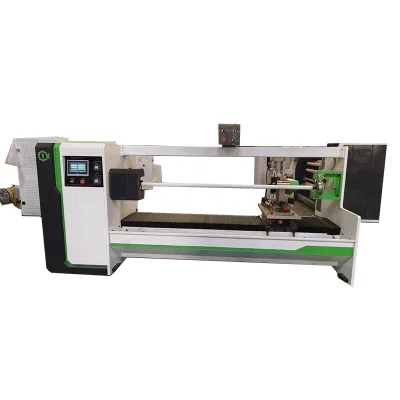
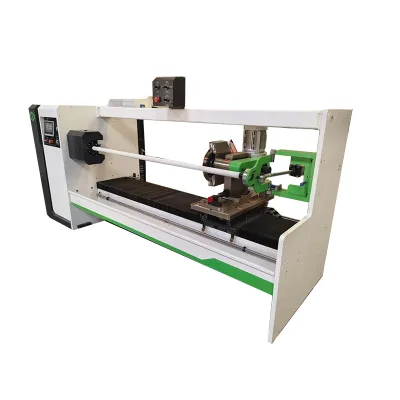
The physical dimensions and structural design of the machine also require careful attention. Typical dimensions observed include a length of 2900mm, width of 1550mm, and height of 2600mm, which impacts floor space planning and installation logistics. The machine structure, often featuring a cutting part with two shafts, determines the stability and precision of the cut. Buyers should verify the minimum cutting width, which can be as low as 3mm, to ensure the machine can handle narrow tape applications. Furthermore, the driven type, typically electric, should be evaluated for energy efficiency and maintenance requirements, as these factors influence long-term operational costs.
Compliance and Safety Documentation
Compliance and safety documentation are non-negotiable aspects of sourcing industrial machinery. Certifications such as CE are commonly listed, indicating that the machine meets European health, safety, and environmental protection standards. Buyers should request copies of these certificates to verify their validity and ensure they cover the specific model and voltage configuration being purchased. Compliance with local regulations in the buyer’s country is equally important, and suppliers should be prepared to provide documentation that facilitates customs clearance and installation approval.
Safety features and operational protocols must also be thoroughly reviewed. Machines with PLC controls offer enhanced safety through automated shut-offs and error detection, but buyers must ensure that these features are properly configured and understood by their operators. The warranty period, which can range from one to five years, is a significant indicator of the manufacturer’s confidence in their product. Buyers should clarify what the warranty covers, including parts and labor, and whether it includes on-site service or requires the machine to be returned to the factory. Understanding these terms helps mitigate the risk of unexpected repair costs and downtime.
Cost Drivers and Commercial Terms
Cost drivers for electric masking tape cutting machines include the level of automation, cutting precision, and customization options. Machines with higher cutting speeds and wider processing widths typically command higher prices. The inclusion of advanced features like PLC controls and online support services can also increase the initial cost. Buyers should evaluate the total cost of ownership, considering not just the purchase price but also installation, training, and maintenance expenses. The observed price range is broad, reflecting the diversity of machine capabilities and configurations available in the market.
Commercial terms such as MOQ, lead time, and payment terms are critical for planning procurement activities. While some listings indicate an MOQ of 1, buyers should negotiate for favorable terms based on their volume and relationship with the supplier. Lead times can vary significantly depending on the machine’s complexity and the supplier’s production schedule. Buyers should establish clear timelines for delivery and installation to avoid production delays. Additionally, after-sales service provisions, such as engineers available for overseas service or online technical support, should be explicitly defined in the contract to ensure ongoing support and troubleshooting assistance.
Supplier Qualification and Quality Control
Supplier qualification is a vital step in mitigating procurement risks. Buyers should verify the supplier’s manufacturing capabilities, including their facility size, production capacity, and quality control processes. Suppliers located in Jiangsu and Shanghai often have established supply chains and experienced workforces, but buyers should still conduct due diligence to ensure consistency and reliability. Requesting references from previous clients and visiting the factory, if possible, can provide valuable insights into the supplier’s operational standards and commitment to quality.
Quality control measures should be integrated into the procurement process to ensure the machine meets specified standards. Buyers should request machinery test reports that demonstrate the machine’s performance under various conditions. These reports should include data on cutting precision, speed consistency, and durability. Additionally, buyers should establish clear acceptance criteria for the machine upon delivery, including visual inspections and functional tests. Engaging a third-party inspection service can provide an unbiased assessment of the machine’s quality before shipment, reducing the risk of receiving defective or non-compliant equipment.
Long-Term Procurement Checks
Long-term procurement checks focus on ensuring the machine remains a valuable asset throughout its lifecycle. Buyers should establish a maintenance schedule that includes regular inspections, lubrication, and part replacements to prevent unexpected failures. The availability of spare parts is crucial, and buyers should confirm with the supplier that essential components are readily available. Understanding the wear patterns of cutting blades and other critical parts can help in planning maintenance activities and minimizing downtime.
Continuous improvement and feedback loops are also important for long-term success. Buyers should monitor the machine’s performance in their production environment and provide feedback to the supplier for any necessary adjustments or upgrades. Engaging with the supplier for technical support and training can help operators maximize the machine’s efficiency and longevity. Additionally, staying informed about industry trends and technological advancements can help buyers make informed decisions about future upgrades or replacements, ensuring their production capabilities remain competitive.
FAQs
What is the cutting precision of the foam tape cutting machine?
The machine offers a cutting precision of ±0.1mm for accurate results. This high precision ensures clean cuts on materials like double side tape and masking tape without damaging the substrate.
Which voltage specifications does the electric cutting machine support?
The equipment operates on 380V 50HZ 3Phase power. This standard voltage configuration is designed for industrial environments and ensures stable performance during continuous operation cycles.
Can buyers customize the power requirements for this machine?
Yes, the power specification is customizable to meet specific facility needs. This flexibility allows manufacturers to adapt the machine to different electrical standards while maintaining the core cutting functionality.
What after-sales service is provided for overseas machinery?
Engineers are available to service the machinery overseas for technical support. This service ensures that operational issues can be resolved quickly regardless of the buyer's geographic location.
Which certifications does the PVC cutting machine hold?
The machine holds CE certification for compliance with safety standards. This certification indicates that the equipment meets essential health, safety, and environmental protection requirements for the European market.
How fast can the automatic machine process rolls per minute?
The machine achieves a speed of 40 rolls per minute. This high throughput capacity makes it suitable for large-scale production lines requiring efficient processing of foam and PVC tapes.
What warranty period is included with the cutting machine purchase?
A warranty period of 1 year is provided for the standard model. Some configurations may offer extended warranty options up to 5 years depending on the specific model and supplier agreement.
Which materials are suitable for this round knife cutting process?
The machine is suitable for cutting PVC insulate tape, masking tape, and double side tape. It also handles film cutting applications effectively using its round knife cutting work method.