Source Electric Liquid Filling Machine for Drinks, Oil, and Chemicals
Find 30 verified options for an Electric Liquid Filling Machine designed for drinks, oil, and chemical applications. Buyers can compare models like DYF and YT4T-4G based on filling principles, valve heads, and automatic grades to find the right solution.
Key considerations
Products List


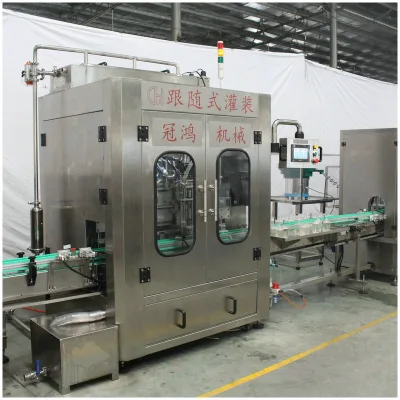
High Popularity Automatic Piston-Style Liquid Filling with CE Certificate
$50000.00 - $56650.00
MOQ: 1 Pieces


Anti-Corrosive Liquid Filler, Anti-Corrosive Liquid Bottling Machine
$10000.00 - $50000.00
MOQ: 1 Pieces

$10000.00 - $50000.00
MOQ: 1 Pieces


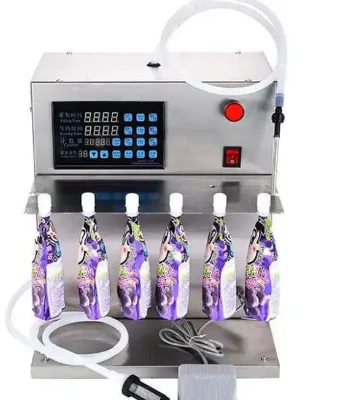

Comprehensive Sourcing Guide
Strategic Sourcing Guide for Electric Liquid Filling Machines
Understanding Core Technical Architectures and Variants
When sourcing an Electric Liquid Filling Machine, the primary challenge lies in navigating the diverse technical architectures available in the global market. The supply landscape reveals distinct operational models, ranging from rotary to linear structures, each designed to accommodate specific production volumes and container types. Buyers must first distinguish between machines utilizing a pressure filling principle and those operating on atmospheric pressure. The pressure-based systems are often engineered for high-speed operations where consistent flow control is critical, while atmospheric pressure models may offer simplicity for specific viscous or delicate products.
The structural configuration of the machine is equally vital. Evidence from current listings indicates a split between rotary and linear designs. Rotary machines typically feature a single-room feeding structure and are driven by electric motors, making them suitable for continuous, high-throughput environments. In contrast, linear machines often employ multi-room feeding structures and multi-head filling valve configurations, offering flexibility for batch processing or varied container formats. The choice between a single-head and multi-head filling valve system directly impacts the machine's output capacity. Single-head units are generally observed in semi-automatic or lower-volume contexts, whereas multi-head arrangements are standard for automatic liquid filling machines designed for industrial-scale output.
Furthermore, the forming capabilities of the equipment must be evaluated. Some units are dedicated solely to filling, while others are integrated Forming Filling Sealing Machines capable of creating the packaging container, filling it, and sealing it in a single automated sequence. These advanced units often utilize specific forming species, such as bottle forming, and are driven by electric power sources. The distinction between a Volumetric Filling Machine and a Count Filling Machine is also significant; the former measures liquid by volume, which is essential for precise dosing, while the latter counts discrete units, a feature often found in specialized packaging lines.
Material Compatibility and Product Touch Components
The integrity of the final product depends heavily on the materials used in the machine's construction, particularly those in direct contact with the liquid. For industries handling beverages, oils, or chemical products, the material composition of the machine body and product touch parts is a non-negotiable specification. High-grade stainless steel is the industry standard for hygiene and corrosion resistance. Specifically, 304SUS is frequently cited for the general machine body, providing a robust and cost-effective structural foundation. However, for components that directly touch the product, such as the filling nozzles, valves, and cylinders, 316SUS is often specified. This higher grade of stainless steel offers superior resistance to corrosive liquids, ensuring that the machine can handle a wide range of applications without degrading or contaminating the product.
The nature of the liquid being processed dictates the material requirements. Applications involving corrosive liquids require machines with specific material certifications and construction standards to prevent chemical reactions. The packaging material itself also plays a role in the selection process. While some machines are designed for composite materials or film-based packaging, others are optimized for rigid containers like bottles or barrels. The selection of the packaging material—whether plastic, film, or composite—must align with the machine's feeding and handling mechanisms. For instance, a machine designed for bottle forming may have specific requirements for the rigidity and shape of the plastic material used, whereas a barrel filling machine requires a different feeding cylinder structure to accommodate larger volumes.
Compliance Standards and Certification Verification
Navigating the regulatory landscape is a critical component of the procurement process for electric liquid filling machines. Compliance ensures that the equipment meets safety, quality, and operational standards required in various markets. The most frequently observed standard in the current supply data is the CE mark, indicating conformity with health, safety, and environmental protection standards for products sold within the European Economic Area. Some advanced models, particularly those designed for the pharmaceutical or food industry, may also adhere to GMP (Good Manufacturing Practice) standards. These standards are essential for applications involving fruit drinks, milk, and hair care products, where hygiene and contamination control are paramount.
Buyers must verify the specific standard claims provided by suppliers. While CE is a common baseline, the presence of additional certifications like ISO 9001 should be confirmed through direct documentation rather than assumed. It is important to note that standards can vary by region and application. For example, a machine intended for the chemical industry might require specific certifications related to handling hazardous materials, whereas a machine for the food and beverage sector must strictly adhere to GMP guidelines. The verification process should involve requesting official certificates and cross-referencing them with the machine's model number and production origin. The origin of the machine, often listed as China in current listings, does not preclude compliance with international standards, but it necessitates rigorous due diligence to ensure that the claimed standards are valid and applicable to the buyer's local regulations.
Cost Drivers and Pricing Dynamics
The pricing of electric liquid filling machines is influenced by a complex interplay of factors, including automation level, structural complexity, and material specifications. The observed market data reveals a significant price variance, ranging from approximately 260 USD to 800,000 USD. This wide range reflects the diversity of the product category, from basic semi-automatic units to highly complex, fully automated Forming Filling Sealing Machines. The minimum order quantity (MOQ) for these machines is typically low, often starting at a single unit, which allows for flexible procurement strategies for small to medium-sized enterprises.
Several key drivers contribute to the final cost. First, the level of automation is a primary factor. Automatic Grade machines, which include features like PLC control and frequency converters, command a higher price than Semi-Automatic models. The inclusion of high-end components, such as PLCs from recognized manufacturers like Taiwan Delta or frequency converters from French brands, adds to the cost but enhances reliability and precision. Second, the structural design impacts pricing; rotary machines with multi-head configurations and linear machines with multi-room feeding structures are generally more expensive due to their engineering complexity and higher output capabilities. Third, the material quality, particularly the use of 316SUS for product touch parts, increases the manufacturing cost compared to standard 304SUS or other materials.
Additionally, the customization options available in the market can significantly affect the price. Machines that offer tailored solutions for specific packaging materials, such as bottles, barrels, or film, often require custom engineering, which adds to the overall cost. The packaging of the machine itself, whether it is a wooden case, wooden box, or carton, also influences the final price, as does the inclusion of specific accessories or software licenses. Buyers should be aware that while the base price might be attractive, the total cost of ownership includes maintenance, spare parts, and potential customization fees.
Typical Applications and Industry Suitability
Electric liquid filling machines are versatile tools designed to serve a broad spectrum of industries, each with unique requirements for speed, precision, and hygiene. The primary application areas identified in the market include the beverage industry, where machines are used for filling fruit drinks and milk. These applications often require machines that can handle corrosive liquids or sensitive products, necessitating the use of 316SUS materials and GMP compliance. The chemical industry is another major sector, where the ability to handle corrosive liquids and the need for precise dosing are critical. Machines designed for this sector often feature robust construction and specialized filling valves to ensure safety and accuracy.
Beyond beverages and chemicals, the personal care and cosmetics industry utilizes these machines for hair care products and other liquid formulations. The versatility of the machines allows them to adapt to different packaging formats, from bottles to barrels, and to handle various filling principles, including pressure and atmospheric pressure. The ability to form, fill, and seal packaging in a single operation makes these machines particularly valuable for the pharmaceutical and food industries, where efficiency and contamination control are paramount. The specific model, such as the DYF or DXDY series, may be optimized for particular applications, offering features like single-head or multi-head filling valves to match the production volume and container type.
Supplier Evaluation and Quality Control Protocols
Evaluating suppliers for electric liquid filling machines requires a systematic approach to ensure quality and reliability. Buyers should prioritize suppliers who provide transparent documentation regarding their machine specifications, including the model number, material composition, and compliance standards. The presence of specific components, such as Taiwan Delta PLCs or French frequency converters, is a strong indicator of quality and should be verified against the supplier's claims. Additionally, the supplier's ability to offer customization is a valuable asset, allowing buyers to tailor the machine to their specific production needs.
Quality control should be a central focus during the procurement process. Buyers must verify that the machine meets the required standards, such as CE or GMP, and that the materials used, particularly 316SUS for product touch parts, are genuine and of high quality. The structural integrity of the machine, whether it is a rotary or linear design, should be assessed through detailed technical drawings and, if possible, factory audits. The feeding cylinder structure, whether single-room or multi-room, must be compatible with the buyer's existing production line. Furthermore, the machine's ability to handle the specific packaging material, such as bottles or barrels, should be tested to ensure seamless integration.
Long-Term Procurement and Operational Considerations
Sourcing an Electric Liquid Filling Machine is not just a one-time transaction but a long-term investment that impacts operational efficiency and product quality. Buyers should consider the long-term maintenance requirements, the availability of spare parts, and the supplier's support services. The choice of components, such as the PLC and frequency converter, can affect the ease of maintenance and the availability of replacement parts. Machines with standardized components from reputable manufacturers are generally easier to maintain and repair.
The flexibility of the machine to adapt to future production needs is another critical consideration. As market demands change, the ability to switch between different packaging materials, such as from bottles to barrels, or to adjust the filling volume, can extend the lifespan of the machine. The customization options available, including the ability to modify the filling valve head or the feeding cylinder structure, can provide this flexibility. Additionally, the machine's energy efficiency and environmental impact should be evaluated, as these factors can influence operational costs and sustainability goals.
In conclusion, sourcing an Electric Liquid Filling Machine requires a comprehensive understanding of technical specifications, material compatibility, compliance standards, and cost drivers. By carefully evaluating suppliers and prioritizing quality control, buyers can secure a machine that meets their production needs and ensures long-term operational success. The diverse range of options available in the market, from semi-automatic to fully automated systems, offers opportunities for businesses to find the perfect solution for their specific application, whether in the beverage, chemical, or personal care industry.
FAQs
What filling principles are available for electric liquid filling machines?
Electric liquid filling machines operate using pressure or atmospheric pressure principles. Pressure systems suit high-speed operations requiring consistent flow, while atmospheric models offer simplicity for specific viscous or delicate products.
Which structural designs are common for these filling machines?
Machines typically feature either rotary or linear structures. Rotary units often use single-room feeding for continuous throughput, whereas linear designs employ multi-room feeding and multi-head valves for flexible batch processing.
What materials are used for product touch parts in these machines?
Product touch parts are commonly constructed from 316SUS stainless steel for superior corrosion resistance. The general machine body is often made of 304SUS, ensuring hygiene and durability for handling various liquid types.
Can these machines handle corrosive liquids and chemical applications?
Yes, many models are designed to handle corrosive liquids and serve the chemical industry. They utilize specific material certifications and construction standards to prevent chemical reactions and ensure safety during operation.
What automation levels are available for electric liquid filling machines?
Available automation grades range from semi-automatic to fully automatic systems. Automatic models often include PLCs and frequency converters for precision, while semi-automatic units suit lower-volume or specific dosing contexts.
Which certifications do these machines typically comply with?
Most machines comply with CE standards for health and safety in the European market. Advanced models for food or pharmaceutical applications may also adhere to GMP standards to ensure hygiene and contamination control.
What packaging formats can these machines process?
These machines can process bottles, barrels, and various packaging materials like film or plastic. Specific models are optimized for bottle forming or filling rigid containers like barrels depending on the feeding structure.