Source Electric Shaver for Men, Women, and Unisex Use
Find 30 Electric Shaver options with varying head counts, voltages, and charging times. Buyers can compare models for heavy or light beard types, including single, double, or rotary styles suitable for face and body use.
Key considerations
Products List


Intelligent Digital Display Electric Three-Blade Shaver Washing Shaver Rechargeable Shaver
$10.80 - $11.60
MOQ: 1000 Pieces


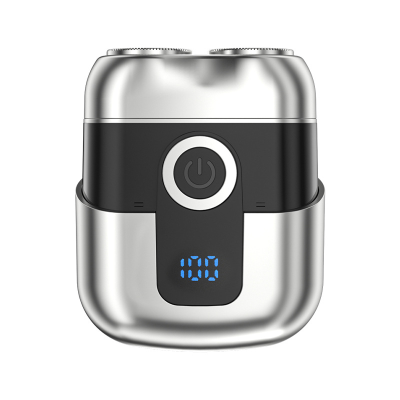
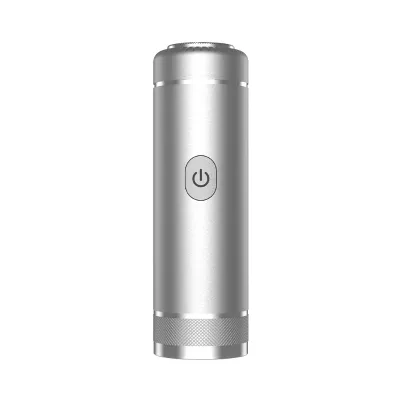

Hot Sale Current Season Legs Underarms Arms Hair Removal Electric Shaver
$7.10 - $7.14
MOQ: 150 Pieces


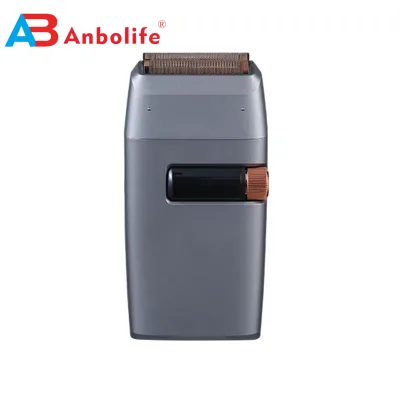
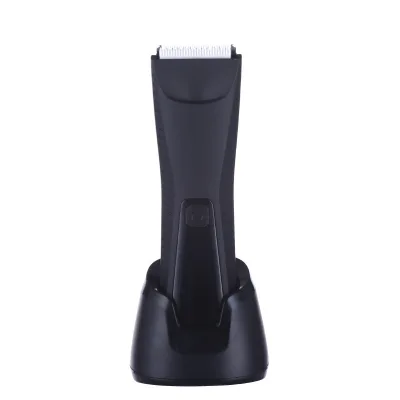
Powerful Electric Razor for Men Mini Shaver Portable Men's Electric Shaver
$7.58 - $8.68
MOQ: 3000 Pieces





Comprehensive Sourcing Guide
Strategic Sourcing Guide for Electric Shavers
The global market for personal grooming appliances has seen a significant expansion, with electric shavers representing a critical category for both retail and wholesale procurement. For buyers navigating this sector, the distinction between generic consumer units and specialized B2B inventory is paramount. The available product landscape reveals a diverse array of configurations, ranging from single-head rotary systems to multi-blade precision tools. Understanding the technical variance, material composition, and operational specifications is essential for constructing a procurement strategy that minimizes risk and maximizes value. This guide outlines the critical factors for sourcing electric shavers, grounded in observed market data and technical realities.
Technical Specifications and Configuration Variance
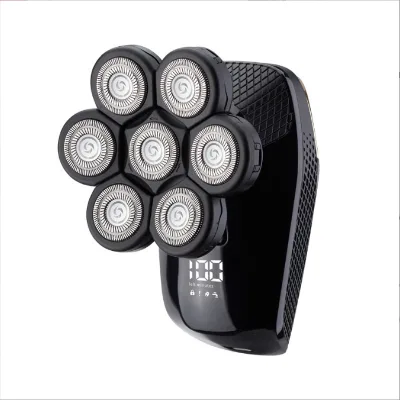
The first step in any sourcing initiative is a rigorous analysis of technical specifications. The current market inventory demonstrates a high degree of variability in core attributes, which directly impacts the suitability of a product for specific target demographics. A primary point of differentiation is the number of cutting heads. Observations indicate that products range from single-head models designed for specific facial contours to complex units featuring double, three, or even seven heads. The single-head configuration is often associated with specific applications for men with heavy beards, whereas multi-head systems may offer broader coverage for general grooming or body use.
Power supply mechanisms also present a critical decision point. The data shows a split between mains-powered units operating at 220V and those designed for universal voltage ranges of 100-240V. This distinction is vital for international distributors who must ensure compatibility with local grid standards. Furthermore, battery-operated options utilizing dry batteries exist alongside rechargeable models. For rechargeable units, the charging time is a significant performance metric, with observed ranges spanning from one hour to eight hours. The corresponding work time, or runtime on a full charge, varies between 45 minutes and 60 minutes, a factor that directly influences user satisfaction and product positioning.
Material composition is another technical pillar. Most units in the observed dataset are constructed from ABS plastic, a durable and cost-effective polymer suitable for mass production. However, premium segments utilize a composite of ABS and stainless steel blades, offering enhanced durability and cutting precision. The blade configuration itself, whether single, twin, or multi-blade, dictates the shaving efficiency and the type of beard the device can effectively manage, ranging from light to heavy growth.
Compliance, Certification, and Safety Standards
When sourcing electrical appliances, compliance with safety and quality standards is non-negotiable. While specific certification marks are not universally listed for every unit in the current inventory, buyers must verify that products adhere to relevant international safety regulations. The presence of electrical components necessitates rigorous testing for electrical safety, thermal management, and material toxicity.
Buyers should explicitly request documentation regarding the electrical standards met by the manufacturer. For devices intended for export, compliance with standards such as IEC 60335 for household and similar electrical appliances is typically expected. The "Blue" and "Black" designations noted in product standards likely refer to color variants or specific internal circuit board markings, but they do not substitute for formal safety certifications. It is imperative to verify that the voltage ratings (220V or 100-240V) are clearly marked and that the power supply mechanisms meet the safety requirements of the destination market. Additionally, the "Waterpr" feature observed in some models suggests water resistance, which requires specific IP rating verification to ensure the device can withstand washing without electrical failure.
Cost Drivers and Pricing Dynamics
The pricing structure for electric shavers is influenced by a complex interplay of factors, including material costs, feature sets, and customization requirements. The observed price range in the market spans from $1.59 to $23.90 USD. This wide disparity reflects the difference between basic, single-function units and more advanced models with multiple heads, USB charging capabilities, and premium blade materials.
The Minimum Order Quantity (MOQ) is another significant cost driver, with observed ranges from 10 to 3000 units. Lower MOQs may be suitable for testing new markets or for boutique retailers, but they often come with a higher unit cost. Conversely, higher volume orders typically unlock better pricing tiers but require significant capital commitment. Customization services, such as logo printing and packaging design, add to the base cost but are essential for brand building. The "Customized Logo" and "Logo and Package Accepted" attributes indicate that suppliers are willing to tailor products, but buyers must factor these services into their total landed cost calculations.
Typical Applications and Market Segmentation
The application scope of electric shavers extends beyond simple facial grooming. The data reveals a broad spectrum of use cases, including applications for men, unisex users, and specific body areas such as the underarm and body. Some models are marketed for general household use, while others are designed for commercial environments like hotels, garages, and RVs. This versatility allows buyers to target diverse market segments, from personal care retailers to hospitality supply chains.
The "Application" field lists specific environments such as Car, RV, Outdoor, Hotel, Garage, Commercial, and House. This suggests that certain models are engineered for portability and durability in varied settings. For instance, units with dry battery power modes or long work times may be better suited for outdoor or travel applications where access to mains power is limited. Conversely, models with washing capabilities are ideal for home users who prioritize hygiene and ease of maintenance. Understanding these application nuances is crucial for matching the right product to the right customer base.
Supplier Evaluation and Customization Capabilities
Selecting the right supplier requires a deep dive into their operational capabilities and flexibility. The available data confirms that customization is a standard offering, with suppliers accepting requests for logo placement and custom packaging. This capability is particularly valuable for private label strategies. However, buyers must assess the supplier's capacity to handle these requests without compromising quality or lead times.
The origin of the products is consistently listed as China, a major manufacturing hub for consumer electronics. While this offers access to a vast supply chain, it also necessitates careful vetting of the specific factory's quality control processes. Suppliers should be evaluated on their ability to maintain consistency across large production runs, especially when dealing with complex features like multi-head systems or waterproofing. The "After Sale: 1" attribute suggests a basic warranty or support structure, but buyers should clarify the extent of this support, including return policies and technical assistance.
Quality Control and Performance Verification
Quality control is the linchpin of successful procurement. Given the variability in specifications, such as charging times ranging from one to eight hours and work times from 45 to 60 minutes, buyers must implement strict quality assurance protocols. Performance claims regarding battery life and charging efficiency should be verified through independent testing or third-party certification.
The "Cleaning Type: Washing" attribute indicates that some models are designed for water-based cleaning. This feature requires rigorous testing to ensure that the internal electronics are adequately sealed against moisture ingress. Similarly, the "Feature: Twin Blade, on/off Power Button, USB Charge, Waterpr" specification highlights the need to verify the functionality of all integrated features. Buyers should request sample units to test the durability of the ABS plastic housing, the sharpness and longevity of the stainless steel blades, and the reliability of the USB charging ports.
Long-Term Procurement Considerations
Sourcing electric shavers is not merely a transactional exercise but a strategic partnership that requires long-term planning. The "After Sale" support and the availability of spare parts, such as replacement blades or charging cables, are critical for maintaining customer satisfaction over time. Buyers should negotiate clear terms regarding warranty coverage and the supply chain's ability to fulfill replacement orders.
Furthermore, the trend toward customization and specific applications suggests that the market is evolving. Buyers who can adapt their inventory to meet emerging needs, such as the demand for multi-use grooming tools or specialized travel shavers, will gain a competitive advantage. The ability to source from suppliers who offer flexible MOQs and robust customization services will be essential for navigating market fluctuations. By focusing on these long-term factors, buyers can build a resilient supply chain that delivers value to their customers and sustains business growth in the competitive grooming appliance sector.
FAQs
What customization options are available for electric shavers?
Suppliers offer customized logo and package acceptance for electric shavers. This service allows buyers to brand the product with their own logo and design specific packaging to meet their market requirements.
Which voltage ranges do these electric shavers support?
The observed inventory supports both 220V and 100-240V voltage ranges. Buyers must verify the specific unit voltage to ensure compatibility with their local power grid standards before placing an order.
How many cutting heads are available for electric shavers?
Models range from single heads to seven heads depending on the specific product configuration. Single-head units often target heavy beards, while multi-head systems provide broader coverage for general grooming.
Can electric shavers be used for body grooming applications?
Yes, certain models are designed for use on the face, body, and underarm areas. These units typically feature versatile blade configurations suitable for multiple body parts beyond just facial shaving.
What is the typical charging time for rechargeable electric shavers?
Charging times vary significantly, ranging from one hour to eight hours depending on the model. Users should check the specific product specifications to determine the expected charging duration for their chosen unit.
Which materials are commonly used to construct electric shavers?
Most units are constructed from ABS plastic, while some premium models use ABS combined with stainless steel blades. This material choice balances durability with cost-effectiveness for mass production.
What is the minimum order quantity for Electric Shaver procurement?
The observed minimum order quantity ranges from 10 to 3000 units based on the supplier and product type. Lower quantities suit testing markets, while higher volumes often unlock better pricing tiers.