Source Electric Shark Bubble Wand for parties, events, and promotions
Compare 30 listings for the Electric Shark Bubble Wand suitable for parties, events, and promotional giveaways. Buyers can review specifications, certifications, and pricing to find the right supplier for wholesale needs.
Key considerations
Products List
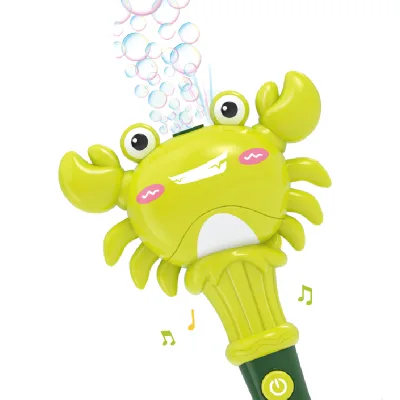


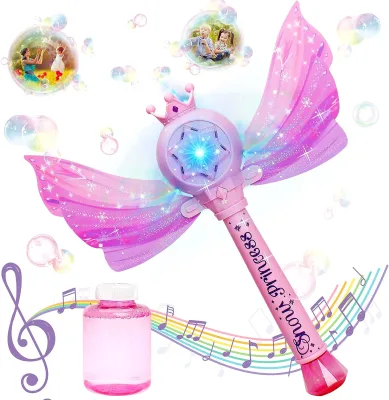
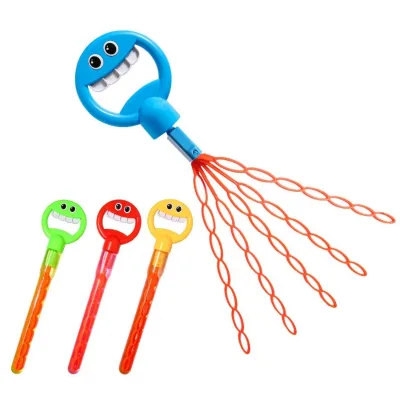
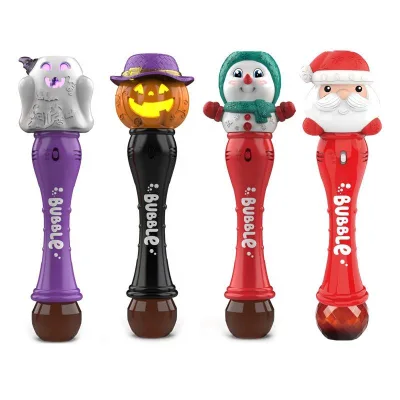




Comprehensive Sourcing Guide
Strategic Sourcing Guide for Electric Shark Bubble Wands
The global market for novelty bubble toys has expanded significantly, driven by demand for interactive, battery-operated play items that offer immediate visual engagement. Among the various designs available, the Electric Shark Bubble Wand has emerged as a distinct category combining mechanical functionality with thematic aesthetics. For B2B procurement professionals, sourcing this specific item requires a disciplined approach to verifying technical specifications, ensuring regulatory compliance, and evaluating supplier capabilities without relying on unverified marketing claims. This guide outlines the critical factors buyers must assess when sourcing electric shark bubble wands, drawing upon observed product attributes and established industry standards to form a robust procurement strategy.
Technical Specifications and Product Attributes
When evaluating electric shark bubble wands, the primary focus must be on the mechanical and material specifications that define the product's functionality and durability. Based on observed product data, these items are predominantly constructed from high-grade plastics, specifically Polypropylene (PP) and Acrylonitrile Butadiene Styrene (ABS). The use of ABS is particularly relevant for the structural components of the shark body, as it offers a balance of impact resistance and rigidity necessary for toys intended for active play. The material composition directly influences the product's weight and tactile feel; observed single gross weights for similar bubble wands typically range around 0.375 kg, though variations exist based on the inclusion of electronic components.
The functional core of the Electric Shark Bubble Wand is its automatic bubble-blowing mechanism. Unlike manual wands, these devices rely on a motorized system to dip the wand into the solution and oscillate or rotate it to generate bubbles. Key technical attributes observed in the market include integrated light features and sound modules, often described as "Bubble Sticks W/Light Music." These electronic additions require careful assessment of battery requirements and circuit protection. The product models identified in current listings, such as PY276107 through PY276109, suggest a standardized approach to internal electronics, yet buyers must verify the specific voltage and current ratings for each batch.
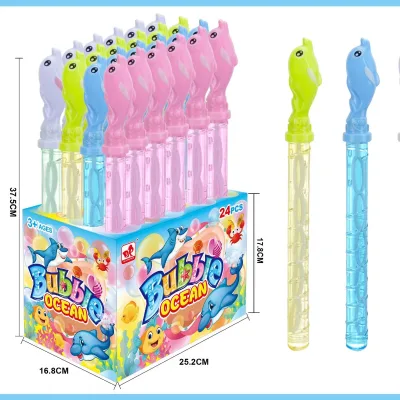
Packaging dimensions are a critical logistical consideration. Observed single package sizes for similar items often measure approximately 15.9 x 7.5 x 27.4 cm, while other configurations may vary, such as 28 x 10 x 23 cm or 14.5 x 13.5 x 17 cm. The "Handle Box" and "Color Box" packaging types indicate different retail readiness levels. Buyers should calculate the container load factor based on the specific model's carton count, which can range from 48 pieces per carton to other configurations. The "Folding" attribute noted in some listings suggests a design feature that reduces the footprint for storage and shipping, a significant advantage for logistics optimization.
Compliance and Certification Verification
Regulatory compliance is the most critical risk mitigation factor in toy sourcing. The Electric Shark Bubble Wand, being an electronic toy, falls under strict safety jurisdictions in major markets like the European Union and the United States. Observed product data frequently cites certifications such as EN71, CE, and ASTM. However, procurement professionals must treat these as verification targets rather than guaranteed attributes for every unit. The EN71 standard is a European norm for toy safety, covering mechanical and physical properties, flammability, and chemical migration. Similarly, the CE mark indicates conformity with health, safety, and environmental protection standards for products sold within the European Economic Area.
The ASTM standard, often referenced in conjunction with EN71, represents the American Society for Testing and Materials guidelines for toy safety. For an Electric Shark Bubble Wand, compliance extends beyond the plastic shell to the electrical components. Buyers must ensure that the supplier provides valid test reports from accredited laboratories, not just a statement of compliance. The presence of a "CE" certification in product descriptions must be cross-referenced with the specific test report number to verify authenticity. Furthermore, the "ENASTM" notation observed in some listings suggests a dual-compliance approach, but this requires explicit confirmation that the specific batch has been tested against both standards.
Age grading is another compliance dimension. The observed age ranges for these products span from 2 to 4 years up to 14 years and older. However, the presence of small parts, batteries, or electrical components often restricts the safe usage age. A product marketed for "3-8 Years" must undergo rigorous testing to ensure no choking hazards exist for the lower end of that spectrum. Buyers should verify that the age recommendation is supported by a formal risk assessment included in the product documentation. The "Unisex" gender attribute is common, but specific marketing claims targeting "Girls" or specific color schemes like "Pink" or "Blue" should not override the universal safety requirements applicable to all children in the designated age group.
Cost Drivers and Pricing Dynamics
Understanding the cost structure of electric shark bubble wands is essential for negotiating favorable terms. The observed price range in the market spans from $0.06 to $9.00 USD, a wide variance that reflects differences in material quality, electronic complexity, and order volume. The lower end of this spectrum likely corresponds to basic manual or simple automatic wands with minimal electronic features, while the higher end includes advanced models with synchronized light and music, higher-grade ABS plastics, and more sophisticated packaging.
Material costs are a primary driver. The shift from generic plastic to specific grades of PP and ABS affects the unit price. Additionally, the inclusion of electronic components such as motors, LED lights, and sound modules introduces variable costs based on the quality of the circuit board and the battery type. The "Customization" attribute, which includes logo printing and color variations, adds a layer of cost. While some listings indicate "Simple Color" or "Silkprint" logo options, custom molds or complex imprinting techniques will increase the unit price and potentially the Minimum Order Quantity (MOQ).
The observed MOQ range of 10 to 7200 units highlights the flexibility of the supply chain but also the economies of scale. Lower MOQs, such as 10 units, are often available for custom orders or sample runs but come with a significantly higher per-unit cost. Conversely, bulk orders approaching 7200 units can drive the price down toward the lower end of the observed range. Buyers must balance the need for inventory flexibility with the cost benefits of volume purchasing. Packaging costs also play a role; "Handle Box" or "Carton" packaging adds material and labor costs compared to simpler bulk packing.
Typical Applications and Market Segmentation
Electric shark bubble wands serve diverse applications beyond simple play. The observed usage categories include "Funny," "Recreation," "Intellectual Toy," "Souvenir," and "Promotion." This versatility makes the product suitable for various B2B clients, including toy retailers, event organizers, and corporate marketing departments. For toy retailers, the product fits into the "Cartoon Toy" style category, appealing to children aged 3 to 8 years and older. The "Shark" shape and "Animal" classification align with popular themes in children's media, enhancing marketability.
In the promotional sector, the "Bubble Wand" functionality offers a unique engagement tool. The "Automatic" nature of the device allows for hands-free operation, making it ideal for trade shows, festivals, and outdoor events where continuous entertainment is required. The "Light" and "Music" features add a sensory layer that can attract attention in crowded environments. The "Customization" option allows companies to imprint their logos, turning the toy into a branded souvenir. The "Scale" of 1:10 mentioned in some contexts suggests a specific design proportion, which buyers should verify against the intended use case.
The "Selling Units" being listed as "Single item" indicates that these products are typically sold individually to end consumers, even when sourced in bulk. This packaging strategy simplifies retail display but requires careful inventory management to prevent loss or damage. The "Wholesale" mode observed in some listings suggests that the supply chain is structured to support large-volume distributors who can then supply smaller retailers or direct-to-consumer channels.
Supplier Evaluation and Origin Analysis
Supplier evaluation for electric shark bubble wands requires a focus on origin and production capability. The observed "Place of Origin" is consistently China, with specific mentions of "Shantou" and "Shantou Chenghai." Shantou Chenghai is a well-known hub for toy manufacturing, offering a dense ecosystem of suppliers specializing in plastic toys and electronic novelties. However, the concentration of suppliers in this region means that buyers must conduct rigorous due diligence to distinguish between established manufacturers and trading companies.
Key evaluation criteria include the supplier's ability to provide valid certification documentation, their production capacity, and their quality control processes. The "Customization" availability suggests that suppliers have the flexibility to modify molds or printing processes, but buyers must verify the lead time for such changes. The "Standard" of 36 x 8 x 14 cm or 28 x 10 x 23 cm for the product itself indicates a need for precise mold specifications. Buyers should request samples to verify that the physical dimensions match the stated standards and that the "Folding" mechanism functions correctly over repeated use.
The "Brand Name" "bechotoy" observed in the data indicates that some suppliers operate under their own brand, while others may offer white-label options. For B2B buyers, the ability to customize the brand or logo is a critical factor. The "Logo Print" options, ranging from "Simple Color" to "Silkprint," require clear communication of design specifications to avoid errors in the final product.
Quality Control and Long-Term Procurement
Quality control (QC) is paramount for electronic toys. Buyers should implement a multi-stage QC process that includes pre-production sample approval, in-process inspection, and pre-shipment inspection. The "Automatic Bubble Wand" function must be tested for reliability, ensuring that the motor does not overheat and that the bubble solution dispensing mechanism is consistent. The "Light" and "Music" features should be tested for battery life and durability.
Long-term procurement considerations involve building a relationship with a supplier who can maintain consistent quality over multiple orders. The "Customized" and "Non-Customized" attributes suggest that some products are standard while others are bespoke. Buyers should establish clear specifications for both scenarios to avoid ambiguity. The "Packaging Details" such as "Color Box" and "Handle Box" must be inspected for print quality and structural integrity to ensure the product arrives in perfect condition.
Sustainability is an emerging consideration. While not explicitly detailed in the observed data, buyers should inquire about the recyclability of the PP and ABS materials and the environmental impact of the packaging. The "Single gross weight" of 0.375 kg is a factor in shipping emissions, and optimizing the "CTN/PCS" ratio can reduce the carbon footprint of logistics.
Final Procurement Recommendations
Sourcing electric shark bubble wands requires a balance of technical verification, regulatory compliance, and strategic supplier selection. Buyers must move beyond surface-level product descriptions and demand concrete evidence of quality and safety. By focusing on the specific material grades, certification validity, and production capabilities of suppliers in the Shantou region, buyers can secure a reliable supply chain. The wide price range and MOQ flexibility offer opportunities for both small-scale testers and large-volume distributors, provided that the underlying product quality meets the necessary standards. Ultimately, a disciplined approach to specification verification and quality control will ensure that the electric shark bubble wands delivered to the market are safe, functional, and commercially successful.
FAQs
What certifications do electric shark bubble wands typically hold?
These products typically hold CE and EN71 certifications for safety compliance. Some listings also reference ASTM standards, but buyers must verify valid test reports from accredited laboratories before purchasing to ensure regulatory adherence in target markets.
Which materials are used to construct electric shark bubble wands?
Manufacturers primarily use Polypropylene (PP) and Acrylonitrile Butadiene Styrene (ABS) for construction. ABS offers impact resistance for the shark body, while PP is used for other structural components, ensuring durability for active play by children aged 3 to 8 years.
Can buyers request custom logo printing on these bubble wands?
Customization is available for logo printing using simple color or silkprint methods. Buyers should note that some models are listed as non-customized, so confirming the specific product model's customization capability is essential before placing an order.
What is the typical age range for using these electric bubble wands?
The products are designed for age ranges spanning from 2 to 4 years up to 14 years and older. Specific models often target children aged 3 to 8 years, but safety assessments must confirm no choking hazards exist for the lower age limits.
How does the packaging size affect shipping logistics for these items?
Single package sizes vary, with common dimensions around 15.9 x 7.5 x 27.4 cm or 28 x 10 x 23 cm. Packaging types include color boxes and handle boxes, with carton counts like 48 pieces per carton influencing container load factors and shipping costs.
Where are electric shark bubble wands primarily manufactured?
Production is concentrated in China, specifically in the Shantou and Shantou Chenghai regions. These areas are known hubs for toy manufacturing, offering a dense ecosystem of suppliers specializing in plastic toys and electronic novelties for global export.