Find Electric Side Hanging Combine Harvester for corn, rice, wheat
Source 30 Electric Side Hanging Combine Harvester units from verified suppliers. Compare specifications including horsepower, harvesting width, and drive types for corn, rice, wheat, and soybean applications.
Key considerations
Products List
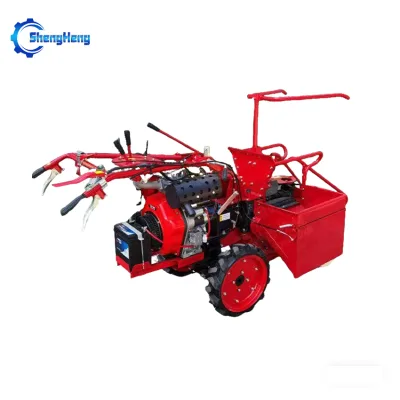


$10000.00 - $12000.00
MOQ: 1 Pieces


Tractor Mounted Combine Harvester Combine Corn Sorghum Alfalfa Harvester
$1000.00 - $1100.00
MOQ: 1 Sets


Agricultural Machinery Harvester Walk-Behind Single Row Corn Harvester for Sale
$1200.00 - $1800.00
MOQ: 1 Pieces

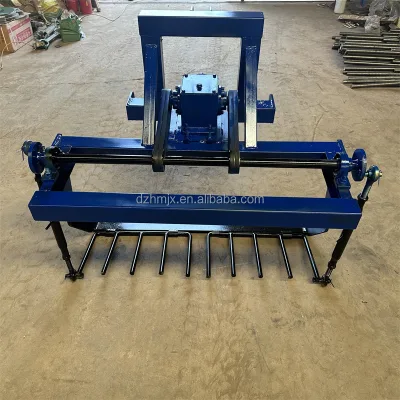


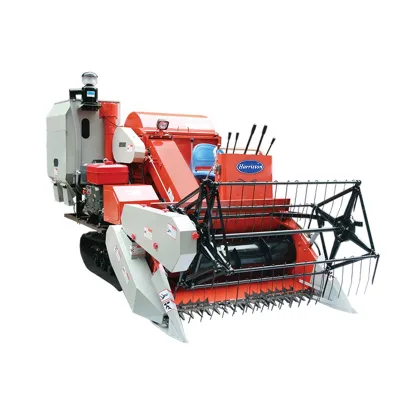
Comprehensive Sourcing Guide
Strategic Sourcing Guide for Electric Side Hanging Combine Harvesters
The global agricultural sector is increasingly prioritizing mechanization that balances efficiency with environmental stewardship. For buyers investigating the core keyword "Electric Side Hanging Combine Harvester," the procurement landscape requires a nuanced understanding of how these machines integrate into existing farming operations. While the term "electric" suggests a specific powertrain, the supplied market data indicates a complex ecosystem where tractor-mounted, diesel-powered, and portable units coexist. This guide provides an evidence-based framework for sourcing, evaluating, and integrating harvesting machinery, focusing on the specific attributes observed in the current supply chain, such as the "Side Hanging Type" configuration and various power sources.
Technical Specifications and Configuration Analysis
When evaluating a side hanging combine harvester, the primary technical differentiator is the mounting configuration and the power transmission system. The observed market data highlights a "Side Hanging Type" portable harvester, which is designed to be attached to the side of a tractor or a dedicated frame. This configuration is distinct from self-propelled units and is often favored for its versatility in smaller to medium-sized plots. The "Horizontal Cut Harvester" type is another critical specification, indicating the cutting mechanism's orientation, which directly impacts the efficiency of crop intake.
Power delivery is a critical area of investigation. The supplied facts reveal a mix of power sources, including "Diesel" and "Tractor" as the primary drivers. While the search query specifies "electric," the available product attributes list "HP" ratings ranging from 13 to 18 HP, with a specific "tractor power" requirement of 10 HP. This suggests that many units marketed as side hanging harvesters rely on the tractor's power take-off (PTO) or a dedicated diesel engine rather than a pure electric battery system. Buyers must verify the actual power source, as the term "electric" in marketing materials may sometimes refer to electric control systems rather than the primary propulsion. The "Driven Type" is noted as "Direct coupling shaft transmission" in some models, while others utilize a "Vee belt" or "Gear Drive." The choice between a hard shaft and a belt drive affects maintenance frequency and torque transmission efficiency.
Furthermore, the working width is a decisive factor for throughput. The data indicates a "Harvest Width" ranging from 400mm to 800mm, with a specific "working width" of 800mm observed in certain models. This width determines the volume of crop that can be processed per pass. The "number of rows" is consistently listed as 1, confirming that these are single-row machines. For a side hanging unit, the "Harvesting row" being a "Single Row" simplifies the mechanical complexity but requires precise alignment with the crop rows. The "Harvest method" varies between "Picking" and "Uprooted," which dictates the suitability for different crop types, such as corn, rice, or wheat.
Compliance, Certification, and Safety Standards
In the B2B procurement of agricultural machinery, compliance with international and local standards is non-negotiable. The supplied product facts explicitly mention "CE" and "ISO9001" certifications. The CE mark indicates conformity with health, safety, and environmental protection standards for products sold within the European Economic Area. The ISO9001 certification attests to the manufacturer's adherence to quality management systems. However, buyers must treat these as observations of specific listings rather than universal guarantees for all side hanging harvesters.
The "machinery test report" is listed as "Provided" for certain models, which is a vital document for verifying performance claims. This report should detail the results of stress tests, efficiency measurements, and safety checks. When sourcing, procurement teams must request these reports to ensure the machine meets the specific regulatory requirements of the destination country. Additionally, the "prod_standard" varies, with some units adhering to a "45CBM" standard and others to "22CBM," likely referring to packaging or shipping volume standards rather than operational performance. The physical dimensions are also standardized, with one observed standard being "258019001100mm," which is crucial for logistics planning and storage.
Safety features are inherent in the design, particularly regarding the "core components" like the "Bearing." High-quality bearings are essential for the longevity of the transmission system. The "Installation" method, described as "Internal Threaded Connection," suggests a modular design that facilitates assembly and disassembly. Buyers should verify that all connection points meet safety standards to prevent mechanical failure during operation. The "Condition" of the machines is listed as "New," which implies that the sourcing strategy should focus on manufacturers with robust quality control processes to ensure that the "New" status is genuine and not a reconditioned unit.
Cost Drivers and Pricing Dynamics
The pricing structure for side hanging combine harvesters is influenced by several variables, including power output, transmission type, and customization options. The observed listed price range in the market spans from 58 USD to 120,000 USD. This vast disparity indicates that the category includes everything from basic, small-scale portable units to large, highly specialized industrial machines. The lower end of the spectrum likely corresponds to simple "Backpack Type" or lightweight "Side Hanging Type" units with minimal features, while the higher end reflects complex "Horizontal Cut Harvester" models with advanced transmission systems and higher horsepower ratings.
The "MOQ" (Minimum Order Quantity) ranges from 1 to 100 units, with a specific "MOQ" of 1 Set observed for certain models. This flexibility allows small farms to purchase a single unit, while larger agricultural enterprises can leverage bulk ordering to negotiate better terms. The "Selling Units" are typically listed as "Single item," suggesting that the base price includes the core machine, but additional costs may apply for accessories or extended warranties.
Customization is a significant cost driver. The "Customization" attribute is marked as "Available," meaning buyers can request modifications to the "Color," "Application," or specific mechanical components. These customizations will inevitably increase the unit cost and potentially extend the lead time. The "prod_packing" method, whether "Nude Packing" or "Iron Frame," also impacts the final price, as specialized packaging adds material and labor costs. Buyers should carefully evaluate the total cost of ownership, including the "warranty" period, which is observed as "3 Months" for some models. A shorter warranty period may indicate lower manufacturing confidence or higher risk, requiring a more rigorous quality assurance process.
Typical Applications and Crop Compatibility
The versatility of side hanging combine harvesters is a key selling point, with the "Application" field listed as "Agriculture" and specific crops including "Corn," "Rice," "Wheat," and "Soybean." The "prod_prop.application" specifically highlights "Corn," indicating that these machines are highly effective for corn harvesting. The "Harvest method" of "Picking" is particularly suited for corn, where the ears are detached from the stalk. Conversely, the "Uprooted" method is more appropriate for root crops or specific grain varieties where the entire plant needs to be lifted.
The "Type" of machine, described as a "corn machine" or "Portable Harvester," suggests that these units are designed for flexibility. The "Side Hanging Type" configuration allows the machine to be mounted on the side of a tractor, making it ideal for fields where large self-propelled harvesters cannot maneuver. The "working width" of 800mm provides a balance between coverage and maneuverability. However, the "number of rows" being 1 means that these machines are best suited for row crops where the spacing is consistent. For non-row crops, the efficiency may be lower compared to wide-swath self-propelled units.
The "Application Field" is broadly "Agriculture," but the specific "Power Source" of "Diesel" or "Tractor" power implies that these machines are best used in areas with reliable fuel supply or access to tractors. The "HP" ratings of 13, 15, and 18 HP suggest that these units are designed for medium-duty operations, capable of handling moderate crop densities without overloading the power source. Buyers should match the machine's specifications to the specific crop type and field conditions to maximize efficiency.
Supplier Evaluation and Quality Assurance
Evaluating suppliers for side hanging combine harvesters requires a focus on transparency and technical capability. The "place of origin" is consistently listed as "Shandong, China" or simply "China," indicating a concentration of manufacturing in this region. Buyers should verify the supplier's location and production capacity to ensure they can meet demand. The "brand name" "shengheng" is observed in the data, but buyers should not limit their search to a single brand. Instead, they should look for suppliers with a proven track record of producing "New" condition machines with valid certifications.
Quality assurance is paramount. The "machinery test report" is a critical document that suppliers must provide. Buyers should request this report before placing an order to verify that the machine has undergone rigorous testing. The "core components" like the "Bearing" should be of high quality to ensure durability. The "Transmission" system, whether "Hard Shaft" or "Vee belt," should be inspected for signs of wear or poor craftsmanship. The "Condition" of the machine should be confirmed as "New" through visual inspection and documentation.
The "warranty" period is another indicator of supplier confidence. A "3 Months" warranty is observed, but buyers should negotiate for longer terms if possible. The "prod_packing" method should be robust enough to protect the machine during shipping, especially if it is "Nude Packing." The "Installation" process, involving "Internal Threaded Connection," should be straightforward and well-documented to minimize setup time and errors.
Long-Term Procurement Considerations
Sourcing side hanging combine harvesters is not just about the initial purchase; it involves long-term considerations such as maintenance, spare parts availability, and operational efficiency. The "Customization" availability suggests that buyers can tailor the machine to their specific needs, which can extend the machine's useful life. However, customization may also complicate the supply chain for spare parts. Buyers should ensure that the supplier can provide a steady supply of replacement parts, especially for critical components like the "Bearing" and transmission parts.
The "Power Source" of "Diesel" or "Tractor" power implies ongoing fuel costs. Buyers should calculate the total cost of ownership, including fuel consumption, maintenance, and labor. The "HP" ratings of 13 to 18 HP suggest that these machines are relatively fuel-efficient compared to larger units, but this should be verified through actual field tests. The "working width" of 800mm offers a good balance between speed and fuel efficiency, but the "number of rows" being 1 means that more passes may be required to harvest a large field.
Finally, the "standard" of "45CBM" or "22CBM" for packaging and the "standard" of "258019001100mm" for dimensions are crucial for logistics planning. Buyers should ensure that their storage and transport infrastructure can accommodate these dimensions. The "Installation" method should be compatible with the buyer's existing equipment to minimize downtime. By carefully evaluating these long-term factors, buyers can make informed decisions that ensure the sustainable and efficient operation of their harvesting machinery.
Conclusion
The procurement of electric side hanging combine harvesters requires a detailed understanding of the technical specifications, compliance requirements, and cost drivers associated with these machines. While the market offers a wide range of options, from basic portable units to advanced horizontal cut harvesters, buyers must carefully verify the power source, transmission type, and crop compatibility to ensure the machine meets their specific needs. By focusing on suppliers with valid certifications, robust quality control processes, and a commitment to long-term support, buyers can secure reliable harvesting solutions that enhance agricultural productivity. The observed data provides a solid foundation for making informed decisions, but continuous verification and due diligence remain essential for successful procurement in this dynamic sector.
FAQs
What power source does the side hanging harvester use?
The machine typically uses a diesel engine or tractor power source rather than a pure electric battery system. Some models require a tractor with 10 HP to operate effectively, while others list specific HP ratings like 13, 15, or 18 HP for independent operation.
Which certifications are available for these harvesters?
Many units come with CE and ISO9001 certifications to ensure safety and quality management standards. Buyers should verify that the machinery test report is provided to confirm compliance with specific regional regulations before finalizing any purchase order.
How wide is the harvesting working area for these machines?
The working width typically ranges from 400mm to 800mm depending on the specific model configuration. This single-row design allows for precise harvesting of crops like corn, rice, wheat, and soybean in fields where larger units cannot maneuver easily.
Can buyers customize the color and specifications of the unit?
Yes, customization is available for color, application, and specific mechanical components to meet unique farming needs. The standard color is often red, but modifications can be requested, though they may impact the final unit cost and delivery lead time.
What is the minimum order quantity for purchasing a harvester?
The minimum order quantity can be as low as one set for certain models, allowing small farms to purchase individually. However, bulk orders up to 100 units are also supported, with pricing and terms varying based on the total volume purchased.
Where are these side hanging harvesters manufactured?
The products originate primarily from Shandong, China, which is a major hub for agricultural machinery manufacturing. Buyers should verify the specific place of origin to ensure the supplier meets their logistical and quality assurance requirements.
What warranty period is offered for the new machines?
A standard warranty period of 3 months is observed for many of the new condition units. Buyers should negotiate for extended terms if possible and ensure the machinery test report is included to validate the machine's performance before the warranty expires.