Source Electric Self Priming Water Pump for Sewage, Irrigation, and Construction
Explore 30 listings for Electric Self Priming Water Pump options suitable for sewage treatment, irrigation systems, and construction sites. Buyers can compare specifications like flow rate, pressure, and material to find the right centrifugal pump for their needs.
Key considerations
Products List
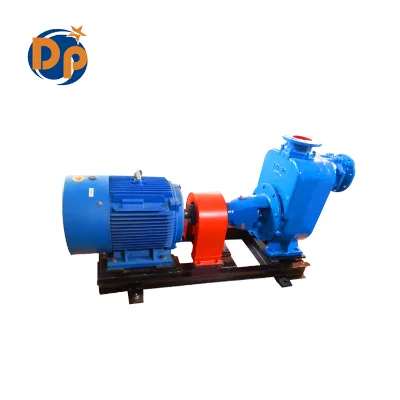
Self-priming 4 Inch NS 100 Water Pump Electric Self-priming Water Pump
$2320.57 - $2423.61
MOQ: 1 sets


Electric High Efficiency Self Priming Water Pump with ISO9001 Certificate
$1000.00 - $10000.00
MOQ: 1 Pieces

Electric High Efficiency Self Priming Centrifugal Water Pump Manufacturer
$1000.00 - $10000.00
MOQ: 1 Pieces

Electric High Efficiency Self Priming Water Pump with ISO45001 Certificate
$1000.00 - $10000.00
MOQ: 1 Pieces

Electric High Efficiency Self Priming Water Pump with ISO14001 Certificate
$1000.00 - $10000.00
MOQ: 1 Pieces


Electric Motor Horizontal Self-Priming Centrifugal Water Pump for Water Supply
$3000.00 - $9000.00
MOQ: 1 Pieces


Advanced Classic Type Intelligent Self-Priming Water Pump for Efficiency
$32.32 - $33.73
MOQ: 200 Pieces


Advanced Intelligent Self-Priming Water Pump for Efficient Performance
$35.12 - $36.65
MOQ: 200 Pieces


Comprehensive Sourcing Guide
Strategic Sourcing Guide for Electric Self-Priming Water Pumps
Understanding Technical Specifications and Core Performance Metrics
When evaluating electric self-priming water pumps, buyers must first distinguish between the specific mechanical configurations and performance capabilities that define the product's utility. The core keyword "Electric Self Priming Water Pump" encompasses a diverse range of centrifugal, circulating, and dewatering units designed for various fluid dynamics. Based on observed market data, these units frequently operate on a centrifugal theory, utilizing a single-stage pump structure to achieve efficient fluid movement. A critical technical observation is the variation in impeller materials, which can range from brass and PPO (Polyphenylene Oxide) to plastic, directly influencing the pump's resistance to corrosion and chemical compatibility.
The physical dimensions and operational parameters are often flexible to meet specific project requirements. For instance, cable length and pressure ratings are frequently listed as "As customer request," indicating a high degree of customization potential in the manufacturing process. However, fixed performance metrics provide a baseline for comparison. Observed data suggests a maximum head (Hmax) ranging between 35 and 55 meters, with a maximum flow rate (Qmax) typically falling between 35 and 60 liters per minute for certain compact models. The working fluid is predominantly water, with a maximum liquid temperature tolerance of up to 80℃.
The electrical configuration is another vital specification. Most units operate on standard electric power sources with frequencies of 50/60Hz and voltages of 110/220V. The motor winding material is commonly identified as copper wire, which is essential for ensuring efficient energy conversion and thermal management. The connection type is typically a flange, facilitating secure integration into existing piping systems. Buyers should verify the mounting height and shaft position, as these are often specified as horizontal or suction centrifugal configurations. The model numbers, such as DP-ZX/ZW or M80, serve as unique identifiers for specific product lines, though the underlying technology remains consistent across the category.
Compliance, Certification, and Regulatory Standards
Navigating the regulatory landscape is paramount for B2B procurement, particularly when sourcing industrial equipment for international markets. The supplied product data indicates a strong emphasis on compliance, with several key certifications frequently observed. ISO certification is a recurring attribute, serving as a baseline indicator of quality management systems. Furthermore, specific product certificates often include CE, EMC (Electromagnetic Compatibility), LVD (Low Voltage Directive), and MD (Machinery Directive). These certifications are critical for selling into the European Union and other regions that mandate strict adherence to safety and electromagnetic standards.
The structural standard of the pumps is generally classified as "Standard," implying adherence to established industry norms rather than proprietary or non-standard designs. However, buyers must exercise caution and verify that the specific batch or model they intend to purchase holds valid, current certificates. The presence of a "Standard or Nonstandard" designation suggests that while the baseline is standard, custom orders may deviate. In such cases, the burden of proof for compliance shifts to the supplier to demonstrate that the custom configuration still meets the necessary safety and performance regulations.
For applications in the automotive, food and beverage, or environmental protection sectors, the material composition also plays a role in compliance. Materials such as Cr27 (a high-chromium stainless steel), stainless steel, and cast iron are commonly used. The choice of material must align with the specific environmental regulations of the destination country, particularly regarding lead content or heavy metal leaching if the pump is used for drinking water treatment. Buyers should request valid test reports or certification documents that explicitly link the specific model number to the claimed standards, rather than relying on general category claims.
Cost Drivers and Pricing Structure Analysis
The pricing of electric self-priming water pumps is influenced by a complex interplay of factors, including material costs, customization levels, and order volume. The observed price range in the market spans from approximately $14.90 to $10,000 USD. This wide disparity reflects the difference between small-scale residential units and large industrial-grade systems. The lower end of the spectrum typically corresponds to compact models with plastic or PPO impellers and basic cast iron casings, designed for home use or light-duty applications. Conversely, the higher price points are associated with pumps featuring stainless steel construction, higher pressure ratings, and specialized configurations for industrial boilers or chemical industries.
Minimum Order Quantity (MOQ) is a significant driver of unit cost. The observed MOQ range extends from 1 unit to 200 units. Buyers purchasing single items or small batches will likely face a higher per-unit cost but benefit from immediate availability. In contrast, larger orders, particularly those exceeding 100 pieces, may unlock volume discounts. For example, specific customization options, such as custom colors, often require a minimum order of 100 pieces to be economically viable. The supply ability of manufacturers, observed at 8000 sets per year, suggests that while they can handle significant volume, lead times may vary depending on current order backlogs.
Additional cost factors include the packaging and logistics. Products are typically shipped in ply wooden cases or cartons, depending on the size and fragility of the unit. The port of dispatch, often Tianjin Port or as customer-required, impacts shipping costs and lead times. Buyers should also consider the warranty terms, which are commonly set at one year. A longer warranty period or extended service agreements may increase the initial procurement cost but reduce long-term operational risks. It is essential to analyze the total cost of ownership, including energy efficiency (motor winding quality) and maintenance requirements, rather than focusing solely on the purchase price.
Typical Applications and Industry Use Cases
Electric self-priming water pumps are versatile tools deployed across a wide spectrum of industries. The primary application categories identified include the automotive industry, biofuel industry, commercial buildings, and developing world water solutions. In the commercial sector, these pumps are integral to HVAC OEM applications, district energy systems, and drinking water treatment facilities. The ability to handle sewage and trash makes them particularly valuable in construction sites and environmental protection projects where fluid quality can be inconsistent.
Specific industry use cases highlight the adaptability of these pumps. In the food and beverage industry, the pumps must handle clean water or process fluids without contamination, often requiring stainless steel components. For irrigation and agricultural applications, the self-priming capability is crucial for drawing water from wells or reservoirs without the need for complex priming mechanisms. The fire fighting application is another critical niche, where reliability and immediate water delivery are non-negotiable. In the chemical industry, the pump's material compatibility with various fluids becomes the primary selection criterion, necessitating the use of specialized impeller materials like brass or PPO.
The table below summarizes the primary application sectors and their specific requirements based on observed product attributes:
| Application Sector | Key Requirements | Typical Material/Feature |
|---|---|---|
| Automotive & Industrial | High durability, chemical resistance | Cr27, Stainless Steel |
| Construction & Dewatering | Self-priming, trash handling | Cast Iron, Single Suction |
| Water Treatment | Clean fluid handling, hygiene | Stainless Steel, PPO Impeller |
| HVAC & District Energy | Circulation efficiency, low noise | Centrifugal Theory, Horizontal Mount |
| Fire Fighting | Immediate start, high pressure | High Head (35-55m), Electric |
| Home Use | Compact size, low voltage | 110/220V, Plastic/Brass Impeller |
Supplier Evaluation and Customization Capabilities
Selecting the right supplier requires a rigorous evaluation of their technical capabilities and flexibility. The observed data indicates that suppliers offer both OEM (Original Equipment Manufacturer) and ODM (Original Design Manufacturer) support, allowing buyers to brand products or request specific design modifications. The "Customization: Available" attribute suggests that buyers can request changes to cable length, pressure, and other specifications. However, this flexibility must be balanced against the supplier's production capacity and quality control processes.
When evaluating a supplier, buyers should verify their place of origin, which is frequently listed as Hebei, China. This region is known for its manufacturing cluster, but it also necessitates careful due diligence regarding quality consistency. The supply ability of 8000 sets per year provides a baseline for capacity, but buyers should inquire about peak season constraints and the ability to scale production for large projects. The warranty period of one year is a standard offering, but the terms of service, including response time for claims and availability of spare parts, are critical factors in supplier selection.
Buyers should also assess the supplier's ability to handle the "As customer request" specifications. This includes verifying their engineering team's capability to design custom impellers or modify casing materials. The presence of multiple model numbers (DP-ZX/ZW, M80) suggests a diverse product portfolio, but buyers must ensure the supplier can maintain consistency across different product lines. Communication regarding the port of dispatch, whether Tianjin or another location, is essential for logistics planning. A reliable supplier will provide clear documentation on lead times and the ability to meet specific delivery schedules.
Quality Control and Long-Term Procurement Considerations
Ensuring the long-term reliability of electric self-priming water pumps requires a robust quality control strategy. The material composition, such as the use of cast iron, stainless steel, or Cr27, directly impacts the pump's lifespan and resistance to wear. Buyers should request material test reports to verify the composition of the impeller and casing. The motor winding material, typically copper wire, should be inspected for quality to prevent overheating and ensure energy efficiency. The installation method, often horizontal, must be verified to ensure the pump is mounted correctly to prevent mechanical stress on the shaft.
Long-term procurement considerations extend beyond the initial purchase. The warranty period of one year is a standard baseline, but buyers should negotiate terms that cover critical components like the motor and impeller. The availability of spare parts is crucial for minimizing downtime. Suppliers offering OEM/ODM support often have better access to proprietary parts, but buyers should confirm the lead time for these components. The packaging details, such as ply wooden cases, play a role in protecting the pump during transit, but buyers should also consider the ease of installation and maintenance.
For projects requiring continuous operation, such as in industrial utilities or fire fighting systems, the reliability of the pump is paramount. Buyers should verify the performance claims, such as the maximum head and flow rate, through independent testing if possible. The standard of 1HP for certain models indicates a specific power rating, but buyers must ensure this matches the actual power requirements of their application. Finally, the environmental impact of the pump, particularly in developing world water solutions, should be considered. Energy-efficient motors and durable materials contribute to a lower carbon footprint and reduced maintenance costs over the product's lifecycle. By focusing on these quality and long-term factors, buyers can secure a reliable supply chain for their water pump needs.
FAQs
What certifications do electric self priming water pumps have?
These pumps typically hold ISO, CE, EMC, LVD, and MD certifications. Buyers should verify that specific batches carry valid certificates linking the model to these standards before purchasing for international markets.
Which materials are used for the pump casing and impeller?
Casing materials include cast iron, stainless steel, and Cr27. Impellers are commonly made from brass, PPO, or plastic, which influences corrosion resistance and chemical compatibility for specific fluid handling applications.
Can the cable length and pressure be customized?
Yes, cable length and pressure ratings are listed as available as customer requests. This flexibility allows buyers to tailor specifications to project needs, though custom orders may require higher minimum order quantities.
What is the maximum liquid temperature tolerance for these pumps?
The maximum liquid temperature tolerance is up to 80 degrees Celsius. This limit applies to the working fluid and must be respected to ensure safe operation and prevent damage to the pump components.
How is the warranty structured for these electric pumps?
The standard warranty period is one year. Buyers should clarify the specific terms of service, including response times for claims and spare parts availability, as part of the supplier evaluation process.
What is the supply ability of the manufacturers?
Manufacturers have a supply ability of 8000 sets per year. This capacity indicates they can handle significant volume, but lead times may vary depending on current order backlogs and peak production seasons.
Which industries commonly use these centrifugal pumps?
These pumps are used in automotive, food and beverage, construction, and water treatment industries. Their versatility supports applications ranging from fire fighting to sewage handling and HVAC circulation systems.