Source Electronic Valve Modified Motorcycle Exhaust for cars, bikes, and trucks
Compare 30 listings for Electronic Valve Modified Motorcycle Exhaust from verified suppliers in China. Buyers can evaluate specifications like material, certifications, and MOQ to find suitable options for automotive and motorcycle applications.
Key considerations
Products List


Motorcycle Exhaust Pipe and Other Engine Parts Exhaust Catalytic Converter
$20.00 - $180.00
MOQ: 50 Pieces


Motorcycle Exhaust Pipe and Factory Wholesale Catalytic Converter for Car
$20.00 - $180.00
MOQ: 50 Pieces
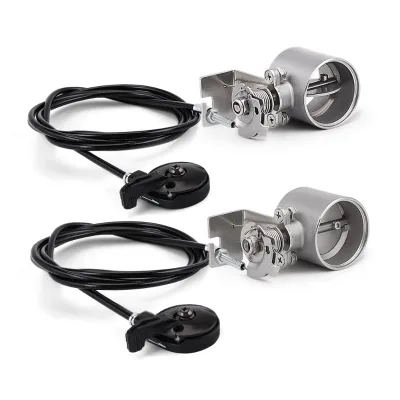


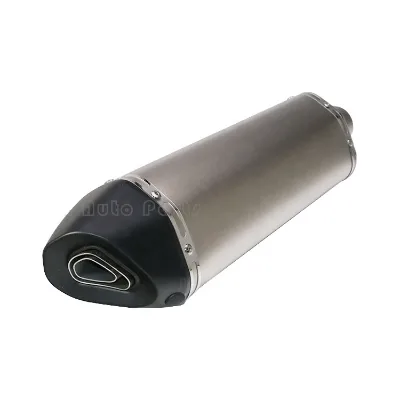
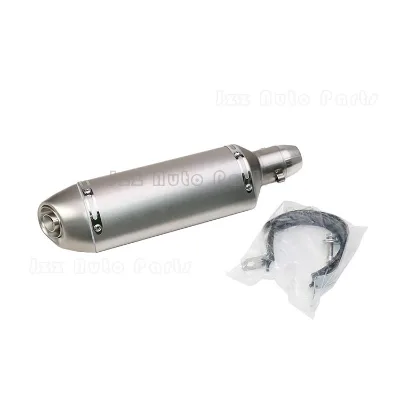


Motorcycle Engine Parts Motorcycle Intake Exhaust Valve for Cg125 Motorbike
$1.30 - $3.50
MOQ: 500 Pieces
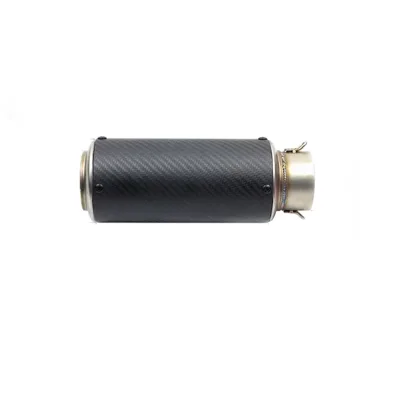
Universal Motorcycle Exhaust Escape Modified Exhaust Muffle Fit for Most Motorcycle
$11.99 - $15.00
MOQ: 30 pieces
Comprehensive Sourcing Guide
Strategic Sourcing Guide for Electronic Valve Modified Motorcycle Exhaust Systems
The procurement of Electronic Valve Modified Motorcycle Exhaust systems represents a specialized segment within the broader automotive and motorcycle aftermarket industry. Buyers seeking these components must navigate a landscape defined by precise engineering requirements, diverse material compositions, and varying regulatory standards. The core keyword "Electronic Valve Modified Motorcycle Exhaust" implies a system that not only alters the acoustic profile and flow characteristics of a motorcycle but also integrates active control mechanisms for performance tuning. This guide synthesizes available product attributes and industry standards to provide a disciplined framework for sourcing these complex assemblies.
Technical Specifications and Component Architecture
Understanding the technical architecture of an electronic valve modified exhaust is the first step in defining procurement requirements. The supplied data indicates that these systems are available in various configurations, including "Motorcycle Exhaust Pipe," "Motorcycle Exhaust System," and "Motorcycle Exhaust." A critical observation from the product attributes is the variation in materials used. Some listings specify "Aluminum" as the primary material, while others explicitly state "Stainless Steel" or "Steel" for the body material. This distinction is vital for buyers, as stainless steel generally offers superior corrosion resistance and durability for high-temperature exhaust environments, whereas aluminum may be used for specific lightweight or aesthetic applications.
The integration of an electronic valve introduces a layer of complexity regarding the "Application" and "Condition" of the product. The data confirms these are "New" components designed for "Car" and "Motorcycle" applications, though the specific focus here is on motorcycles. The "Customization" attribute is marked as "Available," suggesting that buyers can request modifications to fit specific chassis or engine configurations. Furthermore, the "prod_model" field lists entries such as "SJ2750," "Universal," and "Modified Parts," indicating that while some units are designed for specific models, others are engineered as universal fitments.
Buyers must verify the physical dimensions and weight constraints. The observed weight range for these components spans from 0.005kg to 20kg, a significant variance that likely correlates with the size of the motorcycle and the complexity of the exhaust system. The "Work Temperature" is noted as "Normal Temperature," which is a standard classification, but for high-performance modified systems, the thermal tolerance of the electronic valve mechanism itself must be confirmed with the supplier. The "Color" options typically include "Black" and "Silver," which are standard finishes for both aesthetic and functional heat-dissipation purposes.
Compliance, Certification, and Regulatory Standards
Navigating the regulatory landscape is essential for sourcing exhaust systems, particularly those involving electronic modifications. The product data reveals a diverse array of certifications, ranging from general "ISO" and "ISO9001" to specific automotive standards like "CCC," "COP," "E-Mark," and "RoHS." The presence of "ISO9001:Color:Black" and "ISO9001:CCC" in the data suggests that quality management systems are often tied to specific product batches or color variants.
A critical compliance factor for modified exhausts is the "Discharge Standard." One specific attribute lists "Euro IV," which is a significant benchmark for emissions control. Buyers must verify if the electronic valve system maintains compliance with the Euro IV standard or if the modification shifts the emissions profile. The "Automobile Chassis Noise" and "Noise Source" attributes highlight concerns regarding "Transmission Noise" and "The Noise of Engine," including "Aerodynamic Noise." This indicates that the electronic valve likely plays a role in managing noise levels, potentially allowing the rider to switch between quiet and loud modes.
The "Standard" attribute in the data varies from "OEM" to specific dimensions like "420x130mm" and "Standard Size." This inconsistency underscores the need for buyers to demand precise dimensional drawings and compliance certificates before ordering. The "CCC" certification is particularly relevant for products entering the Chinese market, while "E-Mark" is a prerequisite for vehicles sold in Europe. Buyers should not assume that a product with "ISO" certification automatically meets local emissions or safety regulations in their target market. The "Main Market" data points to regions such as "Africa," "Latin America," "South America," and "Europe," suggesting that suppliers may have different compliance packages for different geographic zones.
Cost Drivers and Pricing Dynamics
The pricing structure for electronic valve modified motorcycle exhausts is influenced by several factors, including material composition, customization levels, and certification requirements. The observed listed price range in the market is broad, spanning from $0.15 to $180 USD. This wide variance likely reflects the difference between individual components, such as a single exhaust pipe, and complete systems with integrated electronic control units.
Material costs are a primary driver. Stainless steel systems typically command a higher price point than aluminum or steel alternatives due to the raw material cost and the manufacturing processes required for welding and finishing. The "Quality" attribute is listed as "High" or "a Class," which often correlates with a premium price. Buyers should be aware that the "MOQ" (Minimum Order Quantity) varies significantly, with observed ranges from 1 to 1000 units. Specific listings show MOQs of 100, 300, or 100 PCS.
Customization is another significant cost factor. Since "Customization" is available, orders requiring specific "prod_model" adaptations or unique "Color" finishes may incur additional tooling or setup fees. The "Packaging" method, described as "Standard Packaging with Carton Box and Pallet" or "Carton+Pallet," also impacts the final landed cost, especially for international shipping. The "Delivery" options listed as "Railway, Sea, Air" further influence the total cost, with air freight being the most expensive but fastest option. Buyers must balance the unit price against the MOQ and shipping costs to determine the true cost of ownership.
Typical Applications and Performance Expectations
The application of electronic valve modified exhaust systems extends beyond simple noise reduction. The data indicates these systems are used in "Car" and "Motorcycle" contexts, with a specific focus on "Modified Parts." The "Electronic Valve" component suggests an active management system that can alter the exhaust flow path, likely to optimize backpressure for performance or to dampen sound for comfort.
The "Noise Source" attributes, including "The Noise of Engine" and "Aerodynamic Noise," imply that these systems are designed to address multiple acoustic challenges. In a motorcycle context, the electronic valve allows the rider to switch between a "sport" mode with a louder, more aggressive exhaust note and a "touring" or "quiet" mode for city riding. The "Body Material" being "Steel" or "Stainless Steel" ensures the system can withstand the high thermal loads generated by the engine.
The "Brand" attribute lists "Aldrich/OEM/ODM," indicating that these products are often sold under private labels or as original equipment manufacturer replacements. This suggests that the systems are compatible with a wide range of motorcycle models, provided the "Standard Size" or "Universal" fitment matches the specific chassis. The "Main Market" data suggests these applications are prevalent in regions with active motorcycle cultures, such as Europe and Latin America. Buyers should verify the compatibility of the "Electronic Valve" with the specific motorcycle's ECU or control system, as integration issues can arise if the valve is not designed for the specific bike's architecture.
Supplier Evaluation and Verification Protocols
Evaluating suppliers for electronic valve modified exhausts requires a rigorous verification process. The "Location" data points to "Zhejiang, China" and "Chongqing," which are major manufacturing hubs for automotive and motorcycle components. While these locations indicate a concentration of supply, buyers must verify the specific capabilities of the supplier regarding electronic integration.
The "Support" attribute lists "OEM," confirming that suppliers are willing to support original equipment manufacturer specifications. However, the presence of "ODM" (Original Design Manufacturer) options suggests that some suppliers may offer design services. Buyers should request evidence of the supplier's ability to handle the electronic components, such as the valve actuator and control logic. The "Quality" attribute being "High" or "a Class" is a self-reported claim; buyers should demand third-party test reports or quality assurance documentation to validate these claims.
The "Payment" terms listed as "T/T" (Telegraphic Transfer) are standard but require careful negotiation regarding deposit and balance payments. The "Lead Time" is not explicitly defined in the data, but the "Delivery" options suggest that logistics planning is a critical part of the procurement process. Buyers should inquire about the "Production" capacity and the ability to meet the "MOQ" requirements without compromising quality. The "Condition" being "New" is a baseline requirement, but buyers must ensure that the "New" status applies to the electronic components as well, not just the metal piping.
Quality Control and Long-Term Procurement Considerations
Quality control for electronic valve systems must extend beyond the physical construction of the exhaust pipe. The "Certification" data includes "RoHS," which restricts the use of hazardous substances, and "CCC," which ensures product safety. Buyers should verify that the electronic valve mechanism has undergone rigorous testing for durability and reliability under varying temperature conditions. The "Work Temperature" is listed as "Normal Temperature," but for long-term reliability, the system must withstand the heat cycles of a running engine.
The "Packaging" details, such as "Carton Case+Plastic Bag" or "Box/Bag," are crucial for protecting the delicate electronic components during transit. Damaged electronics can render the entire system inoperable. Buyers should specify packaging requirements that include shock absorption and moisture protection. The "Standard" attribute of "OEM" implies that the product should meet the same quality standards as the original manufacturer, but buyers must confirm the specific testing protocols used.
Long-term procurement considerations include the availability of spare parts and the lifecycle of the electronic valve. Since the "Customization" is available, buyers should ensure that the supplier can support future orders for replacement valves or control units. The "Main Market" data suggests a global supply chain, but buyers should be aware of potential geopolitical or logistical disruptions. The "Delivery" options of "Railway, Sea, Air" offer flexibility, but sea freight is often the most cost-effective for bulk orders, provided the lead time is acceptable.
Summary of Key Procurement Parameters
To facilitate a streamlined procurement process, buyers should consolidate the key parameters into a clear checklist. The following table summarizes the critical attributes observed in the market data that should be verified during the sourcing process.
| Parameter | Observed Range/Options | Verification Requirement |
|---|---|---|
| Material | Aluminum, Stainless Steel, Steel | Confirm material grade and thickness for durability. |
| Certification | ISO, ISO9001, CCC, E-Mark, RoHS | Verify specific certification for target market compliance. |
| MOQ | 100, 300, 1000 PCS | Negotiate based on volume needs and budget. |
| Price Range | $0.15 - $180 USD | Clarify if price is per unit or per system. |
| Packaging | Carton Box, Pallet, Plastic Bag | Ensure protection for electronic components. |
| Origin | Zhejiang, Chongqing, China | Verify factory location and logistics capability. |
| Application | Motorcycle, Car, Universal | Confirm fitment for specific motorcycle model. |
| Discharge Standard | Euro IV | Validate emissions compliance for the region. |
By adhering to these guidelines and rigorously verifying the provided attributes, buyers can effectively source Electronic Valve Modified Motorcycle Exhaust systems that meet their technical, regulatory, and commercial requirements. The complexity of these systems demands a disciplined approach to supplier evaluation and quality assurance to ensure long-term performance and reliability.
FAQs
What certifications do electronic valve modified motorcycle exhausts have?
These exhausts typically hold ISO, ISO9001, CCC, E-Mark, and RoHS certifications. Buyers must verify specific compliance like Euro IV discharge standards for their target region before ordering.
Which materials are used for these exhaust systems?
Manufacturers use Aluminum, Stainless Steel, or Steel for the body and components. Stainless steel offers superior corrosion resistance, while aluminum is often chosen for lightweight applications.
Can buyers customize the product specifications and dimensions?
Yes, customization is available for specific models and universal fitments. Buyers should confirm if the supplier can adapt the standard size or OEM specifications to their motorcycle chassis.
What is the minimum order quantity for these exhausts?
The minimum order quantity ranges from 100 to 300 pieces depending on the supplier. Some vendors accept orders as low as one unit, while others require bulk purchases.
How are these exhaust systems packaged for shipping?
Products are shipped in carton boxes, often with wooden pallets or plastic bags for protection. Standard packaging ensures the electronic valve and metal pipes arrive undamaged during transit.
Where are the manufacturers of these exhausts located?
Major manufacturing hubs are located in Zhejiang and Chongqing, China. These regions provide a concentration of suppliers capable of producing both standard and modified exhaust components.