Source Electroplated Modern Wine Glass for bars, hotels, and events
Compare 30 listings for Electroplated Modern Wine Glass from verified Chinese suppliers. Buyers can evaluate MOQs ranging from 2 to 124,000 pieces, customization options like logos, and certifications including FDA and LFGB for restaurant and bar applications.
Key considerations
Products List
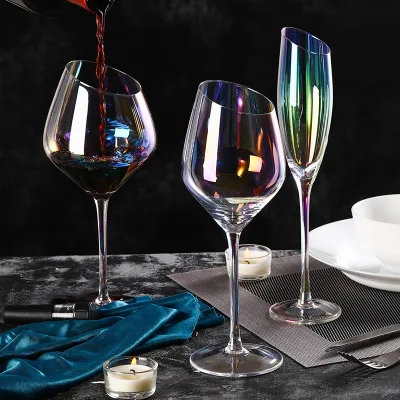
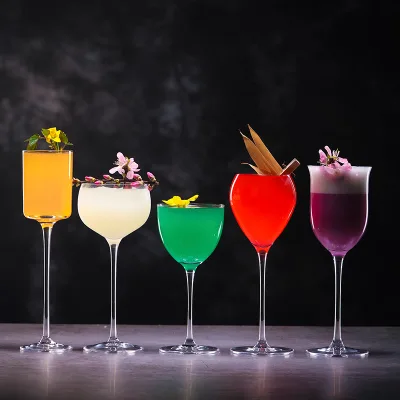


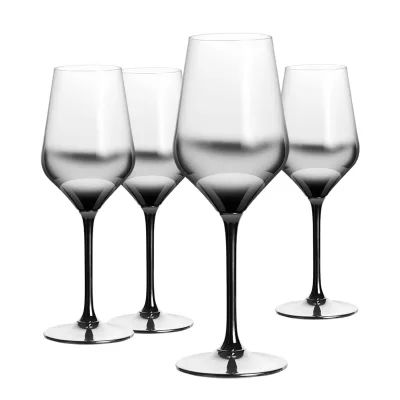


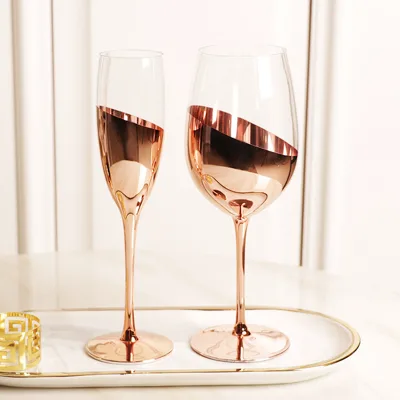
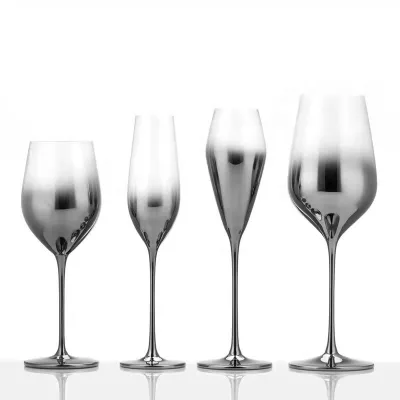
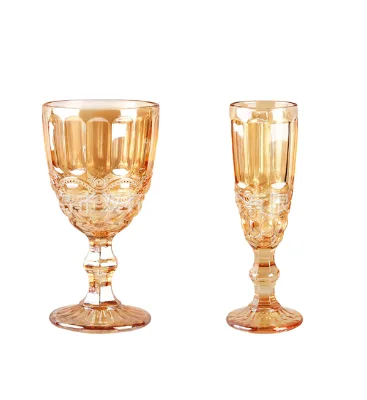

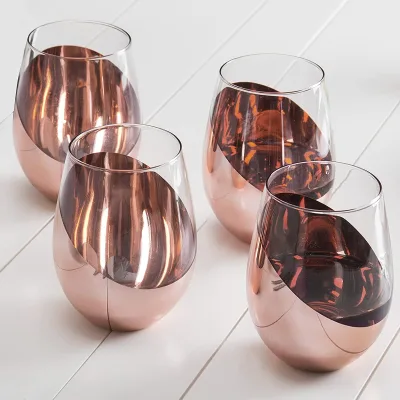
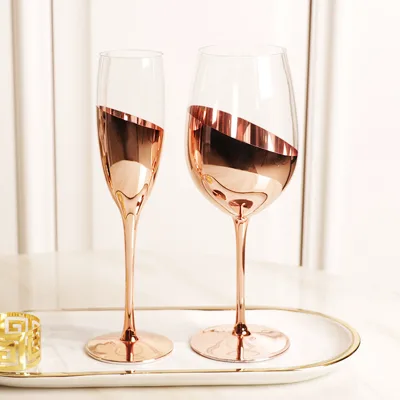
Top Seller Lead Free Glass Luxurious Retro Creative Electroplated Gold Wine Glass
$2.90 - $3.41
MOQ: 250 Pieces
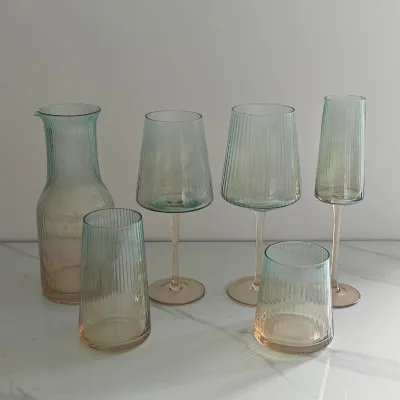
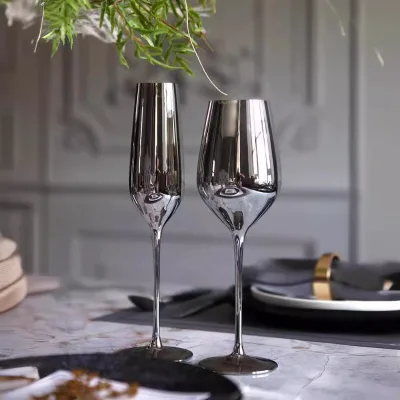




Comprehensive Sourcing Guide
Strategic Sourcing Guide for Electroplated Modern Wine Glass
Understanding Product Attributes and Technical Specifications
When sourcing electroplated modern wine glasses, buyers must first distinguish between the core material properties and the specific surface treatments that define the "electroplated" classification. While the provided data indicates a primary material of glass, the term "electroplated" in a B2B context often refers to a metallic coating applied to glassware to achieve a reflective, high-end finish, or it may be a misinterpretation of "mouth-blown" or "handmade" processes that create unique surface textures. The supplied facts confirm that the base product is a Glass goblet or wine glass, often featuring a Transparent Clear or Multicolor finish, with specific options for Blue, Green, Pink, and Yellow.
The manufacturing technology for these items is frequently described as Handmade and Mouth Blown, which suggests a high degree of craftsmanship and potential variation in the final shape. Buyers should note that the product shapes vary significantly, ranging from Irregular Shape designs to Cylindrical Shape structures. This variation is critical for procurement planning, as irregular shapes may require specialized packaging to prevent breakage during transit. The standard packaging dimensions observed include 15.0X16.0X25.0 cm for single units, while bulk shipping standards vary, with some listings citing 504050cm cartons weighing 17kg, and others specifying 605045cm cartons containing 48 pieces with a weight of 16kg.
The customization capabilities are extensive, allowing for Customized Logo application via Laser, Spray, Decal, or Painted methods. This flexibility supports branding for hotels, bars, and restaurants. However, the "electroplated" descriptor requires careful verification. If the buyer seeks a metallic sheen, they must confirm if the "Transparent Clear" or "Multicolor" options include a metallic plating layer or if the term is used loosely to describe the visual effect of the glass itself. The data lists EEC, CIQ, LFGB, FDA, CE / EU, and ROHS certifications, which are essential for food-contact safety, but the specific plating material (e.g., gold, silver, chrome) is not explicitly detailed in the source facts. Therefore, technical due diligence must focus on confirming the composition of any metallic coating to ensure it meets food safety standards.
Compliance, Certification, and Food Safety Standards
For any glassware intended for food and beverage service, particularly in the European and North American markets, compliance is non-negotiable. The supplied product data lists a robust set of certifications: LFGB (German Food Safety), FDA (US Food and Drug Administration), CE / EU (European Conformity), ROHS (Restriction of Hazardous Substances), EEC, and CIQ (China Inspection and Quarantine). These certifications indicate that the glass material itself, and likely the decorative coatings, have been tested for lead, cadmium, and other heavy metals that could leach into beverages.
Buyers must verify that these certifications apply specifically to the electroplated or coated version of the product, not just the base glass. The LFGB and FDA standards are particularly stringent regarding migration limits for heavy metals, which is a critical concern if the "electroplated" finish involves metallic salts. The ROHS certification suggests compliance with restrictions on hazardous substances, which is vital for electronic components but also relevant for ensuring the plating process does not introduce prohibited chemicals.
The CE / EU mark implies conformity with health, safety, and environmental protection standards for products sold within the European Economic Area. When sourcing from Hubei, China, buyers should ensure that the CIQ certification is current and valid for the specific export destination. It is important to note that while the data lists these certifications, the actual test reports or certificates of analysis (CoA) must be requested from the supplier for every batch. The "Eco-Friendly" and "Sustainable" features mentioned in the product attributes suggest that the manufacturing process may adhere to environmental standards, but buyers should request specific documentation regarding waste management and energy usage during the plating process to validate these claims.
Cost Drivers and Pricing Dynamics
The pricing for electroplated modern wine glasses is influenced by several distinct factors, primarily the complexity of the finishing process and the order volume. The observed price range in the market is 0.04 to 12 USD, a wide spectrum that reflects the difference between basic glassware and premium, hand-finished, or custom-plated items. The lower end of this range likely corresponds to standard, mass-produced goblets, while the upper end represents items with intricate Handmade or Mouth Blown techniques, custom colors, and complex logo applications.
MOQ (Minimum Order Quantity) is a significant cost driver. The data shows a wide range of MOQs, from as low as 24 Pieces to as high as 124,000 pieces, with common thresholds at 200 pcs, 480 Pieces, and 100 Sets. Ordering at the lower MOQs often results in a higher unit cost due to the setup costs for custom plating and logo application. Conversely, larger orders benefit from economies of scale but require significant capital outlay. The Sample availability is a crucial cost consideration; while some suppliers offer samples for free, others may charge for the sample unit and shipping. The Sample Time is typically 3-7 Days, which impacts the overall procurement timeline.
Logistics costs also play a major role. The Single Gross Weight is listed as 0.250 kg, but bulk shipping weights vary based on the carton standard. For instance, a carton containing 48 pieces weighs 16kg, whereas another standard is 17kg for a different dimension. The choice between Sea, Air, or Train shipping will drastically affect the final landed cost. Air freight is faster but more expensive, suitable for urgent orders or samples, while sea freight is cost-effective for large volumes but requires longer lead times. The Delivery time is noted as Within 15 Working Days, but this is an estimate and can be affected by the complexity of the customization and the current capacity of the manufacturing facility.
Typical Applications and Market Segmentation
The versatility of modern wine glasses allows them to serve a broad range of applications, from high-end hospitality to casual retail. The data explicitly lists Restaurant, Bar, and Hotel as primary application areas. In these settings, the Customized Logo capability is a key selling point, enabling establishments to brand their glassware for marketing purposes or to create a cohesive aesthetic. The Fashioned Wine Glass and Whiskey Glasses Set categories suggest that these products are suitable for both formal dining and specialized drink service.
The Irregular Shape and Cylindrical Shape options cater to different design preferences. Irregular shapes are often used in boutique hotels or trendy bars to create a unique visual experience, while cylindrical shapes are preferred for their stackability and ease of storage in high-volume operations. The Multicolor options, including Clear, Blue, Green, Pink, and Yellow, allow buyers to match the glassware to specific interior design themes or seasonal promotions.
For retail buyers, the Selling Units being listed as Single item or Sets provides flexibility. A Whiskey Glasses Set might be packaged as a gift set, appealing to consumers looking for premium home barware. The Eco-Friendly and Sustainable attributes are increasingly important for modern consumers and corporate buyers who prioritize environmental responsibility. These features can be leveraged in marketing materials to differentiate the product in a crowded marketplace.
Supplier Evaluation and Operational Capabilities
Evaluating a supplier for electroplated wine glasses requires a focus on their technical capabilities and operational reliability. The place of origin is consistently listed as China, with specific mentions of Hubei, China. Buyers should verify the supplier's physical location and capacity to ensure they can meet demand. The ODM OEM Logo service indicates that the supplier is capable of Original Design Manufacturing and Original Equipment Manufacturing, meaning they can produce custom designs or manufacture products under the buyer's brand.
Key evaluation criteria include the Sample process. The ability to Provide Free samples or offer samples within 3-7 Days is a strong indicator of a responsive supplier. Buyers should request physical samples to inspect the quality of the Handmade finish, the adhesion of any plating, and the accuracy of the Customized Logo. The Packing methods, such as Carton Box or Wooden Box, are critical for protecting fragile glassware. A supplier that uses robust packaging standards, such as the 504050cm or 605045cm cartons, demonstrates a commitment to reducing breakage rates during transit.
The Lead Time of Within 15 Working Days is a benchmark for production speed. However, buyers must confirm if this includes the time for sample approval and logo setup. The Production capability for wine glasses and Whiskey Glasses Set suggests a specialized focus, but buyers should verify if the supplier has dedicated lines for electroplating or if this is a secondary process. The Certification status should be verified with third-party auditors to ensure the claims of LFGB, FDA, CE, and ROHS are valid and current.
Quality Control and Long-Term Procurement Considerations
Quality control (QC) is paramount when dealing with glassware, especially when it involves surface treatments like electroplating. Buyers should implement a rigorous QC protocol that includes visual inspection for defects such as bubbles, scratches, or uneven plating. The Irregular Shape and Handmade nature of the product mean that some variation is expected, but significant deviations from the approved sample should be rejected. The Single package size and Single gross weight data should be used to verify that the supplier is adhering to the agreed-upon specifications for each unit.
For long-term procurement, consistency is key. The Customization options, such as Laser, Spray, Decal, or Painted logos, must remain consistent across all production batches. Buyers should establish a "golden sample" that serves as the reference for all future orders. The MOQ flexibility is also a consideration for long-term contracts; suppliers offering lower MOQs may be more suitable for testing new designs or managing inventory fluctuations, while those with higher MOQs may offer better pricing for stable, high-volume orders.
Sustainability is another long-term consideration. The Eco-Friendly and Sustainable attributes should be backed by verifiable data on the supplier's environmental practices. This includes the disposal of plating chemicals, energy consumption during the Mouth Blown process, and the recyclability of the Carton Box or Wooden Box packaging. Buyers should also consider the Delivery options, preferring Sea or Train transport for large orders to reduce the carbon footprint, provided the lead time aligns with business needs.
| Feature | Observation from Data | Procurement Implication |
|---|---|---|
| Material | Glass | Verify plating safety for food contact. |
| Shape | Irregular / Cylindrical | Check packaging for irregular shapes. |
| Certification | LFGB, FDA, CE, ROHS | Request valid CoA for each batch. |
| MOQ | 24 - 124,000 pcs | Negotiate based on volume tiers. |
| Lead Time | Within 15 Working Days | Confirm if sample time is included. |
| Packaging | Carton / Wooden Box | Verify weight and dimensions for shipping. |
| Customization | Logo, Color, Shape | Ensure color consistency across batches. |
In conclusion, sourcing electroplated modern wine glasses requires a balanced approach that combines technical verification of the plating process with a strategic understanding of cost drivers and supplier capabilities. By focusing on the provided facts regarding certifications, packaging, and customization, buyers can mitigate risks and ensure a successful procurement experience.
FAQs
What certifications apply to Electroplated Modern Wine Glass?
These glasses carry LFGB, FDA, CE EU, ROHS, EEC, and CIQ certifications for food safety. Buyers must verify that these specific tests cover the metallic coating layer, not just the base glass, to ensure heavy metal migration limits are met for the finished product.
How can I customize the logo on these wine glasses?
Suppliers offer customized logos using laser, spray, decal, or painted methods on the glass surface. This service supports branding for hotels and bars, but the final design must be approved via a sample before mass production begins to ensure accuracy.
What is the typical lead time for delivery?
Delivery typically occurs within 15 working days after order confirmation and sample approval. This timeline assumes standard customization and may vary based on the specific production capacity and shipping method selected, such as sea or air freight.
Which packaging options are available for shipping?
Products are packed in carton boxes or wooden boxes to prevent breakage during transit. Bulk shipping standards vary, with some cartons measuring 50 by 40 by 50 cm weighing 17 kg, while others hold 48 pieces in 60 by 50 by 45 cm cartons.
Can I order samples before placing a bulk order?
Yes, samples are offered and can be provided for free or at a cost depending on the supplier. The sample preparation time is usually 3 to 7 days, allowing buyers to inspect the handmade finish and electroplated quality before committing to large quantities.
What are the minimum order quantities for these glasses?
Minimum order quantities vary significantly, ranging from 24 pieces to 124,000 pieces depending on the specific supplier and customization level. Common thresholds include 200 pieces, 480 pieces, or 100 sets, with lower MOQs often resulting in higher unit costs.
Where are these glass products manufactured?
The products originate from Hubei, China, as confirmed by the supplier location data. Buyers should verify the specific factory address and capacity to ensure they can meet demand and comply with any regional export regulations required for their destination market.