Source Embroidered Geometry Milk Yarn Collar for Clothing Trim
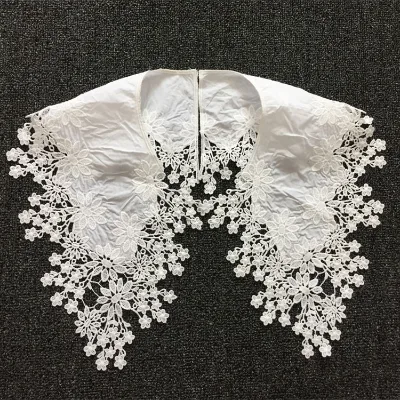
Find and compare 30 listings for Embroidered Geometry Milk Yarn Collar options suitable for clothing trim, lingerie, and DIY crafts. Evaluate features like wrinkle resistance, waterproofing, and elastic properties across various models from suppliers in China.
Key considerations
Products List

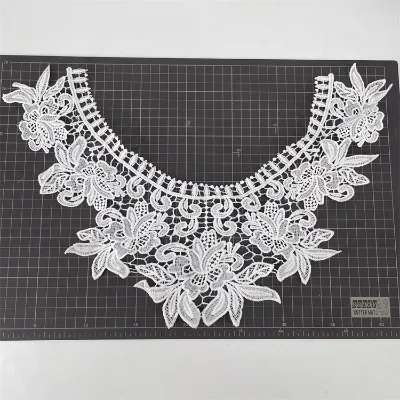
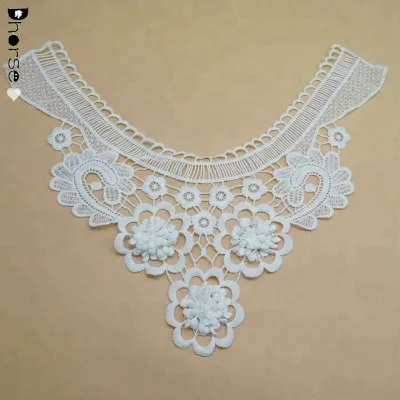
New Design Collar Patterns Neck Crochet Cotton Collar Design for Dresses
$0.20 - $0.60
MOQ: 500 Minimum


Fashionable Design Bridal Emroidery Neck Lace Collar with Cotton Material
$0.15 - $0.85
MOQ: 1000 Pieces


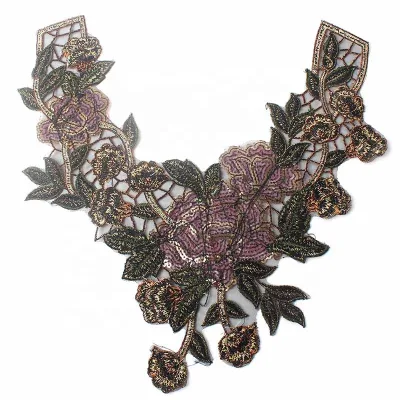
Wholesale High Quality New Fashion Hot Style Embroidered Chemical Collar
$0.10 - $0.60
MOQ: 500 Pieces






Comprehensive Sourcing Guide
Embroidered Geometry Milk Yarn Collar Sourcing Guide
Sourcing embroidered geometry milk yarn collars requires a nuanced understanding of material science, decorative techniques, and supply chain logistics. This guide synthesizes observed market data and trusted category knowledge to help procurement professionals navigate the complexities of acquiring these specific garment components. By focusing on verified attributes and practical verification steps, buyers can mitigate risk and ensure alignment between supplier capabilities and end-product requirements.
The following sections provide a structured approach to evaluating suppliers, verifying technical specifications, and managing commercial terms. Each section is designed to address a specific phase of the procurement lifecycle, from initial product scope definition to long-term quality assurance. The guidance is evidence-based, relying on observed listing signals and standard industry practices rather than speculative claims.
Product Scope and Observed Listing Signals
The market for embroidered geometry milk yarn collars presents a diverse range of product variations, with observed listings indicating a price range of $0.1 to $8.6 USD and minimum order quantities (MOQs) spanning from 1 to 1000 units. This wide variance suggests that suppliers cater to both small-batch prototyping and large-scale production runs, allowing buyers to scale orders based on demand forecasts. The presence of such a broad MOQ range indicates flexibility in supplier operations, though it often correlates with unit price adjustments where higher volumes secure more favorable per-unit costs.
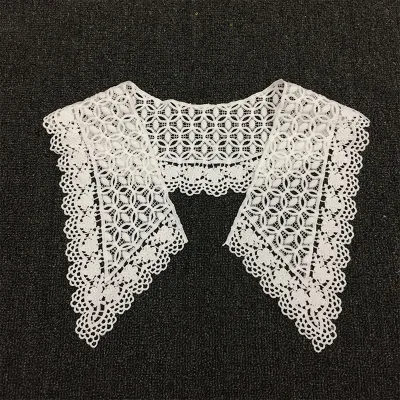
Observed product attributes reveal a strong emphasis on customization and specific aesthetic finishes. Common features include wrinkle resistance, waterproofing, elasticity, and breathability, which are critical for functional apparel applications. Patterns range from floral and jacquard to dobby and geometric designs, with colors predominantly listed as white or off-white. These observations suggest that while the core material remains consistent, the decorative and functional properties can be tailored to meet specific brand identities and performance needs.
Technical Specifications to Verify
Verifying the material composition is the first critical step in technical validation. While "milk yarn" is a recognized standard in certain listings, other materials such as cotton, polyester, and cotton/polyester blends are also prevalent in the market. Buyers must confirm the exact fiber content to ensure the collar meets durability and comfort expectations. Milk yarn, often derived from casein protein, offers a soft hand feel and silk-like drape, but its performance characteristics can vary significantly depending on the blend ratio and manufacturing process.
The embroidery technique and craft details require close scrutiny to ensure quality consistency. Observed specifications include machine embroidery, water-soluble embroidery, and various technics such as woven or embroidered lace. The choice of craft impacts the final texture, durability, and visual appeal of the collar. For instance, water-soluble embroidery allows for intricate, freestanding designs, while machine embroidery on a base fabric provides greater structural integrity. Buyers should request physical samples to assess the stitch density, thread tension, and overall finish quality.
Compliance and Safety Documentation
Compliance with international safety standards is non-negotiable for apparel components, particularly those in direct contact with the skin. Although specific certification statuses are not universally listed in observed data, trusted category knowledge highlights the importance of standards such as OEKO-TEX, REACH, and EN71. Buyers should explicitly request documentation proving that the milk yarn and embroidery threads are free from harmful substances, including heavy metals, allergenic dyes, and formaldehyde.
Verification of compliance should extend to the entire production process, including dyeing and finishing. Observed data mentions "dyed" and "dyeing" processes, which introduce potential chemical risks if not properly managed. Buyers must ensure that suppliers adhere to restricted substance lists (RSLs) relevant to their target markets. For example, REACH compliance is essential for European markets, while other regions may have different regulatory requirements. Requesting third-party test reports from accredited laboratories provides an objective measure of compliance.
Cost Drivers and Commercial Terms
Several factors influence the final cost of embroidered geometry milk yarn collars, including material complexity, embroidery intricacy, and order volume. The use of specialized materials like milk yarn, combined with detailed geometric embroidery patterns, typically commands a higher price point compared to standard cotton or polyester collars. Additionally, customization options such as specific color production, tailored packing, and unique design requests can add to the overall cost.
Commercial terms, including payment methods, lead times, and shipping arrangements, also play a significant role in total procurement costs. Observed data indicates various packing options, such as bubble bags, polybags, or roll packaging, which can affect handling and storage costs. Shipping methods range from air freight to sea and rail transport, with implications for lead time and carbon footprint. Buyers should negotiate clear terms regarding price breaks, sample costs, and liability for defects to avoid unexpected expenses.
Supplier Qualification and Quality Control
Supplier qualification involves assessing manufacturing capabilities, quality management systems, and past performance. Geographic origins such as Shantou, Zhejiang, Ningbo, and broader China regions are common sources for these products, each offering distinct advantages in terms of supply chain maturity and specialization. Buyers should verify the supplier’s production capacity, equipment modernity, and experience with similar products to ensure they can meet quality and volume requirements.
Quality control measures must be established before production begins and maintained throughout the manufacturing process. This includes defining clear acceptance criteria for embroidery alignment, color fastness, and material integrity. Implementing pre-production samples, in-line inspections, and final random inspections (FRI) helps identify and rectify issues early. Buyers should also inquire about the supplier’s defect rate and their process for handling non-conforming goods to ensure a robust quality assurance framework.
Long-Term Procurement Checks
Long-term procurement success depends on continuous monitoring of supplier performance and market trends. Regular audits, both remote and on-site, help ensure that suppliers maintain consistent quality and compliance standards over time. Building a strong relationship with suppliers through open communication and collaborative problem-solving can lead to better pricing, priority production, and innovative solutions for future product lines.
Staying informed about advancements in material science and embroidery technology is crucial for maintaining a competitive edge. As consumer preferences evolve, so too will the demand for sustainable, functional, and aesthetically pleasing collar designs. Buyers should regularly review product specifications and supplier capabilities to identify opportunities for optimization, such as switching to more sustainable materials or adopting new embroidery techniques that enhance product value.
FAQs
What customization options are available for this embroidery lace?
Customization is available according to sample requests for this product. Buyers can specify details like pattern or color, and the manufacturer supports customized production based on provided samples to meet specific design needs.
Which materials are used to make this embroidery lace?
The product is made from cotton, polyester, or milk silk depending on the specific model. Some variants use a cotton and polyester blend, while others are crafted from milk silk to ensure softness and durability for clothing applications.
How is the embroidery lace packed for shipment?
Packing options include bubble bags, polybags with 50 pieces per bag, or rolls containing 30 to 45 yards. The specific packaging method can often be adjusted to meet customer requirements or standard shipping needs.
Can I find this lace in white or off-white colors?
Yes, the product is available in white and off-white color options. These colors are standard offerings for the embroidery lace, suitable for various clothing trim applications and DIY craft projects.
What is the minimum order quantity for this product?
The minimum order quantity ranges from 1 to 1000 units depending on the supplier and specific product model. Buyers should check individual listings to confirm the exact MOQ required for their order size.
Where are these embroidery lace products manufactured?
Products originate from locations such as Shantou, Zhejiang, and Ningbo in China. These regions are known for textile manufacturing, providing a variety of suppliers for this specific type of embroidery lace.
What techniques are used to create this lace?
The lace is created using machine embroidery, water soluble embroidery, and woven techniques. These methods ensure high-quality patterns like floral or jacquard designs suitable for clothing trim and lingerie applications.