Source Embryology Education Prepared Slides for Labs
Source Embryology Education Prepared Slides from 30 verified listings. Compare glass and plastic options, packaging details, and model numbers to find suitable teaching aids for biology and medical school laboratories; compare the available evidence and request quotations based on your requirements.
Key considerations
Products List











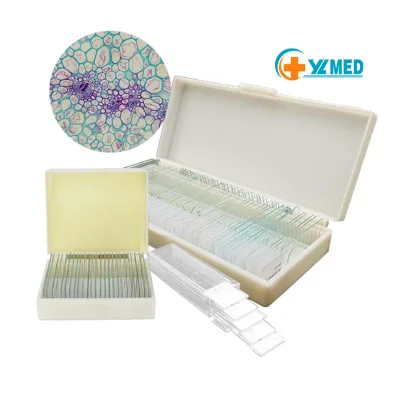
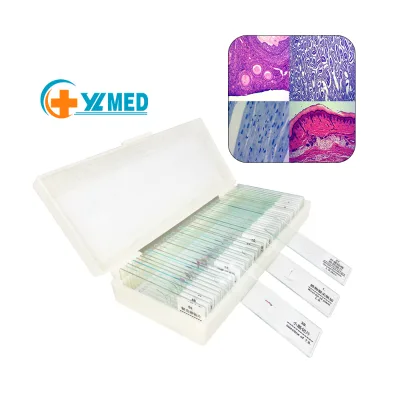
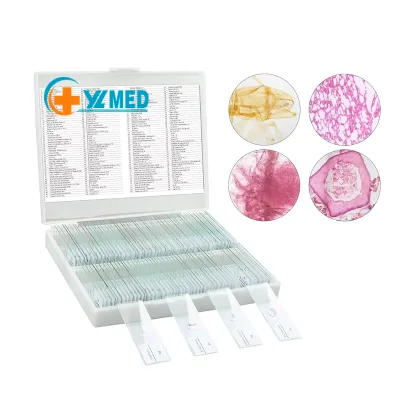



Comprehensive Sourcing Guide
Embryology Education Prepared Slides Sourcing Guide
Procurement teams seeking Embryology Education Prepared Slides must first recognize that the available market inventory often includes broader biological and medical teaching aids rather than exclusively embryological specimens. The observed product listings indicate a diverse range of items labeled as biology prepared slides, tissue slides, and cell pathology slides, which serve as the foundational components for laboratory instruction. Buyers should verify that the specific slide content matches the required embryological curriculum, as the general category often encompasses botany, meiosis, and general cell pathology specimens alongside the targeted embryology materials.
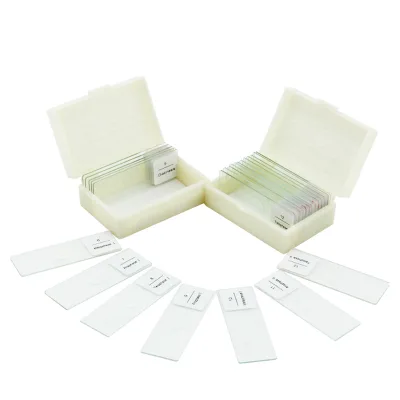
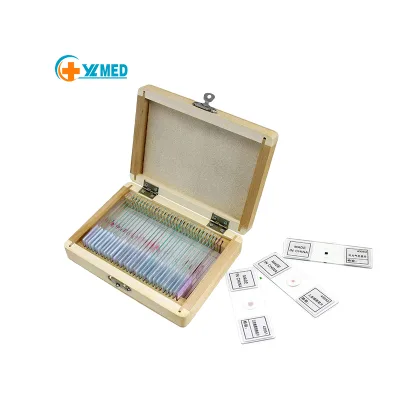
When evaluating potential suppliers, it is critical to distinguish between generic microscope accessories and specialized educational tools designed for medical schools and biology labs. The supply chain frequently features direct factory sources offering fresh and clear specimens packaged in foam or fitted wooden boxes to ensure integrity during transit. Sourcing strategies should prioritize vendors who explicitly state their usage for medical and biology lab education, ensuring the slides are suitable for the rigorous demands of academic instruction rather than general scientific research alone.
Product Scope and Observed Listing Signals
The current market signals reveal a wide variance in product specifications, with model numbers ranging from single slides to sets containing 15 or 16 common slides. Buyers must carefully inspect the product name and model number to confirm the presence of embryological content, as listings often group various biological subjects under broad categories like "Biology Prepared Slides" or "Tissue slides." The physical dimensions of the slides are standardized, typically measuring 76.225.41mm, which ensures compatibility with standard microscope stages used in educational settings.
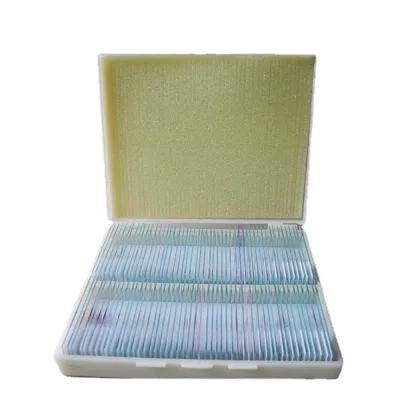
Packaging details provide significant insight into the quality and handling protocols of the supplier, with options ranging from plastic boxes with sponge protection to export cartons with foam interiors. The observed single package sizes vary from 15x15x20 cm to larger configurations like 26x24x22 cm, reflecting the quantity and fragility of the contents. Procurement officers should analyze these packaging metrics to estimate shipping costs and ensure that the protective measures, such as fitted wooden or plastic boxes, are sufficient to prevent breakage of the glass microscope slides during international transport.
Technical Specifications to Verify
Technical verification begins with confirming the material composition, as the majority of listed products utilize glass for the slides themselves, which is essential for high-resolution microscopy in embryology studies. Buyers must ensure that the specified size of 76.225.41mm is consistent across the order, as deviations can affect the mechanical fit within microscope stages and the quality of the optical path. Additionally, the property of the slides as "microscope accessories" or "medical biological teaching aid tools" must be explicitly stated to guarantee they meet the functional requirements of laboratory education.
The electrical power status of these products is consistently listed as "No," indicating they are passive optical components that do not require external power sources or complex integration. However, the model numbers and specific slide counts, such as "15 common slides" or "16 pieces," require precise validation against the educational syllabus to ensure the correct developmental stages are included. Verification of the gross weight, which ranges from 2.000 kg to 5.000 kg per single package, is also necessary for accurate logistics planning and to confirm the density of the specimen collection within the packaging.
Compliance and Safety Documentation
While specific certification data like RoHS or ASTM F963-17 appears in background contexts, buyers must actively request current compliance documentation from suppliers to ensure the slides meet safety standards for educational environments. The absence of explicit certification claims in the primary product facts necessitates a proactive inquiry to confirm that the glass and any preservatives used in the "fresh and clear" specimens are safe for student handling. Procurement teams should demand proof of material safety to mitigate risks associated with chemical exposure or physical hazards in the laboratory setting.
Safety protocols also extend to the packaging materials, which are described as using foam, plastic, or wood for protection. Buyers should verify that these inner and outer packing materials are non-toxic and suitable for the intended educational use, particularly when the slides are destined for schools or training centers. Ensuring that the "Standard export carton" and internal fittings meet international shipping safety regulations is crucial to prevent accidents during transit and to maintain the integrity of the biological specimens upon arrival.
Cost Drivers and Commercial Terms
The cost structure for Embryology Education Prepared Slides is influenced by the complexity of the specimen preparation and the quantity ordered, with observed minimum order quantities ranging from 1 to 3000 units. Buyers should anticipate that specialized sets, such as those containing 16 pieces or specific model numbers like "G-10059," may carry different pricing tiers compared to single slide purchases. The supply ability of 50000 pieces per year suggests that volume discounts may be available for large institutional orders, but the exact pricing must be negotiated based on the specific model and packaging requirements.
Commercial terms are further defined by the port of dispatch, typically Shanghai, and the varying single gross weights which impact freight calculations. Procurement managers must factor in the logistics costs associated with the different package sizes, such as the 18x12x10 cm versus the 26x24x22 cm configurations, to determine the total landed cost. Understanding the relationship between the selling units, which are often single items, and the bulk packaging options is essential for optimizing the budget while ensuring sufficient stock for the academic year.
Supplier Qualification and Quality Control
Supplier qualification should prioritize manufacturers who identify as direct factories, as this often correlates with better control over the quality of the "fresh and clear" specimens. The observation of brands like "Forest" and "Green" indicates that established names exist in the market, but buyers must verify the specific manufacturing capabilities regarding the preparation of embryological tissues. Quality control checks should focus on the consistency of the slide preparation, ensuring that the biological science content is accurate and that the glass slides are free from defects that could obscure microscopic details.
Quality assurance processes must also address the packaging integrity, given the fragile nature of glass microscope slides. Buyers should request evidence of the packing process, specifically how the slides are secured within the fitted plastic or wooden boxes to prevent movement and breakage. The property of the product as a "Medical Biological Teaching Aid Tool" implies a need for rigorous inspection protocols to ensure that every slide delivered meets the high standards required for medical school and biological education applications.
Long-Term Procurement Checks
Establishing a long-term procurement strategy requires regular audits of the supplier's ability to maintain consistent product specifications and availability. Buyers should monitor the supply chain for any changes in the model numbers or packaging details, such as shifts from foam to plastic protection, which could affect the safety and quality of the slides. Continuous verification of the "Place of Origin" in Henan, China, ensures that the supply remains stable and that the logistical routes from the port of dispatch remain efficient for future orders.
Sustainability and reliability checks should also include an assessment of the supplier's capacity to meet fluctuating educational demands throughout the academic year. Since the usage is explicitly for "Medical School Biological" and "Biology Lab Education," procurement teams must ensure that the supplier can deliver consistent batches of "Cell Pathology Slides" or "Botany Meiosis" slides without interruption. Regular performance reviews against the observed selling units and supply ability will help maintain a robust relationship with the vendor and ensure the continuity of the educational curriculum.
FAQs
What materials are used for these teaching slides?
The slides are primarily made from glass microscope slides and plastic. Glass options provide clarity for medical and biology lab education, while plastic variants offer durability. Both types serve as essential microscope accessories for biological science studies and research applications.
Can I find slides for cell pathology education?
Yes, specific models like Cell Pathology Slides are available for medical school and biological teaching. These prepared slides are designed for biology lab education, offering clear specimens for studying cellular structures and pathological conditions in an academic or research setting.
How are the slides packaged for shipping?
Slides are packed in fitted wooden or plastic boxes with sponge protection to prevent damage. The outer packing typically uses foam inside an export carton or standard export cartons. This ensures safe delivery of fragile glass or plastic prepared slides to global buyers.
What is the typical size of a single slide?
Standard glass microscope slides measure 76.2 by 25.4 by 1 mm. This size is consistent across many educational and medical biology applications. Plastic prepared slides may vary slightly but generally fit standard microscope stages for effective observation in laboratory and classroom environments.
Are these slides electric powered or manual?
These teaching resources are not electric powered. They are manual biological prepared slides intended for use with standard optical microscopes. This design makes them suitable for basic biology lab education, botanical studies, and general scientific research without requiring electrical connections.
Which subjects do these prepared slides cover?
The slides cover biological science, botany, and medical topics. Specific models include botany meiosis and 15 common slides for general education. They are versatile tools for medical school biological studies, providing fresh and clear specimens for detailed microscopic analysis and learning.