Source EMS Heated Neck Massager for Office, Travel, and Home
Explore 30 verified options for the EMS Heated Neck Massager featuring heating, EMS technology, and voice broadcast. Buyers can compare battery capacity, working time, and customization availability across models like uNeck-9818Max and uNeck-9821.
Key considerations
Products List


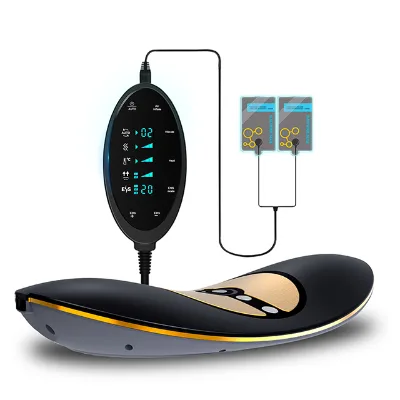
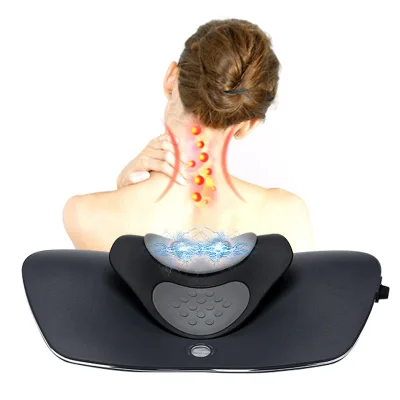

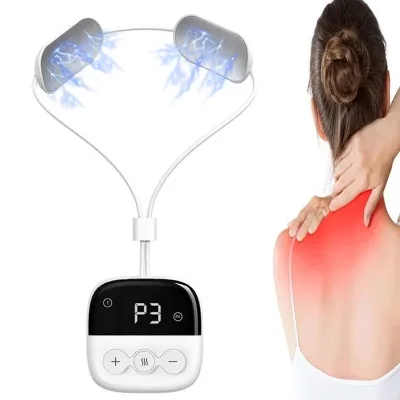

Mini Tens EMS Therapy Massage Vibration Neck Massager Pulse Neck Massager
$1.33 - $1.50
MOQ: 1000 Pieces


Kneading Neck Shoulder Massager with Heat Electric Shiatsu Neck Back Massager
$13.00 - $19.00
MOQ: 1 Pieces

Shiatsu Neck Shoulder Massager with Heat Portable Electric Kneading Massager
$15.00 - $25.00
MOQ: 2 Pieces


Intelligent Neck Care Massager with Traction Stretching Heating and Vibration
$9.90 - $19.90
MOQ: 500 Pieces

Intelligent Neck Care Massager with Traction Stretching Heating and Vibration
$9.90 - $19.90
MOQ: 500 Pieces


Comprehensive Sourcing Guide
Strategic Sourcing Guide for EMS Heated Neck Massagers
Understanding the Technical Architecture of EMS Heating Devices
When sourcing an EMS Heated Neck Massager, buyers must first distinguish between the underlying technologies that define product performance. The core mechanism involves Electrical Muscle Stimulation (EMS), which uses low-voltage electrical currents to stimulate muscle fibers, combined with thermal therapy to increase blood circulation and relax tense muscles. Based on observed product attributes, the heating function typically operates within a specific thermal range, often cited as 38°C to 42°C with a tolerance of ±3°C. This precise temperature control is critical; temperatures exceeding this range may pose safety risks, while lower temperatures may fail to provide therapeutic benefits.
The electrical architecture varies significantly across different models. Some units utilize a 950mAh battery capacity, while others are equipped with 700mAh or 520mAh cells. These variations directly impact the operational duration. Products with larger batteries often advertise a working time of at least 60 minutes, whereas others may offer a range of 60 to 90 minutes. The charging infrastructure is another critical technical differentiator. While some legacy or specific models rely on standard 5V/1A inputs, modern iterations increasingly adopt Type-C charging interfaces for faster and more versatile power delivery. The charge time is generally standardized at 90 minutes or less, ensuring quick turnaround for users.
The stimulation methods also differ. While the primary focus is on EMS, some devices incorporate pulse technology or vibration mechanisms. The vibration intensity is often adjustable, allowing users to change the frequency to suit their comfort level. Furthermore, the device patterns can be extensive, with some models offering up to 16 distinct massage patterns to target various muscle groups. The physical construction typically involves a combination of materials such as PC (polycarbonate), ABS, and TPE (thermoplastic elastomer), or in some cases, SUS304 stainless steel for the surface treatment. These material choices influence the durability, skin feel, and overall weight of the massager, which is a key consideration for a product worn around the neck.
Compliance Verification and Safety Standards
In the B2B procurement of electronic health and wellness devices, verifying compliance is not merely a formality but a prerequisite for market access. Buyers must ensure that suppliers adhere to international safety standards relevant to electrical appliances and medical-adjacent devices. While specific certification documents were not explicitly listed in the provided product data, the presence of materials like PC, ABS, and TPE suggests a focus on non-toxic, durable components suitable for skin contact.
When evaluating potential suppliers, procurement teams should request documentation regarding electrical safety. This includes verifying that the input voltage (typically 5V/1A) and battery management systems meet regional safety requirements. For devices operating with heating elements, thermal runaway protection is essential to prevent the device from exceeding the observed temperature limits of 42°C ±3°C. Buyers should also inquire about the specific standards the manufacturer follows for the production of these units. The origin of the products, often cited as China or specifically Shenzhen and Guangdong, indicates a high concentration of manufacturing capability, but it also necessitates rigorous due diligence regarding local and export compliance.
It is vital to verify that the "Customization" options offered by suppliers do not compromise the safety integrity of the device. Custom logos or branding should not interfere with the electrical components or the structural integrity of the casing. Additionally, the "OEM/ODM" acceptance status implies that the factory is capable of modifying designs, but buyers must ensure that any design changes maintain the original safety margins, particularly regarding the battery capacity and heat dissipation. Without explicit certification data in the source material, the buyer's responsibility is to mandate proof of compliance from the supplier before finalizing any order.
Cost Drivers and Pricing Dynamics
The pricing of EMS heated neck massagers is influenced by a complex interplay of factors, including battery capacity, material quality, and the level of customization. The observed price range in the market spans from approximately $1.08 to $62.39, a significant variance that reflects differences in component quality and feature sets. Lower-priced units typically feature smaller battery capacities, such as the 520mAh variants, and may utilize simpler charging methods or fewer massage patterns. Conversely, premium models with 950mAh batteries, Type-C charging, and advanced heating controls command higher price points.
Material composition is another primary cost driver. Devices constructed with a blend of PC, ABS, and TPE, or those incorporating SUS304 stainless steel, generally incur higher manufacturing costs compared to those made from single-material plastics. The surface treatment process, which includes these specific materials, adds value by enhancing durability and user comfort. Furthermore, the complexity of the internal circuitry, which enables features like voice broadcast and multiple pulse patterns, contributes to the overall unit cost.
Customization is a significant variable in the cost structure. While "Customized Logo Accept" is a standard offering, the extent of customization impacts the price. Simple logo printing is less expensive than full-color printing or structural modifications. The Minimum Order Quantity (MOQ) also plays a crucial role in unit pricing. The observed MOQ range is broad, from 1 unit to 1000 units. Suppliers often offer tiered pricing, where the per-unit cost decreases as the order volume increases. For buyers seeking to minimize initial capital expenditure, smaller MOQs are available, though the unit cost will be higher. Conversely, bulk orders of 1000 pieces, which some suppliers list as a standard threshold, may unlock more competitive pricing but require a larger upfront investment.
Typical Applications and Target Demographics
The primary application of EMS heated neck massagers is the relief of muscle tension and fatigue in the neck and shoulder regions. The product attributes explicitly state that these devices are suitable for "Office Workers," a demographic that frequently suffers from "tech neck" and posture-related strain due to prolonged periods of sitting and screen time. The heating function, operating at temperatures around 42°C, helps to relax tight muscles and improve local blood circulation, providing immediate relief after a long workday.
Beyond office environments, these devices are applicable to a broader range of users. The "Applicable Parts" are listed as the neck and shoulder, making them versatile for individuals who engage in activities that strain these areas, such as drivers, athletes, or those recovering from minor muscle injuries. The inclusion of "Voice Broadcast" functionality adds an accessibility dimension, allowing users to receive guidance or relaxation cues without needing to look at a screen, which is particularly useful for users who are multitasking or have visual impairments.
The versatility of the device is further enhanced by its various modes. With up to 16 patterns and adjustable vibration frequencies, the massager can be tailored to different user preferences and pain levels. Some models are specifically marketed as "neck and shoulders massager" or "EMS neck massager," highlighting their dual functionality. The portability of these devices, supported by rechargeable batteries and compact designs (with dimensions ranging from approximately 148mm to 197mm in length), makes them suitable for travel and use in various settings, including homes, offices, and gyms.
Supplier Evaluation and Selection Criteria
Selecting the right supplier for EMS heated neck massagers requires a rigorous evaluation process that goes beyond price comparisons. Buyers should prioritize suppliers who demonstrate transparency in their manufacturing processes and product specifications. The "prod_origin" data indicates that many manufacturers are located in Shenzhen and Guangdong, China, regions known for their electronics manufacturing ecosystems. However, the presence of a manufacturing hub does not guarantee quality; therefore, buyers must verify the supplier's track record and production capabilities.
Key evaluation criteria include the supplier's ability to offer "Customization" and "OEM/ODM" services. This capability indicates that the supplier has the flexibility to adapt products to specific brand requirements, which is essential for private label buyers. Buyers should also assess the supplier's quality control measures. Since the product involves electrical components and heating elements, the supplier must have robust testing protocols to ensure that every unit meets safety and performance standards.
The "prod_packing" specifications, such as "Color Box: 1PC/Color Box" and carton quantities (e.g., 30 or 54 pieces per carton), provide insight into the supplier's logistics and packaging capabilities. Efficient packaging is crucial for minimizing damage during transit and ensuring a professional presentation to the end consumer. Additionally, buyers should verify the supplier's response time and communication efficiency, as these factors can significantly impact the procurement timeline.
Quality Control and Performance Verification
Quality control is paramount when sourcing electronic devices that interact directly with the human body. Buyers must implement a multi-stage quality assurance process to ensure that the products meet the specified technical requirements. This includes verifying the battery capacity, charging time, and working time against the claimed specifications. For instance, if a supplier claims a 950mAh battery with a working time of at least 60 minutes, the buyer should request sample testing to confirm these figures under real-world conditions.
The heating function requires particular attention. The temperature range of 38°C to 42°C ±3°C must be consistent across all units. Buyers should test the thermal stability of the device to ensure it does not exceed safe limits during extended use. The "Auto Timer" feature, typically set to 15 minutes, is another critical safety mechanism that must be verified to prevent overheating or prolonged exposure to electrical stimulation.
Material quality is another aspect of quality control. The use of PC, ABS, and TPE materials must be confirmed to ensure they are free from harmful substances and provide a comfortable touch. The surface treatment process, involving PC, Rubber, and SUS304, should be inspected for durability and resistance to wear and tear. Additionally, the electrical safety of the device, including the input voltage and charging type, must be tested to ensure compliance with safety standards.
Long-Term Procurement Considerations
Sourcing EMS heated neck massagers is not just a one-time transaction but a long-term partnership that requires careful planning. Buyers should consider the scalability of the supply chain, ensuring that the supplier can handle increased order volumes as demand grows. The "moq" of 1000 pieces for some models suggests that suppliers may have capacity constraints for smaller orders, which could impact future procurement strategies.
Sustainability and after-sales support are also critical long-term considerations. Buyers should inquire about the supplier's policies on product warranties, returns, and repairs. Given the electronic nature of the devices, battery degradation and component failure are potential issues that need to be addressed. A reliable supplier should offer comprehensive after-sales support to handle any defects or malfunctions that arise post-delivery.
Furthermore, buyers should monitor market trends and technological advancements in the EMS and heating sectors. As technology evolves, suppliers may introduce new features or improve existing ones. Maintaining a close relationship with suppliers can provide early access to these innovations, allowing buyers to stay competitive in the market. Finally, buyers should regularly review their supplier performance metrics, including delivery times, product quality, and responsiveness, to ensure that the partnership continues to meet their business objectives.
FAQs
What battery capacities are available for these massagers?
Available battery capacities include 950mAh, 700mAh, and 520mAh options. These variations directly impact the working time, with most units offering at least 60 minutes of operation per charge cycle.
How does the heating function operate on these devices?
The heating function operates within a safe range of 38°C to 42°C plus or minus 3 degrees Celsius. This precise thermal control helps relax muscles while ensuring user safety during extended use sessions.
Can buyers request custom logos on these products?
Yes, customized logo acceptance is available for bulk orders. This customization option allows buyers to brand the massagers while maintaining the core safety and functional integrity of the device.
What charging types are supported by these massagers?
Support includes standard 5V/1A inputs and modern Type-C charging interfaces. Most models complete a full charge within 90 minutes or less to ensure quick turnaround for daily use.
Which materials are used in the construction of these units?
Construction typically involves PC, ABS, and TPE materials, with some models featuring SUS304 stainless steel. These durable components ensure skin-friendly contact and long-term structural integrity for the device.
What is the minimum order quantity for these massagers?
The minimum order quantity ranges from 1 unit up to 1000 pieces depending on the supplier. Lower MOQs allow for smaller initial investments, while larger orders often unlock more competitive per-unit pricing.