Source Enamel Outdoor Camping Cauldron with Lid for Hiking, Hunting, and Picnics
Compare 30 Enamel Outdoor Camping Cauldron with Lid options featuring cast iron construction, tripod stands, and various capacities. Buyers can review specifications including sizes from 3L to 15L, coating types, and certification details to find suitable suppliers for outdoor cooking needs.
Key considerations
Products List


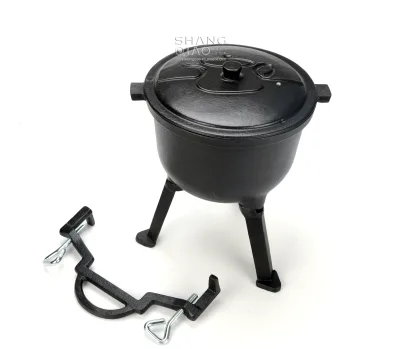
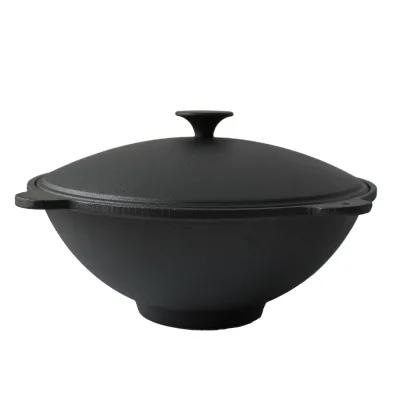
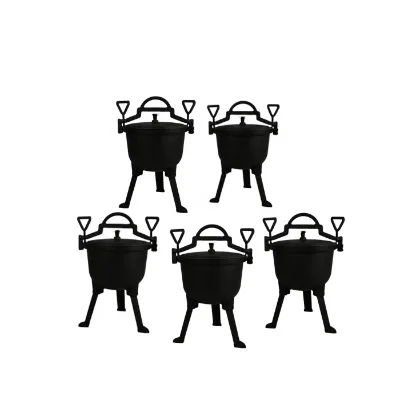
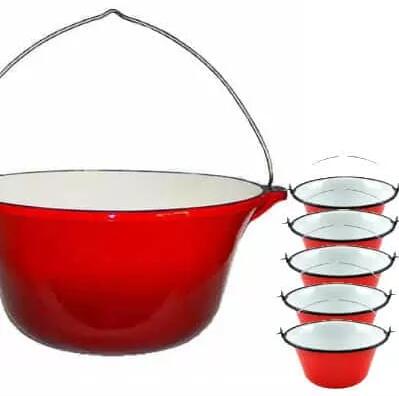
Cast Iron Poland Hunting Pot Outdoor Cooking Camping Cauldron for Meat Stew
$7.99 - $29.99
MOQ: 500 Pieces


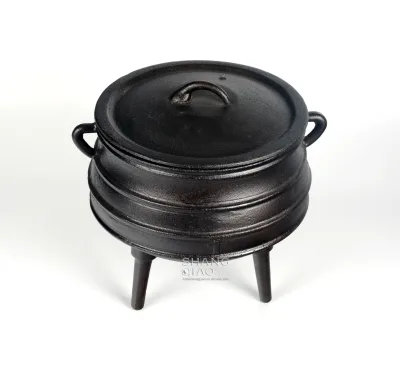


Wholesale South Africa Large Potjie Pot Cast Iron Cauldron for Camping Cast Iron Pot
$12.20 - $13.60
MOQ: 100 Pieces

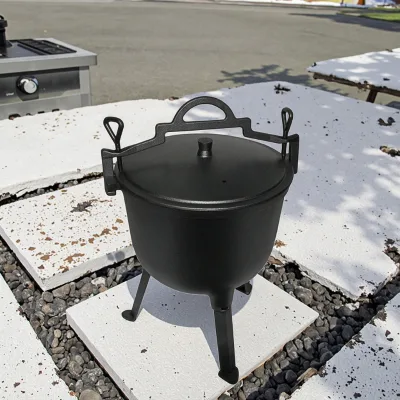
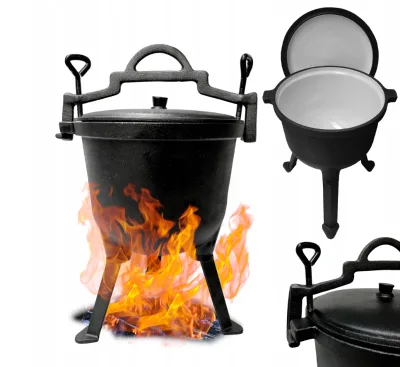
South Africa 3 Legs Potjie Pot Outdoor Campfire Cast Iron Cauldron Pot Cast Iron Pot
$12.20 - $13.60
MOQ: 100 Pieces
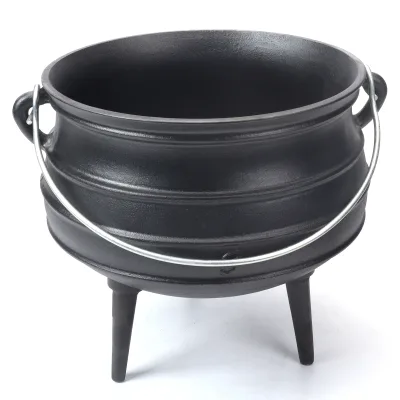

Poland Hunting Pot - Pre-Seasoned Cast Iron Cauldron for Outdoor Camping & Cooking
$11.30 - $12.50
MOQ: 100 pieces

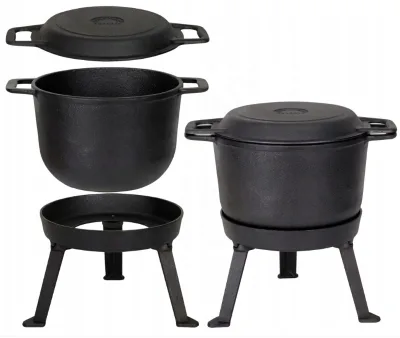
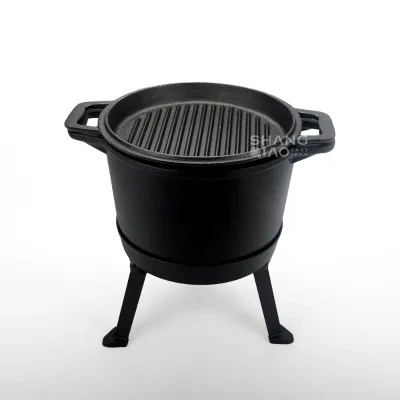
8/10L New Design Outside Cast Iron Hunting Pot with Skillet Lid for Camping
$10.22 - $24.09
MOQ: 500 pieces
Comprehensive Sourcing Guide
Strategic Sourcing Guide for Enamel Outdoor Camping Cauldrons with Lid
The global demand for durable, high-performance cookware designed for outdoor environments has driven a significant shift toward specialized cast iron products. Among these, the Enamel Outdoor Camping Cauldron with Lid represents a critical category for buyers seeking a balance between rustic durability and modern food safety standards. This guide provides a comprehensive, evidence-based framework for sourcing these specific items, focusing on technical specifications, compliance verification, and supply chain management. Buyers must navigate a market characterized by diverse configurations, ranging from traditional Polish-style tripods to modern portable units, all while ensuring that the final product meets rigorous quality and safety benchmarks.
Technical Specifications and Material Composition
The foundation of any reliable outdoor cauldron lies in its material composition and dimensional specifications. The primary material observed in this category is cast iron, a choice driven by its superior heat retention and distribution capabilities. For outdoor applications, the cast iron is typically treated with an enamel coating. This coating serves a dual purpose: it prevents the iron from rusting and provides a non-stick surface that simplifies cleaning, a critical factor when cooking in remote locations. The sourcing data indicates that the coating process is a key differentiator, with options ranging from standard enamel finishes to pre-seasoned treatments.
Dimensional consistency is equally vital. The market offers a wide spectrum of sizes, which directly impacts the product's utility. Specifications reveal pan sizes ranging from under 8 inches to 12.9 inches, with diameter standards explicitly noted as 22.5 cm, 27 cm, and 30.5 cm. Capacity varies significantly to accommodate different group sizes, with observed volume ranges spanning from 3 liters to as high as 94 liters. Specific capacity brackets include 3 to 3.9 quarts, 4 to 4.9 quarts, and 5 to 5.9 quarts. Buyers must align these specifications with their target market's needs; a 3-liter pot suits individual or small group camping, while a 15-liter unit is designed for large expeditions or commercial outdoor catering.
The structural design also varies based on the intended usage. A significant portion of the product line features a tripod leg configuration, often referred to as a "Potjie Pot" or "Kocioł" style, which allows the cauldron to be suspended over an open fire. Other models are designed with a flat base for use on portable stoves or campfires without a stand. The lid is a mandatory component for the core keyword, and variations exist in the lid lifter mechanism, ranging from simple spring-loaded designs to those made of stainless steel or basic handles. The presence of a lid is non-negotiable for heat retention and moisture control during long cooking processes.
Compliance and Certification Verification
In the B2B procurement of cookware intended for food contact, compliance with international safety standards is paramount. The supplied data highlights a robust array of certifications that buyers should verify during the supplier evaluation phase. The most frequently cited certifications include FDA (Food and Drug Administration), LFGB (German Food and Feed Code), CE/EU, and ISO standards. These certifications are not merely marketing labels; they indicate that the enamel coating and the underlying cast iron have undergone rigorous testing for heavy metal leaching and thermal stability.
Specifically, the LFGB certification is crucial for European markets, as it imposes strict limits on the migration of harmful substances from the cookware to food. The FDA certification is essential for access to the North American market, ensuring the product meets US safety requirements. Additionally, BSCI (Business Social Compliance Initiative) certification appears in the data, indicating that the supplier adheres to ethical labor practices, which is increasingly important for corporate social responsibility (CSR) goals.
Buyers must treat these certifications as dynamic requirements rather than static attributes. A supplier may hold FDA certification for one product line but not another. Therefore, procurement teams should request current, valid certificates for the specific model being sourced. The data also mentions "prod_standard" values such as 1#, 2#, 3#, and 4#, which likely refer to specific industry or internal manufacturing standards. While the exact definitions of these numeric standards are not provided in the source text, they suggest a tiered quality system. Buyers should request documentation defining what each standard entails to ensure the product meets the required performance threshold.
Cost Drivers and Pricing Dynamics
Understanding the cost structure of enamel cast iron cauldrons is essential for budgeting and margin analysis. The observed price range in the market is between $4 and $29.99 USD. This wide variance is driven by several factors, including the size of the cauldron, the complexity of the enamel coating, and the inclusion of accessories like tripods or specialized lids. Smaller units, such as those with a capacity of 3 liters or a diameter under 8 inches, typically fall at the lower end of the price spectrum. Conversely, larger models with capacities of 10 to 15 liters and premium features like stainless steel lid lifters command higher prices.
Material costs are a primary driver. Cast iron is a heavy material, and the shipping weight significantly impacts logistics costs. The volume of the product, ranging from 0.88 to 94 liters, directly correlates with the amount of raw material used. Furthermore, the enamel coating process is energy-intensive and requires skilled labor, adding to the manufacturing cost. The data indicates that customization is available, which includes logo application and color selection. Customized colors and OEM branding will inevitably increase the unit cost compared to standard white or black finishes.
Minimum Order Quantity (MOQ) is another critical cost factor. The observed MOQ range is between 100 and 500 units. Ordering at the lower end of this range may result in a higher per-unit cost due to the fixed costs of setup and production runs. Conversely, ordering at the higher end can leverage economies of scale. Buyers should also consider the packaging requirements; the data notes that products are packed in cartons or wooden boxes. Wooden boxes are more expensive but offer superior protection for heavy cast iron items during long-distance shipping. The choice of packaging can influence the total landed cost and must be factored into the procurement strategy.
Typical Applications and Usage Scenarios
The versatility of the Enamel Outdoor Camping Cauldron with Lid makes it suitable for a diverse range of applications. The primary usage category is outdoor camping, as explicitly stated in the product attributes. These pots are designed to withstand the rigors of open-fire cooking, making them ideal for campgrounds, hiking trips, and survival scenarios. The "Potjie Pot" and "Kocioł" designs are particularly popular in European and South African contexts, where they are used for traditional stews and communal meals.
Beyond recreational camping, these cauldrons have found applications in hunting and expedition scenarios. The "Jumbalaya Hunting Pot" and "South Africa Pot" models suggest a niche market for professional outdoor guides and hunting groups who require reliable, high-capacity cooking equipment. The ability to cook large quantities of food over a fire makes these units valuable for group events, festivals, and even emergency relief operations where infrastructure is limited.
The inclusion of a tripod stand in many models expands their utility to commercial outdoor catering. Restaurants and event planners may use these cauldrons for "campfire dining" experiences, offering a rustic and authentic cooking atmosphere to customers. The non-stick enamel coating is particularly beneficial in these settings, as it allows for easier cleanup and reduces the need for excessive oil, aligning with modern health-conscious trends. The customization options, such as logo printing, also make these products attractive for corporate branding, where companies can order cauldrons with their logo for promotional events or employee retreats.
Supplier Evaluation and Sourcing Strategy
Selecting the right supplier is a critical step in the procurement process. The data indicates that suppliers in this category are often manufacturers or factory-direct entities, which can offer competitive pricing and better control over quality. However, buyers must conduct thorough due diligence to ensure the supplier's capabilities align with their requirements. Key evaluation criteria include the supplier's ability to meet the specific certification requirements (FDA, LFGB, BSCI) and their track record in producing cast iron cookware.
Buyers should verify the supplier's production capacity and lead times. While specific lead times are not provided in the data, the MOQ range of 100 to 500 units suggests that suppliers are equipped to handle both small and medium-sized orders. It is advisable to request a production schedule and assess the supplier's ability to scale up if demand increases. The availability of customization services, such as OEM logos and customized colors, should also be confirmed. Some suppliers may offer these services as standard, while others may require additional setup fees or minimum order thresholds.
The shipping and logistics capabilities of the supplier are equally important. Given the heavy nature of cast iron, the supplier must have experience in packaging and shipping heavy goods. The data mentions options for carton and wooden box packaging, as well as shipment terms "as Request." Buyers should discuss packaging standards to ensure the product arrives without damage. Additionally, the origin of the products is listed as China, which is a major manufacturing hub for cast iron cookware. Buyers should be aware of any trade tariffs or import regulations that may apply to goods originating from this region.
Quality Control and Long-Term Procurement Considerations
Maintaining high quality standards is essential for the long-term success of a procurement program. Quality control should begin at the design stage, with a focus on the enamel coating's adhesion and thickness. The enamel must be free of chips, cracks, and bubbles, as these defects can lead to rusting and compromise food safety. Buyers should request samples for rigorous testing, including thermal shock tests to ensure the cauldron can withstand rapid temperature changes without cracking.
Inspection protocols should also cover the structural integrity of the legs and the lid. For tripod models, the stability of the legs is crucial to prevent tipping over during cooking. The lid lifter mechanism should be tested for durability and ease of use. The data mentions "Witout-Spring Lifter" and "Ss Material" (Stainless Steel) options, indicating that buyers should verify the material quality of these components. Stainless steel lifters are generally preferred for their durability and resistance to corrosion.
Long-term procurement considerations include the availability of spare parts and the supplier's ability to maintain consistent quality over time. As the product line evolves, buyers should ensure that the supplier can adapt to changing standards and customer preferences. The availability of customization options allows for brand differentiation, but buyers must ensure that the customization process does not compromise the product's core quality. Regular audits and performance reviews of the supplier are recommended to maintain a strong partnership and ensure a steady supply of high-quality enamel outdoor camping cauldrons with lids.
| Feature Category | Observed Specification Range | Key Verification Point |
|---|---|---|
| Material | Cast Iron | Verify enamel coating thickness and adhesion |
| Coating | Enamel, Pre-Seasoned | Check for food safety certifications (FDA, LFGB) |
| Size (Diameter) | <8" to 12.9" (22.5cm-30.5cm) | Confirm exact dimensions match order specs |
| Capacity | 3L to 94L (3-5.9 Quarts) | Validate volume capacity for intended use |
| Leg Configuration | Without Leg, 3-Leg | Test stability of tripod models |
| Lid Lifter | Without Spring, Stainless Steel | Inspect material quality and mechanism |
| Certifications | FDA, LFGB, CE, ISO, BSCI | Request current valid certificates |
| Packaging | Carton, Wooden Box | Ensure packaging protects against shipping damage |
| MOQ | 100 - 500 Units | Negotiate based on order volume and customization |
By adhering to these guidelines and leveraging the provided data, buyers can effectively navigate the complex market for enamel outdoor camping cauldrons with lids. The focus on technical specifications, rigorous certification checks, and strategic supplier evaluation ensures that the final product meets the highest standards of quality and safety, ultimately delivering value to the end consumer.
FAQs
What certifications do these cauldrons typically hold?
These cauldrons typically hold FDA, LFGB, CE/EU, ISO, and BSCI certifications. These standards verify food safety and ethical labor practices, ensuring the enamel coating is safe for contact and the manufacturing process meets international requirements for export markets.
Which size options are available for the cookware pan?
Available pan sizes range from under 8 inches up to 12.9 inches. Specific diameter standards include 22.5 cm, 27 cm, and 30.5 cm, allowing buyers to select units suitable for individual camping or large group expeditions based on capacity needs.
Can buyers request custom colors and logos on the product?
Yes, customization is available for both logos and colors. Buyers can request OEM branding and specific color finishes, though these customizations may influence the unit cost and require adherence to the supplier's minimum order quantity thresholds.
How does the product capacity vary across different models?
Product capacity varies significantly from 3 liters to 94 liters. Specific brackets include 3 to 3.9 quarts, 4 to 4.9 quarts, and 5 to 5.9 quarts, with larger models reaching 15 liters to accommodate extensive outdoor cooking requirements.
What coating types are used on the cast iron material?
The cast iron material is treated with either an enamel coating or a pre-seasoned finish. The enamel coating prevents rust and provides a non-stick surface, while pre-seasoned options offer immediate usability for outdoor cooking scenarios.
What are the typical minimum order quantities for these items?
The typical minimum order quantities range from 100 to 500 units. Ordering within this range allows buyers to leverage economies of scale, with larger orders often securing better per-unit pricing compared to smaller batch purchases.