Source Entrance Arch for Wedding, Party, and Banquet Events
Compare 30 Entrance Arch options from verified Chinese suppliers. Buyers can evaluate styles, materials, and customization features for wedding, party, and banquet applications.
Key considerations
Products List

Stainless Steel Backdrop Stand Arch Rectangle Backdrop Arch for Wedding
$600.00 - $700.00
MOQ: 1 Pieces


Wedding Party Outdoor Arch for Bride and Groom Large Activity Background Decoration
$208.00 - $240.00
MOQ: 2 Pieces

Wedding Decoration Stainless Steel Arch for Wedding Events Backdrop Stand
$500.00 - $800.00
MOQ: 1 Sets


Cbmmart Steel and Wrought Iron Arch Front Door, Modern Villa Entrance Gate
$150.00 - $250.00
MOQ: 2 Sets


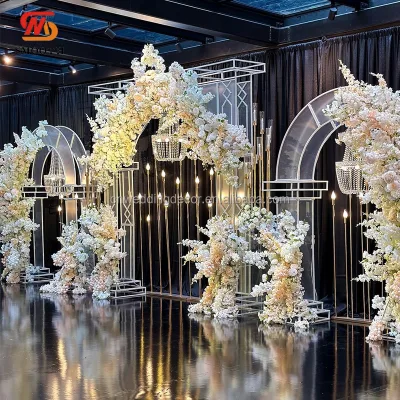
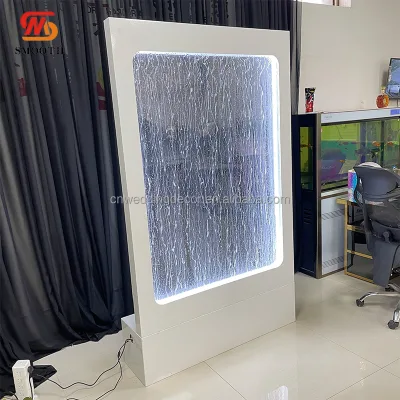
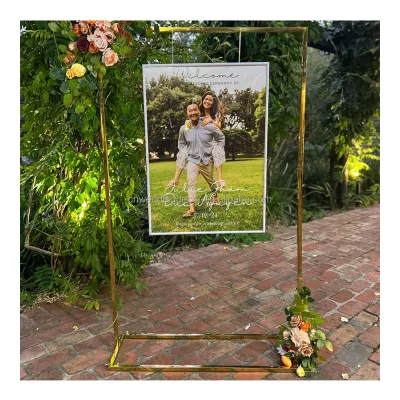
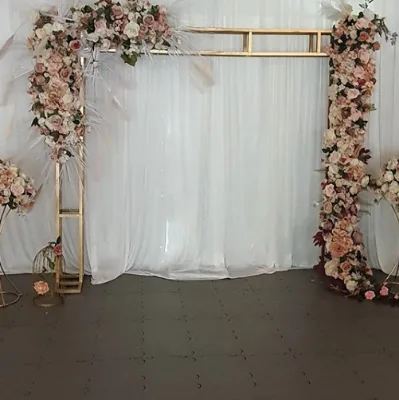
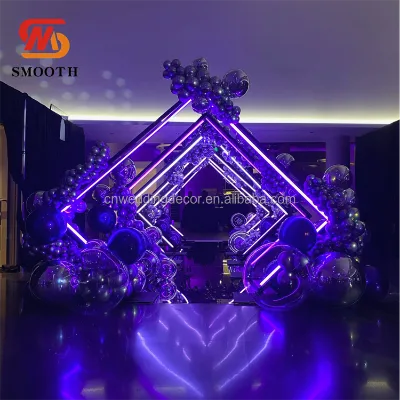
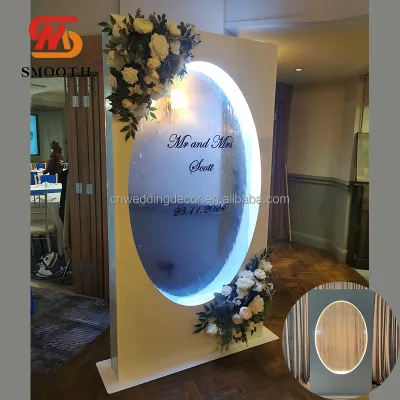
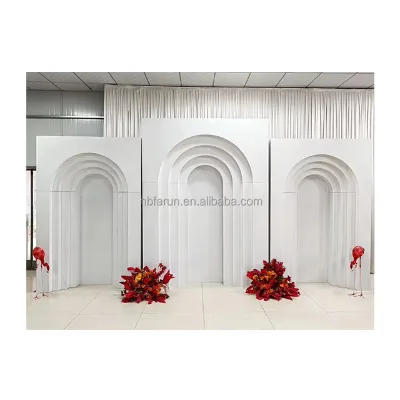
Hot Selling Multi-layer Door Shaped Metal Background Arch for Wedding Decoration
$1017.12 - $1254.11
MOQ: 1 pieces





$1.00 - $13.00
MOQ: 100 Pieces


Comprehensive Sourcing Guide
Strategic Sourcing Guide for Entrance Arch Procurement
Navigating the global market for entrance arches requires a disciplined approach that balances aesthetic requirements with rigorous technical and logistical verification. For procurement professionals, the Entrance Arch is not merely a decorative element but a critical infrastructure component for events ranging from weddings and corporate galas to large-scale holiday parties. The supply chain for these structures is complex, involving diverse materials, varying load-bearing capacities, and specific compliance standards. This guide synthesizes available market data to provide a framework for evaluating suppliers, understanding cost drivers, and ensuring long-term value without relying on unverified claims or specific vendor recommendations.
Technical Specifications and Material Composition
The technical foundation of any Entrance Arch procurement strategy begins with a precise understanding of material composition and structural specifications. Market observations indicate a significant divergence in material choices, ranging from heavy-duty metals to delicate textiles like silk. When sourcing a metal-based Entrance Arch, buyers must verify the specific alloy or finish, as options such as gold, silver, and rose gold are frequently cited as standard frame colorations. These finishes are not merely aesthetic; they often correlate with the underlying material grade and the intended durability of the structure.
In contrast, alternative product lines may utilize silk or acrylic components, which serve different functional purposes. For instance, an acrylic backdrop or stand offers a distinct visual profile compared to a metal frame, often requiring different handling and storage protocols. The physical dimensions are equally critical. Specifications observed in the market include "Big" sizes, "Combination" configurations, and specific model identifiers such as "HP-GT12R." Buyers must demand exact dimensional data rather than relying on generic descriptors. The "standard size" mentioned in some listings is insufficient for procurement planning; precise measurements are required to ensure the arch fits the venue's spatial constraints.
Furthermore, the state of the product upon delivery is a key technical variable. Some units are designed to be "Folded" for efficient transport, while others are delivered "Unfolded" or as a "Fixed" assembly. This distinction directly impacts logistics planning, as folded units may require on-site assembly time, whereas fixed units might necessitate specialized lifting equipment. The packaging method, whether "Carton Package," "Wooden Package," or "Standard Export Carton Packing," also serves as a proxy for the manufacturer's attention to detail during transit. A robust packaging standard, such as one designed to prevent damage during the 20-25 day delivery window, is essential for maintaining the structural integrity of the arch.
Compliance, Certification, and Safety Standards
While the decorative nature of entrance arches might suggest a lower regulatory burden, safety and compliance remain paramount, particularly for large-scale events involving public gatherings. In the absence of specific, universally mandated certification labels in the provided data, buyers must adopt a verification-first approach. The market data references various "prod_standard" values, including volumetric measurements like "5 CBM," "3CBM per pcs," and "0.9CBM per pcs." These figures likely represent shipping volume standards rather than structural safety certifications, yet they highlight the importance of verifying the physical footprint and density of the product.
Procurement teams should explicitly request documentation regarding load-bearing capacity, wind resistance ratings, and material flammability standards. Although specific certification names are not provided in the source context, the presence of a "More Than 5 Years" or "3 Years" warranty suggests a baseline of quality assurance that suppliers are willing to stand behind. However, a warranty period alone does not constitute a safety certification. Buyers must inquire about third-party testing results for the specific materials used, such as the tensile strength of the metal frames or the fire-retardant properties of silk components.
Additionally, the origin of the product plays a role in compliance. Products originating from regions like Guangdong, Hebei, or general China locations may be subject to different export regulations and quality control norms. The "Loading Port" options, including Guangzhou, Shenzhen, and Foshan, indicate established logistics hubs, but buyers should verify that the supplier adheres to international safety standards relevant to the destination country. For events in the United States or Europe, compliance with local fire codes and structural safety regulations is non-negotiable. Procurement professionals must treat the "standard size" or "customize" labels as starting points for negotiation rather than guarantees of compliance.
Cost Drivers and Pricing Dynamics
Understanding the cost structure of entrance arches is essential for budgeting and negotiation. The observed price range in the market spans from $1 to $4,000 USD, a variance that reflects the immense diversity in product complexity, material quality, and customization levels. A unit priced at the lower end of this spectrum is likely a basic, non-customized metal or acrylic frame with standard packaging. Conversely, the higher price points correspond to complex "Combination" structures, custom-designed arches, or those utilizing premium materials like high-grade silk or specialized metal alloys.
Several factors drive these costs. First, the "Customized" attribute is a significant cost multiplier. Suppliers offering OEM/ODM services, as indicated by the "Yes" status in the market data, typically charge a premium for design, tooling, and unique production runs. Second, the "MOQ" (Minimum Order Quantity) influences the unit price. Listings show MOQs ranging from 1 PCS to 500 PCS. Buyers ordering small quantities, such as 1 PCS, may face higher per-unit costs due to the lack of economies of scale, whereas bulk orders can leverage lower pricing tiers.
Logistics and packaging also contribute to the total cost of ownership. Products with "Wooden Package" or "Carton Package" requirements may incur higher shipping fees compared to standard export cartons. The "Delivery Time" of 20-25 days is another cost factor; longer lead times can impact project schedules and potentially increase storage or rental costs if the event date is fixed. Buyers should analyze the total landed cost, including shipping, insurance, and potential customs duties, rather than focusing solely on the listed unit price. The "3 CBM" or "0.9CBM per pcs" standard provides a baseline for calculating freight charges, but actual shipping costs will vary based on the specific destination and current market rates.
Typical Applications and Event Suitability
The versatility of entrance arches makes them suitable for a wide array of applications, but the specific design must align with the event type. Market data categorizes these products for use in "Wedding/Party/Banquet/Hotel/Birthday" settings, with specific mentions of "Holiday Party" and "Family Party" contexts. The "Western Modern" and "Western" styles dominate the observed listings, suggesting a preference for contemporary aesthetics in these applications. However, the "Suitable for: Women" attribute in some listings may indicate a design focus on feminine aesthetics, which buyers should verify against the actual target demographic of their event.
For weddings, the "Decoration" type and "Wedding backdrop stand" models are particularly relevant. These units often require a "Fixed" installation to ensure stability during high-traffic moments. In contrast, for hotel banquets or birthday parties, the "Folded" capability becomes a critical feature, allowing for rapid setup and teardown. The "HP-GT12R" model, for instance, represents a specific solution that may be optimized for certain event scales. Buyers must match the product's "Use" specification, such as "Wedding Decration/Event /Party," to their specific event needs. A product designed for a small family party may lack the structural integrity required for a large hotel banquet, making it essential to review the intended use case in detail before purchasing.
Supplier Evaluation and Verification
Evaluating suppliers for Entrance Arch procurement requires a multi-dimensional approach that goes beyond simple price comparison. The market data reveals a concentration of suppliers in China, specifically in regions like Guangdong and Hebei. While these regions are known for manufacturing capabilities, buyers must conduct due diligence to ensure the supplier's reliability. The "OEM/ODM: Yes" attribute is a positive indicator of a supplier's flexibility, but it should be verified through sample requests and past performance references.
Key evaluation criteria include the consistency of the "prod_packing" standards. A supplier offering "Standard Export Carton Packing" demonstrates a commitment to protecting the product during transit, whereas inconsistent packaging can lead to damaged goods. The "Warranty" terms, ranging from "More Than 1 Year" to "More Than 5 Years," are also critical indicators of supplier confidence. However, buyers must scrutinize the terms of these warranties to understand what is covered, such as structural failure versus cosmetic damage.
Furthermore, the "Loading Port" information provides insight into the supplier's logistics network. Suppliers operating out of major ports like Guangzhou, Shenzhen, or Foshan are likely to have more robust shipping partnerships and better tracking capabilities. Buyers should verify the supplier's ability to meet the "20-25 Days" delivery time consistently, as delays can disrupt event planning. Finally, the "Condition: New" attribute should be confirmed through pre-shipment inspections to ensure that no refurbished or used items are being sold as new.
Quality Control and Long-Term Procurement Considerations
Implementing a robust quality control (QC) protocol is essential for mitigating risks associated with Entrance Arch procurement. Given the wide range of materials and finishes, buyers should establish clear acceptance criteria before production begins. This includes verifying the "Frame Colour" accuracy, ensuring that "Gold," "Silver," or "Rose Gold" finishes match the approved samples. For metal arches, checking for corrosion resistance and weld quality is vital, especially for outdoor events where weather exposure is a factor.
Long-term procurement considerations also involve the scalability of the supply chain. Suppliers offering "Customization: Available" and "OEM/ODM" services are better positioned to support future needs, allowing buyers to adapt designs as event trends evolve. The "More Than 5 Years" warranty suggests a potential for long-term partnerships, but buyers must ensure that the supplier remains operational and capable of providing replacement parts or repairs if needed. Additionally, the "Without Logo Printing" option in some listings highlights the importance of branding strategies; buyers should confirm whether logo printing is available and if it meets their brand guidelines.
In conclusion, sourcing entrance arches requires a meticulous balance of technical verification, compliance checks, and strategic supplier evaluation. By focusing on the specific attributes observed in the market, such as material types, packaging standards, and warranty terms, buyers can make informed decisions that align with their event requirements. The diversity in price, MOQ, and lead time underscores the need for a tailored approach, ensuring that the selected Entrance Arch not only meets aesthetic expectations but also delivers on safety, durability, and logistical efficiency.
FAQs
What materials are used for entrance arches?
Entrance arches are constructed from metal, acrylic, or silk depending on the specific model. Metal frames often feature gold, silver, or rose gold finishes, while silk options provide a softer aesthetic for weddings and parties.
Can I customize the Entrance Arch design?
Yes, customization is available for many Entrance Arch models with OEM and ODM services offered. Buyers can request specific sizes, colors, or packaging types like wooden or carton packages to meet unique event requirements.
How long does delivery take for these arches?
The standard delivery time for entrance arches is typically between 20 to 25 days. This lead time accounts for production and shipping from major ports like Guangzhou, Shenzhen, or Foshan in China.
What is the minimum order quantity for arches?
Minimum order quantities vary significantly, ranging from 1 piece to 500 pieces depending on the supplier. Some vendors offer single-piece orders for custom projects, while bulk buyers may benefit from lower unit costs.
What warranty is provided for entrance arches?
Warranty periods for entrance arches range from more than one year to more than five years. The specific duration depends on the product model and the manufacturer's quality assurance policies for metal or acrylic structures.
How are entrance arches packaged for shipping?
Products are shipped in carton packages, wooden packages, or standard export cartons to ensure safety. The packaging standard often correlates with the product's volume, such as 3 CBM or 0.9 CBM per piece.
Which styles are available for wedding arches?
Western modern and Western styles are the most common designs observed for wedding and banquet events. These arches are suitable for various party types including holidays, family gatherings, and hotel banquets.