Source Enterprise Level Rack Server for Data Centers, Cloud, and Monitoring
Find 30 Enterprise Level Rack Server options with varying specifications like Intel Xeon processors and SPCC steel construction. Buyers can compare models such as 2288H V5 and TN-802 for network integration and video surveillance systems.
Key considerations
Products List
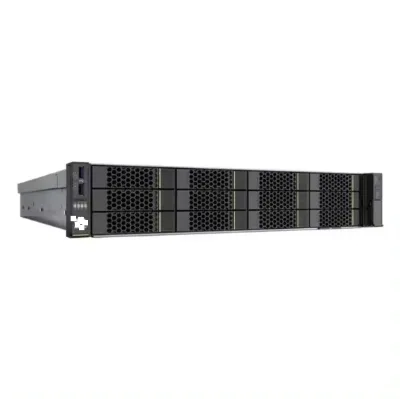


22U Data Center Server Network Rack network cabinet Network Rack Cabinet
$18.00 - $21.00
MOQ: 10 Pieces


$2000.00 - $2400.00
MOQ: 2 Pieces

Comprehensive Sourcing Guide
Strategic Sourcing Guide for Enterprise Level Rack Servers
Understanding the Technical Architecture of Modern Rack Solutions
When sourcing enterprise-level rack servers, buyers must first distinguish between the physical enclosure and the computational core. The market presents a diverse array of configurations, ranging from floor-standing vertical units to wall-mounted cabinets designed for specific network integration systems. A critical observation in current listings is the prevalence of the X86 server architecture, which serves as the industry standard for high-performance computing in enterprise environments. This architecture supports complex instruction sets that are essential for running demanding applications, from database management to cloud infrastructure.
The internal processing capabilities define the server's utility. Buyers should verify the specific processor type and main frequency, as these metrics directly impact throughput and latency. For instance, configurations utilizing Intel Xeon Silver 4112 processors with a main frequency of 2.4GHz represent a specific tier of performance suitable for balanced workloads. The system architecture must align with the intended application, whether it is for general network integration, video surveillance systems, or remote monitoring. The physical form factor is equally critical; the product type is often categorized strictly as a "Rack" or "Server Cabinet," with specific model numbers such as T-SC01-8045 or 2288H V5 indicating distinct design iterations.
Furthermore, the cooling infrastructure within these units cannot be overlooked. The number of fans installed is a direct indicator of the thermal management strategy. Some units are equipped with four fans to handle high-density heat dissipation required by multi-core processors, while others may feature a single fan for lighter loads. The material composition of the cabinet itself is typically SPCC Cold Rolled Steel, chosen for its durability and fire resistance. Buyers must ensure that the selected model number corresponds to the required physical dimensions and weight capacity, as specifications like single package size can vary significantly between models such as TN-802, TN-002, and MT-6033.
Compliance and Certification Verification Protocols
In the B2B procurement of enterprise hardware, compliance is not merely a formality but a prerequisite for operational legitimacy and risk mitigation. The global market for server cabinets and racks is heavily regulated, necessitating a rigorous verification of certifications. Common certifications observed in high-quality listings include ISO, CE, RoHS, GS, and SGS. These marks indicate that the product adheres to international standards for quality management, electromagnetic compatibility, and restriction of hazardous substances.
The CE marking, for example, is a mandatory conformity mark for products sold within the European Economic Area, ensuring that the server cabinet meets safety, health, and environmental protection requirements. Similarly, RoHS compliance confirms that the manufacturing process avoids specific hazardous materials, which is increasingly important for electronic waste management and corporate sustainability goals. Buyers should also look for SGS certification, which often provides third-party verification of product quality and safety standards.
It is essential to distinguish between different types of certifications. While some products list "Certificate: CE. RoHS. SGS," others may only list "Certification: ISO, CE." The presence of GS (Geprüfte Sicherheit) indicates a German safety standard, which is often more stringent than general CE requirements. When evaluating a supplier, procurement teams must request valid, up-to-date certification documents rather than relying solely on product descriptions. The absence of these certifications should be treated as a red flag, particularly for enterprise-level deployments where liability and regulatory compliance are paramount.
Additionally, the origin of the product plays a role in certification validity. Products originating from China, such as those from Ningbo or Beijing, must still meet the certification standards of the destination market. Buyers should verify that the specific model number, such as TX-WK*6615 or 2288H V5, is covered under the provided certification scope, as certifications are often model-specific rather than brand-wide.
Cost Drivers and Pricing Structure Analysis
The pricing of enterprise-level rack servers is influenced by a complex matrix of factors, including material costs, manufacturing complexity, and logistical requirements. The observed price range in the current market spans from approximately $4.90 to $7,768, a variance that reflects the difference between simple wall-mounted cabinets and fully assembled, high-specification rack systems with advanced cooling and processing units.
A primary cost driver is the level of customization. Products marked as having a "private mold" or offering "Customization: Available" often command a premium due to the tooling and engineering effort required. Buyers seeking standard configurations may find lower price points, but those requiring specific color codes like Ral7035 or Ral9004, or specific logo applications via silk print or aluminum stickers, should anticipate higher costs. The condition of the product is another factor; "New" items typically carry a higher price than refurbished units, though the latter may be available for specific budget-conscious projects.
Logistics and shipping terms significantly impact the final landed cost. The "Price: Fob" (Free on Board) designation indicates that the quoted price covers the goods until they are loaded onto the vessel at the port of origin, typically in China. Buyers must budget separately for freight, insurance, and import duties. Shipping methods such as Sea, Air, Train, and Truck offer different trade-offs between speed and cost. For urgent deployments, Air shipping via DHL, FedEx, or UPS may be necessary, despite the higher expense. Conversely, Sea freight is more economical for large, non-urgent orders.
The Minimum Order Quantity (MOQ) also affects unit economics. While some suppliers accept "Small Orders" with an MOQ of just 1 set, others may require orders of 1,000 units to unlock volume pricing. The "Selling Units" being listed as "Single item" suggests flexibility for small-scale procurement, but bulk buyers should negotiate based on the total volume to reduce the per-unit cost. Lead times, ranging from 1-2 days after payment for stock items to longer periods for custom orders, also influence cash flow planning and inventory strategy.
Typical Applications and Deployment Scenarios
Enterprise-level rack servers are designed to support a wide spectrum of critical infrastructure applications. The versatility of these units allows them to be deployed in various environments, from data centers to remote monitoring stations. The primary usage categories identified in the market include Network Integration Systems, Video Surveillance Systems, and Remote Monitoring Systems. In these scenarios, the server cabinet serves as the central hub for data processing, storage, and network connectivity.
For Video Surveillance Systems, the robustness of the cabinet is essential to protect sensitive recording equipment from environmental factors. The "Usage" attributes often explicitly list "Closed-Circuit Monitoring System" and "Electronic Monitoring System," indicating that these units are built to house the high-density storage and processing hardware required for continuous video feeds. Similarly, Wireless Monitoring Systems rely on these racks to maintain stable connections and manage signal processing in real-time.
The "Application" field often specifies "Enterprise Level," which implies that the hardware is designed for mission-critical operations where downtime is not an option. In such environments, the reliability of the cooling system, indicated by the "Fan Number," becomes a vital component. A system with four fans is better suited for high-heat environments typical of large data centers, whereas a single-fan configuration might suffice for smaller, climate-controlled server rooms.
Furthermore, the installation method—whether "Floor Standing," "Vertical," or "Wall-Mounted"—determines the physical deployment strategy. Floor-standing units are ideal for dedicated server rooms where space is available, while wall-mounted cabinets are suitable for space-constrained environments like small offices or remote sites. The "Instruction System" being RISC or the architecture being X86 also dictates the software compatibility, ensuring that the hardware can run the necessary enterprise applications and operating systems.
Supplier Evaluation and Operational Reliability
Selecting a reliable supplier is as critical as selecting the right hardware. Buyers must evaluate suppliers based on their ability to deliver consistent quality, adhere to lead times, and provide adequate after-sales support. The "Products Status" being listed as "Stock" is a significant indicator of immediate availability, reducing the risk of project delays. However, buyers should also verify the "Lead Time," which can vary from 1-2 days for in-stock items to longer periods for custom orders.
The "Delivery Port" is another key factor in supplier evaluation. Ports like Beijing or Ningbo are common origins for Chinese manufacturers, and the proximity of the port to the buyer's logistics network can impact shipping efficiency. Suppliers offering multiple shipping options, such as "Sea, Air, Train, Truck," demonstrate logistical flexibility that can be advantageous in dynamic supply chain environments.
Warranty terms are a crucial component of supplier reliability. A "Warranty: 3year" offer suggests a high level of confidence in product durability and a commitment to long-term support. Buyers should scrutinize the warranty terms to understand what is covered, including parts, labor, and on-site service. Additionally, the "Packing Style," whether "Assembled or Dis-Assembled," can affect the ease of installation and the risk of damage during transit. Dis-assembled units may require more on-site labor but offer better protection for the internal components during shipping.
The "Instruction System" and "Max. CPUs" specifications should be verified against the supplier's technical documentation to ensure that the product meets the specific performance requirements of the enterprise. Suppliers who provide clear, detailed specifications for model numbers like TN-802 or MT-6033 are more likely to be reliable partners. Finally, the "Smartnet: Clean" attribute may indicate a focus on network hygiene and security, which is increasingly important in the context of modern cyber threats.
Quality Control and Long-Term Procurement Considerations
Ensuring the long-term viability of an enterprise server investment requires a robust quality control (QC) strategy. Buyers should implement pre-shipment inspections to verify that the physical attributes match the specifications. This includes checking the material quality of the SPCC Cold Rolled Steel, verifying the integrity of the fan assembly, and confirming the accuracy of the model number and part number (e.g., 2288H V5). The "Private Mold" status should be confirmed to ensure that the product is not a generic copy but a unique design with specific engineering tolerances.
Long-term procurement considerations also involve the scalability of the solution. As enterprise needs grow, the ability to upgrade the server or expand the cabinet capacity becomes essential. Buyers should inquire about the "Customization" options available for future modifications, such as adding more fans, changing the color to match new branding guidelines, or updating the logo application method. The "Packing: Box" or "Carton" style should be durable enough to protect the equipment during long-term storage if the deployment is phased.
Maintenance and support are also critical. The "Condition: New" status implies that the product is ready for immediate deployment, but buyers should establish a relationship with the supplier for ongoing maintenance needs. The "Warranty: 3year" period provides a safety net, but buyers should also consider the availability of spare parts and the supplier's response time for technical support.
Finally, the "Shipping" terms and "Delivery Port" should be aligned with the buyer's logistics strategy to minimize costs and delays. By carefully evaluating these factors, buyers can ensure that their investment in enterprise-level rack servers delivers the expected performance and reliability over the long term. The combination of technical specifications, compliance, cost analysis, and supplier reliability forms the foundation of a successful procurement strategy in this competitive market.
FAQs
What certifications do enterprise level rack servers typically have?
Common certifications include ISO, CE, RoHS, GS, and SGS. These marks verify compliance with international safety and environmental standards, ensuring the product meets regulatory requirements for global deployment in enterprise environments.
Which processor types are available for these server cabinets?
Configurations often utilize Intel Xeon Silver 4112 processors with a main frequency of 2.4GHz. This architecture supports X86 server systems suitable for balanced workloads in network integration and remote monitoring applications.
Can I find suppliers offering small order quantities?
Yes, many suppliers accept small orders with an MOQ as low as 1 set. This flexibility allows buyers to procure single items or test configurations without committing to large volume purchases immediately.
How are these units installed in different environments?
Installation options include floor standing, vertical, and wall-mounted cabinet configurations. The choice depends on space constraints, with floor-standing units ideal for dedicated server rooms and wall-mounted options for compact areas.
What materials are used to construct the server cabinets?
The cabinets are typically constructed from SPCC Cold Rolled Steel. This material is selected for its durability, fire resistance, and ability to protect internal equipment in demanding enterprise-level applications.
What is the typical lead time for stock items?
Lead times for stock items can be as short as 1-2 days after payment. This rapid delivery is available for products marked as stock, ensuring quick deployment for urgent enterprise needs.
Which cooling configurations are available for these servers?
Cooling systems vary, with some units featuring four fans for high-density heat dissipation. Others may have a single fan, suitable for lighter loads or climate-controlled environments within the network integration system.