Source Enterprise Network Processing Unit for Servers, Workstations, and Data Centers
Find 30 verified options for Enterprise Network Processing Unit solutions including server racks and desktop workstations. Compare specifications like Intel Xeon processors, storage capacities, and system architectures to select the right hardware for your infrastructure needs.
Key considerations
Products List


Fast Processing Server, Workstation, Computer Server for Data Centers
$950.00 - $1110.00
MOQ: 1 Pieces

High-Throughput Server, Workstation, Computer Server for Data Processing
$699.00 - $1799.00
MOQ: 1 Pieces


Network Server with 1tb Capacity and Efficient Design Specifications
$1000.00 - $5715.00
MOQ: 1 Pieces

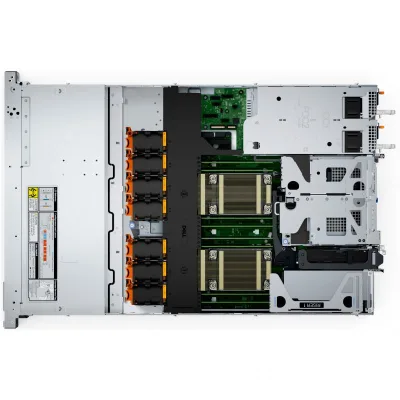


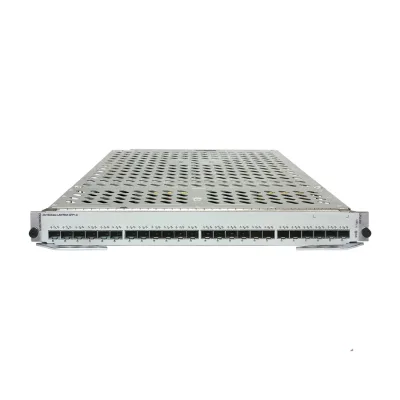
03059364 CE-Mpue-Half Network Switch CE16800 Main Processing Unit E (half-width)
$1860.00 - $6200.00
MOQ: 1 Pieces




Remote Terminal Unit (RTU) with RS485 and 5g Communication Capabilities
$186.00 - $1280.00
MOQ: 1 Pieces


Comprehensive Sourcing Guide
Strategic Sourcing Guide for Enterprise Network Processing Units
Understanding the Technical Landscape of APU and Server Architectures
When sourcing enterprise network processing units (APUs) and associated server infrastructure, buyers must first distinguish between the core processing logic and the broader system architecture. The market currently features a diverse range of configurations, from dedicated APU solutions to full rack-mounted server systems designed for high-density computing. A critical observation in the current supply landscape is the prevalence of Intel-based architectures, specifically those utilizing Ivy Bridge core codes and the broader Intel Xeon processor families. These processors are often integrated into systems designed for enterprise-level applications, where reliability and throughput are paramount.
The technical specifications of these units vary significantly based on their intended deployment. Some configurations are optimized for desktop workstations, utilizing the PC Workstation platform architecture, while others are engineered specifically for rack-based server environments. For instance, specific models in the current market are identified by form factors such as 2U Rack servers, which offer a balance between density and thermal management. The physical dimensions of these units are also standardized; observed standards include chassis dimensions of approximately 447mm in width, 87mm in height, and 720mm in depth, ensuring compatibility with standard data center racks. Conversely, other components, such as specific processing modules, may adhere to compact standards like 76.0mm x 56.5mm, indicating a need for precise spatial planning during procurement.
Thermal design power (TDP) is another vital technical parameter that influences cooling requirements and power infrastructure. Units with a TDP of 100W represent a specific class of performance that requires robust cooling solutions, whereas systems supporting up to two 5th Generation Intel Xeon Scalable processors demand even more sophisticated power and thermal management strategies. The presence of Hyper-Threading Technology support is a common feature across many of these platforms, enhancing parallel processing capabilities. Buyers must verify whether the specific unit supports the required operating system, such as Windows Server, and ensure that the system architecture aligns with the X86 Server standard to guarantee software compatibility.
Compliance, Certification, and Physical Standards Verification
In the realm of enterprise procurement, verifying that hardware meets established physical and operational standards is as critical as evaluating raw performance metrics. The supply chain for these units often originates from manufacturing hubs in China, necessitating rigorous checks on origin and quality assurance protocols. While specific third-party certifications are not universally guaranteed for every listed item, buyers should prioritize products that explicitly state "Brand New" quality status to avoid refurbished or gray-market goods.
Physical compliance extends beyond the internal components to the packaging and shipping standards. Observed data indicates that these units are typically packed in cartons or cartons designed for industrial transport. However, the weight of the systems can vary; some server units are observed to weigh up to 44kg, which impacts logistics planning and requires appropriate handling equipment during installation. The standardization of storage capacity is another area requiring careful verification. While some configurations offer storage capacities greater than 1TB, others may be listed with ranges between 500GB and 1000GB. Buyers must explicitly confirm the Hard Disk Capacity, ensuring it meets the minimum requirement of ≥1TB for enterprise workloads, and verify the specific bay configurations, such as 8 slots for 3.5-inch drives, to ensure scalability.
Furthermore, the integration of networking and storage controllers must align with enterprise standards. Units are often equipped with redundant power support and power supplies rated at ≥550W, ensuring continuous operation during power fluctuations. The inclusion of a 4-port Gigabit Network Card is a common specification for network processing units, facilitating high-speed data transfer. However, buyers should also check for the presence of video output capabilities; some server-grade units are supplied "Without Video," requiring the use of remote management tools like OpenManage Mobile for configuration and monitoring. The composition of the system, including regulators and other internal components, should be verified to ensure they meet the necessary safety and electromagnetic compatibility standards for the target deployment environment.
Cost Drivers and Pricing Dynamics in the Enterprise Market
The pricing structure for enterprise network processing units and server systems is influenced by a complex interplay of factors, including processor generation, memory capacity, storage configuration, and the level of customization available. The observed price range in the current market spans from $10 to $10,000, reflecting the vast difference between individual components and fully configured server racks. This wide variance underscores the importance of defining precise requirements before engaging with suppliers to avoid over-spending on unnecessary features or under-spending on critical performance capabilities.
One of the primary cost drivers is the processor architecture. Systems utilizing 5th Generation Intel Xeon Scalable processors generally command a higher price point compared to those based on older Ivy Bridge cores or standard APU configurations. Similarly, the memory capacity plays a significant role; units supporting up to 32GB of memory or featuring 24 memory slots offer greater flexibility and performance, often at a premium. Storage is another major cost component. Configurations offering up to 153.6 TB of storage via SAS/SATA/NVMe drives in front bays will be significantly more expensive than those with minimal storage or no video output capabilities.
Customization availability is another factor that can influence the final cost. While many suppliers offer "Available" customization options, the extent of this customization—ranging from specific operating system pre-installations to custom RAID configurations—can impact the price. The "Cheaper" attribute observed in some listings suggests that buyers may find cost-effective options by selecting standard configurations rather than bespoke solutions. However, the trade-off between cost and performance must be carefully evaluated. For instance, a unit with a 1G Cache or above RAID controller offers better data integrity and speed, which may justify a higher initial investment for critical enterprise applications.
Typical Applications and Deployment Scenarios
Enterprise network processing units and their associated server infrastructure serve a wide array of applications, ranging from general data center operations to specialized workstation tasks. The primary application domains identified in the current market include Server and Enterprise Level operations. These units are designed to handle high-volume data processing, virtualization, and cloud computing tasks. The distinction between a "Server Type: Rack" and a "Workstation Type: Desktop Workstation" is crucial for deployment planning. Rack-mounted servers are ideal for centralized data centers where space efficiency and scalability are priorities, while desktop workstations may be better suited for edge computing or specific engineering tasks requiring local processing power.
The system architecture further dictates the application suitability. X86 Server architectures are ubiquitous in enterprise environments due to their compatibility with a vast ecosystem of software and operating systems. Units supporting Windows Server are particularly valuable for organizations relying on Microsoft-based infrastructure. Additionally, the presence of features like Hyper-Threading Technology and support for multiple CPU threads makes these units suitable for multitasking environments where concurrent processing is essential.
Specific models, such as those identified by model numbers like 4210R, R4900G5, and SR658, are often tailored for specific use cases. For example, the Inspur 5280M5 and similar models are frequently deployed in environments requiring high storage density and robust networking capabilities. The ability to support up to 10 x 2.5-inch bays for SAS/SATA/NVMe drives makes these systems ideal for storage-intensive applications like big data analytics, video rendering, and large-scale database management. Conversely, units with "Without Video" specifications are typically deployed in headless server configurations, managed remotely via network interfaces, which is common in large-scale data center operations.
Supplier Evaluation and Quality Assurance Protocols
Selecting the right supplier is a critical step in the procurement process, as it directly impacts the reliability, support, and longevity of the purchased equipment. Buyers should prioritize suppliers who can provide transparent information regarding the product origin, with a significant portion of the market currently sourcing from China. While the origin is a key factor, the quality status is equally important. Suppliers should be able to confirm that the products are "Brand New" and have not been previously installed or refurbished, as this can affect the remaining lifespan and warranty validity.
Quality control measures should be a central part of the supplier evaluation process. Buyers must verify that the supplier adheres to strict manufacturing standards and can provide evidence of quality assurance for the specific models being purchased. This includes checking the physical condition of the units, ensuring that components like the 4-port Gigabit Network Card and redundant power supplies are functioning correctly. The presence of specific attributes, such as the "Regulator" composition or "Wireless" communication capabilities, should be verified against the supplier's product specifications to ensure they match the buyer's requirements.
Furthermore, the supplier's ability to support customization is a key differentiator. Suppliers offering "Available" customization options can tailor the hardware to meet specific enterprise needs, such as pre-installing specific operating systems or configuring RAID levels. Buyers should also evaluate the supplier's logistics capabilities, including their packing standards (e.g., Cartons or Carton) and their ability to handle heavy units weighing up to 44kg. A reliable supplier will have a clear process for handling returns, warranties, and technical support, ensuring that any issues encountered during deployment can be resolved quickly.
Long-Term Procurement Considerations and Scalability
When procuring enterprise network processing units, buyers must look beyond the initial purchase price and consider the long-term implications of their investment. Scalability is a primary concern; the chosen system must be able to grow with the organization's needs. This includes the ability to upgrade memory, storage, and processing power. Units with 24 memory slots and support for up to 153.6 TB of storage offer significant room for expansion, allowing organizations to add capacity without replacing the entire system.
Another critical long-term consideration is the compatibility of the system with future technologies. The transition to newer processor generations, such as the 5th Generation Intel Xeon Scalable processors, indicates a path for future upgrades. Buyers should ensure that the current system architecture is compatible with upcoming software updates and hardware standards. The support for Hyper-Threading Technology and the availability of multiple CPU threads also suggest that the system is designed to handle increasing workloads over time.
Maintenance and support are also vital for long-term success. Systems with redundant power support and robust networking capabilities are easier to maintain and less prone to downtime. Buyers should verify the availability of spare parts and the supplier's ability to provide timely technical support. The physical dimensions and form factor of the units, such as the 2U Rack form factor, should be considered in the context of the data center's long-term layout and cooling infrastructure. By carefully evaluating these factors, buyers can ensure that their investment in enterprise network processing units remains relevant and effective for years to come.
Comparative Analysis of Key Specifications
To assist buyers in making informed decisions, the following table summarizes the key specifications observed in the current market for enterprise network processing units and server systems. This comparison highlights the diversity of options available and helps identify the most suitable configurations for specific needs.
| Feature Category | Specification A (Entry/Workstation) | Specification B (Mid-Range Server) | Specification C (High-End Rack) |
|---|---|---|---|
| Processor Type | Intel Xeon / APU | 5th Gen Intel Xeon Scalable | Intel Xeon Scalable |
| Core Code | Ivy Bridge | Scalable Gen 5 | Scalable Gen 5 |
| Form Factor | Desktop Workstation | 2U Rack | 2U Rack |
| Storage Capacity | >1TB | 500-1000GB | Up to 153.6 TB |
| Memory Slots | Standard | 24 | 24 |
| Power Supply | ≥550W | Redundant Support | Redundant Support |
| Network Card | 4 Port Gigabit | 4 Port Gigabit | 4 Port Gigabit |
| Video Output | Without Video | Without Video | Without Video |
| Dimensions | 76.0mm x 56.5mm | 447x87x720mm | 447x87x720mm |
| Weight | Standard | 44kg | 44kg |
| Customization | Available | Available | Available |
| Origin | China | China | China |
This table illustrates that while there is significant overlap in core features like network connectivity and power redundancy, the storage capacity and processor generation vary widely. Buyers should select the specification that best aligns with their performance requirements and budget constraints. By understanding these differences, organizations can optimize their procurement strategy to achieve the best balance of cost, performance, and scalability.
FAQs
What processor types are available for enterprise network processing units?
Available processor types include Intel Xeon and APU configurations based on Ivy Bridge cores. Some advanced systems support up to two 5th Generation Intel Xeon Scalable processors for enhanced performance.
Can these units support Windows Server operating systems?
Yes, the systems are designed to operate with Windows Server. They utilize X86 Server architecture to ensure compatibility with enterprise-level software environments and virtualization tasks.
Which storage capacities are offered for these server systems?
Storage capacities range from greater than 1TB to configurations supporting up to 153.6 TB via SAS, SATA, or NVMe drives. Specific models may offer between 500GB and 1000GB depending on the bay configuration.
How much power do these enterprise units typically require?
Power requirements are generally 550W or higher to ensure stable operation. Many units feature redundant power support to maintain continuity during power fluctuations or component failures.
Are customization options available for these server products?
Customization is available for various configurations including memory, storage, and operating systems. Buyers can request specific setups to meet unique enterprise needs while maintaining brand new quality standards.
What is the typical origin location for these hardware components?
The majority of these products originate from China. Buyers should verify the specific origin and quality status to ensure the items are brand new and meet required standards.