Source Environment Protection Paint Cabin for Car Prep
Source 30 Environment Protection Paint Cabin options for car preparation, industrial coating, and priming tasks. Compare specifications like airflow, filtration, and power ratings to find the right fit for your facility; compare the available evidence and request quotations based on your requirements.
Updated
Key considerations
Products List


Paint Cabin Paint Oven Paint Spray Booth for Garage Painting
$8999.00 - $17558.00
MOQ: 1 Sets
Guangzhou Infitech Mechanical and Electrical Equipment Co., Ltd.

Large Painting Equipment for Spraying Painting Cabin
$9001.00 - $17551.00
MOQ: 1 Sets
Guangzhou Infitech Mechanical and Electrical Equipment Co., Ltd.

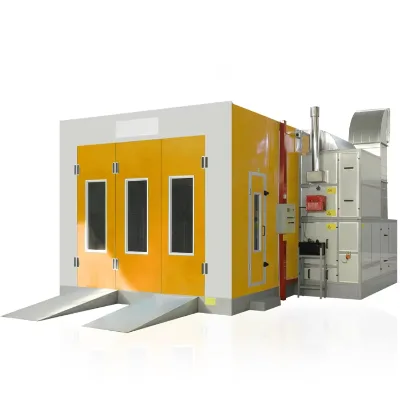

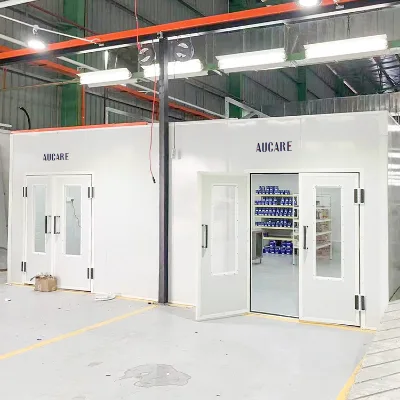
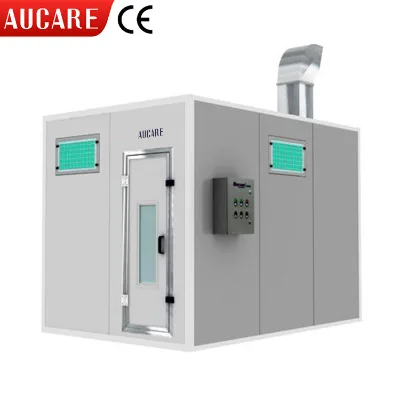
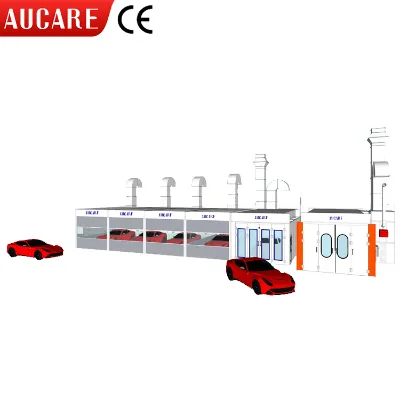
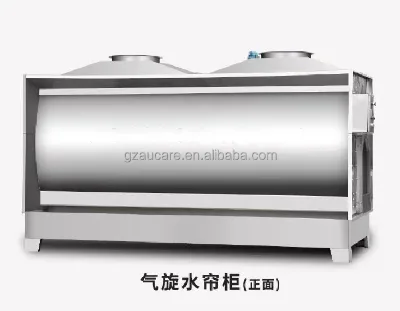
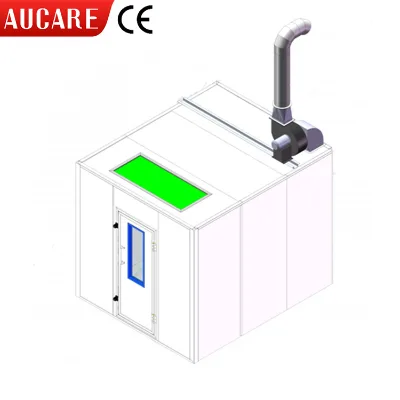
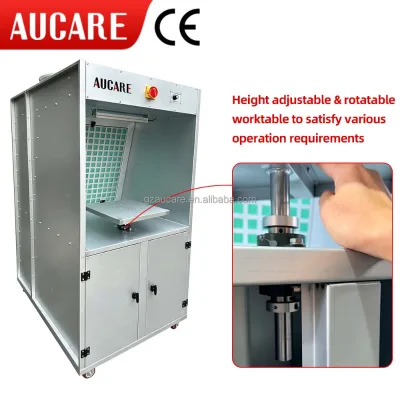
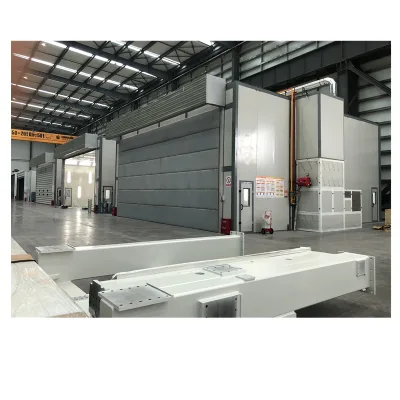
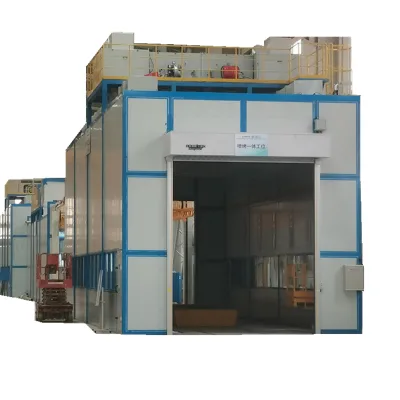
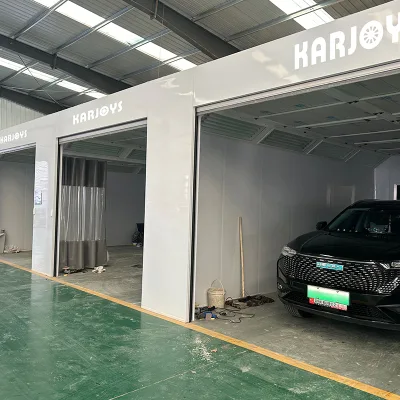
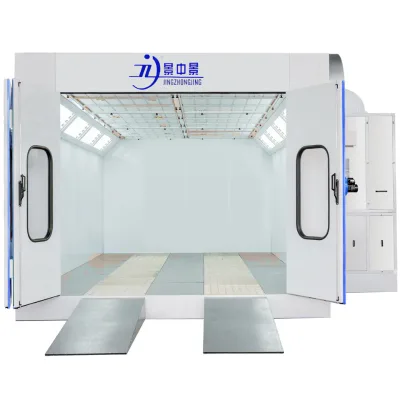
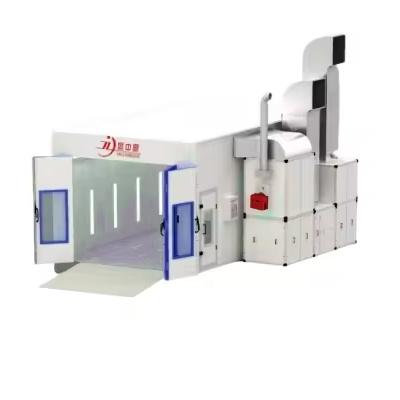
Multi Layer Paint Cabin Electrically Heated for Basecoat and Clearcoat on Cars
$5000.00 - $5500.00
MOQ: 1 Minimum
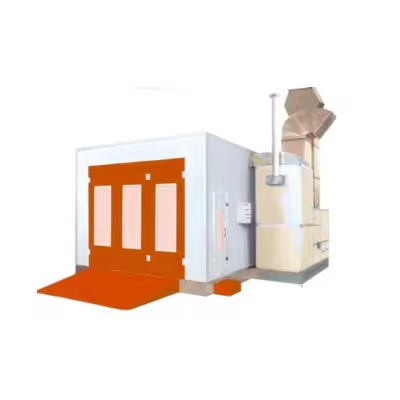
Dual Mode Paint Cabin Electrically Heated for Water-Based & Solvent Paints
$5252.83 - $5778.113
MOQ: 1 Minimum
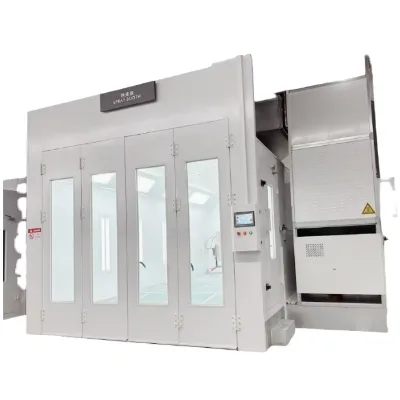


Luxury Full Downdraft Automotive Paint Cabin with Noise Reduction Technology
$8000.00 - $10000.00
MOQ: 1 piece

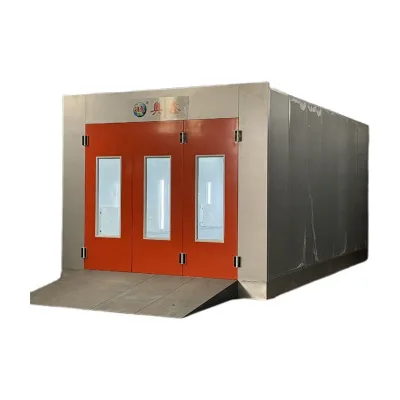
$3053.4736 - $3770.7323
MOQ: 1 pieces
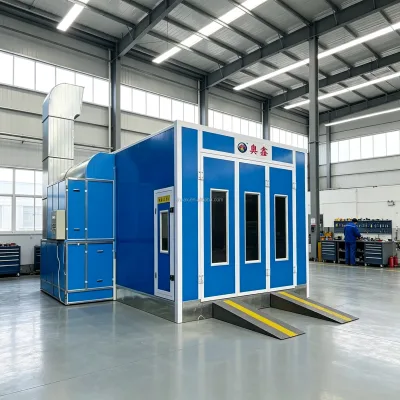
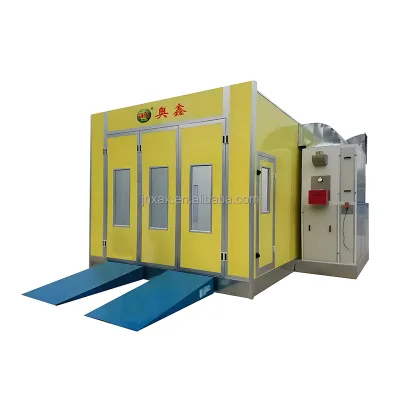
Compact and Efficient Car Paint Cabin with Electric Heating System for Small Spaces
$1500.00 - $6000.00
MOQ: 1 Minimum
Comprehensive Sourcing Guide
Environment Protection Paint Cabin Sourcing Guide
Procuring an Environment Protection Paint Cabin requires a strategic focus on air quality management and operational efficiency. These units are designed to capture overspray and maintain a clean workspace, which is critical for high-quality finishing. Buyers must evaluate the cabin’s ability to handle specific coating materials while ensuring that the exhaust systems meet environmental regulations. The integration of advanced filtration and heating technologies directly impacts both product quality and energy consumption.
The market offers various configurations, from simple prep stations to complex coating production lines. Understanding the distinction between these types is essential for aligning equipment with production volume and space constraints. Key differentiators include airflow direction, filter area, and the type of heating mode employed. Buyers should prioritize units that offer customization options to fit unique facility layouts and specific process requirements, ensuring long-term operational flexibility.
Product Scope and Observed Listing Signals
The observed product range includes specialized units such as car prep stations and full spray booths, indicating a diverse application scope. Listings show models like the IT-E501 and IT-PREP-5, which serve distinct functions in vehicle preparation and priming. These units typically feature steel substrates and are supplied in new condition, packed securely with polyfoam and metal frames. The presence of customization options suggests that manufacturers can adapt dimensions and features to specific client needs, allowing for tailored solutions.
Price points observed range from approximately $600 to over $62,000, reflecting significant variation in complexity and capacity. Minimum order quantities are consistently listed as one unit, facilitating easy procurement for individual facilities. The inclusion of features like infrared heating and dry-type paint mist treatment highlights a focus on energy efficiency and environmental compliance. Buyers should note that while basic prep stations are more affordable, full coating lines with inverter controls and cross-plate heat exchangers command higher prices due to their advanced technology.
Technical Specifications to Verify
Airflow dynamics are critical for effective paint application and safety. Buyers must verify the empty loaded air speed, which should be stable, typically around +/- 0.22m/s, to ensure consistent film thickness. The parameter of the exhaust fan, often cited around 22,000 M3/H for certain models, indicates the volume of air processed. Additionally, the filter area, such as 10m2, plays a vital role in capturing particulates. Confirming these metrics ensures that the cabin maintains the necessary laminar flow for high-quality finishes.
Heating and lighting systems also require close scrutiny. Infrared ray heating modes, utilizing infrared lamps, provide efficient drying without excessive energy use. Lighting brightness should exceed 700lux or 900lux, depending on the model, to allow for precise visual inspection of surfaces. The use of LED lamps ensures durability and low maintenance. Furthermore, the control system, whether manual or featuring a touchscreen with inverter control, impacts operational ease. Verifying the motor brand, such as Siemens, can indicate reliability and performance consistency.
Compliance and Safety Documentation
Certification is a primary indicator of regulatory compliance and safety standards. Products often carry CE and CCC certifications, which are essential for market access in many regions. These certifications confirm that the electrical and mechanical components meet specific safety and environmental directives. Buyers must request valid certificates for each unit to ensure they are legally compliant and safe for operation. The absence of proper documentation can lead to significant operational risks and potential legal liabilities.
Implementation standards, such as Motor Direct Start, define how the equipment operates under load. Understanding these standards helps in assessing the electrical infrastructure requirements of the facility. Noise levels, typically reported as less than 78dB, contribute to a safer working environment by reducing hearing damage risks. Additionally, the use of dual-skin insulated panels filled with heat-resistant material enhances thermal efficiency and safety. Buyers should verify that all safety interlocks and emergency stops are functional and documented in the user manual.
Cost Drivers and Commercial Terms
The rated power of the unit, often around 45kw, is a major factor in operational costs. Higher power consumption can lead to increased electricity bills, so energy-saving systems like cross-plate heat exchangers are valuable additions. The power and motor description, such as 5.5kw for specific components, also influences the total energy profile. Buyers should calculate the total cost of ownership, including energy usage, maintenance, and filter replacements, rather than focusing solely on the initial purchase price.
Warranty terms and support services are critical commercial considerations. A standard warranty time of two years provides a baseline for manufacturer confidence in product durability. Buyers should clarify what is covered under the warranty, including parts and labor. The origin of the product, such as Guangzhou, China, may influence shipping costs and lead times. Understanding the packing method, which often involves professional export packages, helps in planning logistics and handling procedures to prevent damage during transit.
Supplier Qualification and Quality Control
Supplier capability is often reflected in the technology and manufacturing processes employed. References to German technology suggest a focus on precision engineering and reliability. Buyers should inquire about the supplier’s quality control processes, including factory audits and pre-shipment inspections. The use of high-efficiency filters and big impeller direct drive fans indicates a commitment to performance. Verifying the supplier’s track record and customer references can provide additional assurance of product quality and service reliability.
Customization capabilities are a key differentiator for suppliers. The ability to provide customized models allows buyers to address specific operational challenges. Buyers should assess the supplier’s responsiveness to design changes and their ability to meet tight deadlines. The inclusion of a touching screen interface suggests a modern approach to user interaction and control. Evaluating the supplier’s technical support and after-sales service network is essential for ensuring long-term operational success and minimal downtime.
Long-Term Procurement Checks
Maintenance requirements and filter replacement cycles are critical for sustained performance. The pre-filtration system, often a G3 grade pre-filter plate filter, protects the main high-efficiency filter and extends its life. Buyers should establish a routine maintenance schedule to replace filters and inspect fans and motors. Regular cleaning of the basement and plenum areas, which have specific dimensions like 300mm and 400mm height respectively, is necessary to maintain airflow efficiency. Neglecting maintenance can lead to reduced air quality and increased energy consumption.
The physical dimensions of the cabin, such as 6900X4000X2650mm or 7000X4000X3000mm, must be compatible with the facility layout. Buyers should plan for adequate clearance around the unit for maintenance access and personnel movement. The personnel door size, typically 800×2000 mm, affects workflow efficiency. Long-term procurement checks should also include monitoring the condition of the wall panels and ensuring that the insulation remains intact. Regular performance audits can help identify any degradation in air speed or lighting brightness over time.
FAQs
What certifications do environment protection paint cabins have?
The environment protection paint cabins are certified with CE and CCC marks. These certifications ensure that the equipment meets essential safety and performance standards for industrial use. Buyers can rely on these verified credentials when sourcing compliant spray booths for automotive preparation and priming tasks in regulated markets.
How is the air filtration system designed in these cabins?
The system utilizes a G3 Grade Pre-Filter Plate Filter combined with a High Efficiency Filter. This two-stage filtration ensures clean air circulation within the booth. The design supports the paint mist treatment process, maintaining a controlled environment for high-quality coating applications and protecting the workpiece from contaminants.
Can the Environment Protection Paint Cabin be customized for specific needs?
Yes, customization is available for these units. Manufacturers offer tailored solutions to meet specific operational requirements. This flexibility allows buyers to adapt the cabin's dimensions, airflow, or control systems to their unique production lines, ensuring optimal integration into existing automotive preparation and priming workflows.
What is the rated power consumption of the spray booth?
The spray booth has a rated power of 45kw. This energy specification supports the infrared ray heating mode and the big impeller direct drive fan. The power rating ensures efficient operation while maintaining the required air volume and temperature control for consistent paint curing and drying processes.
What is the standard specification size for the IT-E501 model?
The standard specification for the IT-E501 model is 6900X4000X2650mm. This dimension defines the internal working space and external footprint of the unit. Buyers should verify this size against their facility layout to ensure proper installation and adequate clearance for vehicle movement and personnel access during operations.
How is the noise level managed in the paint cabin?
The noise level is maintained below 78dB during operation. This low-noise design contributes to a safer and more comfortable working environment for operators. The acoustic performance is achieved through the efficient engineering of the exhaust fan and motor, ensuring compliance with workplace safety standards while maintaining high airflow efficiency.