Source Ergonomic RGB Wireless Keyboard and Mouse Combo for Office, Gaming, and Home
Find a wide selection of ergonomic RGB wireless keyboard and mouse combos from 30 verified listings. Buyers can compare features like connectivity, key types, and customization options to find the right solution for desktop, gaming, or office environments.
Key considerations
Products List


Ergonomic Silent Membrane Wireless Keyboard and Mouse Combo for Hybrid Work
$12.00 - $12.50
MOQ: 1000 Pieces


Sustainable FSC Packaging Slim Wireless Bluetooth Keyboard and Mouse Combo
$12.00 - $12.50
MOQ: 1000 Pieces


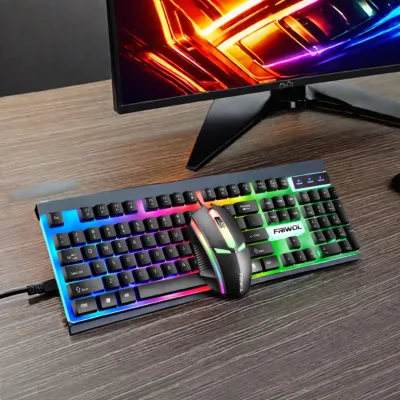
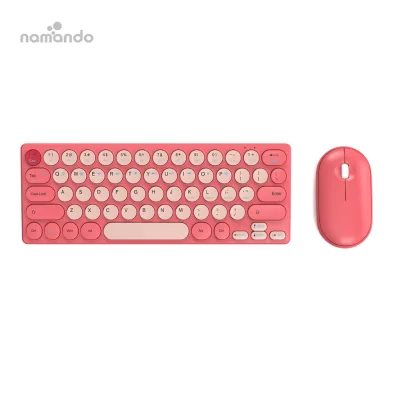
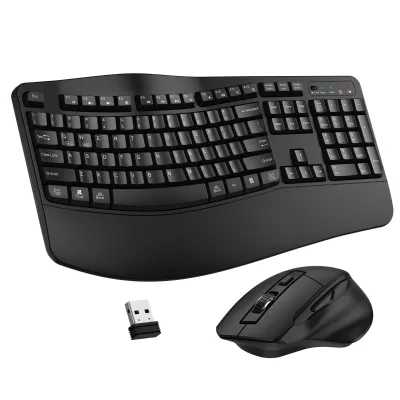
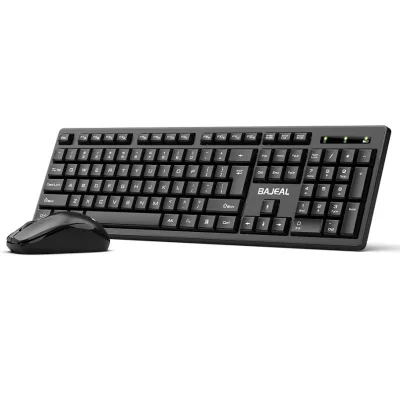


Comprehensive Sourcing Guide
Ergonomic RGB Wireless Keyboard and Mouse Combo Sourcing Guide
Sourcing ergonomic RGB wireless keyboard and mouse combos requires a disciplined approach to balancing user comfort, connectivity reliability, and aesthetic customization. Buyers must navigate a market where "ergonomic" and "RGB" are often used as broad marketing terms rather than precise technical specifications. The core challenge lies in verifying that the physical design actually supports prolonged typing sessions without causing strain, while ensuring that the wireless transmission remains stable and the lighting effects do not compromise battery life or signal integrity. This guide provides a structured framework for evaluating these products based on observed market signals and essential technical verification steps.
Procurement teams should focus on distinguishing between true ergonomic designs and those that merely feature a curved profile. The integration of wireless technology adds complexity, requiring careful attention to connectivity protocols such as RF, Bluetooth, or USB dongles. Furthermore, the inclusion of RGB lighting introduces additional power demands and potential interference issues. By understanding these dynamics, buyers can create more accurate request for quotation (RFQ) documents and establish clearer acceptance criteria for sample evaluations, ensuring that the final product meets both functional and aesthetic requirements.
Product Scope and Observed Listing Signals
The current market landscape for wireless keyboard and mouse combos reveals a wide variance in product types, ranging from compact and standard layouts to specialized ergonomic and gaming-oriented designs. Observed listings indicate that manufacturers often bundle these items as complete sets, with model numbers frequently combining keyboard and mouse identifiers, such as KG9010+G1023E6 or KB9021+MS3198. These bundles are typically marketed with features like multimedia integration, enhanced function keys, and quiet keys, which cater to office environments where noise reduction and productivity tools are prioritized. Buyers should note that "ergonomic" is listed as a type for some models, while others are classified as standard or compact, necessitating a clear definition of ergonomic requirements before engaging with suppliers.
Connectivity options vary significantly across suppliers, with many offering multi-mode support including RF, Bluetooth, USB, and wired connections. This flexibility allows users to switch between devices seamlessly, a critical feature for modern workspaces. However, the term "wireless" is sometimes used loosely, and buyers must verify whether the product is truly wireless or if it includes a wired charging component. Additionally, the presence of RGB lighting is a common aesthetic feature, but its implementation can differ widely in terms of customization levels and power consumption. Suppliers often highlight features like water resistance and portable designs, which add value for specific use cases but may increase manufacturing complexity and cost.
Technical Specifications to Verify
When evaluating technical specifications, buyers must prioritize the verification of connectivity stability and input device performance. The keyboard’s key type, whether membrane or mechanical, significantly impacts the typing experience and durability. Membrane keyboards are often preferred for their quiet operation and lower cost, while mechanical keyboards offer tactile feedback and longer lifespans. The number of keys, typically 104 or 105 for standard layouts, should be confirmed to ensure compatibility with user expectations. Additionally, the mouse’s DPI settings, ranging from 800 to 1600 in observed listings, should be tested for accuracy and responsiveness, especially if the combo is intended for gaming or graphic design applications.
Wireless performance is another critical area requiring verification. Buyers should assess the latency and range of the RF or Bluetooth connection, ensuring that there is no noticeable delay or drop in signal during use. The battery life of both the keyboard and mouse is a key factor, particularly for RGB-enabled devices, which consume more power. It is essential to confirm the charging method and the duration of use on a single charge. Furthermore, the physical dimensions and weight of the devices should be measured to ensure they meet ergonomic standards, providing adequate support for the wrists and hands during extended use.
Compliance and Safety Documentation
Compliance with international safety and environmental standards is non-negotiable for B2B procurement. Buyers must request documentation confirming that the products meet relevant certifications such as CE, ROHS, and FCC. These certifications ensure that the electronic components are safe for consumer use and do not contain hazardous substances. The ROHS certification, in particular, is crucial for environmental compliance, restricting the use of specific hazardous materials in electrical and electronic equipment. Buyers should verify that the certificates are current and issued by recognized testing bodies, as outdated or invalid certifications can lead to regulatory issues and product recalls.
In addition to safety certifications, buyers should inquire about the product’s packaging standards and materials. The use of eco-friendly packaging materials can enhance the product’s marketability and align with corporate sustainability goals. Documentation regarding the packaging dimensions and weight is also important for logistics planning, as it affects shipping costs and storage requirements. Buyers should ensure that the packaging provides adequate protection for the devices during transit, minimizing the risk of damage and reducing return rates. Clear labeling and instruction manuals in the target market’s language are also essential for user satisfaction and proper product usage.
Cost Drivers and Commercial Terms
Understanding the cost drivers for ergonomic RGB wireless keyboard and mouse combos is essential for effective budgeting and negotiation. Key factors influencing price include the complexity of the wireless technology, the quality of the materials used, and the level of customization available. Products with advanced features such as multi-mode connectivity, high-DPI mice, and customizable RGB lighting typically command higher prices. Additionally, the brand name, or lack thereof, can impact pricing, with OEM or no-brand products often being more cost-effective for buyers seeking private label opportunities. Buyers should request detailed cost breakdowns to understand how these factors contribute to the final price.
Commercial terms, including minimum order quantities (MOQ) and lead times, vary widely among suppliers. Observed MOQs range from 1 to 3000 units, with some suppliers accepting small orders for testing purposes. Lead times can extend up to 45 days, depending on the order size and production schedule. Buyers should negotiate favorable terms, such as flexible MOQs for initial orders and clear delivery timelines for larger batches. Payment terms should also be discussed, with options like letters of credit or escrow services providing security for both parties. Understanding these commercial dynamics helps buyers plan their inventory and cash flow more effectively.
Supplier Qualification and Quality Control
Supplier qualification is a critical step in ensuring the reliability and quality of the sourced products. Buyers should conduct thorough due diligence on potential suppliers, verifying their business licenses, manufacturing capabilities, and quality management systems. Suppliers with experience in producing ergonomic and wireless peripherals are preferable, as they are more likely to understand the specific requirements of these products. Requesting references from previous clients and conducting site visits, if possible, can provide valuable insights into the supplier’s operations and commitment to quality.
Quality control measures should be clearly defined and agreed upon before production begins. Buyers should specify inspection criteria, including functional tests for connectivity, input accuracy, and lighting effects. Third-party inspection services can be employed to verify product quality before shipment, reducing the risk of receiving defective goods. Establishing a clear process for handling defects and returns is also essential, ensuring that any issues are resolved promptly and fairly. By implementing robust quality control practices, buyers can maintain high standards and protect their brand reputation.
Long-Term Procurement Checks
Long-term procurement success depends on continuous monitoring and evaluation of supplier performance and product quality. Buyers should establish key performance indicators (KPIs) to track metrics such as on-time delivery, product defect rates, and customer satisfaction. Regular reviews of these metrics help identify areas for improvement and ensure that suppliers remain accountable. Building strong relationships with suppliers through open communication and collaborative problem-solving can lead to better pricing, improved quality, and more flexible terms over time.
Additionally, buyers should stay informed about industry trends and technological advancements in ergonomic and wireless peripherals. This knowledge enables proactive adjustments to procurement strategies, ensuring that the products offered remain competitive and relevant. Regularly updating product specifications and requirements based on user feedback and market demands helps maintain product quality and customer satisfaction. By adopting a strategic and adaptive approach to procurement, buyers can secure a reliable supply of high-quality ergonomic RGB wireless keyboard and mouse combos, supporting their business objectives and customer needs.
FAQs
What connectivity options are available for these keyboards?
These keyboards support RF, USB, and Wireless connectivity options. Some models also include Bluetooth and Wired capabilities, allowing flexible connection methods for various desktop applications and user preferences.
Can I order small quantities of these ergonomic keyboards?
Yes, small orders are accepted for these products. While some listings specify an MOQ of 1000 units, the general availability indicates that smaller order quantities can be accommodated for buyers with lower volume needs.
Which features are included in the multimedia keyboard models?
The keyboards feature enhanced function keys, multimedia integration, and media keys. Additional attributes include quiet keys, water resistance, and illumination, providing a comprehensive typing and control experience for users.
What is the typical delivery time for these keyboard combos?
The standard delivery time is 45 days for these products. This lead time applies to the manufacturing and shipping process from the origin location in China to the final destination.
Are these keyboards available in different colors?
Yes, the keyboards are available in Black, Pink, Green, and Blue colors. This variety allows buyers to select options that match specific aesthetic requirements or branding needs for their office or home setups.
What certifications do these products meet?
The products meet CE, ROHS, and FCC standards. These certifications ensure compliance with international safety and environmental regulations, making the keyboards suitable for global distribution and use in various markets.
Can these keyboards be customized for specific needs?
Customization is available for these keyboard models. Buyers can request specific modifications, and the products support OEM branding, allowing for tailored solutions that align with unique business requirements.