Source European Standard Heavy Rail for Cranes, Railways, and Tracks
Find 30 listings for European Standard Heavy Rail suitable for building cranes, railway tracks, and industrial applications. Compare specifications like Q235/55Q and EN54E1 models, check weights from 12kg to 22.3kg/m, and review certifications including ISO 9001 and CE from suppliers in China.
Updated
Key considerations
Products List


Comprehensive Sourcing Guide
European Standard Heavy Rail Sourcing Guide
Procuring heavy steel rails that align with European specifications requires a disciplined approach to verifying material integrity and dimensional accuracy. Buyers must prioritize suppliers who demonstrate consistent adherence to rigorous manufacturing standards, as the structural demands of railway infrastructure leave little room for deviation. The observed market data indicates a diverse range of product models, including those specified as EN54E1 (UIC54), which suggests a strong availability of European-compliant inventory. However, the presence of other standards like DIN5901-S30 and GB11264-2012 highlights the need for precise filtering to ensure the selected rails meet specific regional regulatory requirements.
Verification of the supply chain’s origin and certification status is equally critical for maintaining project compliance. Many listed products originate from major industrial hubs in China, such as Shandong and Hebei provinces, where manufacturing capabilities are robust. Buyers should confirm that the supplier holds valid ISO 9001 certifications and other relevant quality management credentials, as these serve as foundational indicators of production reliability. Additionally, the availability of customization options allows for tailored solutions, but this flexibility must be balanced against the strict tolerance requirements, typically observed at 1%, to prevent installation failures in high-stress environments.
Product Scope and Observed Listing Signals
The current market landscape for heavy steel rails presents a wide spectrum of options, with observed prices ranging from approximately $299.41 to $973.42 per unit. This variance reflects differences in material grade, length specifications, and certification levels, requiring buyers to align their budget with their technical needs. The minimum order quantities (MOQ) observed range from 1 to 50 units, offering flexibility for both small-scale repairs and large infrastructure projects. Understanding these commercial signals helps buyers anticipate volume discounts and negotiate more favorable terms based on their specific procurement scale.
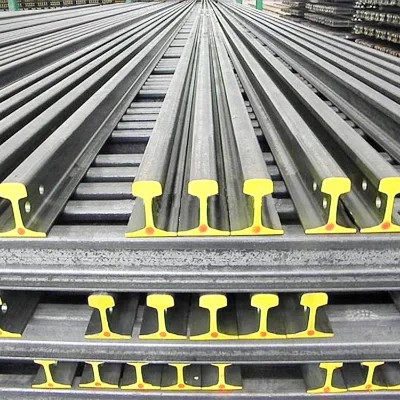
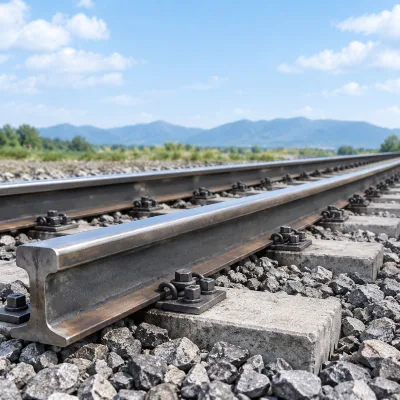
Product attributes indicate a strong focus on heavy-duty applications, with keywords such as "Heavy Steel Rail" and "Stainless Steel Rail" frequently appearing in listings. Theoretical weights are commonly cited around 22.3 kg/m, providing a baseline for weight-based cost calculations and logistical planning. Lengths are typically available in standard increments such as 6, 8, 9, and 10 meters, or in continuous ranges up to 25 meters, depending on the supplier’s inventory. Buyers should carefully review these specifications to ensure compatibility with their existing track systems and handling equipment, avoiding mismatches that could lead to costly modifications.
Technical Specifications to Verify
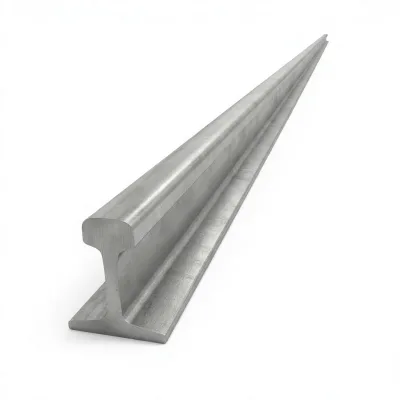
Dimensional accuracy and material composition are paramount when evaluating heavy rail specifications. Buyers must verify that the rails conform to the required standard, such as EN54E1 (UIC54) or DIN5901-S30, depending on the project’s geographic and operational requirements. The tolerance level is a critical factor, with observed values around 1%, ensuring that the rails fit precisely within the track assembly. Additionally, the specific weight, often listed as 22 kg/m or 22.3 kg/m, must be confirmed to match the load-bearing expectations of the intended railway line, preventing premature wear or structural failure.
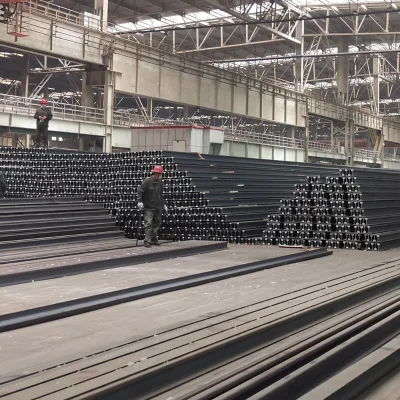
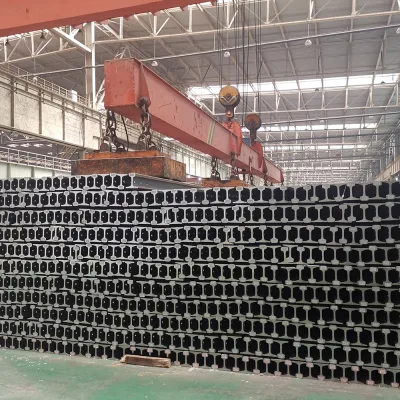
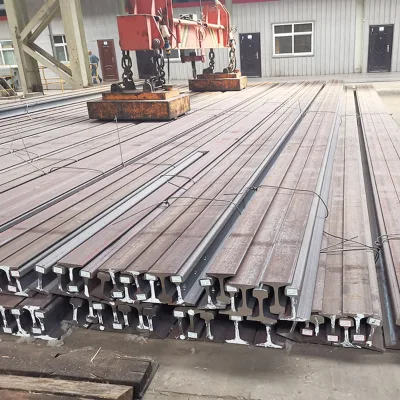
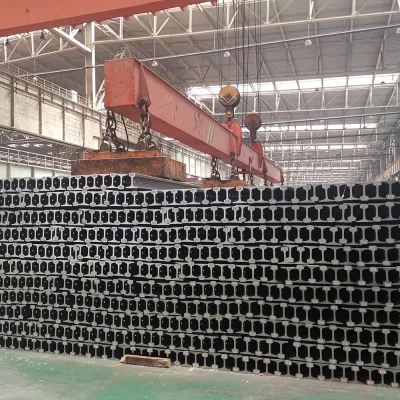
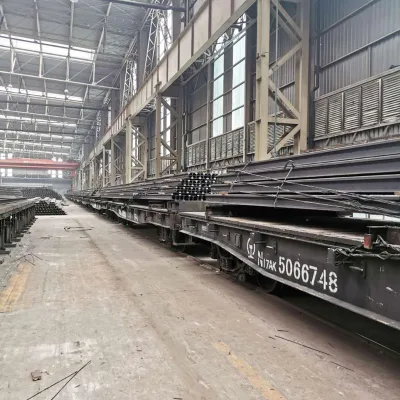
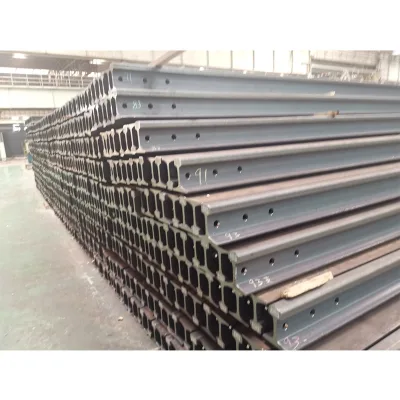
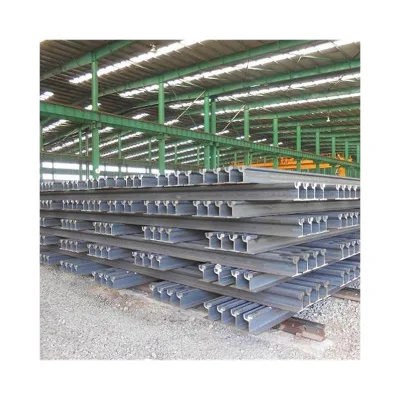
Packaging and handling specifications also play a significant role in preserving rail integrity during transit. Products are often packed in bundles with iron wire or wooden boxes to prevent damage and corrosion. Some listings mention standard packing methods, while others offer customized solutions, which can impact the overall cost and delivery timeline. Buyers should ensure that the packaging method is suitable for the rail’s weight and length, particularly for longer dimensions up to 25 meters, to avoid deformation or surface scratches that could compromise the rail’s performance in service.
Compliance and Safety Documentation
Certification documentation is a non-negotiable aspect of sourcing heavy steel rails, ensuring that products meet international safety and quality benchmarks. Common certifications observed in the market include ISO 9001, RoHS, CE, and EPA, which indicate adherence to environmental and quality management standards. Buyers must request and verify these certificates directly from the supplier, as they serve as proof of the manufacturer’s commitment to consistent production quality. The presence of these certifications also facilitates smoother customs clearance and regulatory approval in various jurisdictions.
In addition to certifications, buyers should inquire about the supplier’s quality control processes, including video outgoing inspections and third-party testing reports. These measures provide additional assurance that the rails meet the specified technical requirements before shipment. The availability of detailed product data sheets and material test certificates is essential for verifying the chemical composition and mechanical properties of the steel. Buyers should integrate these documentation requirements into their procurement contracts to ensure accountability and traceability throughout the supply chain.
Cost Drivers and Commercial Terms
Several factors influence the final cost of heavy steel rails, including material grade, length, and certification status. The observed price range of $299.41 to $973.42 reflects these variables, with higher prices typically associated with stricter standards and additional certifications. Buyers should consider the total cost of ownership, including transportation, handling, and potential customs duties, rather than focusing solely on the unit price. Negotiating volume discounts based on the observed MOQ range of 1 to 50 units can also help optimize procurement costs.
Payment terms and lead times are critical commercial considerations that impact project planning and cash flow. Suppliers may offer various payment options, such as letters of credit or advance payments, depending on the order size and relationship history. Lead times can vary based on the product’s availability and customization requirements, with some items potentially requiring longer production periods. Buyers should establish clear communication regarding delivery schedules and penalty clauses for delays to mitigate risks associated with supply chain disruptions.
Supplier Qualification and Quality Control
Evaluating supplier qualifications is essential for ensuring the reliability and consistency of heavy steel rail supplies. Buyers should assess the supplier’s manufacturing capabilities, including their production capacity, quality control systems, and experience in exporting to target markets. The presence of core components like engines and motors in some listings suggests a broader industrial capability, which may indicate a robust supply chain. Verifying the supplier’s track record and customer references can provide additional insights into their performance and reliability.
Quality control measures should be integrated into the procurement process to minimize the risk of receiving non-conforming products. Buyers should request samples for initial testing and conduct regular audits of the supplier’s production facilities. The availability of video outgoing inspections and detailed product specifications allows for remote verification of quality before shipment. Establishing a clear feedback loop for addressing any quality issues ensures continuous improvement and maintains the integrity of the supply chain.
Long-Term Procurement Checks
Establishing long-term relationships with reliable suppliers is crucial for maintaining consistent supply and quality of heavy steel rails. Buyers should focus on suppliers who demonstrate a commitment to continuous improvement and adaptability to changing market conditions. Regular performance reviews, including assessments of delivery times, product quality, and customer service, help identify potential issues early and foster a collaborative partnership. This proactive approach ensures that the supply chain remains resilient and responsive to project needs.
Continuous monitoring of market trends and technological advancements in rail manufacturing can provide competitive advantages and cost savings. Buyers should stay informed about new standards, materials, and production techniques that may impact their procurement strategy. Engaging with industry associations and participating in trade shows can facilitate networking and knowledge sharing with other professionals in the field. By maintaining a strategic outlook, buyers can optimize their sourcing practices and ensure the long-term success of their railway infrastructure projects.
FAQs
What certifications are available for heavy steel rails?
Certifications include ISO 9001, RoHS, CE, CS, and EPA. Some products offer customized certification options to meet specific buyer requirements. These standards ensure quality and safety for railway and crane applications.
Which standard specifications apply to the steel rails?
Products comply with GB11264-2012, EN54E1, and DIN5901 standards. Specifications vary by model, including weights like 22.3kgs/M and lengths ranging from 6 to 10 meters. Customization is available for specific project needs.
How is the heavy steel rail packed for shipment?
Rails are typically packed in bundles with iron wire or wooden boxes. Standard packing options are also available depending on the order. This ensures safe transport and protection during international shipping to various destinations.
Can the rail length be customized for specific projects?
Yes, lengths can be customized to meet specific project requirements. Standard options include 6, 8, 9, and 10 meters. Customization allows buyers to select dimensions that fit their unique infrastructure or construction needs effectively.
What is the origin location of these steel rails?
The products originate from China, specifically Shandong and Hebei provinces. Jining is a noted location for heavy steel rail manufacturing. This region is known for producing high-quality railway materials for global export markets.
Which materials are used to manufacture the steel rails?
The rails are manufactured using high-grade steel materials. Models include Q235 and 55Q variants suitable for heavy-duty applications. These materials ensure durability and strength for use in building cranes and railway tracks.
What is the minimum order quantity for these rails?
The minimum order quantity ranges from 1 to 50 units depending on the supplier. This flexibility allows buyers to place smaller orders for testing or larger orders for bulk projects. Specific MOQs vary by product model.
How is the price determined for heavy steel rails?
Prices range from 299.41 to 973.42 USD based on specifications and quantity. The final cost depends on the selected model, weight, and customization options. Buyers should request quotes for accurate pricing on their specific requirements.