Source Automatic Type Clutch Plate Kit for Cars, Racing Cars, Tractors
Find and compare 30 listings for Automatic Type Clutch Plate Kit suitable for cars, racing cars, and heavy-duty trucks. Buyers can review specifications, certifications, and pricing to identify the right clutch assembly for their vehicle needs.
Key considerations
Products List


Hot Sale High Performance Auto Parts Clutch Kit Clutch Plate Clutch Cover
$40.00 - $50.00
MOQ: 1 Pieces


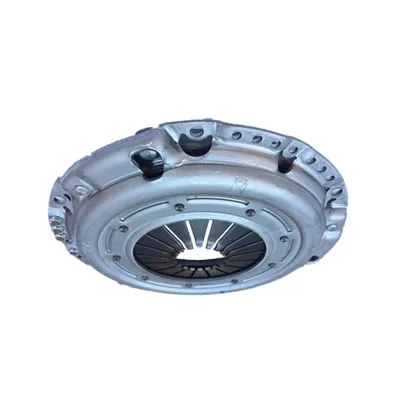
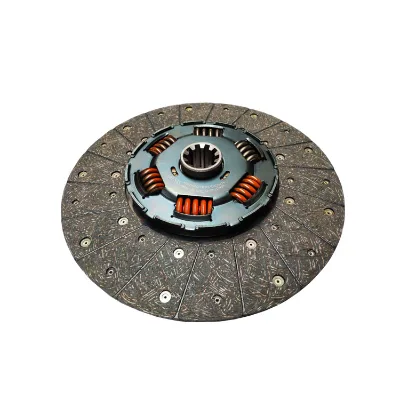


Twin Plate Clutch Multi Plate Clutch Ford Clutch Kit High Performance Clutch Kits
$0.01 - $0.10
MOQ: 100 Pieces

Clutch Assembly Price, Clutch and Pressure Plate Assembly, Ls Clutch Kit
$17.20 - $18.00
MOQ: 100 Pieces


Steel Clutch Cover Clutch Kits Transmission Automotive Spare Parts Clutch Assembly
$5.00 - $50.00
MOQ: 1 Pieces


Comprehensive Sourcing Guide
Strategic Sourcing Guide for Automatic Type Clutch Plate Kits
Understanding Technical Specifications and Component Variability
When sourcing an Automatic Type Clutch Plate Kit, buyers must first navigate a complex landscape of technical definitions and component configurations. The term "clutch plate" often refers to the friction disc itself, yet in a complete kit context, it encompasses the pressure plate, release bearing, and flywheel interaction mechanisms. Based on observed market data, the specific part types available include Clutch Plates, Clutch Discs, and Clutch Covers, often categorized under broader assemblies like Clutch Assemblies. A critical observation in the current supply chain is the diversity of product models, ranging from specific identifiers like NBJP009, Ckit-01, and CV-01 to numerical designations such as 200, 62te, and 430. These model numbers often correlate with specific dimensions, such as the 430mm standard size frequently cited in product specifications.
The functional classification of these components is equally vital. While the core keyword focuses on "automatic type" systems, the observed inventory includes Electromagnetic Clutches, specifically described as Dry Single Plate Electromagnetic Clutches. These units operate via an Electricity Combination working mode and function in a Semi Linkage state, powered by a DC12V voltage supply. This distinction is crucial for procurement teams, as an automatic transmission clutch system may require a different actuation mechanism than a manual heavy-duty truck setup. The stroke of the mechanism is noted as a 4 Stroke configuration in certain listings, indicating the operational cycle of the engine or actuator it serves. Furthermore, the condition of these parts is predominantly listed as New, intended for Replace or Repair purposes, ensuring that the buyer receives components ready for immediate installation without the need for reconditioning.
Compliance and Certification Verification Protocols
In the B2B automotive sector, regulatory compliance is not merely a formality but a prerequisite for market entry and operational safety. The supplied data indicates that reputable suppliers in this category frequently provide certifications such as CE and ISO/TS16949. The ISO/TS16949 standard is particularly significant as it represents the global quality management standard for the automotive industry, ensuring that the manufacturing processes meet rigorous safety and quality benchmarks. Additionally, some product listings reference RoHS compliance, which restricts the use of specific hazardous materials in electrical and electronic equipment, a necessary consideration for electromagnetic clutch components.
Buyers must verify that the certification status applies to the specific batch or model being ordered, as certifications can vary by product line. For instance, while one listing might pair CE and ISO/TS16949 with a Steel material composition, another might include RoHS alongside the same certifications for an Electromagnetic Clutch classification. The material composition is consistently observed as Steel, which provides the necessary durability and heat resistance required for high-torque applications. However, the buyer should not assume that all listed products carry these certifications without explicit verification. The presence of a certification label on a product page is an observation of that specific listing, not a universal guarantee for the entire category. Therefore, procurement teams should request valid, up-to-date certification documents directly from the supplier before finalizing any purchase agreement.
Cost Drivers and Pricing Structure Analysis
The pricing structure for automatic type clutch plate kits is influenced by several dynamic factors, including material costs, customization levels, and logistical requirements. The observed price range in the market spans from 0.01 USD to 520 USD, a wide variance that reflects the difference between individual components, such as a single clutch disc, and complete kits or high-performance assemblies. This range suggests that the cost is heavily dependent on the specific model, the complexity of the electromagnetic or mechanical system, and the quantity ordered.
Minimum Order Quantity (MOQ) is another significant cost driver. While some suppliers list an MOQ of 1 PCS, making it accessible for small-scale repairs or prototyping, others may have higher thresholds or negotiate based on the order volume. The flexibility in MOQ, often described as "Can Be Negotiated," allows buyers to tailor their orders to their immediate inventory needs without overstocking. However, negotiating lower unit prices typically requires a commitment to higher volumes. Payment terms also play a role in the financial planning of the procurement process. Standard terms observed include T/T (Telegraphic Transfer), LC (Letter of Credit), PayPal, and Western Union. The choice of payment method can impact cash flow and risk management, with LC offering more security for large transactions while T/T is common for established relationships.
Typical Applications and Industry Segmentation
The versatility of automatic type clutch plate kits is evident in their diverse application across various vehicle sectors. The data indicates usage in Car, Racing Cars, Heavy Duty Trucks, and Tractors. This broad applicability means that a single supplier might cater to multiple market segments, each with distinct performance requirements. For example, components designed for Racing Cars may prioritize lightweight materials and high-speed engagement, whereas those for Heavy Duty Trucks and Tractors must withstand immense torque and continuous heavy loads.
The "All" car model designation suggests that some kits are universal or adaptable to a wide range of vehicle types, though specific OEM numbers are often required for precise fitment. The OEM number is frequently listed as "Custom," indicating that many suppliers operate on an Original Equipment Manufacturer basis, producing parts that match specific vehicle requirements rather than generic aftermarket standards. This customization capability is a key feature for buyers sourcing parts for specialized fleets or unique vehicle modifications. The working state of "Semi Linkage" and the "Electricity Combination" mode further highlight the complexity of these applications, where the clutch must seamlessly integrate with the vehicle's electronic control systems to ensure smooth power delivery.
Supplier Evaluation and Operational Capabilities
Evaluating a potential supplier requires a deep dive into their operational capabilities, including production capacity, logistics, and customization services. The observed data points to a primary origin of China, with specific mentions of Hebei as a place of origin, suggesting a concentration of manufacturing hubs in this region. Buyers should verify the supplier's ability to handle Customization, as this is a listed attribute for many products. Customization can range from branding (with options for "Dalishen" or "Customizable" branding) to specific packaging requirements like Wooden Packages, Carton, or Neutral Packing.
Logistics and lead times are critical factors in supplier selection. The delivery time varies significantly, with some listings stating 7-15 days and others indicating a standard 30 Days. This discrepancy may depend on the complexity of the order, the specific model, or the current production schedule. Shipping methods are flexible, offering options by Sea, Air, or Express, and sometimes Land transport. The choice of shipping method directly impacts the total landed cost and the speed of delivery. Buyers must align their inventory planning with these lead times to avoid stockouts. Additionally, the condition of the goods is consistently listed as New, but buyers should confirm the packaging integrity, as options range from Wooden Packing to Neutral Packing, which can affect the protection of the components during transit.
Quality Control and Long-Term Procurement Considerations
Ensuring long-term reliability requires a robust quality control strategy. The observed attribute of "High-Quality" is a common descriptor, but it must be substantiated through rigorous testing and adherence to standards. The presence of standards like 430mm for size and 430 for prod_standard indicates that dimensional accuracy is a key quality metric. Buyers should verify that the product specifications match their exact engineering requirements, particularly regarding the size and model number. For instance, a 430mm clutch disc must align perfectly with the flywheel and pressure plate to prevent slippage or premature wear.
Long-term procurement considerations also involve the stability of the supply chain. The ability of the supplier to maintain consistent quality over time, despite fluctuations in raw material costs or production demands, is essential. The "Custom" OEM number suggests that the supplier is capable of maintaining long-term partnerships with automotive manufacturers, which often implies a higher level of quality assurance. Furthermore, the availability of spare parts and the supplier's responsiveness to after-sales issues are critical for maintaining fleet uptime. Buyers should establish clear communication channels and agree on service level agreements that cover warranty claims, replacement policies, and technical support. By focusing on these long-term factors, procurement teams can build a resilient supply chain that supports the continuous operation of vehicles across diverse sectors, from racing circuits to heavy-duty transport networks.
FAQs
What certifications do automatic type clutch plate kits typically have?
Many listings include CE and ISO/TS16949 certifications for quality assurance. Some electromagnetic clutch models also feature RoHS compliance. Buyers should verify specific batch documentation before purchasing.
Can I customize the branding and packaging for these clutch kits?
Yes, customization is available for both branding and packaging options. Suppliers offer choices like wooden packages, cartons, or neutral packing. Customizable branding allows buyers to add their own labels.
What is the typical delivery time for automatic type clutch plate kits?
Delivery times vary between 7-15 days and 30 days depending on the order. Specific models may have different lead times based on production schedules. Buyers should confirm exact dates with the supplier.
Which materials are used in manufacturing these automatic clutch components?
Steel is the primary material observed for durability and heat resistance. The kits are designed for heavy-duty applications like trucks and tractors. High-quality steel ensures longevity in high-torque environments.
What is the minimum order quantity for purchasing these clutch kits?
The minimum order quantity can be as low as 1 piece for some suppliers. Other listings state that the MOQ is negotiable based on volume. This flexibility helps buyers manage inventory costs effectively.
How are these automatic clutch kits packaged for international shipping?
Packaging options include wooden packages, cartons, and neutral packing. The choice depends on the specific product model and buyer requirements. Secure packaging ensures components arrive without damage during transit.
Can these clutch kits be used for racing cars and heavy trucks?
Yes, the kits are suitable for cars, racing cars, heavy-duty trucks, and tractors. They are designed for replace or repair purposes in various vehicle types. Specific models support different vehicle applications.