Source Excavator Hydraulic Solenoid Valve for Sk200-8 Sk210-8 Machinery
Find 30 Excavator Hydraulic Solenoid Valve options with varying models like NY-077 and SK200-8. Buyers can compare specifications, certifications, and prices for construction machinery parts.
Key considerations
Products List


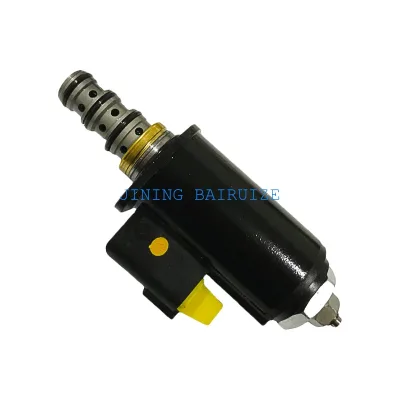

Premium Hydraulic Solenoid Valve for Excavators - ISO9001 Certified Quality
$33.00 - $37.00
MOQ: 10 Pieces


Comprehensive Sourcing Guide
Strategic Sourcing Guide for Excavator Hydraulic Solenoid Valves
Understanding Technical Specifications and Operational Parameters
When sourcing excavator hydraulic solenoid valves, buyers must first establish a rigorous understanding of the technical parameters that define compatibility and performance. The core functionality of these components relies on precise electrical and hydraulic integration. Based on available market data, the electrical operating voltage for these units is typically standardized at DC12V or DC24V. This dual-voltage capability is critical for ensuring compatibility with various excavator electrical systems, ranging from smaller compact machines to larger heavy-duty units.
The hydraulic performance is equally demanding. The rated pressure for high-performance solenoid valves in this category often reaches up to 180 bar. Buyers should verify that the specific valve selected can withstand the peak pressure requirements of their machinery without failure. The media handled by these valves is predominantly oil, which necessitates seals and internal components resistant to hydraulic fluid degradation. Furthermore, the valve structure is generally rotary, designed to direct flow in specific sequences. The noise level during operation is a significant indicator of quality, with acceptable units often operating below 80dB, ensuring a safer working environment for operators.
Installation flexibility is another vital technical consideration. The observed market data indicates that these valves support both horizontal and vertical installation orientations. This versatility allows for easier integration into the complex hydraulic manifolds of different excavator models. Additionally, the power source is explicitly identified as solenoid-driven, meaning the valve actuation is controlled by an electromagnetic coil. Buyers must ensure that the coil power consumption matches the machine's electrical capacity. The temperature range is generally specified for ordinary temperature operations, though extreme environments may require specific thermal ratings not always listed in standard catalogs.
Compliance, Certification, and Quality Standards
Navigating the compliance landscape is essential for international procurement. The primary certifications observed in the market for these hydraulic components include CE and ISO9001. The CE mark indicates conformity with health, safety, and environmental protection standards for products sold within the European Economic Area. ISO9001 certification demonstrates that the manufacturer adheres to a quality management system that ensures consistent product quality. However, buyers must treat these certifications as observations of specific listings rather than universal guarantees for every unit in the category.
It is crucial to verify the current status of these certifications. Some product listings may include "Condition: New" alongside certification claims, but the validity of the certification must be confirmed with the supplier. In some contexts, certifications may be listed as "ISOMedia:Oil," suggesting specific media compatibility standards, though this requires careful interpretation. The absence of a specific certification on a listing does not necessarily imply non-compliance, but it does require the buyer to request official documentation before finalizing a purchase.
Quality standards are often defined by the product's origin and manufacturing location. The majority of these components originate from manufacturing hubs in China, specifically Shanghai and Zhejiang provinces. While these regions have a robust industrial base, the specific factory standards can vary. Buyers should request proof of origin and verify that the manufacturing process aligns with international quality benchmarks. The "Standard" designation often appears in product descriptions, but this is a generic term. Buyers should seek specific technical standards (such as ISO or DIN) relevant to hydraulic valves to ensure the component meets the rigorous demands of construction machinery.
Cost Drivers and Pricing Dynamics
The pricing of excavator hydraulic solenoid valves is influenced by a complex interplay of factors, including material composition, manufacturing complexity, and certification status. The observed price range in the market spans from 1 to 200 USD. This wide variance suggests that the market includes both basic replacement parts and high-performance, specialized units. The material composition is a primary cost driver; the use of Aluminum Alloy for the housing provides a balance of strength and weight, which is generally more expensive than cast iron alternatives but offers better corrosion resistance and heat dissipation.
Minimum Order Quantity (MOQ) is another significant factor affecting the unit cost. The observed MOQ range is between 1 and 50 units. Buyers purchasing single units or small batches may face higher per-unit costs due to the lack of economies of scale. Conversely, bulk orders within the 50-unit range often unlock more competitive pricing. However, buyers must be cautious of suppliers demanding high MOQs without providing corresponding price reductions.
Lead times also impact the total cost of procurement. For orders below 50 units, the delivery time is typically around 7 days. This rapid turnaround can be advantageous for urgent maintenance needs but may come at a premium compared to longer lead times associated with larger production runs. Buyers should factor in the cost of expedited shipping if the standard 7-day window is insufficient for their operational requirements. Additionally, the inclusion of optional features, such as a dedicated tank or specific packing configurations, can influence the final price.
Typical Applications and Compatibility Matrix
Excavator hydraulic solenoid valves are integral to the operation of construction machinery, specifically designed for heavy-duty applications. The primary application area is construction machinery parts, where reliability is paramount. These valves are commonly used in models such as the SK200-8 and SK210-8, as indicated by specific product listings. The compatibility with these models suggests that the valves are engineered to meet the specific hydraulic flow and pressure requirements of these excavator series.
The versatility of these valves extends to various industrial sectors, including general machinery. The "Rotation Solenoid Valve" designation highlights their specific function in controlling rotational movements, which is essential for the boom, arm, and bucket operations of an excavator. The part numbers associated with these valves, such as Yn35V00051f1 and 3619760m91, serve as critical identifiers for ensuring the correct replacement part is selected.
To assist buyers in identifying the correct valve, the following table summarizes the observed model numbers and their associated applications:
| Product Model | Part Number | Primary Application | Key Features |
|---|---|---|---|
| NY-077 | - | General Hydraulic Systems | Aluminum Alloy, DC12/24V |
| SK200-8 | Yn35V00051f1 | Sk200-8 / Sk210-8 | Rotation Solenoid Valve |
| 3619760m91 | - | Construction Machinery | Standard Hydraulic Valve |
| 121-1490 | - | Heavy Equipment | High Pressure Rating |
| SA-3838-24 | - | General Machinery | Solenoid Power |
| 543-3739 | - | Hydraulic Systems | Rotary Structure |
| SV98-T40 | - | Industrial Applications | Standard Packaging |
| 485-9850 | - | Excavator Components | Oil Media |
| 4216197 | - | Construction | High Pressure |
| 152-8340 | - | Hydraulic Control | Solenoid Actuation |
| 87456901 | - | Heavy Machinery | Rotary Valve |
Buyers must cross-reference these model numbers with their specific excavator manuals to ensure exact compatibility. Using a valve with an incorrect model number can lead to hydraulic system failure, safety hazards, and costly downtime.
Supplier Evaluation and Service Considerations
Evaluating suppliers requires a focus on after-sales support and warranty terms. The market data indicates that suppliers often provide online after-sales service, which is a valuable asset for troubleshooting hydraulic issues remotely. This service can help buyers diagnose problems quickly without waiting for physical parts to be shipped. However, the extent and quality of this service should be verified before purchase.
Warranty terms vary significantly across the market. Some listings offer a 3-month warranty, while others provide a 1-year warranty. A longer warranty period generally indicates higher confidence in the product's durability and the supplier's commitment to quality. Buyers should carefully review the warranty conditions, including what is covered (e.g., manufacturing defects vs. wear and tear) and the process for claiming warranty service.
The packaging and shipping method are also indicators of supplier professionalism. Common packaging includes carton boxes, wooden pallets, and wooden cases. The dimensions of the packaging, such as 50cm25cm30cm or 300/100/300mm, provide insight into the physical size of the unit and the care taken in its protection during transit. Standard packaging is often used for general orders, while custom wooden cases may be required for high-value or fragile components.
Quality Control and Inspection Protocols
Implementing a robust quality control (QC) protocol is essential for mitigating the risks associated with sourcing hydraulic components. Buyers should request pre-shipment inspection reports that verify the physical condition of the valves. The "Condition: New" status listed in product descriptions should be confirmed through visual inspection and functional testing upon receipt.
Key inspection points include checking for physical damage to the Aluminum Alloy housing, verifying the integrity of the seals, and ensuring that the electrical connections are secure. The gear pump specification of 0.5cc/Rev is a precise parameter that should be verified if the valve is part of a pump assembly. Additionally, the weight of the unit, typically around 10kg Gross Weight (G.W.), can serve as a quick check for missing components or incorrect manufacturing batches.
Buyers should also verify the packaging integrity. The standard practice of packing in carton boxes and then on wooden pallets helps prevent damage during shipping. However, for international shipments, additional protection may be necessary. The origin location, whether Shanghai or Zhejiang, should be confirmed to ensure the product meets the expected manufacturing standards of that region.
Long-Term Procurement and Supply Chain Resilience
For long-term procurement, buyers must consider the stability of the supply chain and the availability of spare parts. The 7-day delivery time for orders below 50 units suggests a responsive supply chain, but this may vary during peak seasons or logistical disruptions. Buyers should establish a relationship with suppliers who can provide consistent lead times and maintain inventory levels.
The optional nature of certain features, such as the tank, allows for customization based on specific project needs. However, this flexibility requires careful planning to ensure that all components are compatible. The "Standard" designation in product specifications often implies a baseline level of quality, but buyers should not assume that all "standard" products are identical. Variations in manufacturing processes can lead to differences in performance.
Finally, buyers should monitor the market for changes in certification requirements and technical standards. As regulations evolve, the CE and ISO9001 certifications may become more stringent. Maintaining a close relationship with suppliers who are proactive about compliance will help ensure that the procurement process remains smooth and that the machinery continues to operate safely and efficiently. By focusing on these long-term considerations, buyers can build a resilient supply chain that supports the ongoing maintenance and operation of their excavator fleets.
FAQs
What voltage options are available for these valves?
These valves operate on DC12V or DC24V power sources. This dual-voltage capability ensures compatibility with various excavator electrical systems ranging from compact machines to larger heavy-duty units.
Can the valves be installed in different orientations?
Yes, the valves support both horizontal and vertical installation orientations. This versatility allows for easier integration into the complex hydraulic manifolds of different excavator models.
Which certifications are typically listed for these products?
Common certifications observed include CE and ISO9001. Buyers should verify the current status of these certifications with the supplier as they indicate conformity with safety and quality standards.
How long is the delivery time for small orders?
The delivery time is typically 7 days for orders below 50 units. This rapid turnaround is advantageous for urgent maintenance needs but may vary during peak seasons.
What is the maximum rated pressure for these valves?
The rated pressure for high-performance solenoid valves often reaches up to 180 bar. Buyers must verify that the specific valve selected can withstand the peak pressure requirements of their machinery.
Which excavator models are compatible with these valves?
These valves are commonly used in models such as the SK200-8 and SK210-8. Buyers must cross-reference model numbers with their specific excavator manuals to ensure exact compatibility.
What warranty terms are available for these components?
Warranty terms vary, with some listings offering 3 months and others providing 1 year. A longer warranty period generally indicates higher confidence in the product's durability and supplier commitment.