Source Excavator Hydraulic Tree Shear for Logging, Landscaping, and Demolition
Find and compare 25 Excavator Hydraulic Tree Shear options from Chinese manufacturers. Evaluate models like ELG and Hawk series with cutting diameters up to 300mm, working pressures up to 32MPa, and weights ranging from 186kg to 700kg for various excavator sizes.
Key considerations
Products List


Excavator Tree Shear Excavator Tree Shear Customize Excavator Hydraulic Tree Shear
$2000.00 - $2100.00
MOQ: 1 Pieces


High Repurchase Rate CE Customization Available Excavator Hydraulic Tree Shear
$1899.00 - $1999.00
MOQ: 1 Pieces


Factory Price Excavator Tree Cutter Wood Shear Excavator Hydraulic Tree Shear for Excavator
$1899.00 - $1999.00
MOQ: 1 Pieces


Sales Promotion Kinger Excavator Hydraulic Tree Shear Wood Shear Excavator Tree Cutting
$1899.00 - $1999.00
MOQ: 1 Pieces


Hydraulic Tree Shear Wood Shear Excavator Tree Cutter Shear Wood Cutter
$400.00 - $3000.00
MOQ: 1 Pieces


High Quality Hot Sale Hydraulic Rotating Tree Shear Excavator Attachment
$900.00 - $1200.00
MOQ: 1 Pieces


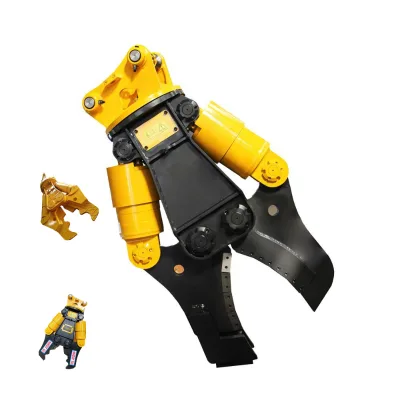
Comprehensive Sourcing Guide
Excavator Hydraulic Tree Shear Sourcing Guide
Procuring an Excavator Hydraulic Tree Shear requires a disciplined approach to matching machine compatibility with cutting performance. These attachments are designed to replace manual labor and traditional chainsaws, offering higher efficiency and safety in forestry, land clearing, and urban tree management. The core decision lies in selecting the correct model that aligns with your excavator’s tonnage, hydraulic flow, and pressure capabilities. Buyers must prioritize attachments that offer customizable features to suit specific operational environments, ensuring that the equipment integrates seamlessly with existing fleet machinery.
The market offers a variety of models, ranging from compact units suitable for small excavators to heavy-duty shears for large industrial machines. Understanding the observed product landscape is essential for setting realistic expectations regarding price, weight, and physical dimensions. Sourcing guides must reflect the diversity of available options, including different cutting diameters and grapple openings, to help buyers navigate the complex specifications without relying on unverified claims. This guide focuses on evidence-based verification steps to ensure a successful procurement outcome.
Product Scope and Observed Listing Signals
The current market for excavator hydraulic tree shears presents a wide range of models, primarily identified by series such as ELG and HAWK. Observed listings indicate a significant variation in specifications, with models like the ELG120, ELG180, ELG250, and ELG300 catering to different cutting capacities. Additionally, specialized models such as the Hawk200, Hawk300, and Hawk350 suggest a segmentation based on specific performance metrics or application types. Buyers should note that these model numbers often correlate directly with the maximum cutting diameter, which is a critical factor in determining the shear’s utility for specific tree sizes.
Price and minimum order quantity (MOQ) signals provide insight into the commercial structure of this market. The observed price range spans from approximately $170 to $7,850 USD, reflecting the disparity between smaller, lighter units and heavy-duty industrial shears. The MOQ typically ranges from 1 to 50 pieces, indicating that suppliers are flexible enough to accommodate single-unit purchases for individual contractors while also supporting bulk orders for larger enterprises. This variability allows buyers to scale their procurement based on immediate operational needs without being locked into large inventory commitments.
Technical Specifications to Verify
The most critical technical parameter is the compatibility with the host excavator, specifically regarding tonnage and hydraulic systems. Observed data suggests that these shears are suitable for excavators ranging from 1.5 to 50 tons, covering a broad spectrum of machine sizes. However, buyers must verify the specific working pressure requirements, which have been observed at 20MPa, 25MPa, and 32MPa. Matching the shear’s pressure requirement with the excavator’s hydraulic system is essential to prevent damage to the attachment or the host machine. Additionally, the recommended oil flow, typically observed between 40-60L/Min, must be confirmed to ensure adequate power delivery for efficient cutting.
Physical dimensions and weight are equally important for stability and operational efficiency. The maximum cutting diameter varies significantly across models, with observed ranges from 120mm up to 300mm, and some specialized units listed with a 200mm capacity. The grapple opening, which determines the size of the tree that can be gripped, ranges from 455mm to 890mm in observed listings. Weight is another key factor, with units ranging from 186kg to 700kg, impacting the excavator’s lifting capacity and stability. Buyers should also consider the cutting blade thickness, observed at 20mm, which contributes to the durability of the shear against abrasive materials like dirt and rocks.
Compliance and Safety Documentation
Certification is a primary indicator of manufacturing quality and regulatory compliance. Observed listings frequently cite CE certification, which is a mandatory requirement for machinery sold within the European Economic Area. This certification ensures that the product meets essential health, safety, and environmental protection requirements. Buyers should request valid CE certificates for the specific model they intend to purchase, verifying that the documentation is current and issued by a recognized notified body. This step is crucial for ensuring that the equipment can be legally operated and insured in regulated markets.
ISO standards further reinforce the quality management systems of the manufacturer. Some listings reference ISO9001 certification, indicating that the supplier adheres to international standards for quality management. This certification suggests a consistent approach to manufacturing processes, which can lead to more reliable product performance and fewer defects. Buyers should verify the scope of the ISO certification to ensure it covers the production of hydraulic attachments. Additionally, the condition of the product is typically listed as "New," but buyers should confirm that the documentation reflects the current state of the equipment upon delivery.
Cost Drivers and Commercial Terms
The cost of an Excavator Hydraulic Tree Shear is driven by several factors, including the maximum cutting diameter, weight, and material quality. Larger cutting capacities and heavier weights generally correlate with higher prices due to the increased amount of steel and hydraulic components required. The material composition, often specified as Q235 or Q345 steel, also influences cost, with higher-grade steels offering better durability and resistance to wear. Buyers should evaluate the total cost of ownership, considering not just the purchase price but also the potential maintenance costs associated with different material grades.
Packaging and shipping terms are significant components of the commercial agreement. Observed packaging methods include iron pallets, iron frames, wooden boxes, and wooden cases, each offering different levels of protection during transit. The choice of packaging can impact shipping costs and the risk of damage during logistics. Buyers should clarify who is responsible for packaging design and costs, especially for international shipments. Additionally, the origin of the product, often listed as Shandong, China, or generally China, may influence shipping lead times and freight costs, which should be factored into the final procurement budget.
Supplier Qualification and Quality Control
Verifying the supplier’s manufacturing capabilities is essential for ensuring product reliability. Buyers should inquire about the supplier’s production capacity and quality control processes, particularly for hydraulic systems which are prone to leaks if not assembled correctly. The customization options available, such as specific sizes or modifications, indicate the supplier’s flexibility and engineering support. Buyers should assess whether the supplier can provide technical drawings or specifications for custom orders to ensure that the final product meets their exact operational requirements.
Quality control should extend to the testing of hydraulic components and structural integrity. Buyers should request information on the testing procedures used for each unit, including pressure tests and load tests. The presence of certifications like CE and ISO9001 suggests that the supplier has established quality protocols, but buyers should verify the frequency and rigor of these tests. Additionally, the availability of spare parts and after-sales support is crucial for long-term maintenance. Buyers should confirm the supplier’s ability to provide replacement blades, seals, and other wear parts to minimize downtime during operations.
Long-Term Procurement Checks
Establishing a long-term relationship with a reliable supplier requires ongoing performance monitoring. Buyers should track the performance of the tree shear in real-world conditions, noting any issues with hydraulic efficiency, cutting performance, or structural wear. Regular maintenance checks should be conducted to ensure that the attachment remains in optimal condition. Buyers should also monitor the supplier’s responsiveness to any technical issues or warranty claims, as this is a key indicator of their commitment to customer satisfaction.
Continuous evaluation of market trends and new product offerings can help buyers stay ahead of technological advancements. The observed range of models, from ELG to HAWK series, suggests that suppliers are actively developing new products to meet diverse market needs. Buyers should maintain open communication with their suppliers to stay informed about new features, such as improved hydraulic designs or enhanced cutting mechanisms. This proactive approach ensures that the procurement strategy remains aligned with evolving operational requirements and industry standards.
FAQs
What excavator weights are compatible with these hydraulic tree shears?
These hydraulic tree shears are suitable for excavators ranging from 1.5 to 15 tons, with specific models supporting up to 50 tons. The ELG series is designed for 1.5-15 ton machines, while other variants accommodate larger 3-50 ton excavators. Selecting the correct model ensures optimal hydraulic flow and cutting performance for your specific machine capacity.
What is the maximum cutting diameter for the ELG series?
The ELG series offers maximum cutting diameters of 120 mm, 180 mm, 250 mm, and 300 mm depending on the specific model. The ELG120 cuts up to 120 mm, while the ELG300 handles logs up to 300 mm. This range allows users to choose the precise capacity needed for their forestry or demolition tasks.
Can these tree shears be customized for specific requirements?
Yes, customization is available for these hydraulic tree shears. Buyers can request specific sizes, body widths, and packing methods such as iron pallets or wooden boxes. The product origin is Shandong, China, and manufacturers support tailored specifications to meet unique operational needs or regulatory standards for international shipping.
What certifications do these hydraulic tree shears hold?
These hydraulic tree shears typically hold CE and ISO9001 certifications, ensuring compliance with international quality and safety standards. The condition is new, and the materials used are often Q235 or Q345 steel. These certifications verify the manufacturing quality and structural integrity of the equipment for global B2B sourcing.
What is the recommended hydraulic oil flow for operation?
The recommended oil flow for these hydraulic tree shears is 40-60 liters per minute. Operating pressures vary between 20 MPa, 25 MPa, and 32 MPa depending on the model. Ensuring your excavator provides this flow range is critical for achieving the maximum grapple opening and efficient cutting performance.
What is the minimum order quantity for these shears?
The minimum order quantity is typically one piece, allowing for flexible procurement. This low MOQ supports both individual buyers and larger distributors. The products are packed in iron frames, wooden boxes, or cases, and originate from Shandong, China, facilitating direct sourcing with minimal initial investment requirements.