Source Excavator Hydraulic Stone Crusher for Demolition Crushing Stone
Find 30 Excavator Hydraulic Stone Crusher units with hydraulic transmission and crawler walking modes. Compare models like HTJC-410 and PLE-20 for industrial waste and demolition applications with rated loads under 1t.
Key considerations
Products List


Hydraulic Concrete Crusher Pulverizer Excavator Pulverizer Hydraulic Crusher
$3000.00 - $40000.00
MOQ: 1 Pieces


Excavator Hydraulic Crusher for Demolition of High-Rise Reinforced Concrete Structures
$3000.00 - $40000.00
MOQ: 1 Pieces

Excavator Hydraulic Crusher Crushes Concrete and Cuts Through Rebar
$3000.00 - $50000.00
MOQ: 1 Pieces


Powerful Excavator Hydraulic Concrete Shear Crusher Machine Excavator Pulverizer
$3400.00 - $3500.00
MOQ: 1 Pieces



Comprehensive Sourcing Guide
Strategic Sourcing Guide for Excavator Hydraulic Stone Crushers
Understanding the Technical Architecture of Hydraulic Stone Crushers
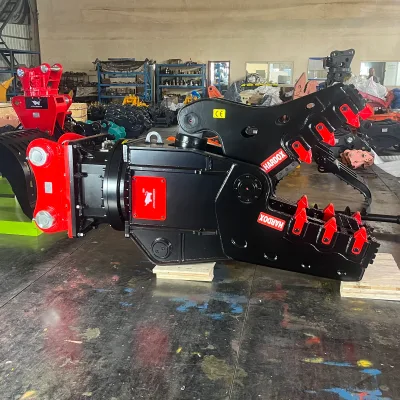
When evaluating an Excavator Hydraulic Stone Crusher, the primary objective is to match the attachment's mechanical capabilities with the operational demands of the host machine. The core functionality relies on a hydraulic system that converts the excavator's flow and pressure into crushing force. Based on observed market data, these units typically operate with a pressure rating of 24.5 MPa and a flow rate of 150 L/Min. These specific parameters are critical for ensuring the crusher delivers sufficient torque without overloading the excavator's hydraulic circuit. The crushing mechanism itself often utilizes a jaw opening size of 700*500 mm, which dictates the maximum feed size of the material. The resulting output, or crushing granularity, generally ranges from 15 mm to 120 mm, allowing for versatile processing of demolition debris, industrial waste, and quarry stone.
The transmission system for these attachments is predominantly hydraulic, ensuring smooth power delivery and variable speed control depending on the material density. The walking mode of the host excavator is frequently crawler-based, providing the necessary stability and traction required for uneven demolition sites. The rated load capacity of the excavator required to operate these units effectively is typically under 1 ton for the attachment itself, though the host machine often falls into the 20-ton class, as indicated by specific model data. The structural integrity of the crusher is maintained through the use of alloy steel, manufactured via a forging process that enhances durability against high-impact loads. This combination of materials and manufacturing techniques ensures the unit can withstand the rigorous conditions of industrial waste processing and stone crushing.
Compliance and Certification Verification Protocols
In the B2B procurement of heavy machinery attachments, verifying compliance with international standards is a non-negotiable step. Buyers must ensure that the supplier provides documentation confirming adherence to recognized safety and quality certifications. The market data indicates that credible suppliers often hold CE, RoHS, ISO, and TUV certifications. Specifically, ISO9001 certification is frequently cited as a baseline for quality management systems, ensuring that the manufacturing process meets consistent standards. The presence of CE marking is essential for products intended for the European market, indicating conformity with health, safety, and environmental protection standards.
When evaluating a potential supplier, procurement teams should request copies of these certificates and verify their validity with the issuing bodies. It is important to note that certification status can vary between different product lines or specific models, such as the HTJC-410 or PLE series. Buyers should not assume that all products from a supplier carry the same certifications. The verification process should include checking the scope of the certification to ensure it covers the specific manufacturing processes used, such as forging and assembly. Additionally, the condition of the product is a critical factor; all listed units are observed to be in "New" condition, which should be explicitly confirmed in the contract to avoid receiving refurbished or used equipment misrepresented as new.
Cost Drivers and Pricing Structure Analysis
The pricing of excavator hydraulic stone crushers is influenced by a complex array of factors, including material costs, manufacturing complexity, and customization requirements. The observed price range in the market spans from 1,100 USD to 100,000 USD. This wide variance reflects differences in model specifications, such as the PLE-180 versus the PLE-20, and the level of customization involved. The Minimum Order Quantity (MOQ) is generally flexible, ranging from 1 to 5 units, which allows for both single-unit procurement for specific projects and small-batch purchasing for fleet expansion.
Several key drivers contribute to the final cost. The use of alloy steel and the forging process add significant material and labor costs compared to cast alternatives. Customization options, such as color selection (Green, Red, or Customized) and specific model adaptations, can also influence the price. The packaging method, whether standard, wooden boxes, or export wooden boxes, adds to the logistics cost. Furthermore, the inclusion of value-added services like video inspection and after-warranty support (including video technical support and online support) can impact the overall pricing structure. Buyers should analyze the total cost of ownership, considering not just the purchase price but also the potential costs associated with maintenance, spare parts, and the availability of technical support.
Typical Applications and Operational Scenarios
Excavator hydraulic stone crushers are designed for a diverse range of industrial applications, primarily focusing on material reduction and processing. The primary usage scenarios include industrial waste management, demolition projects, and the crushing of stone in quarrying operations. The ability to handle materials with a crushing granularity range of 15-120 mm makes these units suitable for converting large debris into usable aggregate. The specific model data indicates applicability in building material stores and manufacturing factories, highlighting their role in the supply chain of construction materials.
The versatility of these crushers is further enhanced by their compatibility with various excavator sizes, with some models designed for 5-ton loaders and others for larger 20-ton excavators. The load and unload mode is typically front discharge, which streamlines the workflow on the job site by allowing the excavator to deposit crushed material directly into a truck or pile without repositioning. The core components, including bearings, motors, pumps, gears, and PLCs, are selected to ensure reliable performance in demanding environments. The weight of the unit, observed at 360 Kg for certain models, must be balanced against the excavator's lifting capacity to ensure safe operation. The application extends beyond simple crushing to include tasks like mowing grass in specific configurations, demonstrating the adaptability of the hydraulic system to different attachments.
Supplier Evaluation and Quality Assurance Standards
Selecting a reliable supplier is paramount to the success of any procurement project. Buyers should prioritize suppliers who demonstrate transparency in their manufacturing processes and provide comprehensive documentation. The origin of the products is a significant factor, with many units originating from Shandong, China, a region known for its heavy machinery manufacturing capabilities. When evaluating a supplier, buyers should look for evidence of a robust quality control system, including video inspection capabilities that allow for real-time verification of the product before shipment.
The manufacturing process, specifically the forging technique used for alloy steel components, is a key indicator of quality. Suppliers should be able to provide details on their quality control measures during the forging and assembly stages. The availability of OEM/ODM services suggests that the supplier has the flexibility to meet specific buyer requirements, which is crucial for customizing the crusher to fit unique operational needs. The standard package, often involving wooden boxes for export, indicates a commitment to protecting the product during transit. Buyers should also assess the supplier's after-sales support structure, including the availability of video technical support and online assistance, to ensure long-term operational reliability.
Long-Term Procurement Considerations and Maintenance
Sourcing an Excavator Hydraulic Stone Crusher is not merely a one-time transaction but an investment in long-term operational efficiency. Buyers must consider the availability of spare parts and the ease of maintenance when selecting a model. The core components, such as pumps, gears, and PLCs, should be sourced from reputable manufacturers to ensure longevity and reduce downtime. The warranty terms and after-warranty service options are critical factors in the decision-making process. Suppliers offering video technical support and online support provide a valuable resource for troubleshooting issues without the need for immediate on-site visits.
The customization options available, such as color and specific model adaptations, should be evaluated based on the long-term needs of the operation. The ability to customize the product standard, such as the 500kg standard observed in some listings, allows for tailoring the equipment to specific site requirements. Buyers should also consider the lead time and production capacity of the supplier, especially if the project requires a large number of units. The condition of the product, consistently listed as "New," should be maintained through regular maintenance schedules and proper storage. By focusing on these long-term considerations, buyers can ensure that their investment in excavator hydraulic stone crushers delivers sustained value and operational performance.
Comparative Analysis of Key Specifications
To facilitate informed decision-making, it is essential to compare the key specifications of different models available in the market. The following table highlights the differences in model numbers, load capacities, and specific operational parameters based on the observed data.
| Specification | Model HTJC-410 | Model PLE-20 | Model PLE-180 | Model PLE |
|---|---|---|---|---|
| Product Model | HTJC-410 | PLE-20 | PLE-180 | PLE |
| Rated Load | <1t | 20 (T) | N/A | N/A |
| Crushing Granularity | N/A | 15-120 mm | N/A | N/A |
| Jaw Opening Size | N/A | 700*500 mm | N/A | N/A |
| Max Thrust | N/A | 300kN | N/A | N/A |
| Piston Stroke | N/A | 90/220mm | N/A | N/A |
| Load Capacity | N/A | 0.65 Cub | N/A | N/A |
| Pressure | N/A | 24.5 MPa | N/A | N/A |
| Flow Rate | N/A | 150 L/Min | N/A | N/A |
| Weight | N/A | N/A | 360 Kg | N/A |
| Origin | Shandong China | China | Shandong | Shandong |
| Certification | CE, RoHS, ISO, TUV | CE, ISO9001 | CE | CE |
This comparison underscores the importance of matching specific model capabilities to project requirements. The PLE-20 model, for instance, offers detailed specifications regarding pressure and flow, making it suitable for high-intensity applications. In contrast, the PLE-180 model highlights weight and thrust capabilities, which may be more relevant for specific material handling tasks. Buyers should carefully review these specifications to ensure the selected model aligns with the operational demands of their specific site.
FAQs
What certifications do excavator hydraulic stone crushers typically have?
These units commonly hold CE, RoHS, ISO, and TUV certifications. Specific models may also feature ISO9001 quality management standards. Buyers should verify the exact certification scope for each product line before purchase.
How is the crushing granularity range defined for these attachments?
The crushing granularity typically ranges from 15 mm to 120 mm. This range allows the machine to process industrial waste, demolition debris, and quarry stone effectively. The jaw opening size often measures 700 by 500 mm to accommodate feed material.
Which hydraulic parameters are standard for these excavator attachments?
Standard operating pressure is 24.5 MPa with a flow rate of 150 L/Min. These parameters ensure the crusher delivers sufficient torque without overloading the host excavator. The transmission system is predominantly hydraulic for smooth power delivery.
Can buyers request customization for color and packaging?
Yes, customization is available for color options like green, red, or fully customized shades. Packaging is typically provided in wooden boxes or export wooden boxes. OEM and ODM services are also acceptable for tailored requirements.
What is the typical origin and condition of these crushers?
Most units originate from Shandong, China, and are listed in new condition. The manufacturing process involves forging alloy steel to ensure durability. Buyers should confirm the new condition status explicitly in the contract to avoid receiving refurbished equipment.
How does the rated load capacity affect excavator selection?
The attachment rated load is often under 1 ton, while the host excavator may be a 20-ton class machine. Some models are compatible with 5-ton loaders. Matching the unit weight, such as 360 kg, to the excavator lifting capacity is essential for safety.