Source Expandable Modular Shipping Container for Dormitories, Villas, Offices
Compare 30 Expandable Modular Shipping Container options from verified Chinese suppliers. These units feature steel frames, EPS or rock wool insulation, and fast installation for dormitories, villas, and temporary offices; compare the available evidence and request quotations based on your requirements.
Updated
Key considerations
Products List


Sea Freight Compact Expandable Custom Layout Modular Container Building
$940.00 - $1200.00
MOQ: 1 Pieces


Expandable Container House Modular Durable Transportable Low Cost Price
$35.00 - $80.00
MOQ: 100 Square Meters


House Living Expandable Container Home Modular Shipping Container House
$3450.00 - $4850.00
MOQ: 1 Pieces

China Modular Homes Houses Expandable Container Shipping Container House
$3450.00 - $4850.00
MOQ: 1 Pieces


$800.00 - $1000.00
MOQ: 1 Pieces

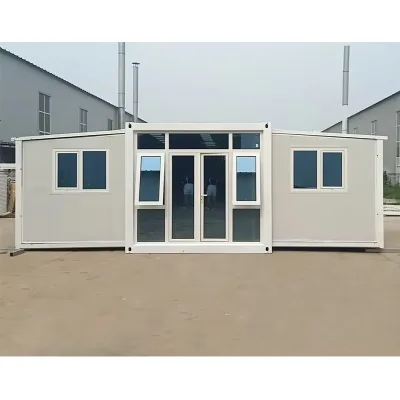
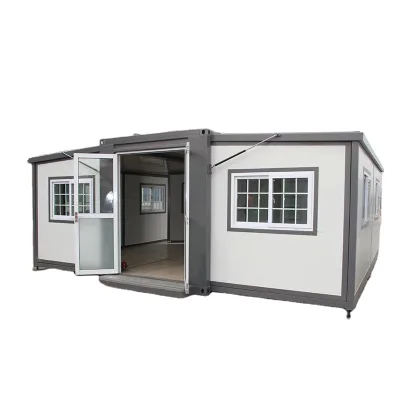
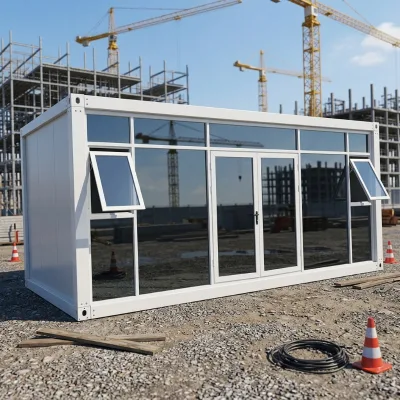



Portable Modular Shipping Container Home
$18500.00 - $20000.00
MOQ: 1 Sets
Guangdong Wellcamp Steel Structure & Modular Housing Co., Ltd.

Mobile and Portable Shipping Container House
$18500.00 - $20000.00
MOQ: 1 Sets
Guangdong Wellcamp Steel Structure & Modular Housing Co., Ltd.


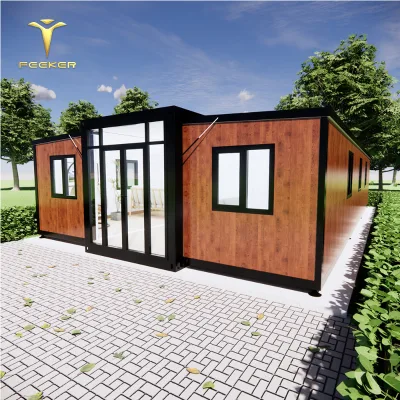
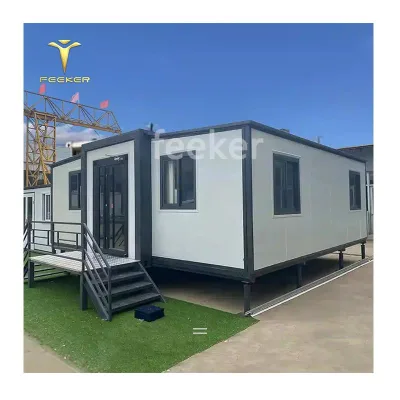
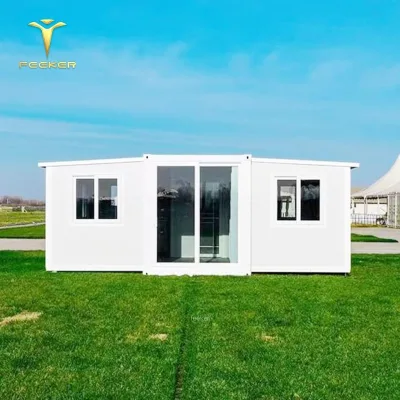


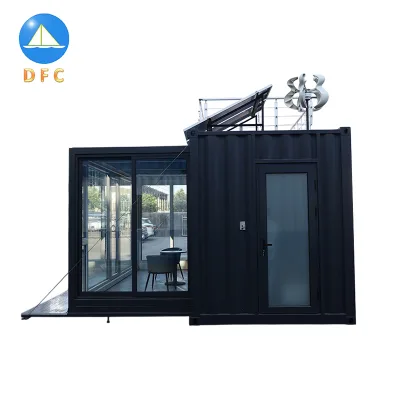
Comprehensive Sourcing Guide
Expandable Modular Shipping Container Sourcing Guide
Procurement teams evaluating expandable modular shipping containers must first distinguish between flat-pack and fully expandable designs, as the supplied data indicates both variants exist in the market. The observed product range includes models with specific dimensions such as 605824382591mm and standard 20FT/30FT/40FT configurations, suggesting that buyers should verify the exact footprint required for their site logistics. Understanding whether the unit arrives as a flat pack or a pre-expanded structure is critical for determining on-site assembly requirements and storage needs before finalizing the order.
Buyers should also note the diverse application contexts listed, which range from dormitories and temporary offices to villas and workshop spaces. This versatility implies that the structural integrity and interior finishes must be tailored to the specific use case, whether it involves high-traffic commercial use or residential comfort. The presence of customization options for decoration, such as luxury finishes, and material choices like sandwich panels or steel structures, means that the base model may need significant modification to meet specific project specifications and aesthetic requirements.
Product Scope and Observed Listing Signals
The observed listing signals reveal a wide price range from 1 to 20,000 USD, which likely correlates with the complexity of the expandable mechanism, the quality of insulation materials, and the extent of interior finishing. Buyers must scrutinize whether the quoted price includes all necessary components for installation, such as electrical systems featuring lights, switches, sockets, and distribution boxes, or if these are sold as add-ons. The minimum order quantity (MOQ) ranges from 1 to 100 units, indicating flexibility for both single-unit pilot projects and large-scale housing developments, but this variability requires careful negotiation to secure favorable terms.
Insulation options are a key differentiator in the observed listings, with EPS, PU, and Rock Wool being available choices. Each material offers distinct thermal and acoustic properties, so buyers should align their selection with the local climate and energy efficiency goals of the project. Additionally, the frame construction is described as either steel structure or galvanized steel structure, which impacts durability and corrosion resistance. Verifying the specific gauge and treatment of the steel is essential to ensure the container can withstand the stated wind load of 220km/H and seismic grade 8 requirements.
Technical Specifications to Verify
When verifying technical specifications, the wall panel thickness is a critical parameter, with observed data indicating a 75mm thickness for some models. Buyers must confirm if this thickness applies to all expandable units or if it varies by model, as thicker panels generally provide better thermal insulation and structural rigidity. The flooring options, including MGO and SPC floors, also require verification to ensure they meet the load-bearing requirements and aesthetic standards of the intended application, such as office spaces or residential villas.
The connection method is specified as "all by bolt," which suggests a modular assembly process that facilitates easy installation and potential disassembly. Buyers should verify the quality and type of bolts used, as well as the precision of the pre-drilled holes, to ensure a secure and weather-tight seal when units are combined. Furthermore, the lift span is noted as 30 years, which is a significant durability claim that should be backed by material test reports. Understanding the maintenance requirements for the expandable hinges and locking mechanisms is also vital for long-term operational reliability.
Compliance and Safety Documentation
Compliance with international standards is a primary concern, with CE and ISO certifications frequently mentioned in the product data. Buyers must request valid certification documents to verify that the manufacturing process and final product meet European and international safety and quality benchmarks. The presence of ISO9001:2008 and other standards like SGS, GB, and BV indicates a structured quality management system, but buyers should confirm the current validity of these certificates and ensure they cover the specific model being purchased.
Safety features such as earthquake resistance and wind load capacity are highlighted as key attributes, with specific grades like Grade 8 seismic load and 220km/H wind resistance cited. Procurement teams should ask for engineering calculations or test reports that substantiate these claims, particularly for projects in seismically active or high-wind regions. Additionally, the waterproof and leak-proof features must be verified through material specifications and assembly instructions to prevent moisture damage, which can compromise the integrity of the insulation and interior finishes over time.
Cost Drivers and Commercial Terms
Lead time is a significant commercial term, with observed data indicating a three-week lead time for production. Buyers should clarify whether this timeframe applies to standard models or if customized orders, such as those requiring specific colors or interior layouts, will extend the delivery schedule. The packing configuration, which can be 6/10 units per 40'HQ or 4 units per 20' SOC, directly impacts shipping costs and logistics planning. Understanding the volumetric efficiency of the packing is essential for optimizing freight expenses, especially for large orders.
Warranty terms are specified as two years, which is a standard baseline for modular structures. Buyers should negotiate the scope of this warranty to cover both structural components and interior fixtures, such as windows and electrical systems. The fast installation feature is a key selling point, but buyers must verify if the supplier provides on-site installation support or detailed instructional manuals. Clarifying the responsibilities for site preparation and foundation work is also crucial to avoid unexpected costs and delays during the deployment phase.
Supplier Qualification and Quality Control
Supplier qualification involves assessing the production capacity and geographic location of the manufacturer. Observed data points to origins in Shaoxing, Zhejiang, and Binzhou, Shandong, with a stated capacity of 2000 units per month. Buyers should verify if this capacity is consistent and if the supplier has the infrastructure to handle large orders without compromising quality. The ability to provide customized solutions, such as specific colors or interior designs, indicates a flexible manufacturing process that can adapt to diverse project requirements.
Quality control measures should be rigorously evaluated, including in-process inspections and final product testing. Buyers should request a quality assurance plan that details how critical components, such as the galvanized steel frame and sandwich panels, are inspected before shipment. The use of double tempered glass for windows and specific insulation materials like EPS or Rock Wool should be verified against the agreed specifications. Establishing a clear protocol for addressing defects or discrepancies upon delivery is essential to mitigate risks associated with international procurement.
Long-Term Procurement Checks
Long-term procurement success depends on the durability and maintainability of the expandable modular containers. The 30-year lift span claim suggests a robust design, but buyers should inquire about the expected maintenance schedule for the expandable mechanisms and seals. Regular inspection of the bolt connections and structural joints is necessary to ensure ongoing stability, particularly in environments with extreme weather conditions. Understanding the availability of spare parts and replacement components is crucial for minimizing downtime and extending the useful life of the units.
Sustainability and eco-friendliness are increasingly important factors in procurement decisions. The observed features include eco-friendliness and easily movable characteristics, which align with sustainable building practices. Buyers should verify the recyclability of the materials used, such as the steel structure and sandwich panels, and assess the energy efficiency provided by the insulation options. Choosing suppliers who adhere to environmental standards and offer sustainable product lifecycles can enhance the overall value and compliance of the procurement project.
FAQs
What insulation materials are available for Expandable Modular Shipping Container units?
Insulation options include EPS, PU, and Rock Wool sandwich panels. These materials provide thermal insulation and moisture proofing. The wall panel thickness is typically 75mm. This ensures safe and comfortable indoor environments for various applications like dormitories or temporary offices.
Can Expandable Modular Shipping Container houses be customized for specific projects?
Yes, customization is available for these units. Buyers can select from various colors such as white, gray, blue, red, or black. Flooring options include MGO or Spc floor. The design style is modern, and the structure allows for flexible combination to meet specific project requirements.
How fast can Expandable Modular Shipping Container units be installed on site?
Installation on site is fast and easy. The units feature a steel structure frame with all connections made by bolt. This design supports standard installation procedures. The lead time for production is approximately three weeks, ensuring quick deployment for temporary offices, workshops, or villa projects.
What certifications do Expandable Modular Shipping Container manufacturers typically hold?
Manufacturers typically hold CE and ISO certifications. Some also comply with SGS, GB, and BV standards. The production standard often references ISO9001: 2008. These certifications ensure quality and safety for the steel structure and sandwich panel components used in the expandable container houses.
What is the typical packaging method for expandable modular shipping containers?
Packaging methods vary by model type. Some units use a flat pack configuration, while others use a standard package. A common configuration is six or ten units per 40'HQ container, or four units per 20' SOC. This efficient packing supports global logistics and reduces shipping costs.
Which specifications define the size of Expandable Modular Shipping Container houses?
Sizes include 20FT, 30FT, and 40FT customized options. Specific dimensions can reach 6058*2438*2591mm. The area ranges from 36.54 to 74.34 square meters. These specifications allow for versatile applications in apartments, resorts, and workshops, providing ample space for modern living or working.