Source Modern Powder Coated Aluminum Extrusion for Wall, Ceiling, Cabinet
Find 30 listings for Modern Powder Coated Aluminum Extrusion profiles suitable for wall, ceiling, and cabinet applications. Compare specifications including 6000 series grades, custom dimensions, and CE certification to identify the right supplier for your project needs; compare the available evidence and request quotations based on your requirements.
Updated
Key considerations
Products List
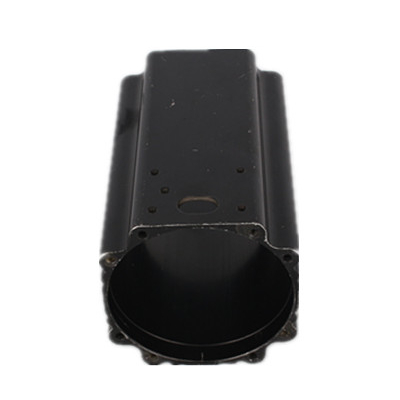
Good Price Black Powder Coated Aluminum Profile 6000 Series Aluminium Extrusion
$2.28 - $2.47
MOQ: 100 kilograms
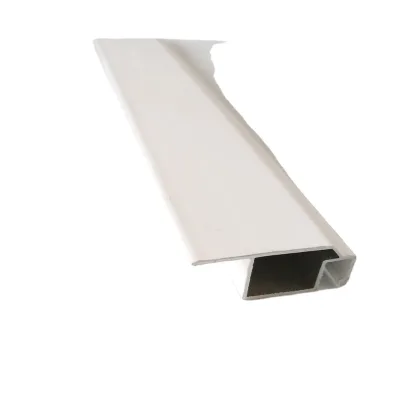


Advanced Aluminum Extrusion for Reliable Industrial Guardrail Solutions
$3600.00 - $4000.00
MOQ: 10 Tons

Robust Lightweight Aluminum Extrusion for Versatile Construction Needs
$3600.00 - $4000.00
MOQ: 10 Tons


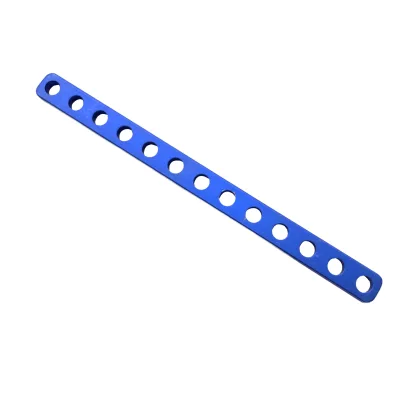
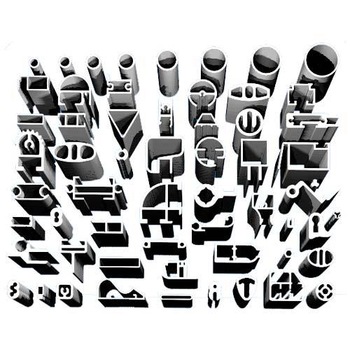
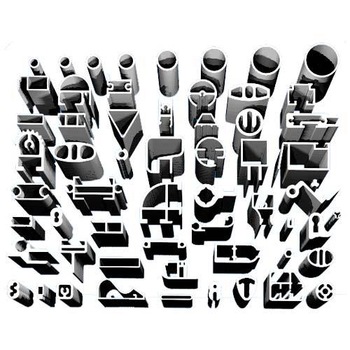

New Design Powder Coating Aluminum Frame Traditional Windows Aluminium Extrusions
$3000.00 - $3500.00
MOQ: 500 kg


Hot Sales Sections Aluminum Profiles Custom Extrusions Powder Coating
$3500.00 - $4000.00
MOQ: 100 Tons


High Quality Powder Coating Black Aluminum Profiles Extrusions for Door
$3500.00 - $4000.00
MOQ: 100 Tons
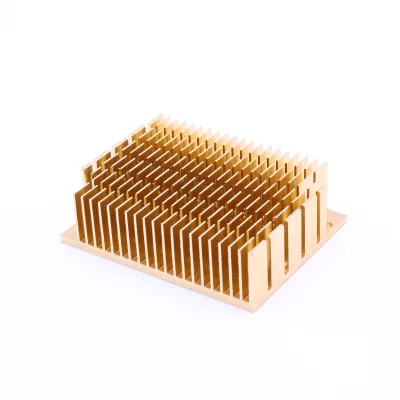
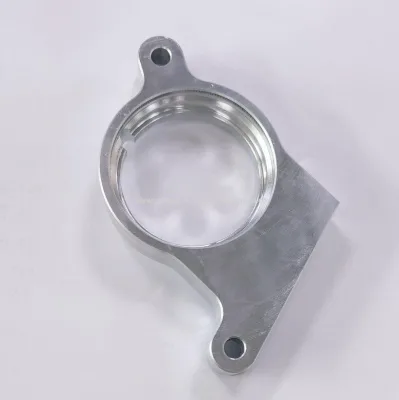
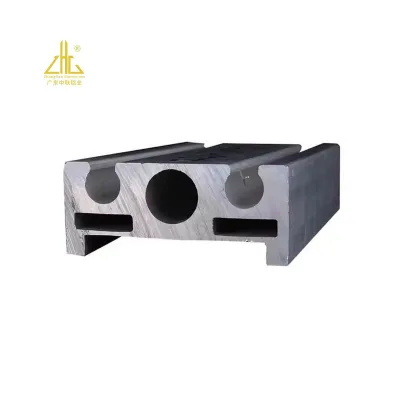
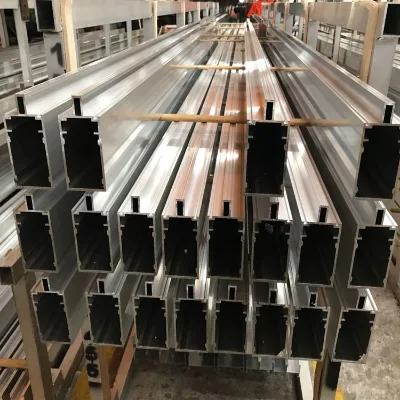
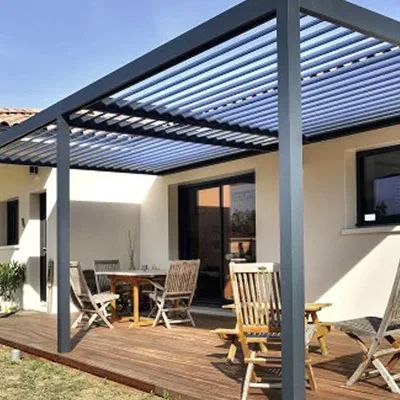
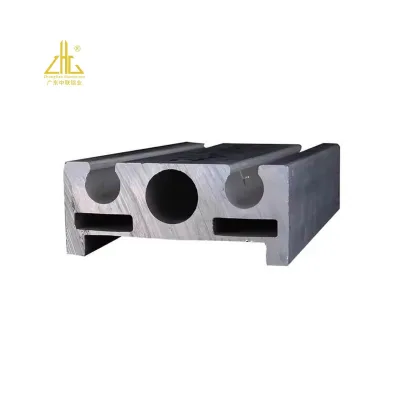
Professional 6061 6066 Brushed Aluminum Extrusions for Laser Equipment Lightweight Anti-Corrosion
$2.3831 - $2.9022
MOQ: 500 kilograms
Comprehensive Sourcing Guide
Modern Powder Coated Aluminum Extrusion Sourcing Guide
Buyers evaluating Modern Powder Coated Aluminum Extrusion must first distinguish between general structural profiles and specialized LED lighting channels, as the supplied data reveals distinct product families. One segment features 6000 series alloys with black powder coating specifically designed for decoration, heat sinks, and door and window applications, while another focuses on LED profiles with precise dimensions like 17x7mm and surface or recessed mounting options. Understanding this divergence is critical because the surface treatment and dimensional tolerances required for architectural cladding differ significantly from the optical and thermal requirements of lighting fixtures.
Procurement teams should also note that while some listings specify a single material like 6063-T5, others indicate a composite of aluminum and steel, which fundamentally alters the mechanical properties and intended use cases. The observed product names range from generic "aluminium profile" to specific "LED Aluminium Profile," suggesting that a single supplier may offer a broad catalog rather than a specialized niche. Buyers must verify the exact alloy grade and surface finish for their specific project to ensure compatibility with the intended environment, whether it is for wall installation, furniture, or high-pressure molding applications.
Product Scope and Observed Listing Signals
The market signals indicate a wide variance in product dimensions and customization capabilities, with lengths and sizes often listed as customizable to meet specific project needs. While some entries provide fixed specifications such as 17x7mm for LED channels, others emphasize the ability to punch, cut, and tailor profiles to exact requirements, including the option for hollow molds or die casting. This flexibility allows buyers to source standard stock items or engage in bespoke manufacturing, but it requires clear communication of technical drawings to avoid mismatches between the ordered profile and the final assembly.
Color and finish options are another key signal, with listings explicitly mentioning silver, white, and black powder coatings alongside customized surface treatments. The packaging details vary from EP paper and shrink wrap to wooden cartons, reflecting the need to protect different profile geometries during transit from the port of dispatch. Buyers should scrutinize these packaging standards to ensure that delicate extrusions, particularly those with specific surface treatments, arrive without damage, as the choice between blister packs for small LED units and steel boxes for larger industrial profiles impacts logistics and handling costs.
Technical Specifications to Verify
Verification of the alloy grade is paramount, as the supplied facts highlight both 6000 series and 6063-T5 materials, each offering distinct mechanical properties for structural versus decorative applications. Buyers must confirm the temper range, typically observed as T3-T8, to ensure the extrusion meets the required strength and formability for the specific load-bearing or aesthetic demands of the project. Additionally, the tolerance of ±1% is a critical metric that must be validated against the design specifications, as deviations in this range can affect the fit and finish of assembled components in door, window, or furniture applications.
Surface treatment and dimensional accuracy are equally vital, with options ranging from standard powder coating to specialized treatments for heat dissipation or aesthetic enhancement. The thickness of the material, often listed as 0.8mm or customizable, directly influences the durability and rigidity of the final product, particularly for LED profiles that require precise mounting. Buyers should also verify the extrusion method, such as hollow molds or die casting, to ensure the internal geometry supports the intended function, whether it is for pipe forming, bar shaping, or housing electronic components.
Compliance and Safety Documentation
Compliance verification should begin with the presence of CE certification, which is explicitly noted in the supplied product data for several aluminum extrusion listings. This certification is a baseline requirement for many international markets, particularly in Europe, and indicates that the product meets specific safety, health, and environmental protection standards. Buyers must request the official CE documentation to confirm that the specific batch or model number being sourced has undergone the necessary conformity assessments, rather than relying solely on the general claim found in the product listing.
Beyond CE, the inclusion of ROHS standards in some product descriptions suggests adherence to restrictions on hazardous substances, which is crucial for applications involving electronics or consumer goods. Buyers should ensure that the supplier can provide test reports or certificates of compliance for both CE and ROHS, as these documents validate that the powder coating and aluminum alloy do not contain prohibited levels of lead, mercury, or other restricted materials. This due diligence is essential for maintaining regulatory compliance in the final assembly, especially for products destined for household appliances or commercial lighting systems.
Cost Drivers and Commercial Terms
Cost structures are heavily influenced by the degree of customization required, as the data shows a wide range of options from standard sizes to fully tailored lengths and surface treatments. The supply ability of 200,000 kilograms per month suggests that large-volume orders may benefit from economies of scale, but the lead time of 7-15 days indicates that rush orders or highly complex customizations could impact delivery schedules and pricing. Buyers should negotiate based on the specific complexity of the mold, such as hollow or die-cast options, as these factors significantly affect the unit cost and the overall commercial terms of the agreement.
Minimum Order Quantities (MOQ) and selling units also play a significant role in the total cost of ownership, with observed ranges spanning from single items to 500 units. The pricing variability, ranging from $0.58 to $4000, reflects the difference between small LED accessories and large industrial extrusion profiles, requiring buyers to align their order volume with their budget constraints. It is advisable to clarify whether the quoted price includes packaging, such as blister packs or steel boxes, and to understand the port of dispatch terms, as shipping costs from Shanghai seaport can vary based on the weight and volume of the shipment.
Supplier Qualification and Quality Control
Supplier qualification should focus on the manufacturing capabilities indicated by the processing services, such as punching and cutting, which are essential for preparing extrusions for final assembly. The presence of both metal and non-metal molds, including inorganic and die-casting options, demonstrates a supplier's versatility, but buyers must verify that the specific mold type matches the required profile geometry and production volume. Ensuring that the supplier has a proven track record in producing 6000 series alloys with the specified temper and tolerance is critical for maintaining consistent quality across large orders.
Quality control processes must be validated through the supplier's ability to provide detailed packaging and handling protocols, as the data lists various methods from EP paper to wooden cartons. Buyers should request a quality assurance plan that outlines how the ±1% tolerance and surface finish are maintained during production and shipping. Additionally, verifying the supplier's location in Jiangsu, China, and their experience with international logistics can help mitigate risks related to supply chain disruptions, ensuring that the final product arrives on time and in the condition required for installation.
Long-Term Procurement Checks
Long-term procurement strategies should include regular audits of the supplier's ability to maintain consistent alloy grades and surface treatments over time. Since the product data indicates a mix of aluminum and steel materials, buyers must ensure that the supplier can consistently source high-quality raw materials to prevent variations in the final product's performance and appearance. Establishing a clear communication channel for updates on material availability and production capacity is essential for managing the supply chain effectively, especially given the high monthly supply ability of 200,000 kilograms.
Buyers should also monitor the supplier's adherence to evolving standards and certifications, such as CE and ROHS, to ensure ongoing compliance with international regulations. Regular reviews of the supplier's lead times and delivery performance are necessary to maintain operational efficiency, as the 7-15 day delivery window may fluctuate based on order complexity and raw material availability. By maintaining a proactive relationship with the supplier, buyers can secure a reliable source of modern powder-coated aluminum extrusions that meet their specific technical and commercial requirements for years to come.
FAQs
What certifications do the aluminum profiles have?
The aluminum profiles hold CE certification for compliance. This ensures the products meet essential safety and quality requirements for the European market. Buyers can rely on this standard for regulatory adherence in their projects. The certification applies to the extrusion and surface treatment processes used in manufacturing.
Can the aluminum profiles be customized for specific projects?
Yes, customization is available for various product attributes. Buyers can request customized lengths, dimensions, and surface treatments to suit specific design needs. The supplier offers tailored solutions for different applications, ensuring the profiles fit precise project requirements without compromising structural integrity or aesthetic goals.
What is the typical lead time for delivery?
The typical delivery time ranges from 7 to 15 days. This timeframe allows for efficient processing and shipping of the aluminum profiles. Buyers should consider this window when planning their project schedules. The lead time ensures timely availability while maintaining quality control standards throughout the manufacturing process.
What is the minimum order quantity for these profiles?
The minimum order quantity ranges from 1 to 500 units. This flexible MOQ accommodates both small-scale and large-volume procurement needs. Buyers can order single items or bulk quantities depending on their project scale. The supplier supports diverse purchasing requirements to facilitate efficient sourcing for various applications.
Where are these aluminum profiles manufactured?
These aluminum profiles are manufactured in Jiangsu, China. The production facility leverages local expertise in aluminum extrusion and processing. Buyers can trace the origin to ensure supply chain transparency. The location supports efficient logistics and shipping through nearby ports like Shanghai for global distribution.
What packaging methods are used for the profiles?
Profiles are packaged using EP paper inside each piece, followed by shrink paper. Alternative options include carton paper with pallets or wooden cartons. These methods protect the surfaces during transit. The packaging ensures the aluminum profiles arrive in pristine condition, ready for immediate installation or further processing by the buyer.