Source Fireproof Hook And Loop Hair Rollers for Salon, Home, Travel
Compare 30 listings of Fireproof Hook And Loop Hair Rollers designed for salon, home, and travel styling. Buyers can evaluate materials like nylon and plastic, sizes, and customization options from verified suppliers in China; compare the available evidence and request quotations based on your requirements.
Key considerations
Products List
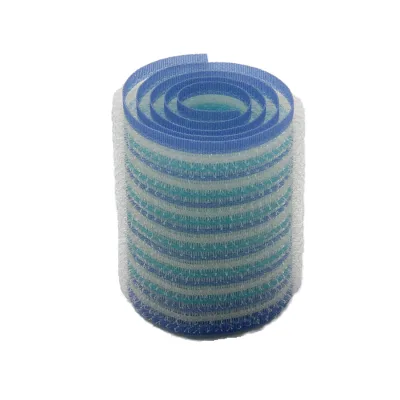


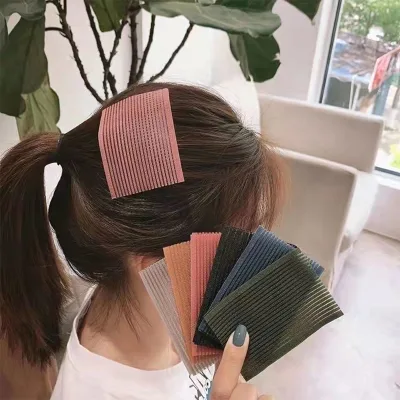
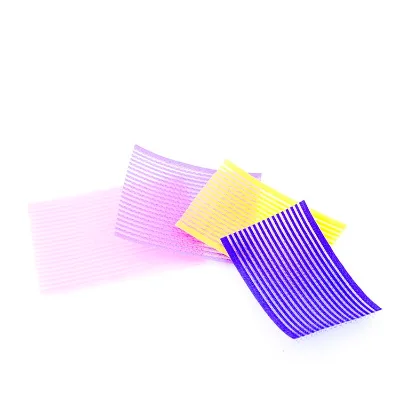
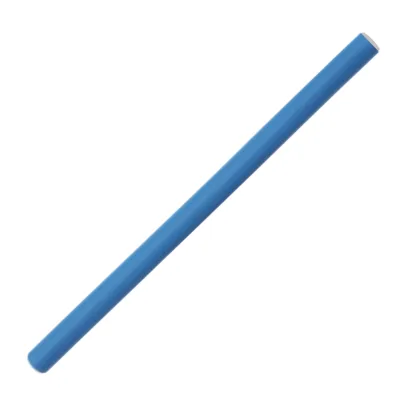


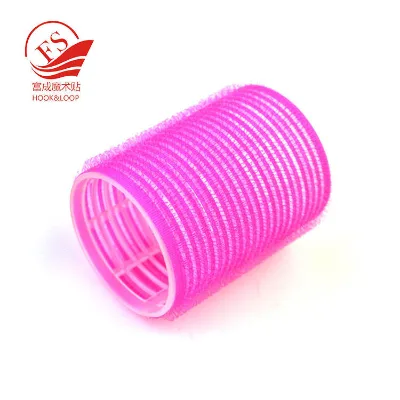
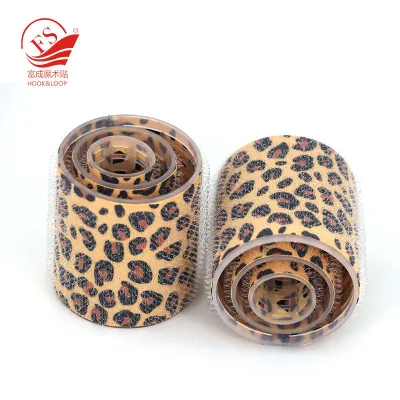
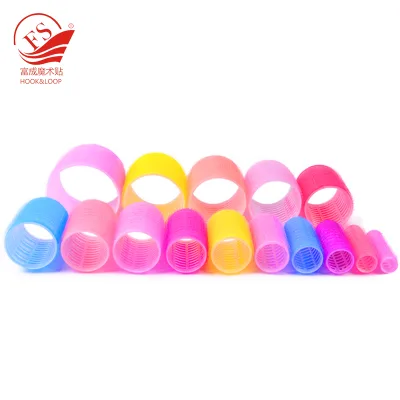
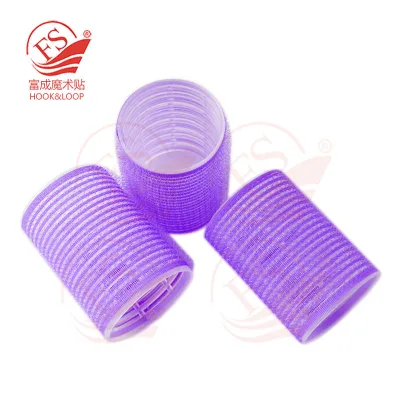
Comprehensive Sourcing Guide
Fireproof Hook And Loop Hair Rollers Sourcing Guide
Procuring hair styling tools that balance aesthetic appeal with functional durability requires a clear understanding of material properties and manufacturing capabilities. While the term "fireproof" suggests extreme heat resistance, the supplied product data indicates that these items are primarily constructed from nylon and plastic materials designed for high-temperature environments rather than certified fire-retardant textiles. Buyers must distinguish between marketing terminology and actual material performance, ensuring that the selected rollers can withstand the heat of styling tools without melting or deforming. This distinction is critical for maintaining product integrity and customer satisfaction in the competitive beauty accessory market.
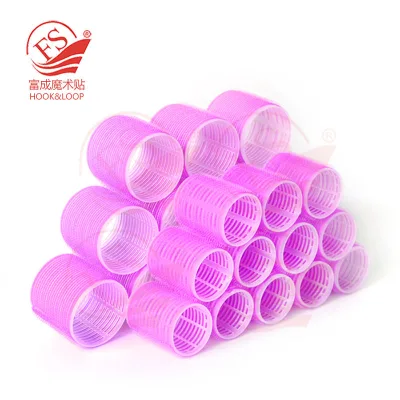
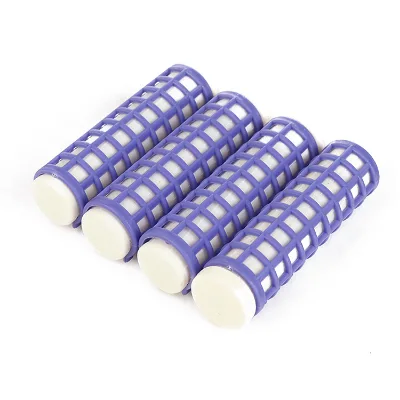
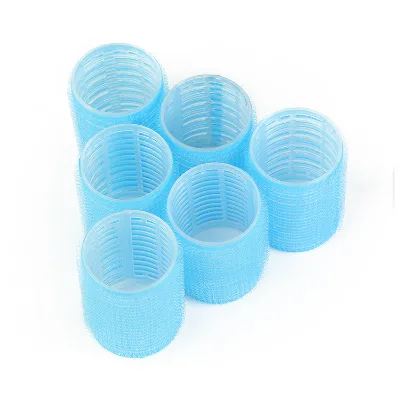
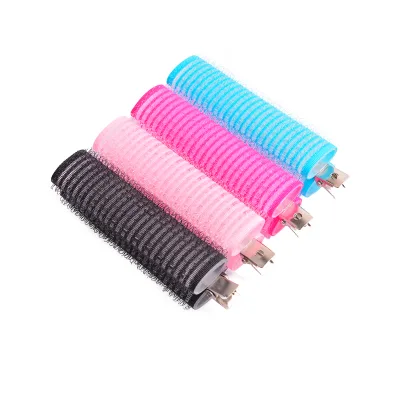
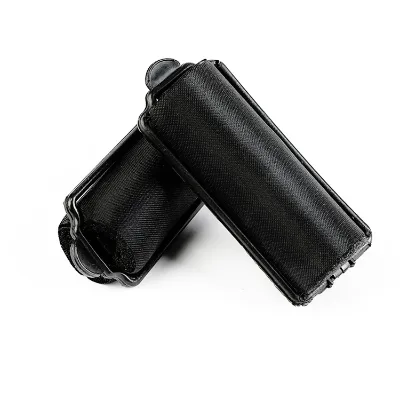
The observed market signals reveal a diverse range of products, including magic plastic hook and loop rollers, foam sponge rollers, and single-hook side styling tools. These items are typically made from nylon or plastic and are available in customizable sizes, such as 8mm or specific dimensions like 40x63mm. The presence of stock items and available samples suggests that suppliers are ready for rapid deployment, yet the variability in materials—from 100% nylon to mixed plastic compositions—means that buyers must verify the specific composition of each SKU. Understanding these material differences is essential for selecting the right product for specific hair types and styling needs.
Product Scope and Observed Listing Signals
The current market landscape for hair rollers includes a wide variety of styles, from traditional hook-and-loop designs to foam sponge and rod-type rollers. Listings indicate that products are often categorized by their usage, such as hair curling, hair care, or daily decorative purposes, and are suitable for various occasions including travel, salon use, and home styling. The observed price range of $0.02 to $3.89 USD reflects the diversity in quality and complexity, with simpler plastic rollers at the lower end and more specialized styling tools commanding higher prices. This broad spectrum allows buyers to target different market segments, from budget-conscious consumers to premium salon professionals.
Key attributes observed in listings include customization options for color, size, and packaging, which are crucial for private label branding. Products are frequently described as adjustable, non-spring, and featuring high-temperature resistance, although the latter should be interpreted as heat tolerance rather than fireproofing. The availability of samples and online service support indicates a supplier base that is responsive to buyer inquiries and willing to accommodate small trial orders. Buyers should leverage these signals to identify suppliers who offer flexible MOQs and robust customer support, ensuring a smoother procurement process from initial inquiry to final delivery.
Technical Specifications to Verify
When evaluating hair rollers, buyers must closely examine the material composition and dimensional specifications to ensure compatibility with their product requirements. The supplied data highlights materials such as nylon and plastic, with specific models like DSX-025 and MK1121 offering different sizes ranging from 1.5cm to 20cm. It is essential to verify the exact dimensions, such as 36x63mm or 20x63mm, to ensure they meet the desired curling effect and user comfort. Additionally, the type of roller, whether it is an ellipse, rod, or hook style, significantly impacts its functionality and should be matched to the intended styling outcome.
Packaging and standardization details are also critical technical aspects that influence logistics and retail presentation. Products are often packed in OPP bags, cardboard boxes, or paper cartons, with specific quantities per unit, such as 12 pieces per bag or 2000 pieces per box. Buyers should confirm these packaging standards to optimize shipping efficiency and minimize damage during transit. Furthermore, verifying the origin of the product, typically Guangdong, China, can provide insights into the manufacturing ecosystem and potential supply chain dynamics. Ensuring that all technical specifications align with buyer expectations is vital for maintaining product quality and operational efficiency.
Compliance and Safety Documentation
Safety and compliance are paramount when sourcing hair styling tools, especially those marketed with heat-resistant properties. While the term "fireproof" is used, buyers should request specific test reports to verify the material's actual heat tolerance and flammability characteristics. Standards such as UL 94 or UL 2043 may be relevant for assessing flame retardancy, although these are not explicitly confirmed in the supplied data. Buyers must ensure that suppliers can provide documentation proving that the nylon or plastic materials used meet international safety standards for consumer products, particularly those that come into contact with heat and hair.
In addition to material safety, buyers should verify that the products comply with relevant chemical regulations, such as REACH or CPSIA, depending on the target market. This is particularly important for plastic components, which may contain additives that need to be regulated. Suppliers should be able to provide material safety data sheets (MSDS) and certificates of conformity to demonstrate compliance. By prioritizing suppliers with robust compliance documentation, buyers can mitigate risks associated with product recalls, legal liabilities, and brand reputation damage. This due diligence ensures that the hair rollers are safe for end-users and meet all regulatory requirements in their respective markets.
Cost Drivers and Commercial Terms
The cost of hair rollers is influenced by several factors, including material quality, customization requirements, and order volume. The observed MOQ range of 1 to 10,000 pieces offers flexibility for buyers of different sizes, from small startups to large retailers. Customization options, such as specific colors, sizes, and packaging, can increase production costs, so buyers should carefully evaluate the necessity of these features against their budget constraints. Additionally, the availability of stock items may offer cost savings for buyers who do not require extensive customization, allowing for quicker turnaround times and lower minimum order quantities.
Commercial terms, including payment methods, shipping arrangements, and lead times, also play a significant role in the total cost of ownership. Buyers should negotiate clear terms regarding sample costs, which are often available for evaluation, and bulk pricing discounts. It is advisable to request detailed quotations that break down costs for materials, labor, packaging, and shipping to ensure transparency. Understanding these cost drivers enables buyers to make informed decisions that balance quality, customization, and affordability, ultimately maximizing the return on investment for their hair roller procurement.
Supplier Qualification and Quality Control
Selecting a reliable supplier is crucial for ensuring consistent product quality and timely delivery. Buyers should conduct thorough due diligence to verify the supplier's manufacturing capabilities, quality control processes, and track record in the hair accessory industry. This includes assessing their production facilities, equipment, and workforce expertise, as well as reviewing their history of fulfilling orders for similar products. Suppliers with a strong reputation for quality and reliability are more likely to deliver products that meet buyer specifications and expectations, reducing the risk of defects and delays.
Quality control measures should be implemented throughout the production process, from raw material inspection to final product testing. Buyers should request samples for evaluation and consider third-party inspection services to verify product quality before shipment. Key quality indicators include the durability of the hook-and-loop mechanism, the consistency of the roller dimensions, and the overall finish of the product. By establishing clear quality standards and monitoring supplier performance, buyers can ensure that the hair rollers they procure meet the highest standards of quality and customer satisfaction.
Long-Term Procurement Checks
Sustaining a successful procurement strategy for hair rollers requires ongoing monitoring and evaluation of supplier performance and market trends. Buyers should regularly review supplier metrics, such as on-time delivery rates, product defect rates, and responsiveness to issues, to identify areas for improvement. Building strong relationships with suppliers through open communication and collaborative problem-solving can enhance supply chain resilience and foster long-term partnerships. Additionally, staying informed about industry trends, such as new styling techniques or material innovations, can help buyers anticipate changes in demand and adjust their procurement strategies accordingly.
Continuous improvement initiatives, such as regular audits and feedback loops, are essential for maintaining high standards of quality and service. Buyers should solicit feedback from end-users to understand product performance and identify potential areas for enhancement. This customer-centric approach ensures that the hair rollers meet evolving consumer preferences and expectations. By implementing robust long-term procurement checks, buyers can optimize their supply chain, reduce risks, and drive sustainable growth in the competitive hair accessory market.
FAQs
What materials are used for these hair rollers?
The hair rollers are manufactured using high-quality nylon and plastic materials. These components ensure durability and flexibility during the styling process. The design incorporates a hook and loop mechanism for secure attachment. This combination of materials supports repeated use while maintaining the structural integrity required for effective hair curling and styling applications.
Can I customize the size of the hair rollers?
Yes, customization is available for the hair rollers. The standard size is 8mm, but you can request custom sizes to meet specific styling needs. The product model MK1121 supports these adjustments. This flexibility allows buyers to tailor the rollers to their particular market requirements or specific hair care product lines effectively.
What is the minimum order quantity for these products?
The minimum order quantity varies by product specification. For some items, the MOQ is 5000 pieces. Other products may have an MOQ ranging from 1 to 10000 pieces. Buyers should check the specific product details for exact requirements. This range accommodates both small trial orders and large bulk purchases for commercial distribution.
How are the hair rollers packaged for shipping?
The hair rollers are packaged in OPP bags with cardboard boxes. Some items use 12 pieces per bag. The standard packing includes 20 pieces per bag and 100 bags per carton. This packaging method protects the products during transit. It also facilitates easy storage and distribution for retailers and wholesalers in the global market.
Are samples available for these hair rollers?
Samples are available for these hair rollers. Buyers can request samples to evaluate the product quality before placing a large order. The sample time is typically 5 to 7 working days. This allows potential clients to assess the material, design, and functionality. It ensures that the product meets their specific requirements and expectations.
What is the origin of these hair rollers?
These hair rollers originate from China, specifically Guangdong. The manufacturing facilities in this region are known for producing high-quality hair care tools. The products are exported globally with reliable quality control. Buyers can trust the origin for consistent manufacturing standards and efficient logistics. This location supports a wide range of customization and bulk production capabilities.