Source Scalp Massager for Salon, Home, and Personal Care
Explore 30 Scalp Massager options ranging from manual vibration devices to electric units with EMS and RF functions. Buyers can compare specifications, certifications, and packaging details to find the right supplier for salon or home use; compare the available evidence and request quotations based on your requirements.
Key considerations
Products List


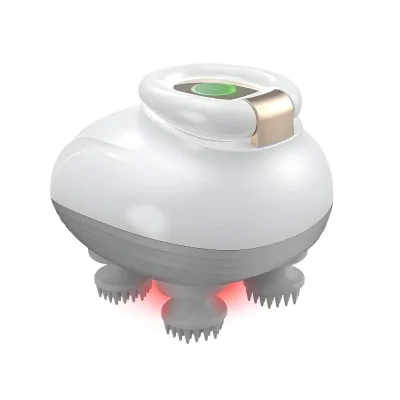
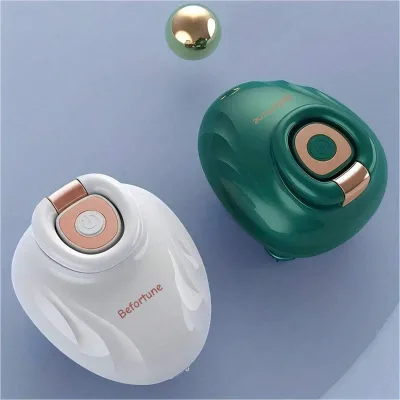

Electric Scalp Massager, Rechargeable Head Massager for Scalp Stress Relax
$17.00 - $20.00
MOQ: 500 Pieces




Comprehensive Sourcing Guide
Scalp Massager Sourcing Guide
Product Scope and Observed Listing Signals
The current market for scalp massagers presents a diverse array of options, ranging from simple manual tools to complex electronic devices with multiple stimulation modes. Buyers will observe a significant variation in product attributes, including power sources that span from purely manual operation to electric models requiring specific charging voltages such as 3.7V or 5V. This divergence necessitates careful categorization during the initial sourcing phase, as the intended use case—whether for home relaxation or professional salon environments—will dictate the required feature set. The observed listings indicate that manufacturers offer both basic plastic-based massagers and more sophisticated units featuring EMS, RF, and vibration technologies, each catering to different consumer expectations and price points.
Packaging and physical specifications also vary widely across the available inventory, reflecting different target markets and logistical requirements. Some products are shipped in simple OPP bags or standard cartons, while others come in premium gift boxes or colorful packaging designed for retail display. Dimensions and weights differ substantially, with some lightweight manual tools weighing as little as 22 grams, whereas electric devices can exceed 500 grams. These physical characteristics directly impact shipping costs and storage efficiency, making it essential for buyers to align their packaging choices with their distribution strategy. The presence of customization options further allows brands to tailor these products to their specific identity, ensuring that the final item resonates with their target demographic.
Technical Specifications to Verify
When evaluating technical specifications, the power source is a primary differentiator that influences both functionality and user experience. Buyers must clearly distinguish between manual massagers, which rely on physical pressure and vibration principles, and electric models that require battery charging and specific power inputs. For electric devices, verifying the charging voltage and current is critical to ensure compatibility with global power standards and to prevent damage to the internal circuitry. Additionally, the working power rating, which can range from low-wattage manual operations to higher-wattage electric units, should be confirmed to assess energy efficiency and heat generation during prolonged use. These technical parameters directly affect the product’s performance and safety profile.
Material composition and structural integrity are equally important factors that determine the durability and comfort of the Scalp Massager. Most observed products utilize ABS plastic or similar durable materials, which offer a balance of lightweight handling and robust construction. However, buyers should verify the specific material grades to ensure they meet hygiene and safety standards, especially for devices that come into direct contact with the skin. Furthermore, waterproof ratings, such as IPX5, are crucial for electric models to prevent moisture damage during cleaning or use in humid environments. The inclusion of features like USB charging capabilities also adds convenience for users, making it a valuable selling point that should be verified against the product’s actual design and intended usage scenarios.
Compliance and Safety Documentation
Compliance with international safety standards is non-negotiable for scalp massagers, particularly those that are electric or involve skin contact. Buyers must ensure that all products carry valid CE certification, which indicates conformity with health, safety, and environmental protection standards for products sold within the European Economic Area. This certification is a baseline requirement for many global markets and serves as a critical indicator of a manufacturer’s commitment to quality and regulatory adherence. Without proper certification, products may face customs delays, rejection, or legal liabilities, making it essential to request and verify original certification documents from suppliers before finalizing any purchase orders.
In addition to CE marking, other regulatory requirements such as RoHS compliance may apply, depending on the target market and material composition. RoHS standards restrict the use of specific hazardous materials in electrical and electronic products, ensuring that the massagers are safe for both consumers and the environment. Buyers should also consider local regulations in their destination countries, which may require additional testing or documentation. It is advisable to work with suppliers who have a proven track record of providing comprehensive compliance packages, including test reports and certificates of analysis. This proactive approach minimizes the risk of non-compliance and ensures a smoother entry into regulated markets.
Cost Drivers and Commercial Terms
The cost structure of scalp massagers is influenced by several key factors, including the complexity of the device, the materials used, and the level of customization required. Manual massagers generally offer lower unit costs due to their simpler construction and lack of electronic components, making them an attractive option for budget-conscious buyers. In contrast, electric models with advanced features like EMS, RF, and vibration technologies command higher prices due to the increased manufacturing complexity and component costs. Buyers should also consider the impact of packaging choices on overall costs, as premium gift boxes or custom packaging solutions can significantly increase the per-unit expense compared to standard OPP bags or cartons.
Commercial terms, such as minimum order quantities (MOQ) and lead times, play a crucial role in the procurement process and can vary widely among suppliers. Observed MOQs range from small quantities suitable for testing or niche markets to larger volumes required for mass distribution. Buyers should negotiate terms that align with their inventory management strategy and cash flow capabilities. Additionally, payment terms and shipping arrangements should be clearly defined to avoid unexpected costs or delays. Understanding these commercial dynamics allows buyers to make informed decisions that balance cost efficiency with supply chain reliability, ensuring that they can meet market demand without overextending their resources.
Supplier Qualification and Quality Control
Supplier qualification is a critical step in ensuring the reliability and consistency of Scalp Massager supplies. Buyers should conduct thorough due diligence to verify the manufacturer’s production capabilities, quality management systems, and past performance. This includes reviewing their factory audits, production capacity, and ability to meet specific customization requests. Suppliers located in key manufacturing hubs like Fujian and Shenzhen often have established supply chains and expertise in producing electronic and plastic goods, which can be advantageous for sourcing high-quality products. However, buyers must still verify each supplier’s specific strengths and limitations to ensure they can meet their unique requirements.
Quality control measures must be implemented throughout the production process to maintain product consistency and safety. Buyers should establish clear quality standards and inspection protocols, including pre-production samples, in-process checks, and final random inspections. Key quality indicators include material integrity, functional performance, and packaging accuracy. For electric devices, electrical safety tests and waterproofing checks are essential to prevent defects that could lead to customer complaints or returns. By implementing rigorous quality control procedures, buyers can mitigate risks and ensure that the delivered products meet their expectations and regulatory requirements, thereby protecting their brand reputation and customer satisfaction.
Long-Term Procurement Checks
Long-term procurement success depends on continuous monitoring and evaluation of supplier performance and product quality. Buyers should establish key performance indicators (KPIs) to track metrics such as on-time delivery, defect rates, and responsiveness to issues. Regular communication with suppliers is essential to address any emerging problems promptly and to foster a collaborative relationship that supports continuous improvement. Additionally, buyers should stay informed about changes in market trends, regulatory requirements, and consumer preferences to ensure that their product offerings remain relevant and competitive. This proactive approach allows for timely adjustments in sourcing strategies and product specifications.
Furthermore, buyers should periodically review their supply chain resilience and diversify their supplier base to mitigate risks associated with single-source dependencies. This includes evaluating alternative suppliers and exploring new manufacturing regions to ensure continuity of supply in case of disruptions. By maintaining a flexible and adaptive sourcing strategy, buyers can respond effectively to market changes and operational challenges. Long-term procurement checks also involve assessing the sustainability and ethical practices of suppliers, which are increasingly important to consumers and regulators. By prioritizing these factors, buyers can build a robust and responsible supply chain that supports their business growth and long-term success.
FAQs
What materials are used for scalp massagers?
Scalp massagers are typically constructed from durable ABS plastics. This material choice ensures the device remains lightweight yet sturdy for regular use. Some models may incorporate additional plastic components to enhance grip and comfort during application. The use of ABS allows for precise molding of ergonomic shapes suitable for handheld operation.
Can scalp massagers be customized for branding?
Yes, customization is available for many Scalp Massager models. Buyers can often request specific packaging options, such as colorful boxes or custom gift boxes. This flexibility allows businesses to tailor the product presentation to their brand identity. Customization helps in creating a unique market presence and enhances the perceived value of the product for end consumers.
What certifications do scalp massagers typically hold?
Many scalp massagers hold CE certification, indicating compliance with European health, safety, and environmental protection standards. This certification is crucial for selling products in the European market. Buyers should verify specific certification documents with suppliers to ensure regulatory compliance. CE marking demonstrates that the product meets essential requirements for market access and consumer safety.
How are scalp massagers packaged for shipping?
Scalp massagers are commonly packaged in OPP bags or carton boxes. Some premium models may come in gift boxes for retail appeal. Bulk shipments often utilize cartons with specified packing quantities, such as 100 pieces per carton. This standardized packaging ensures efficient logistics and protects the products during transit, while also facilitating easy inventory management for distributors.
What power options are available for scalp massagers?
Scalp massagers are available in both manual and electric versions. Manual models rely on hand movement for vibration or massage effects. Electric models often feature USB charging capabilities with specific voltage requirements like 3.7V or 5V. Buyers should select the power type based on their target market preferences and the desired functionality of the final product.
Where are scalp massagers typically manufactured?
Scalp massagers are primarily manufactured in China, with significant production hubs in Fujian and Shenzhen. These regions offer robust supply chains for plastic components and electronic assemblies. Buyers sourcing from these locations can benefit from established manufacturing infrastructure. The origin information helps in assessing logistics costs and lead times for international shipments.